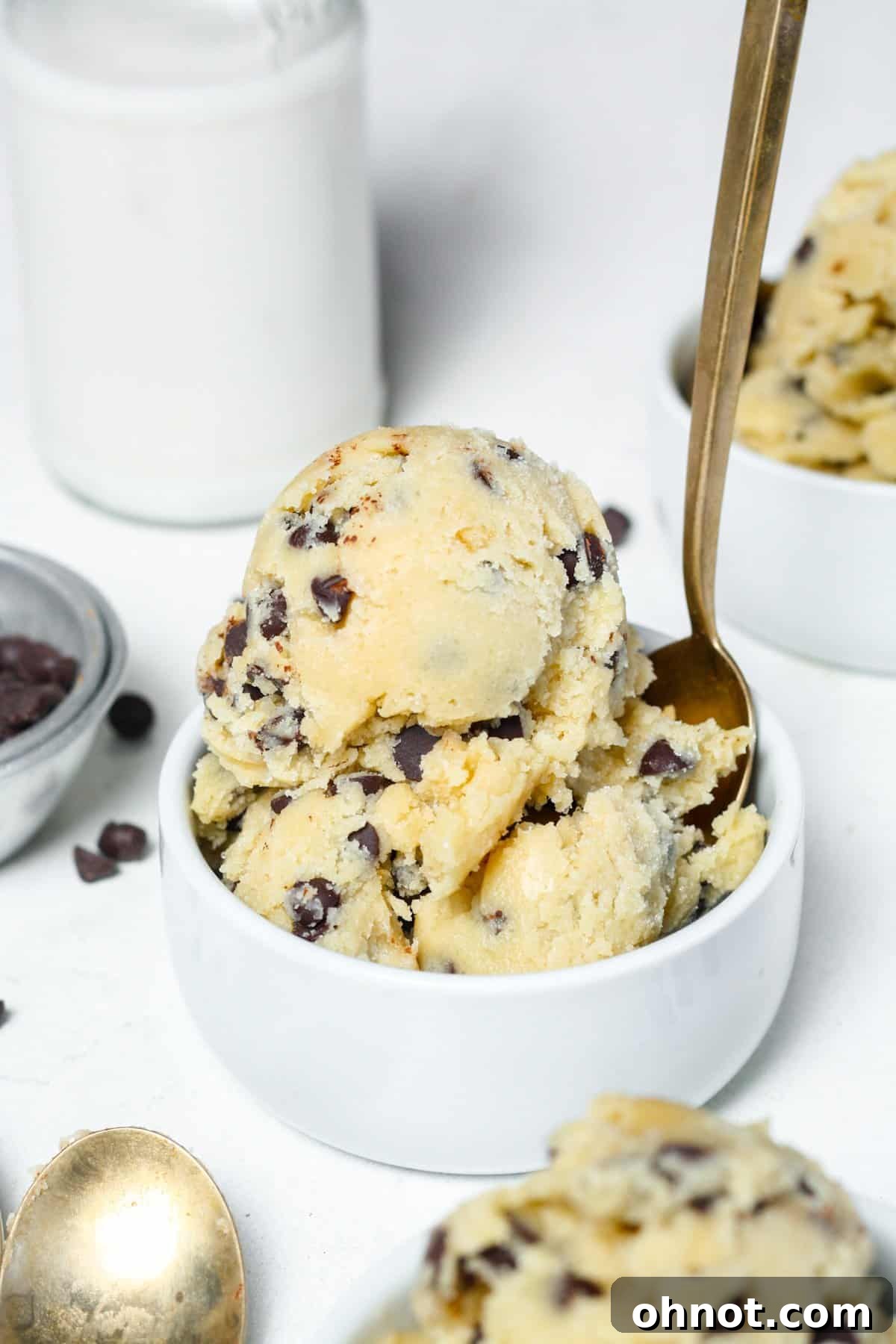
Craving the sweet, doughy goodness of cookie batter without the worry? Look no further! This edible gluten-free cookie dough recipe is your ticket to pure, unadulterated bliss. It’s incredibly quick to prepare, surprisingly easy, and so utterly delicious, you’ll wonder why you ever waited for cookies to bake. Crafted from simple pantry staples, this homemade delight comes together in just 10 minutes, offering a completely safe-to-eat treat for everyone. Each spoonful delivers a smooth, creamy texture, generously dotted with your favorite chocolate chips, making it an irresistible indulgence.
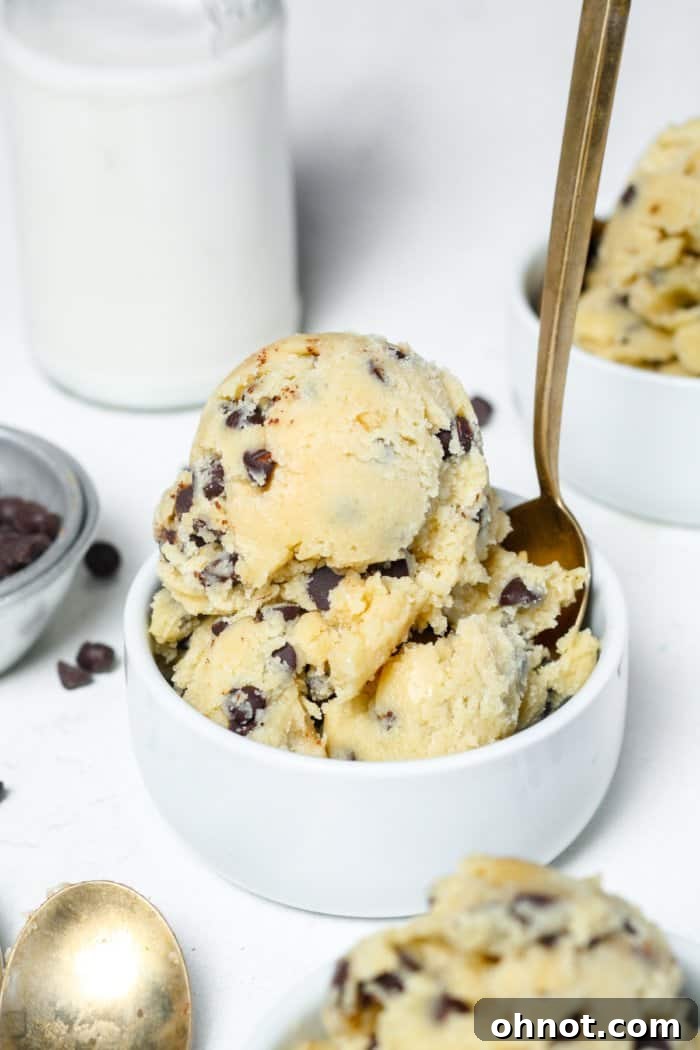
Why You’ll Adore This Edible Gluten-Free Cookie Dough
This edible gluten-free cookie dough isn’t just a recipe; it’s a revelation for anyone who loves the taste of raw cookie dough but seeks a safe, quick, and inclusive option. Here’s a deeper dive into why this will quickly become your new favorite:
- Lightning Fast Preparation: In today’s busy world, who has hours to spend in the kitchen? This recipe requires only 10 minutes of active preparation, allowing you to satisfy your cookie dough cravings almost instantly. It’s perfect for a spontaneous treat or a last-minute dessert.
- Guaranteed Safety: The secret to safe edible cookie dough lies in heat-treating the flour. This crucial step eliminates any potential harmful bacteria often found in raw flour, making every spoonful worry-free and perfectly safe for consumption. Unlike traditional cookie dough, there’s no risk involved.
- Versatile Culinary Companion: This isn’t just a snack to eat straight from the bowl (though it’s excellent for that!). Its rich, adaptable flavor makes it a fantastic ingredient for other desserts. Imagine it layered into a decadent Cookie Dough Cake, swirled into homemade ice cream, or even baked into brownies for an extra layer of indulgence.
- Egg-Free Delight: This recipe is naturally egg-free, which not only contributes to its safety for raw consumption but also makes it suitable for those with egg allergies or dietary restrictions. You get all the classic cookie dough flavor without needing eggs.
- Authentic Cookie Dough Flavor: Despite being gluten-free and egg-free, this dough astonishingly captures the quintessential taste of classic chocolate chip cookie dough. It’s buttery, sweet, and bursting with chocolate, offering a nostalgic flavor experience.
- Minimal Ingredients: You won’t need a lengthy shopping list for this one! Requiring only eight basic ingredients, most of which you likely already have in your pantry, it’s a straightforward and accessible recipe for any home cook.
- Dietary Friendly & Adaptable: Beyond being gluten-free, this recipe is also inherently nut-free and egg-free. With simple substitutions, it can be effortlessly transformed into a dairy-free and even a fully Vegan treat, ensuring almost everyone can enjoy it.
- Endless Enjoyment Possibilities: Whether you prefer to savor it by the spoonful straight from the fridge, mix it into your morning oatmeal, spread it on toast, or create an epic ice cream sundae, the ways to enjoy this dough are limited only by your imagination.
- Explore More Edible Doughs: If you love this recipe, be sure to check out our Edible Pumpkin Cookie Dough for a seasonal twist, or our Edible Snickerdoodle Cookie Dough for a cinnamon-sugar experience!
Essential Ingredients & Smart Substitutions
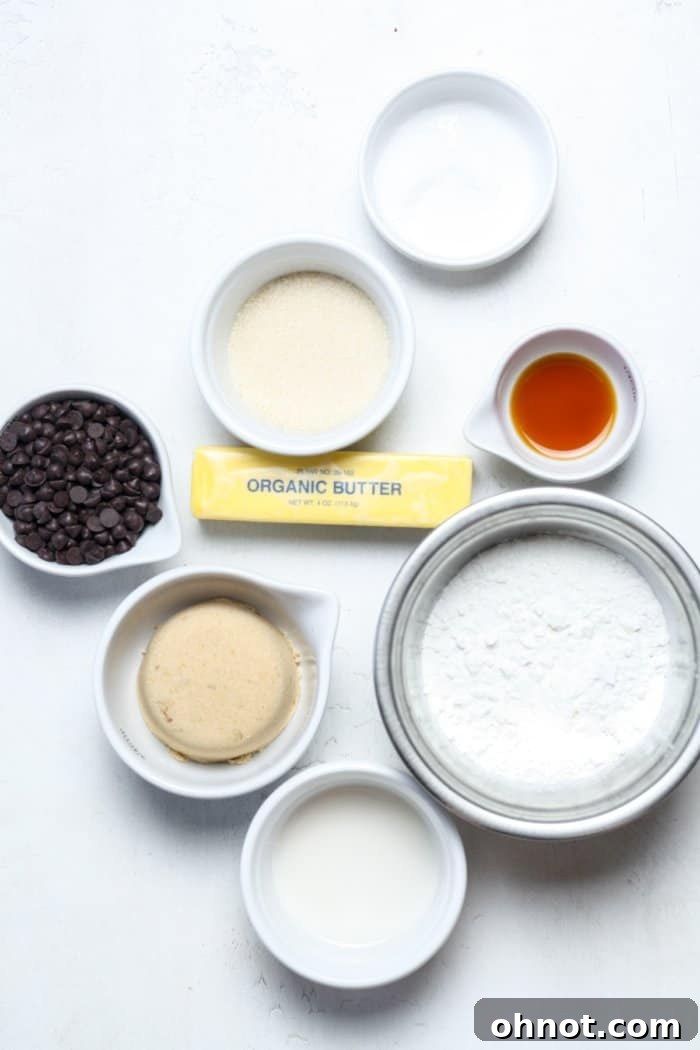
Crafting the perfect edible gluten-free cookie dough starts with understanding each ingredient and the flexibility it offers. Here’s a detailed guide to what you’ll need and how to make it work for your dietary needs. For the complete, precise list and step-by-step instructions, please refer to the recipe card below.
Gluten-Free 1-to-1 Flour: The foundation of our gluten-free dough. Using a high-quality 1-to-1 gluten-free baking flour blend is crucial for achieving the right texture and consistency. These blends are specifically formulated to mimic the properties of traditional wheat flour, often containing a mix of rice flour, potato starch, tapioca flour, and xanthan gum. My personal favorites for consistent results are King Arthur Flour and Bob’s Red Mill. If you’re exploring Paleo options, which typically avoid grains, you’ll want to check out our dedicated Paleo Cookie Dough recipe, which utilizes alternative flours like almond or coconut flour. Remember, accurate measurement of flour is key to success, so scoop lightly or weigh for best results. Most importantly, ensure you follow the heat-treating instructions below to make it safe for raw consumption.
Room Temperature Butter: Butter is indispensable for that rich, classic buttery flavor and creamy texture that defines great cookie dough. Using butter at room temperature is vital; it creams smoothly with sugar, incorporating air and creating a light, fluffy base. If your butter is too cold, it won’t combine properly, leading to a lumpy dough. If it’s too warm, the dough can become greasy. For those needing a dairy-free or Vegan option, simply substitute with your favorite brand of Vegan butter. Many excellent plant-based butters are available today that provide a fantastic alternative, maintaining the delicious taste and texture. For a comprehensive guide, explore our Vegan Cookie Dough recipe.
Granulated Sugar & Light Brown Sugar: This dynamic duo provides the perfect balance of sweetness and moisture. Granulated sugar offers a crisp sweetness, while light brown sugar, with its molasses content, adds a deeper, caramel-like flavor and contributes to the dough’s moist, chewy texture. Tightly packing the brown sugar ensures accurate measurement. If you’re looking to avoid refined sugars, the Paleo recipe linked above offers excellent alternatives, often utilizing natural sweeteners like maple syrup or coconut sugar, which will subtly alter the flavor but still create a delightful treat.
Milk of Choice: A touch of milk helps to bring the dough together, adjusting its consistency to that ideal smooth and creamy state. I typically use almond milk for its neutral flavor profile, but you have many options. For a nut-free version, regular dairy milk, coconut milk, or oat milk all work wonderfully. Each type of milk will contribute a slightly different nuanced flavor and richness, so choose one that complements your preferences or dietary needs.
Vanilla Extract: This simple ingredient is a flavor powerhouse, infusing the dough with that universally beloved, comforting vanilla aroma and taste that is synonymous with classic cookies. Don’t skimp on good quality vanilla extract; it truly makes a difference in the overall flavor profile.
Pinch of Sea Salt: A small amount of sea salt is a secret weapon in baking and dough making. It doesn’t make the dough taste salty; instead, it expertly balances and enhances the sweetness of the sugars and deepens the chocolate flavor. It’s a subtle but essential ingredient that elevates the entire profile.
Mini Chocolate Chips: While any type of chocolate chip will work, mini chocolate chips are particularly fantastic for edible cookie dough. Their smaller size ensures that you get a perfect burst of chocolate in almost every bite, distributing evenly throughout the dough. However, feel free to use standard-sized chips, chocolate chunks, or even a mix. For a delightful variation without chocolate, check out our Edible Sugar Cookie Dough recipe, which is equally delicious and customizable with sprinkles or other additions.
Crucial Step: How to Heat Treat Flour for Safety
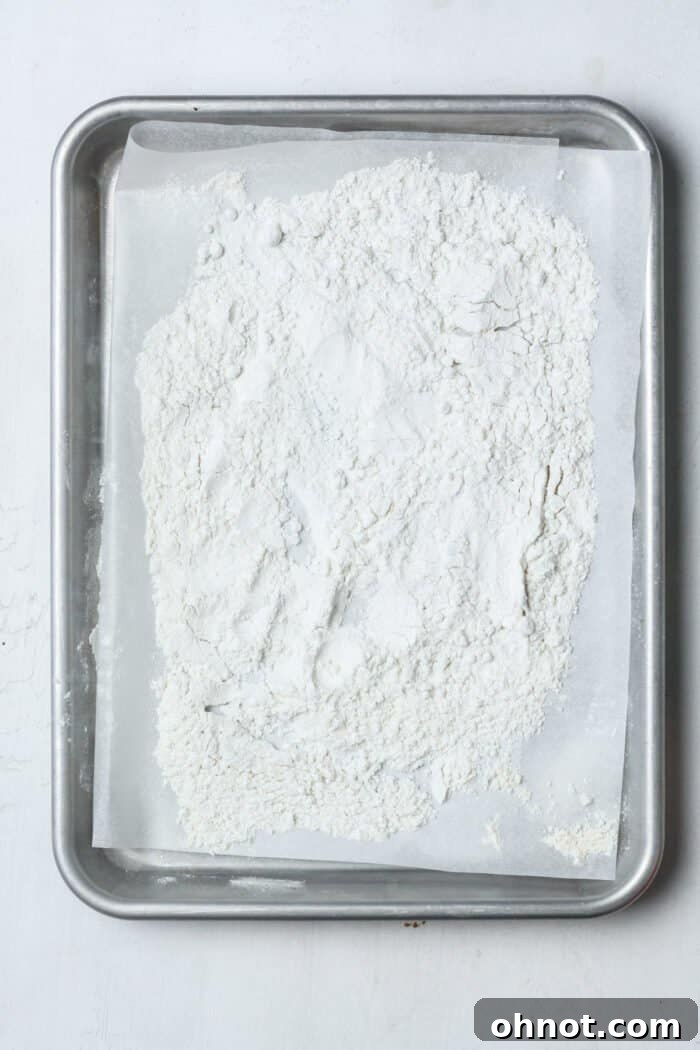
One of the most important steps to ensure your edible cookie dough is truly safe to eat is heat treating the flour. Raw flour can contain harmful bacteria, such as E. coli, which can cause foodborne illness. By gently heating the flour, we eliminate these risks, making your delicious treat completely safe to enjoy without baking. There are two incredibly easy and effective methods for heat treating flour, both taking minimal time:
Oven Method:
- Preparation: Spread your measured gluten-free flour in an even, thin layer onto a baking sheet lined with parchment paper. This helps prevent sticking and ensures even heat distribution.
- Baking: Place the baking sheet in a preheated oven at 350 degrees Fahrenheit (175 degrees Celsius) for 5 to 10 minutes. The goal is not to toast or brown the flour, but to bring it to a safe temperature.
- Verification: The most accurate way to ensure the flour is safe is by using a meat thermometer. Carefully stir the flour and check its internal temperature in several spots. It should reach and maintain a temperature of 165 degrees Fahrenheit (74 degrees Celsius) for at least a minute to effectively kill off any bacteria. Once it reaches this temperature, remove it from the oven and let it cool completely before using.
Microwave Method:
- Preparation: Place your measured gluten-free flour into a microwave-safe bowl.
- Microwaving: Microwave the flour in 1-minute increments, stirring thoroughly after each minute to ensure even heating. This prevents hot spots and ensures all the flour is adequately treated.
- Verification: After 2-3 minutes, use a meat thermometer to check the flour’s internal temperature. Continue microwaving and stirring in short bursts until the flour consistently reaches 165 degrees Fahrenheit (74 degrees Celsius). Once cooled, it’s ready to use.
Always allow the heat-treated flour to cool completely to room temperature before incorporating it into your dough. Using warm flour can melt the butter and affect the final texture of your edible cookie dough.
Unveiling the Taste & Texture Profile
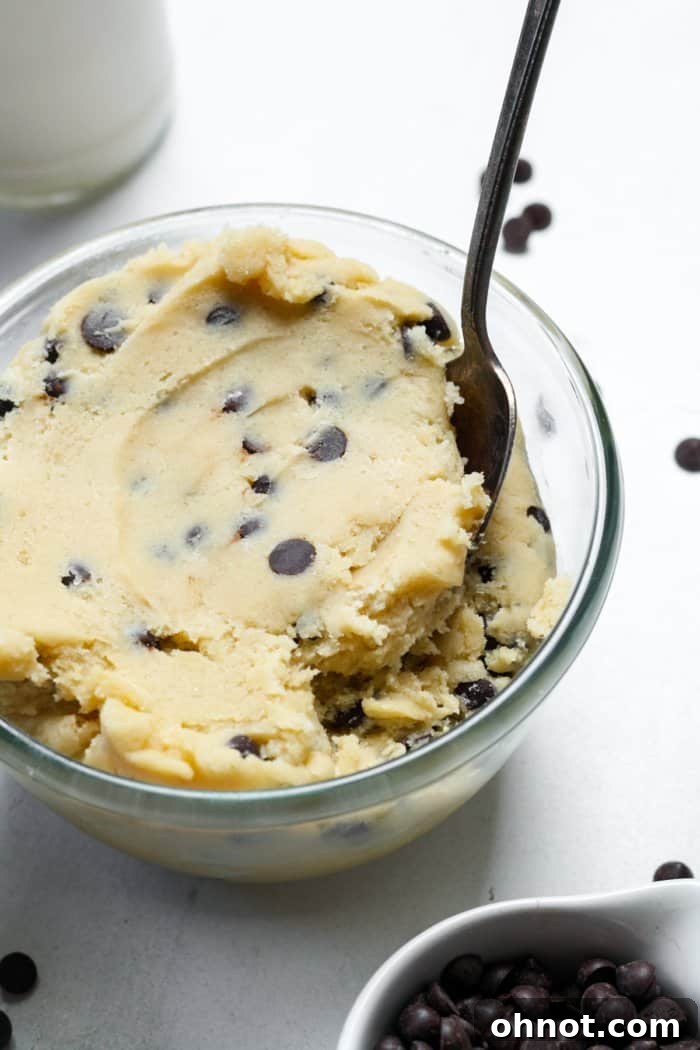
Prepare your taste buds for an authentic experience! This gluten-free cookie dough is meticulously crafted to deliver the exact same delightful taste as classic, traditional cookie dough. Imagine a rich, buttery base, perfectly sweetened with a balanced blend of sugars, and generously studded with melty chocolate chips. Every bite is a symphony of sweet and decadent flavors that will transport you straight back to childhood memories of licking the spoon. While it doesn’t contain eggs, which slightly differentiates its precise flavor nuances, the overall profile is undeniably “classic cookie dough” in the best possible way.
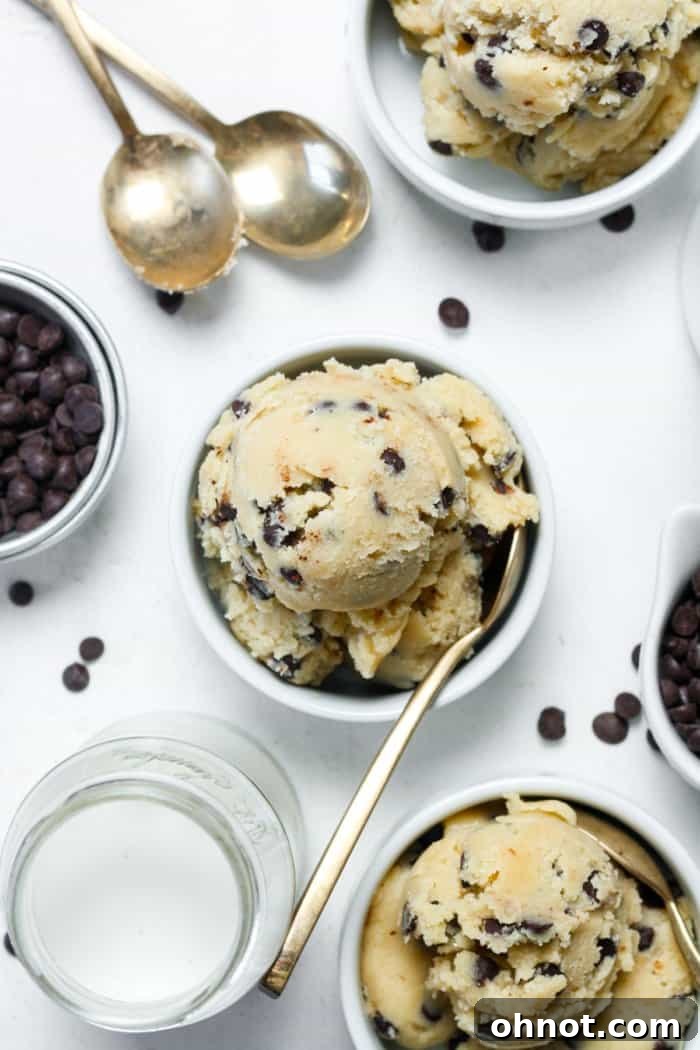
The texture of this edible dough is equally remarkable, closely resembling its conventional counterpart. It boasts a wonderfully thick, creamy, and remarkably smooth consistency. It’s firm enough to scoop and hold its shape, yet soft enough to melt deliciously in your mouth. The combination of well-creamed butter and sugars with the heat-treated flour creates a luxurious mouthfeel that is incredibly satisfying and utterly addictive. This is cookie dough as it was meant to be enjoyed – unbaked, safe, and utterly delicious.
Step-by-Step Guide: How to Make Your Edible Cookie Dough
Creating this irresistible gluten-free edible cookie dough is a breeze! Follow these simple steps for a perfect batch every time. Remember, the key to great edible dough is patience with the heat-treating and proper creaming.
Step 1: Heat Treat the Flour for Safety
Begin by preparing your gluten-free flour. Spread the measured flour evenly onto a parchment-lined baking pan. Bake it in a preheated oven at 350°F (175°C) for 5 to 7 minutes, or alternatively, microwave the flour in a microwave-safe bowl for 1 minute, stirring halfway through. The goal is to reach an internal temperature of 165°F (74°C) to kill any potential bacteria. Let the flour cool completely to room temperature before proceeding with the rest of the recipe. This step is non-negotiable for safe raw consumption!
Step 2: Cream the Butter and Sugars
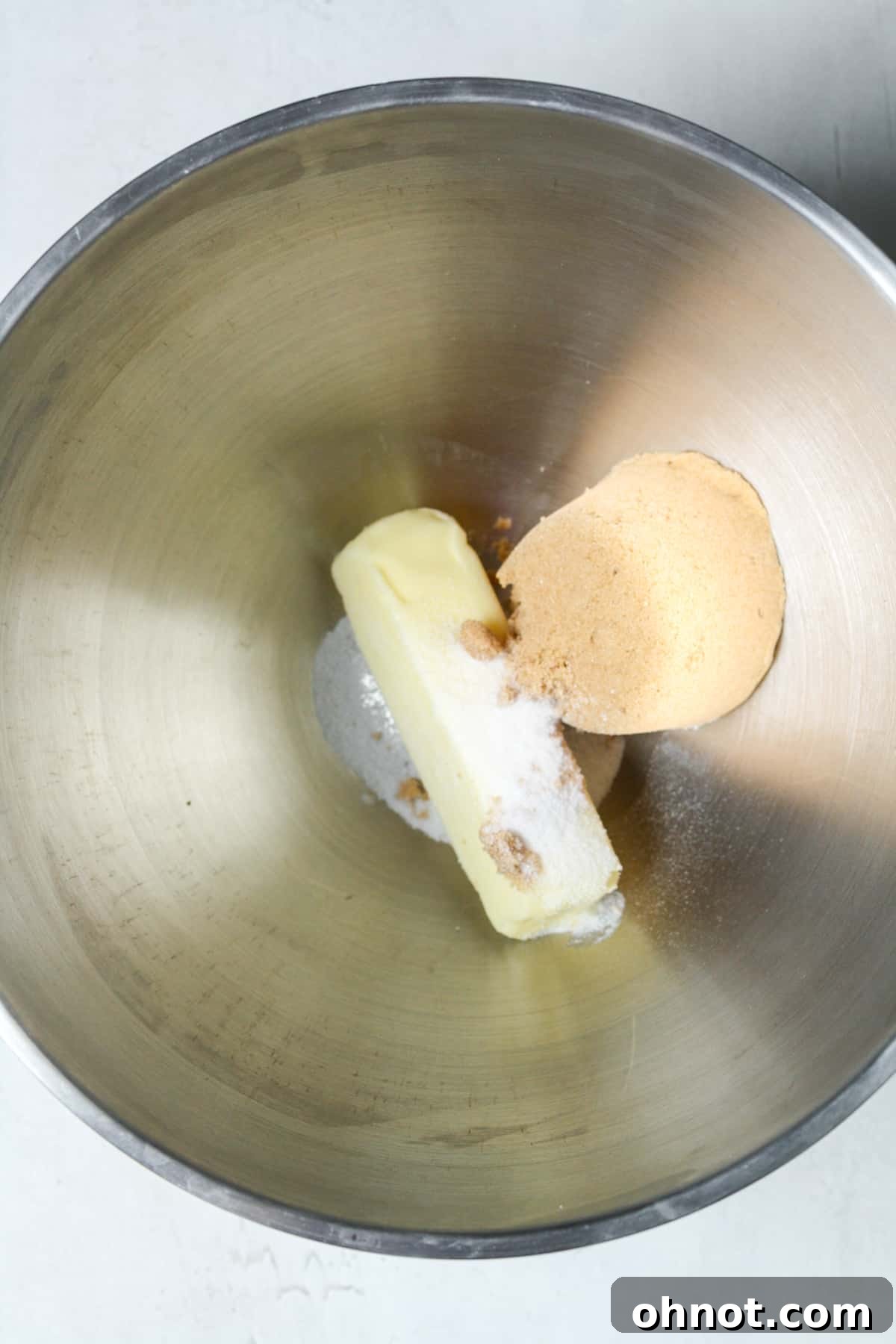
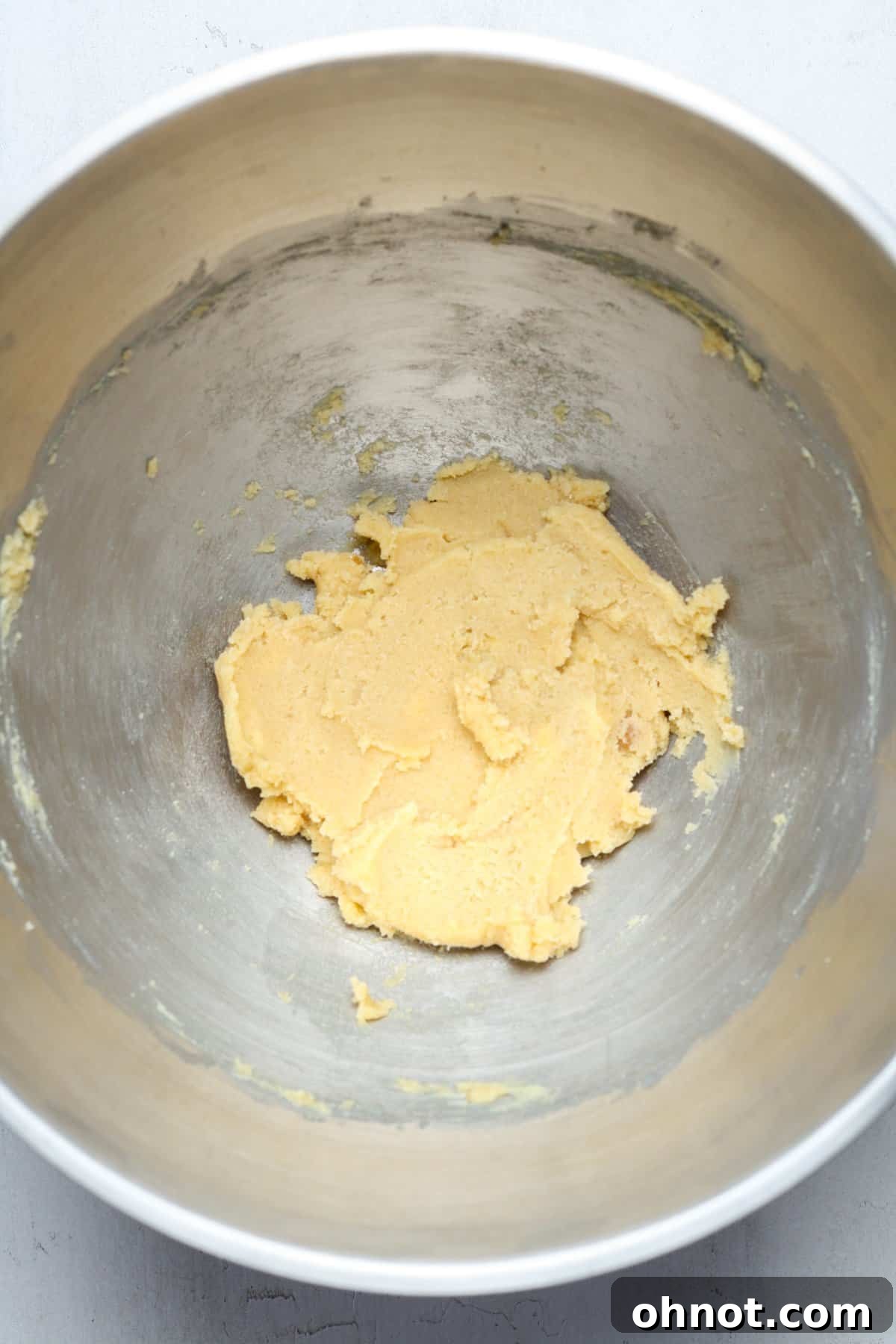
In the bowl of a stand mixer fitted with the paddle attachment (or using a large bowl with a hand mixer), combine your room temperature butter, light brown sugar, and granulated sugar. Beat these ingredients together on medium speed for a full 2 to 3 minutes. Continue mixing until the mixture is light, fluffy, and all clumps of butter have been fully incorporated and no longer visible. The creaming process is crucial for achieving that wonderfully smooth, airy texture in your dough, so don’t rush this step. Scrape down the sides of the bowl occasionally to ensure everything is evenly mixed.
Step 3: Combine Wet and Dry Ingredients
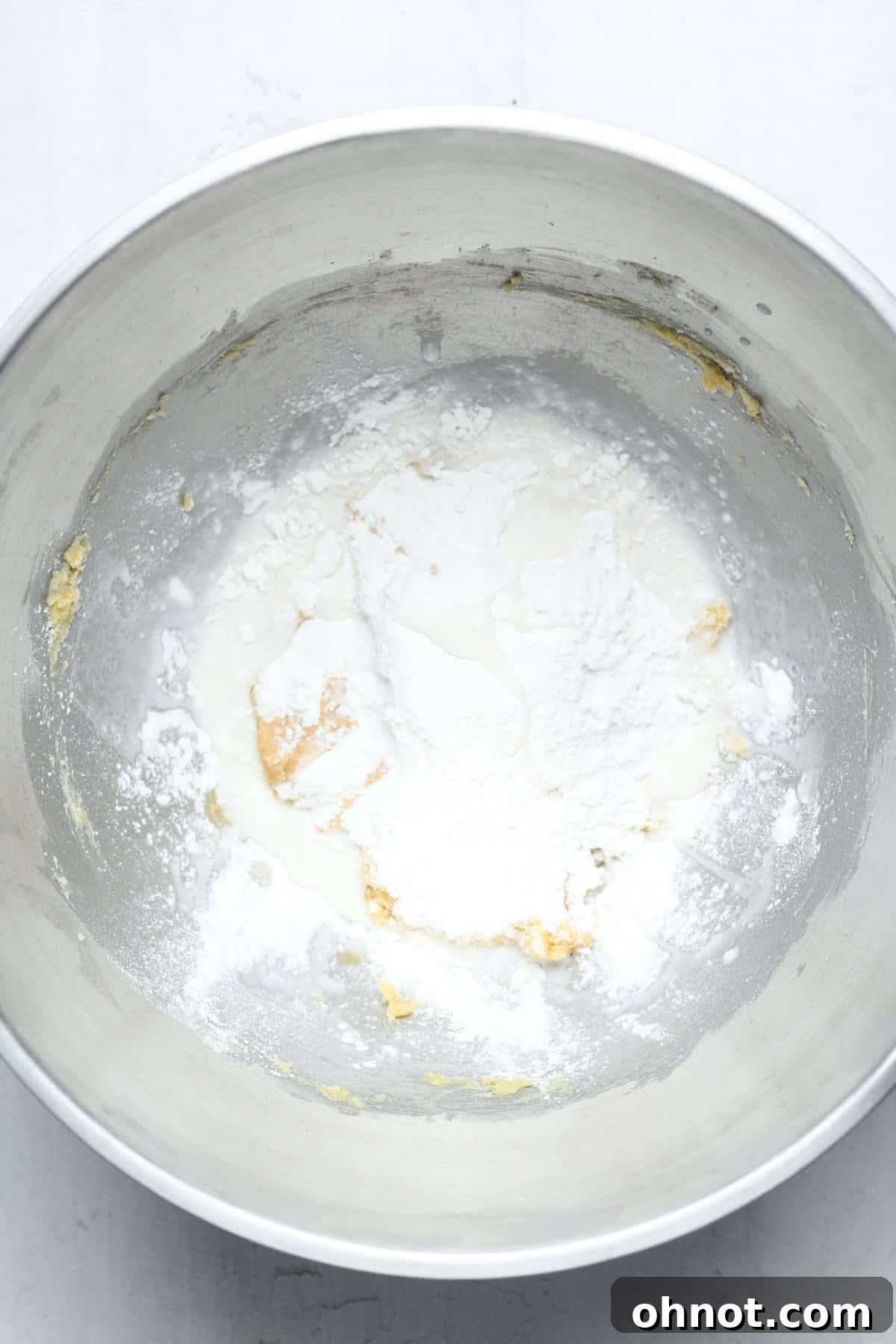
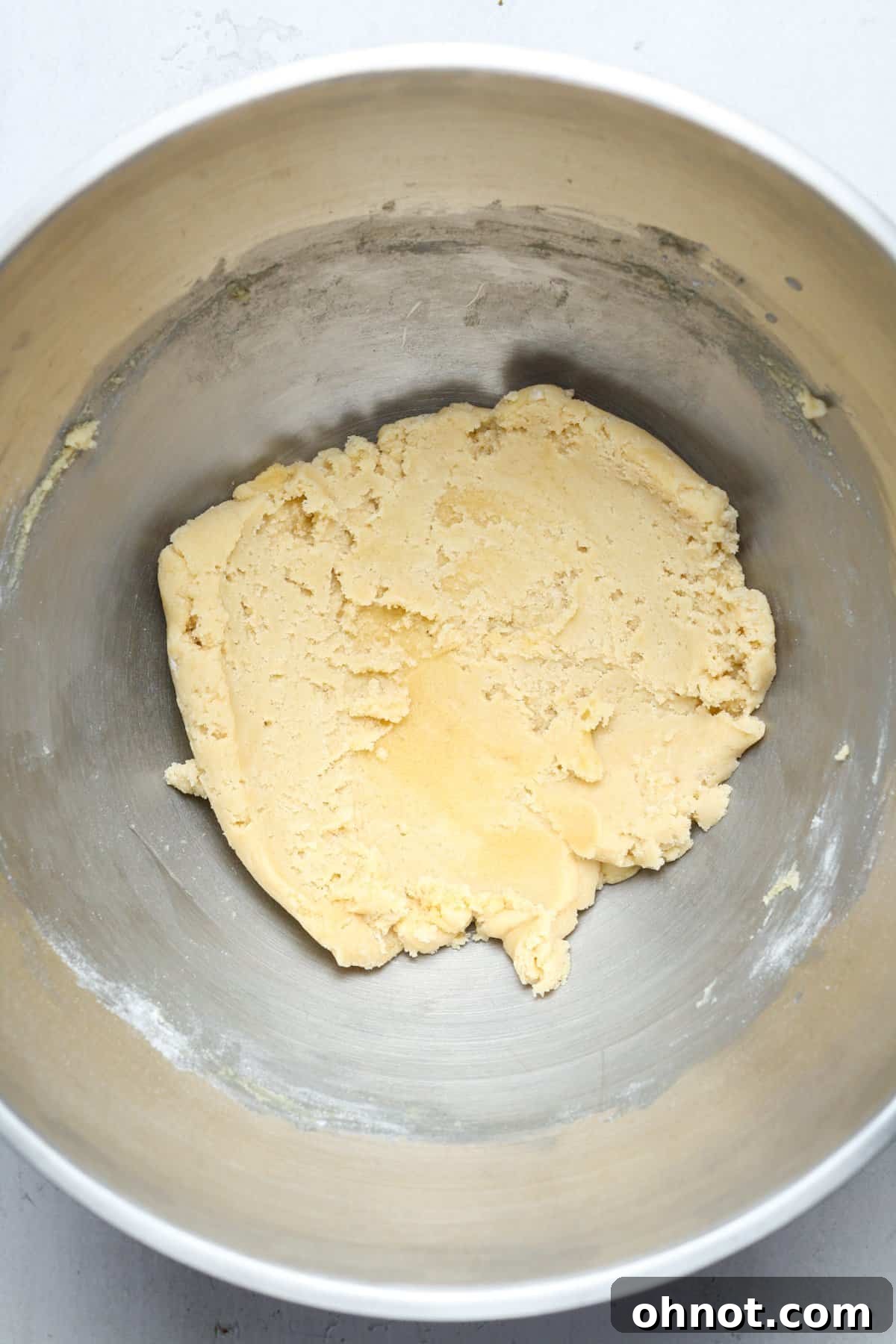
With your butter and sugars beautifully creamed, it’s time to incorporate the remaining ingredients. Add the cooled, heat-treated gluten-free flour, your chosen milk, vanilla extract, and the pinch of sea salt to the mixer. Mix on low speed until just combined. Be careful not to overmix, as this can develop the gluten structure in some gluten-free flours (though less of a concern than with wheat flour) and can lead to a tougher dough. Stop as soon as the flour streaks disappear and a cohesive dough forms. The dough should be thick and somewhat sticky.
Step 4: Fold in the Chocolate Chips & Serve
Finally, with the mixer off, gently fold in the mini chocolate chips (or your preferred add-ins) using a spatula. Mix just until they are evenly distributed throughout the dough. Avoid overmixing once the chocolate chips are in to prevent them from breaking apart. Your delicious edible gluten-free cookie dough is now complete! You can serve it immediately and dive right in, or for an even firmer, more chilled texture, cover it and refrigerate until ready to enjoy. It’s perfect either way!
Expert Tips & Clever Tricks for Perfect Edible Cookie Dough
Achieving the perfect batch of edible gluten-free cookie dough is simple when you know a few key secrets. Here are some expert tips and tricks to ensure your dough is always delicious, safe, and just the right consistency:
- Prioritize Flour Safety: As reiterated, heat treating your flour is the single most important step for safe consumption. Raw flour can harbor harmful bacteria, and heating it in the oven or microwave effectively eliminates this risk. Never skip this step!
- Precision with Temperature: For accurate heat treatment, always use a meat thermometer. Ensure your flour reaches and maintains an internal temperature of 165 degrees Fahrenheit (74 degrees Celsius). This guarantees that any potential contaminants are neutralized.
- Master the Creaming Process: Don’t underestimate the importance of beating the butter and sugars thoroughly. Aim for 2 to 3 minutes of mixing until the mixture is light, fluffy, and free of any butter clumps. This process incorporates air, which contributes significantly to the dough’s smooth and creamy texture.
- Room Temperature Ingredients are Key: Just like with baking, ensure your butter is at true room temperature. This allows it to cream properly with the sugars, creating an emulsified base that holds the dough together beautifully. Cold butter will result in a lumpy, difficult-to-mix dough, while overly soft or melted butter can make it greasy.
- Adjust Consistency as Needed: Gluten-free flours can vary slightly in how much liquid they absorb. If your dough appears too dry and crumbly, add a tiny bit more milk, about a teaspoon at a time, mixing until it reaches a smooth, cohesive consistency. Conversely, if it seems too wet, you can mix in a tablespoon of cooled, heat-treated flour until it firms up.
- Avoid Overmixing: Once the flour and milk are added, mix only until just combined. Overmixing can sometimes lead to a tougher texture in gluten-free doughs.
- Chilling Enhances Flavor and Texture: While delicious immediately, chilling the dough for at least 30 minutes in the refrigerator allows the flavors to meld and the dough to firm up, resulting in an even more enjoyable, scoopable texture.
Exciting Variations & Delicious Add-Ins
This gluten-free cookie dough is utterly delicious on its own, a perfect rendition of the classic. However, it also serves as an amazing canvas for creativity! Feel free to experiment with these delightful variations and add-ins to customize your edible treat:
- Chocolate Chip Adventures:
- Dark Chocolate Chips: For a deeper, richer chocolate experience with a hint of bitterness to balance the sweetness.
- White Chocolate Chips: To add a creamy, sweet contrast that melts delightfully in your mouth.
- Milk Chocolate Chips: If you prefer a milder, sweeter chocolate flavor.
- Chocolate Chunks: For larger pockets of gooey chocolate goodness.
- Spice it Up:
- Dash of Cinnamon: A warm, inviting spice that pairs wonderfully with chocolate and brown sugar, adding a cozy dimension.
- Pinch of Nutmeg or Cardamom: For a more exotic and aromatic twist.
- Fruity Delights:
- Dried Cranberries: Offer a chewy texture and a tangy burst that cuts through the sweetness.
- Raisins or Dried Cherries: For another sweet, chewy fruit addition.
- Candy & Confectionery:
- M&Ms (gluten-free versions): Add a satisfying crunch and a colorful pop to your dough.
- Chopped Gluten-Free Oreos: Crumble them in for a cookies-and-cream inspired indulgence.
- Sprinkles: Perfect for a festive touch, especially for celebrations or just for fun!
- Nutty Notes (if not nut-free):
- Chopped Pecans, Walnuts, or Almonds: Add a delightful crunch and earthy flavor.
- Peanut Butter Swirl: Swirl in a tablespoon or two of creamy peanut butter for a peanut butter cookie dough experience.
- Creative Applications:
- Roll them into Cookie Dough Bites for easy snacking and portion control.
- Add a spoonful of espresso powder for a mocha-flavored dough.
- Replace vanilla extract with almond extract for a marzipan-like flavor.
The possibilities are truly endless! Feel free to mix and match your favorite flavors to create your ultimate edible cookie dough masterpiece.

Making it Dairy-Free & Vegan Friendly
This edible cookie dough recipe is wonderfully adaptable for those following a dairy-free or Vegan lifestyle, ensuring everyone can enjoy this delightful treat. With just a couple of simple substitutions, you can achieve a delicious dough that’s just as creamy and flavorful as the original.
- Butter Substitution: To make the dough dairy-free, simply replace the regular butter with your favorite brand of dairy-free or Vegan butter. Many excellent plant-based butter sticks are available on the market today that cream beautifully and provide a rich, buttery flavor without any dairy. Brands like Miyoko’s Kitchen, Earth Balance, or Country Crock Plant Butter are popular choices that yield fantastic results. Ensure your chosen vegan butter is at room temperature for optimal creaming.
- Milk Selection: When it comes to milk, opt for any plant-based milk of your choice. Almond milk, cashew milk, coconut milk, and oat milk all work exceptionally well in this recipe, contributing to the dough’s smooth consistency. I frequently use unsweetened almond milk for its neutral flavor, which allows the cookie dough taste to shine through. Just be sure to use an unsweetened variety to control the overall sweetness of the dough.
- Chocolate Chips: Don’t forget your chocolate chips! To keep the entire recipe dairy-free and Vegan, make sure to use dairy-free chocolate chips. There are many fantastic brands available now that offer rich, delicious chocolate without any dairy ingredients. Enjoy Life is a particularly popular and widely available brand that offers a great selection of allergy-friendly chocolate chips.
By making these straightforward adjustments, you can easily create a batch of edible cookie dough that caters to various dietary needs without compromising on taste or texture. It’s a truly inclusive indulgence!
How to Serve & Properly Store Your Edible Dough
Once your gluten-free cookie dough is mixed, the hardest part is waiting to enjoy it! Here’s how to best serve and store your delicious creation to maximize freshness and enjoyment.
Serving Suggestions:
- Straight from the Spoon: The most classic way to enjoy it! Dig in with a spoon right after mixing, or after chilling for a firmer texture.
- Chilled Perfection: While delicious immediately, this cookie dough is arguably even better once chilled for at least 30 minutes. The flavors deepen, and the texture becomes wonderfully firm and scoopable.
- Creative Spreads: Spread a generous layer on top of gluten-free toast for a decadent breakfast or snack. It’s also fantastic on crackers or rice cakes.
- Ice Cream Swirl: Swirl spoonfuls of the dough into your favorite ice cream for a homemade cookie dough ice cream experience. You can also form small dough balls and mix them in.
- Dessert Topping: Use it as a delightful topping for brownies, cupcakes, or even a fruit salad (for a sweet contrast!).
- Milkshake or Smoothie Booster: Blend a scoop into a milkshake or a dessert-style smoothie for added richness and flavor.
- Edible Decorations: Shape into small balls or decorative shapes to adorn cakes or other desserts.
Storage Instructions:
- Refrigeration: Store any leftover edible cookie dough in an airtight container in the refrigerator for up to 5 days. This will keep it fresh and prevent it from drying out or absorbing other odors from your fridge.
- Freezing for Longer Shelf Life: This cookie dough freezes exceptionally well, making it perfect for meal prep or saving for future cravings.
- Method 1 (Scoopable): Place the dough in an airtight, freezer-safe container. It will stay fresh for up to 1-2 months. When ready to enjoy, let it thaw in the refrigerator overnight or at room temperature until soft enough to scoop.
- Method 2 (Dough Bites): Roll the dough into small balls (like cookie dough bites) and place them on a parchment-lined baking sheet. Freeze until solid, then transfer the frozen dough balls to a freezer-safe bag or container. This makes it easy to grab just a few at a time. They can be stored for up to 2-3 months. Thaw briefly before eating for the best texture.
Frequently Asked Questions About Edible Gluten-Free Cookie Dough
While some major brands like Pillsbury do offer a delicious gluten-free cookie dough line, it’s essential to always check the packaging carefully for the “gluten-free” label and ingredients list. This homemade recipe offers a fantastic, safe alternative you can trust.
No, raw gluten-free flour, just like conventional wheat flour, can contain harmful bacteria. It is crucial to heat treat gluten-free flour before consuming it raw to eliminate these risks and ensure your edible dough is perfectly safe. Always follow the heat-treating instructions provided in the recipe.
Absolutely! This edible cookie dough freezes wonderfully. You can store it in an airtight, freezer-safe container or roll it into individual balls before freezing for easy portioning. It will maintain its quality for 1-3 months, ready to be thawed and enjoyed whenever a craving strikes.
Unfortunately, no, this specific edible dough recipe is not designed for baking into cookies. It is missing key ingredients necessary for proper cookie structure, such as eggs (which bind and leaven) and leavening agents like baking soda or baking powder. It’s specifically formulated to be enjoyed raw.
While eating it by the spoonful is heavenly, this dough is incredibly versatile! You can swirl it into ice cream, spread it on toast, mix it into milkshakes, use it as a filling for brownies or cakes, or even roll it into small bites for a quick snack. Get creative and enjoy!
Yes, with some modifications! While this recipe uses granulated and brown sugar, you can adapt it to be refined sugar-free. We recommend checking out our Paleo Cookie Dough recipe, which often uses natural sweeteners like maple syrup or coconut sugar to achieve a similar deliciousness.
You May Also Love These Recipes
If you’re a fan of this delightful edible gluten-free cookie dough, be sure to explore these other fantastic recipes that celebrate delicious, wholesome treats:
- Edible Snickerdoodle Cookie Dough: A cinnamon-sugar twist on the classic edible dough.
- Paleo Cookie Dough Stuffed Brownies: Double the decadence with a healthy twist.
- Almond Flour Cookies: Perfect for traditional baked cookie cravings.
- Stuffed Cookies: Take your cookie game to the next level with delicious fillings.
- Paleo Vegan Cookie Dough Bars: A guilt-free, plant-based treat for all cookie dough lovers.

5 mins
5 mins
10 mins
Get the Recipe: Gluten Free Cookie Dough
This gluten-free cookie dough is quick, easy, and totally safe to eat! It tastes just like raw cookie batter without the eggs, making this edible cookie dough insanely delicious and perfect for any craving.
Pin Recipe
Ingredients
- 1 cup gluten free 1 to 1 flour (Recommended brand)
- ½ cup butter, room temperature
- 2 tbsp granulated sugar
- ½ cup light brown sugar, tightly packed
- 1 tbsp milk of choice
- ½ tsp vanilla extract (Recommended brand)
- Pinch sea salt (Recommended brand)
- ⅓ cup mini chocolate chips (Recommended brand)
Instructions
- First, heat treat flour. Spread flour onto a lined baking pan. Bake at 350 degrees Fahrenheit for 5 to 7 minutes. Or, microwave flour for 1 minute. Let cool completely before use.
- In a stand mixer, beat room temperature butter, light brown sugar, and granulated sugar for 2 to 3 minutes, until light, fluffy, and no clumps of butter remain. Scrape down sides of the bowl as needed.
- Add in the cooled, heat-treated flour, milk of choice, vanilla extract, and sea salt. Mix on low speed until just combined and a cohesive dough forms. Avoid overmixing.
- Gently fold in the mini chocolate chips until evenly distributed. Serve immediately, or refrigerate in an airtight container until ready to enjoy.
Notes
- Heat treating the flour is crucial to kill off bacteria, making the dough safe to eat raw.
- For a dairy-free and Vegan option, substitute regular butter with dairy-free butter and use a plant-based milk. Ensure chocolate chips are also dairy-free.
- Regular-sized chocolate chips or other mix-ins like sprinkles, nuts, or dried fruit can be used for variations.
- Store the edible cookie dough covered in the fridge for up to 5 days for optimal freshness.
- This cookie dough also freezes exceptionally well in an airtight container for up to 1-3 months.
Nutrition
Calories: 370kcal, Carbohydrates: 50g, Protein: 2g, Fat: 18g, Saturated Fat: 11g, Polyunsaturated Fat: 1g, Monounsaturated Fat: 4g, Trans Fat: 1g, Cholesterol: 42mg, Sodium: 137mg, Potassium: 50mg, Fiber: 1g, Sugar: 28g, Vitamin A: 495IU, Vitamin C: 1mg, Calcium: 37mg, Iron: 1mg
Addison LaBonte
Dessert, Snack
American
Loved this edible gluten-free cookie dough recipe? We’d genuinely appreciate it if you could leave a review to share your experience! You can also connect with us on Instagram, Facebook, and Pinterest. We’d love for you to follow along for more delicious insights and wholesome recipes! For more dietary-friendly ideas, check out our full collection of Gluten-Free Recipes. Don’t forget, you can sign up here to receive exclusive healthy meal plans, new recipes, and updates directly in your inbox!