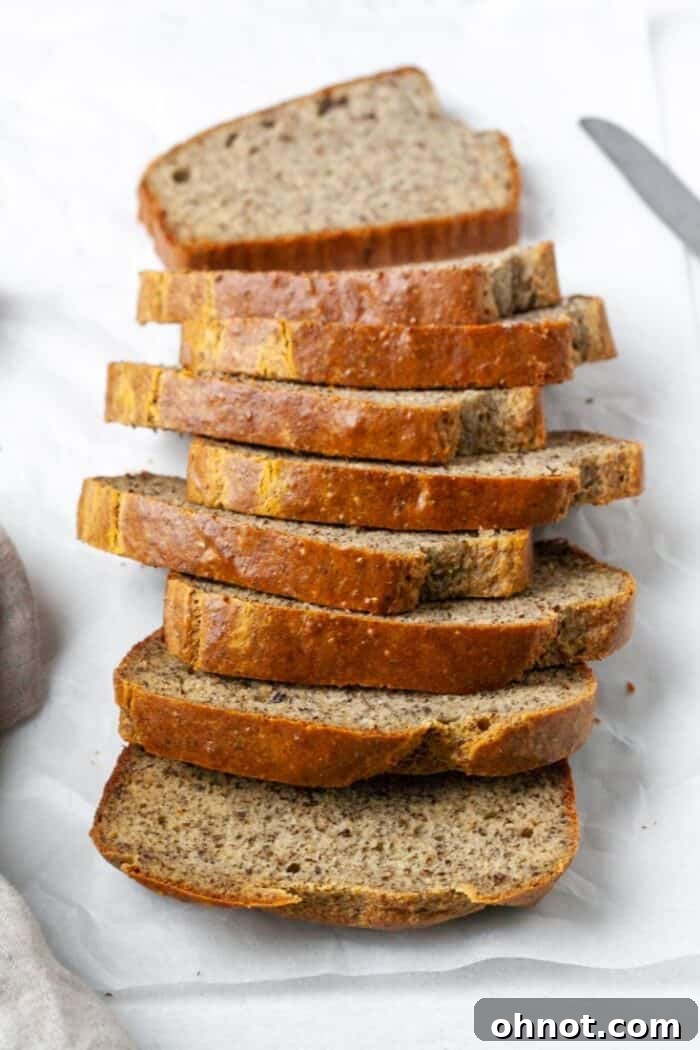
Discover the ultimate easy Paleo bread recipe that’s incredibly simple to make, wonderfully versatile, and boasts a soft, fluffy texture! This grain-free, gluten-free, and dairy-free bread is perfect for a variety of uses, from classic toast and hearty sandwiches to delicious French toast. Prepared entirely in a blender, this recipe takes the complexity out of Paleo baking, delivering golden perfection with minimal effort. Say goodbye to store-bought alternatives and hello to fresh, homemade goodness that aligns with your dietary needs.
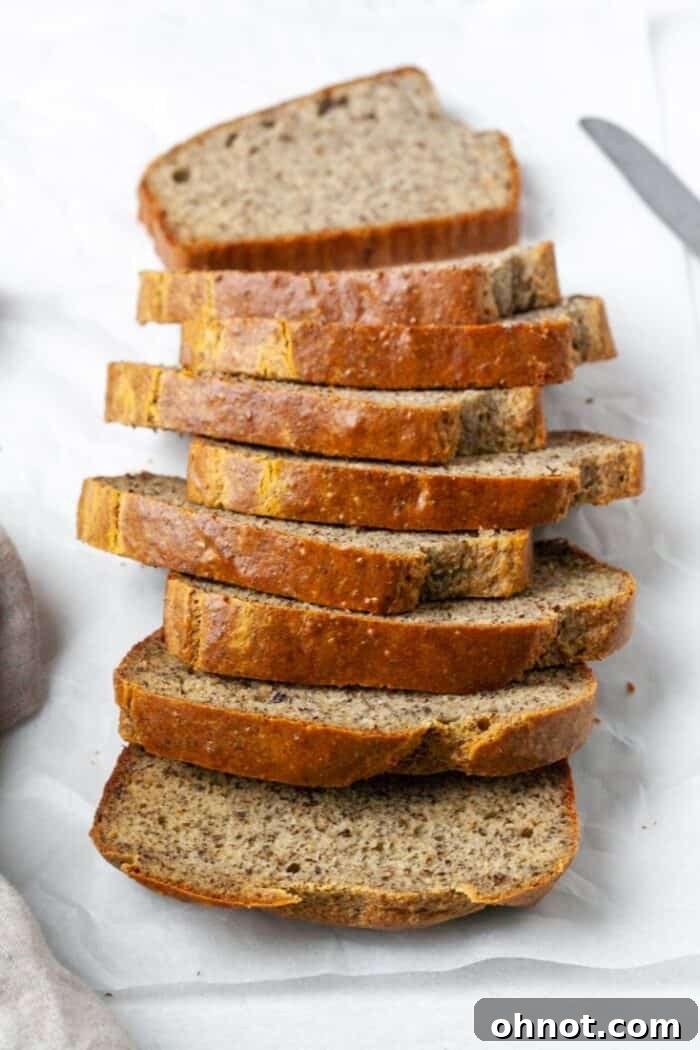
This post is sponsored by Bona Furtuna, a brand dedicated to quality ingredients. We appreciate their support in bringing delicious and healthy recipes to you.
Why You’ll Adore This Blender Paleo Bread Recipe
If you’re searching for a reliable and delicious Paleo bread, look no further! This recipe stands out for many reasons, making it a staple for anyone following a grain-free, gluten-free, or dairy-free lifestyle. Here’s why this homemade Paleo bread will become your new favorite:
- Effortless Preparation: Forget about kneading dough or complex mixing techniques. This Paleo bread recipe is a true marvel because all ingredients come together seamlessly in a blender or food processor, making it incredibly quick and easy to prepare.
- Remarkably Soft and Fluffy: Achieving a soft and airy texture in grain-free baking can be a challenge, but this recipe delivers! You’ll be amazed by its authentic bread-like consistency, perfect for satisfying your cravings without compromise.
- Incredibly Versatile: This isn’t just a simple loaf; it’s a foundation for countless meals. It serves beautifully as sandwich bread, holds up perfectly for classic toast, and transforms into an amazing base for a wholesome Gluten-Free French Toast.
- Yeast-Free and Sugar-Free: Unlike many traditional bread recipes that rely on yeast for leavening and sugar for flavor, this Paleo bread is naturally leavened and subtly sweetened, making it a healthier choice without sacrificing taste.
- No Bread Machine Required: You don’t need any specialized equipment to bake this loaf. A standard oven and a loaf pan are all it takes to create this delicious, wholesome bread right in your own kitchen.
- Quick and Convenient: There’s no lengthy proofing or rising time involved with this recipe. Simply blend your ingredients, pour into a pan, and bake! It’s perfect for busy schedules when you need a healthy bread option in a pinch.
- Diet-Friendly: This recipe adheres to multiple dietary guidelines, being completely Paleo, grain-free, gluten-free, dairy-free, and refined sugar-free. It’s a fantastic choice for those with sensitivities or specific health goals.
- Perfect Canvas for Spreads: Enjoy it plain or elevate it with your favorite toppings. It pairs wonderfully with homemade spreads like our Whole30 Almond Butter or creamy Macadamia Butter. For a low-carb alternative, be sure to try our Keto Bread recipe!
Essential Ingredients & Smart Substitutions for Paleo Baking
Crafting delicious and healthy Paleo bread relies on a thoughtful selection of ingredients. Each component plays a crucial role in achieving the desired texture, flavor, and dietary compliance. Here’s a closer look at what you’ll need and potential alternatives:
Almond Flour: As a cornerstone of Paleo baking, almond flour provides a slightly nutty flavor and a hearty, dense crumb. It’s rich in protein and healthy fats, making it an excellent gluten-free and grain-free alternative to wheat flour. While there’s no perfect one-to-one substitute that will yield the exact same results, if you’re exploring other gluten-free bread options, almond flour is also fantastic in our Gluten-Free Bread recipe. Always opt for super-fine blanched almond flour for the best texture.
Tapioca Flour: This ingredient is key for introducing a desirable chewy texture to our grain-free bread, preventing it from becoming too crumbly. It acts as a binder and helps with elasticity. If tapioca flour is unavailable, arrowroot powder is a direct Paleo-friendly substitute, offering similar binding properties. Avoid cornstarch as it is not Paleo compliant.
Ground Flaxseed: More than just a textural enhancer, ground flaxseed is a nutritional powerhouse. It’s lauded for its high content of omega-3 fatty acids, dietary fiber, and lignans, which contribute to its superfood status. In this recipe, it helps create structure and adds a subtle, earthy flavor, making the bread more substantial and satisfying.
Eggs: Six large eggs are essential for this quick bread. They are vital for providing structure, moisture, and contributing significantly to the soft, fluffy texture we’re aiming for. In Paleo baking, eggs often serve as a primary binder and leavening agent. It’s crucial not to substitute eggs with flax eggs, chia eggs, or other vegan egg replacements in this particular recipe, as they will not achieve the same structural integrity and fluffiness.
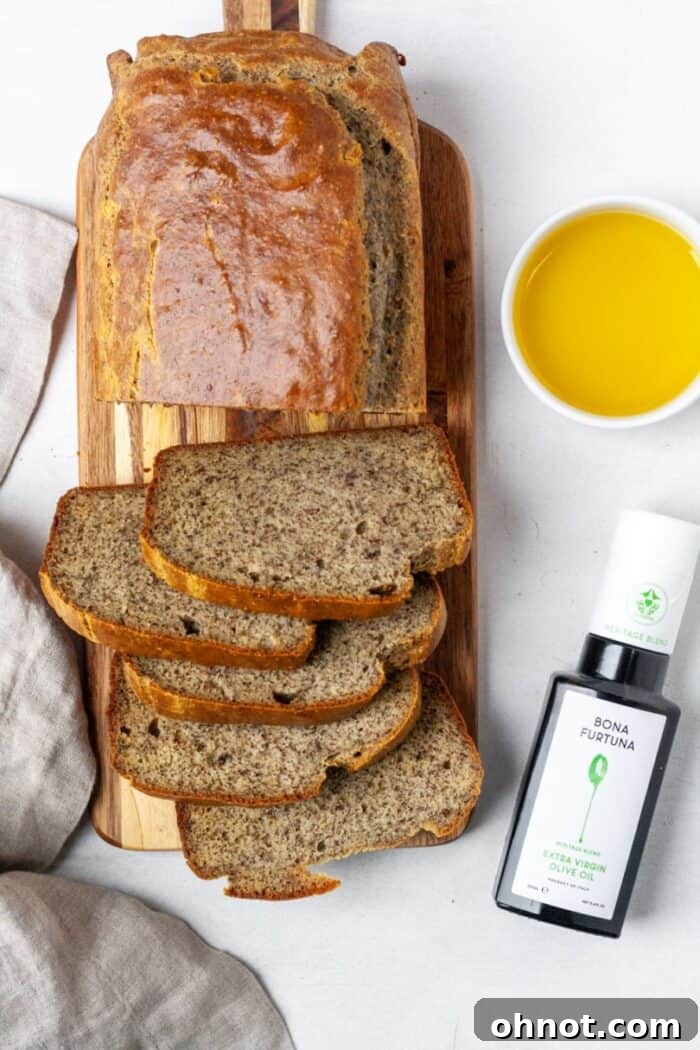
Olive Oil: High-quality olive oil imparts a wonderful depth of flavor and helps to thin out the batter slightly, ensuring a smooth blend. It also contributes healthy monounsaturated fats. If needed, avocado oil can be used as a neutral-flavored substitute. For the best flavor and quality, I highly recommend using Bona Furtuna olive oil, known for its exceptional taste and purity.
Room Temperature Coconut Oil: Coconut oil is another excellent baking fat in Paleo recipes. It’s important to use coconut oil that is solid but soft enough to blend easily, avoiding both cold, hard, or fully melted states. Refined coconut oil offers a neutral flavor profile, while unrefined (virgin) coconut oil will impart a subtle coconut essence. Choose based on your preference for flavor.
Honey: A touch of honey provides a natural, subtle sweetness to balance the savory notes of the bread. While the amount is minimal, it contributes significantly to the overall flavor complexity. Maple syrup or date syrup are suitable Paleo-friendly substitutes if you prefer. Leaving out the sweetener entirely would result in a very savory loaf, so it’s recommended to include one of these natural options.
Apple Cider Vinegar: This ingredient is crucial for leavening. Apple cider vinegar reacts with baking soda to create carbon dioxide bubbles, which are responsible for helping the bread rise and achieve its light, airy structure. Unlike some Paleo baked goods that are denser, the goal here is a substantial rise, and this acid-base reaction is key.
Baking Soda: Working in tandem with apple cider vinegar, baking soda is our primary leavening agent. This chemical reaction is what gives our grain-free bread its impressive lift and spongy texture, ensuring it’s not too dense.
Sea Salt: Just a dash of sea salt enhances all the other flavors, bringing out the subtle sweetness and nuttiness of the ingredients, and preventing the bread from tasting bland.
Exploring the Taste & Texture Profile of This Paleo Bread
One of the most impressive aspects of this gluten-free, dairy-free bread is its ability to mimic the satisfying qualities of traditional bread, despite being completely grain-free. Here’s what you can expect:
- Rich and Hearty Flavor: This bread offers a robust, slightly nutty, and subtly savory flavor profile. The almond flour provides a foundational nuttiness, while the ground flaxseed adds a distinct, wholesome earthiness that comes through beautifully. The hint of honey balances these flavors without making the bread overly sweet, ensuring it can pair with both sweet and savory toppings.
- Soft and Fluffy Texture: The star of the show is undeniably its texture. You’ll be pleasantly surprised by how soft and fluffy each slice is. Thanks to the carefully balanced blend of ingredients and the leavening action, this bread achieves a wonderfully spongy, airy crumb that yields with each bite. It has a delightful chewiness, much like regular wheat-based bread, making it incredibly satisfying for sandwiches and toast. It avoids the common pitfall of many grain-free breads that tend to be dense, dry, or crumbly.
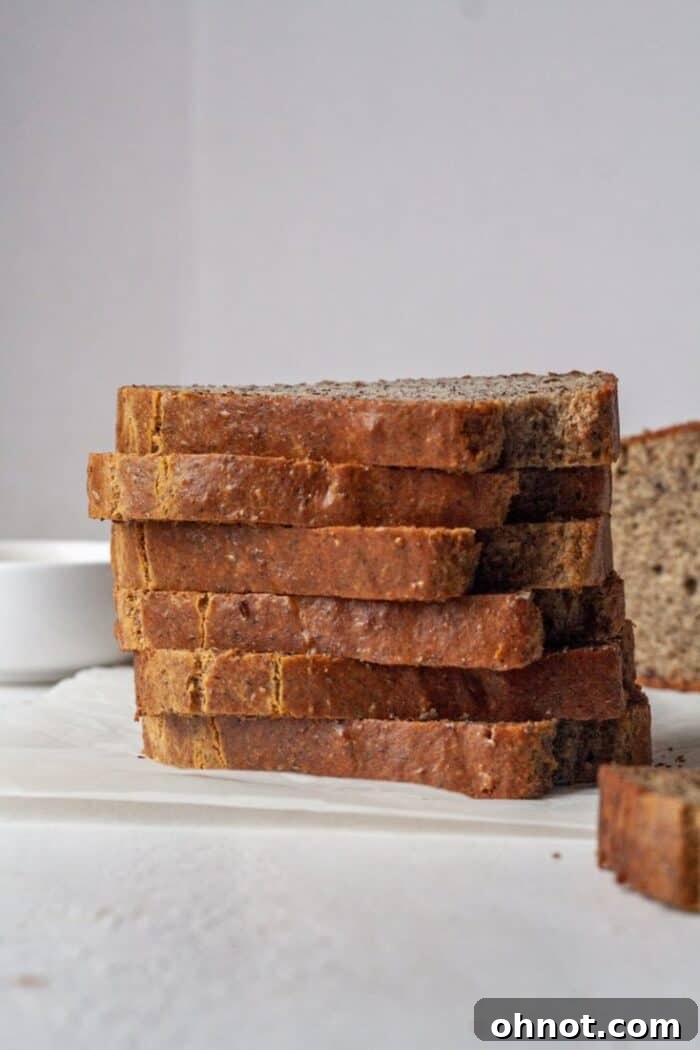
Mastering Paleo Baking: Tips for Success
Paleo baking can often feel like a delicate art. Without the gluten found in traditional flours, achieving the perfect structure, moisture, and rise can be challenging. Many Paleo baked goods can turn out dry, dense, or crumbly if the ingredients aren’t balanced just right. However, with the right approach and ingredient choices, you can create truly exceptional grain-free treats.
This grain-free bread recipe exemplifies successful Paleo baking by strategically combining flours and other binders. The magic lies in the synergy of different Paleo-friendly ingredients:
- The Power of Multiple Flours: Instead of relying on a single grain-free flour, this recipe utilizes both almond flour and tapioca flour. Almond flour contributes a rich, nutty flavor and a tender crumb, while tapioca flour is essential for adding a much-needed chewiness and elasticity, preventing the bread from being overly brittle. This blend creates a harmonious texture that mimics conventional bread more closely.
- Structural Support from Flaxseeds: The addition of ground flaxseeds is not just for nutrition; it provides crucial substance and binding power. Unlike some delicate Paleo desserts, bread needs to be robust enough to hold up to slicing, toasting, and supporting various toppings and sandwich fillings. Flaxseeds help create this necessary structural integrity.
- Eggs for Lift and Moisture: One of the biggest challenges in Paleo baking is preventing dry and bland results. The generous use of six eggs in this recipe is paramount. Eggs act as a primary binder, provide essential moisture, and contribute significantly to the leavening process, ensuring a final product that is wonderfully soft, fluffy, and never dry. They are key to achieving that desirable rise and airy texture.
By understanding these fundamental principles and how each ingredient functions, you’re well on your way to mastering Paleo baking and consistently producing delicious, satisfying results like this fantastic grain-free bread.
Step-by-Step Guide to Baking Your Easy Paleo Bread
Step 1: Prepare Your Pan and Preheat the Oven
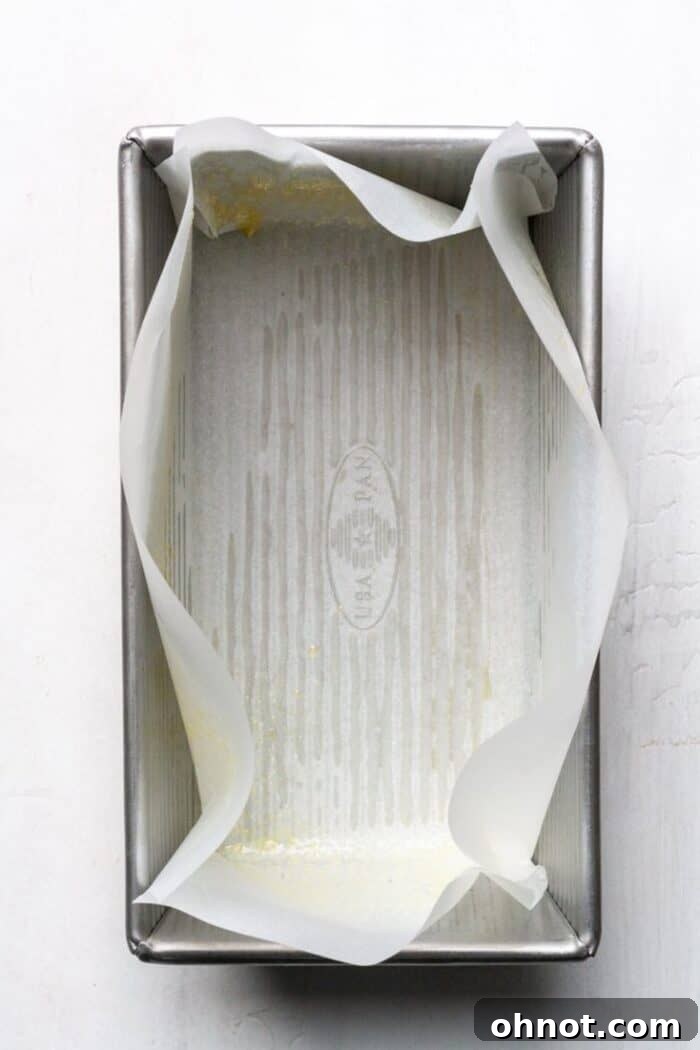
Begin by preheating your oven to 350 degrees Fahrenheit (175 degrees Celsius). This ensures the oven is at the correct temperature when your batter is ready, promoting an even bake. Next, prepare a 9-inch by 5-inch loaf pan. Line it thoroughly with parchment paper, ensuring the paper extends over the edges of the pan. This overhang will act as a sling, making it much easier to remove the bread after baking. Lightly spray the inside of the parchment-lined pan with a nonstick cooking spray for extra insurance.
Step 2: Blend All Ingredients
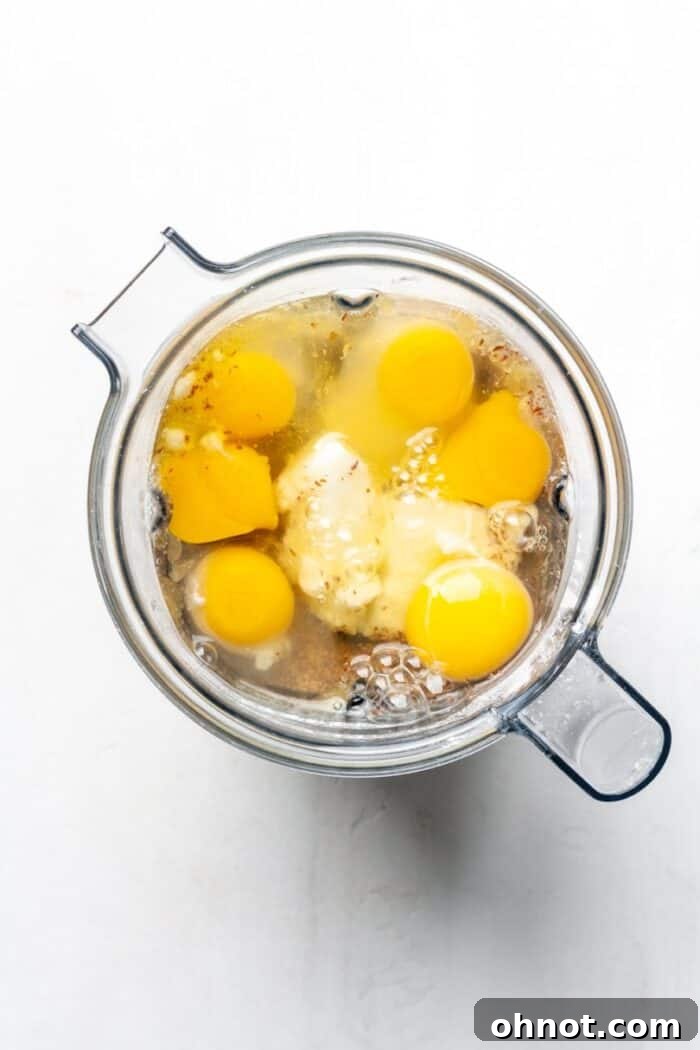
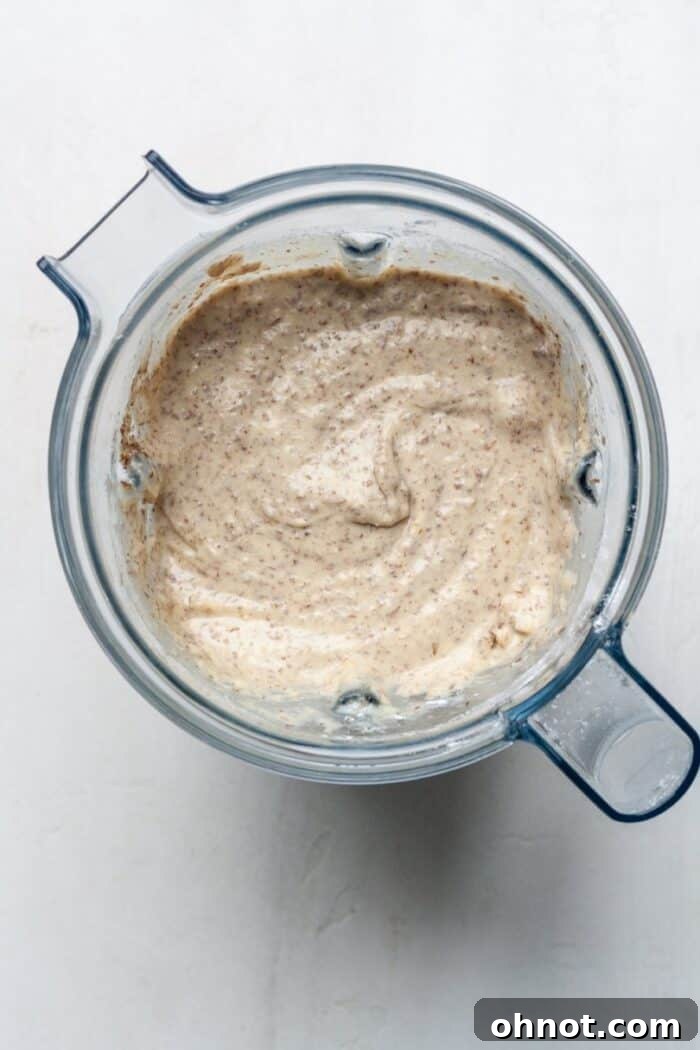
Add all of the measured ingredients into a high-powered blender or food processor. This includes the almond flour, tapioca flour, ground flaxseed, eggs, olive oil, room temperature coconut oil, honey, apple cider vinegar, baking soda, and a dash of sea salt. Blend on high speed until all ingredients are completely mixed and the batter is smooth. The batter will be noticeably thick, which is normal for grain-free breads. If necessary, stop the blender, use a spatula to scrape down the sides of the pitcher, and then continue blending to ensure everything is thoroughly incorporated.
Step 3: Pour into the Loaf Pan
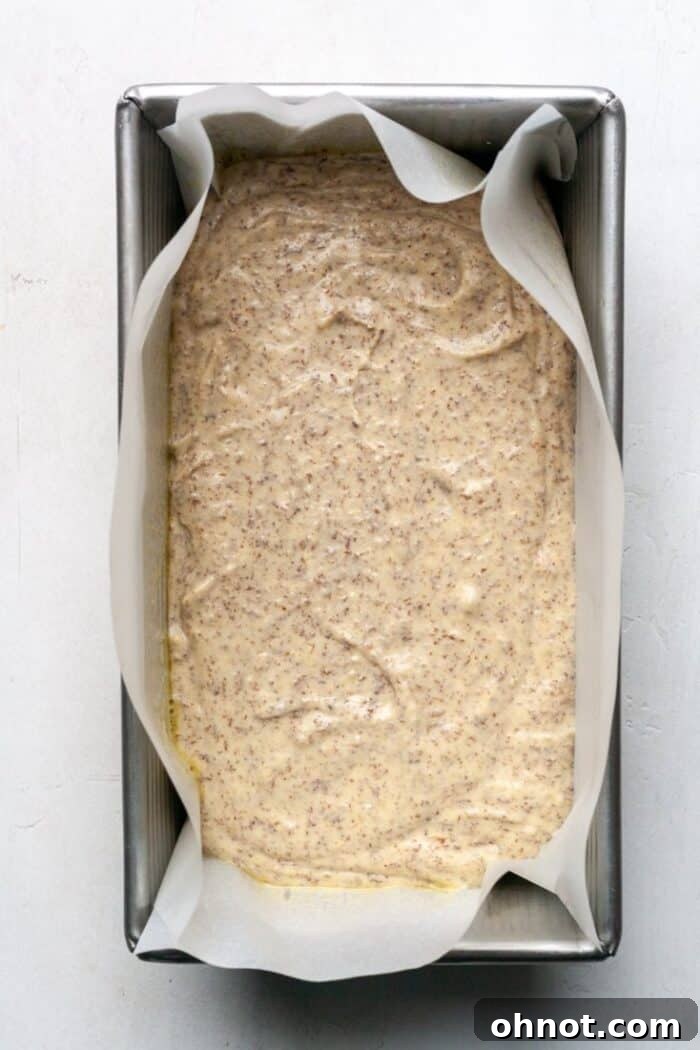
Once the batter is smooth and uniformly blended, carefully pour it into the prepared loaf pan. Use a spatula to spread the thick batter evenly across the bottom of the pan, ensuring there are no air pockets and the top is relatively flat for an even rise.
Step 4: Bake to Golden Perfection
Place the uncovered loaf pan into the preheated oven. Bake for approximately 38 to 40 minutes. The bread is done when the top is a beautiful golden brown, and a wooden skewer or toothpick inserted into the center comes out completely clean. This indicates that the interior is fully cooked and set.
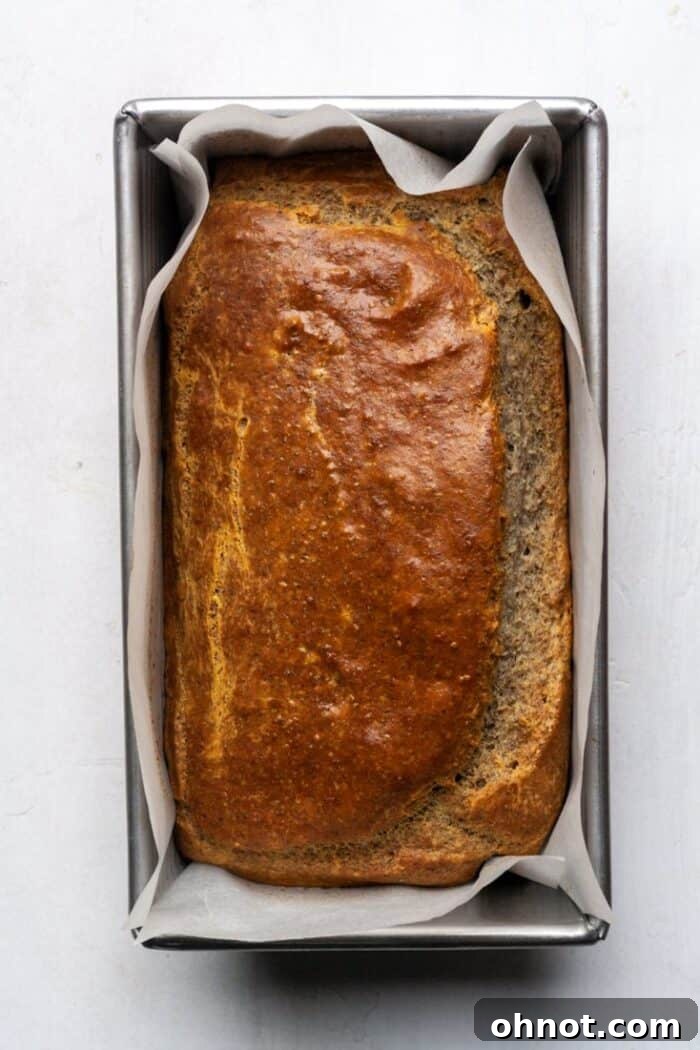
Step 5: Cool in Stages
After baking, remove the bread from the oven. Allow it to cool in the loaf pan for at least 30 minutes. This initial cooling period allows the bread to set and firm up further. After 30 minutes, carefully use the parchment paper overhang to lift the bread out of the pan. Place it on a wire cooling rack and let it cool completely for another 30 minutes to an hour. This extended cooling time is crucial for developing the perfect texture and making it easier to slice without crumbling.
Step 6: Slice and Savor
Once the bread has fully cooled, it’s ready to be sliced and served! Enjoy it as is, toast it, or use it as a base for your favorite sandwiches and spreads.
Expert Tips & Tricks for the Best Paleo Bread
Achieving the perfect loaf of Paleo bread is easy with a few insider tips. Pay attention to these details to ensure your grain-free, dairy-free bread comes out soft, fluffy, and delicious every time:
- Parchment Paper is Your Best Friend: Always use a piece of parchment paper that is large enough to overhang generously over the edges of your loaf pan. This creates convenient “handles” that allow you to easily lift the fully baked bread out of the pan without sticking or breakage. Additionally, a light spray of nonstick cooking spray on the parchment paper and pan provides extra insurance against sticking.
- Achieve a Smooth Batter: The batter for this bread is thick, which is normal for grain-free recipes. When blending, it’s often necessary to stop your blender or food processor once or twice to scrape down the sides. This ensures all the ingredients, especially the flours, are thoroughly incorporated and there are no dry pockets or unmixed bits. A high-powered blender like a Vitamix (as used in the original recipe) can handle the thick batter well, but even with one, scraping is often key for a uniform mix.
- Patience During Cooling: It can be incredibly tempting to slice into a warm loaf of fresh bread immediately, but resist the urge! Allowing the Paleo bread to cool completely is critical for its final texture. Warm bread is much more prone to crumbling and can feel gummy. A full cooling period allows the internal structure to set properly, resulting in a perfectly soft, fluffy, and easily sliceable loaf.
- Toasting Perfection: This Paleo bread toasts beautifully, developing a slight crispness on the outside while remaining tender inside. It’s fantastic whether you use a conventional toaster or an air fryer. For crisp, golden results, check out tips for making Air Fryer Toast.
- Ingredient Quality Matters: Since this recipe uses a relatively short list of ingredients, the quality of each component truly shines through. Opt for fresh eggs, high-quality almond flour, and a good extra virgin olive oil, like the one from Bona Furtuna, to elevate the flavor and nutritional profile of your bread.
How to Serve & Store Your Homemade Paleo Bread
Once your delicious grain-free bread has cooled to perfection, it’s ready to be enjoyed in a multitude of ways. Its versatile flavor and satisfying texture make it a fantastic base for both sweet and savory dishes:
- Versatile Serving Suggestions:
- Classic Sandwiches: Make wholesome almond butter and jelly sandwiches, or opt for savory fillings.
- Hearty Toast: Enjoy it toasted with a spread of ghee, avocado, or your favorite nut butter.
- French Toast Base: Its fluffy texture makes it an ideal candidate for creating delectable French toast.
- Savory Pairings: This bread pairs exceptionally well with savory fillings like Whole30 Egg Salad or a flavorful Whole30 Chicken Salad. It also makes a great side for soups and stews.
- Breakfast Treat: Slice it thick and top with fresh berries and a drizzle of maple syrup for a delightful breakfast.
- Storage Guidelines:
- Room Temperature: To maintain freshness, store your Paleo bread in an airtight container at room temperature for up to 3 days. Ensure it’s completely cool before storing to prevent condensation.
- Refrigeration: For a longer shelf life, transfer the bread to an airtight container and store it in the refrigerator for up to 5 days. This is particularly useful in warmer climates or if you don’t plan to consume it quickly.
- Freezing for Longevity: This bread freezes exceptionally well, making it perfect for meal prep. To freeze, slice the cooled loaf into individual portions. Wrap each slice tightly in plastic wrap, then place them in a freezer-safe bag or container. It can be frozen for up to 1 month. Thaw individual slices at room temperature or gently toast them from frozen for a quick meal.
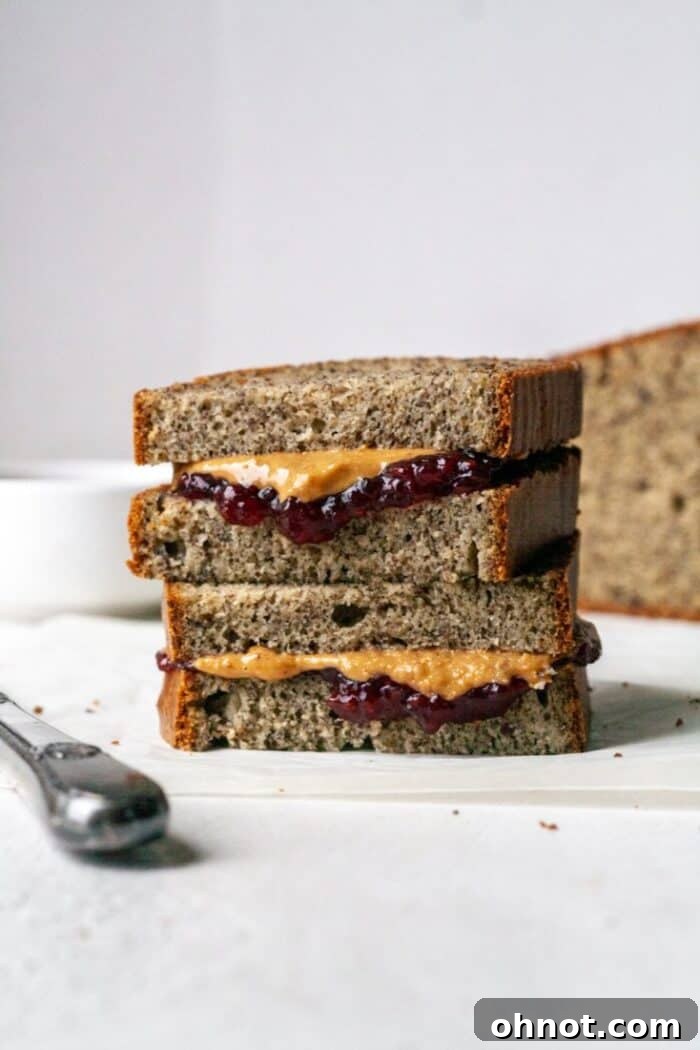
Top Store-Bought Paleo Bread Brands
While making your own Paleo bread is incredibly rewarding, there are also excellent store-bought options available for convenience. These brands have perfected grain-free formulations, making it easier than ever to adhere to a Paleo diet without compromising on quality or taste. Here are some highly recommended Paleo bread brands you can find on the market:
- Base Culture: Their sandwich bread is a fantastic option and often lauded for its great texture and flavor. It’s a reliable choice for those looking for a ready-to-eat Paleo loaf that holds up well for sandwiches and toast. Their commitment to clean ingredients makes them a favorite in the Paleo community.
- Julian Bakery: Julian Bakery offers a diverse range of Paleo-friendly products, including excellent bread made with almond flour. Their commitment to using high-quality, grain-free ingredients ensures a delicious and compliant option for your dietary needs. Look for their “Paleo Bread” line which is specifically formulated to be grain and gluten-free.
- Mikey’s: Mikey’s is another brand producing great Paleo options. While I haven’t personally tried their Paleo bread yet, I’m a big fan of their Paleo tortillas, which are consistently good. This suggests their bread products are likely to be of similar high quality and taste, offering a soft and adaptable texture for various uses.
- Simple Mills: Simple Mills is well-regarded for its baking mixes, and their almond flour bread mix is no exception. This mix makes it incredibly easy to whip up a fresh loaf at home with minimal effort. All of their products are known for their clean ingredient lists and excellent results, making them a trusted name in healthy baking.
When choosing a store-bought Paleo bread, always check the ingredient list to ensure it aligns with your specific dietary requirements and preferences, as formulations can vary between brands.
Creative Variations & Delicious Add-Ins for Your Paleo Bread
This easy Paleo bread recipe serves as a fantastic base, but it’s also incredibly adaptable. You can easily customize it with various add-ins to suit your taste preferences, transforming it from a simple loaf into something truly unique. Consider these delicious additions to the batter before baking:
For a Sweeter Loaf:
If you’re craving a subtly sweet bread that’s perfect for breakfast or dessert, try incorporating these elements:
- Dash of Cinnamon: A teaspoon of ground cinnamon can add a warm, inviting spice that complements the natural sweetness of the honey.
- Extra Sweetness: Increase the honey by an additional tablespoon or two, or use maple syrup or date syrup for a richer, more pronounced sweet flavor.
- Coconut Sugar: A dash (1-2 tablespoons) of coconut sugar can enhance the sweetness and provide a lovely caramel note, while remaining Paleo-friendly.
- Dried Fruits: Fold in a handful of finely chopped dried cranberries, raisins, or dates for bursts of fruity sweetness. Ensure they are unsweetened and Paleo-compliant.
- Chocolate Chips: For a more indulgent treat, mix in about half a cup of Paleo-friendly dark chocolate chips or chopped chocolate.
For Savory Options:
If you prefer a savory bread that pairs well with meals or spreads, these additions will elevate its flavor profile:
- Garlic Powder: Add a teaspoon of garlic powder to infuse the bread with a classic savory aroma and taste.
- Rosemary: A teaspoon of dried rosemary, or finely chopped fresh rosemary, provides an aromatic, earthy note that’s wonderful with savory dishes.
- Onion Powder: A dash (about half a teaspoon) of onion powder can add a subtle umami depth.
- Herbs de Provence: A blend of savory herbs like thyme, marjoram, and oregano can transform the bread into a Mediterranean-inspired delight.
- Everything Bagel Seasoning: Sprinkle a generous amount of everything bagel seasoning on top of the batter before baking for a flavorful crust.
- Make it Garlic Bread: For a truly irresistible savory treat, consider turning a baked slice into Garlic Bread by toasting and spreading with garlic-infused olive oil and herbs.
Feel free to experiment with combinations of these add-ins. Just remember that adding too many wet ingredients might alter the batter consistency, so it’s best to stick to small amounts of dry additions.
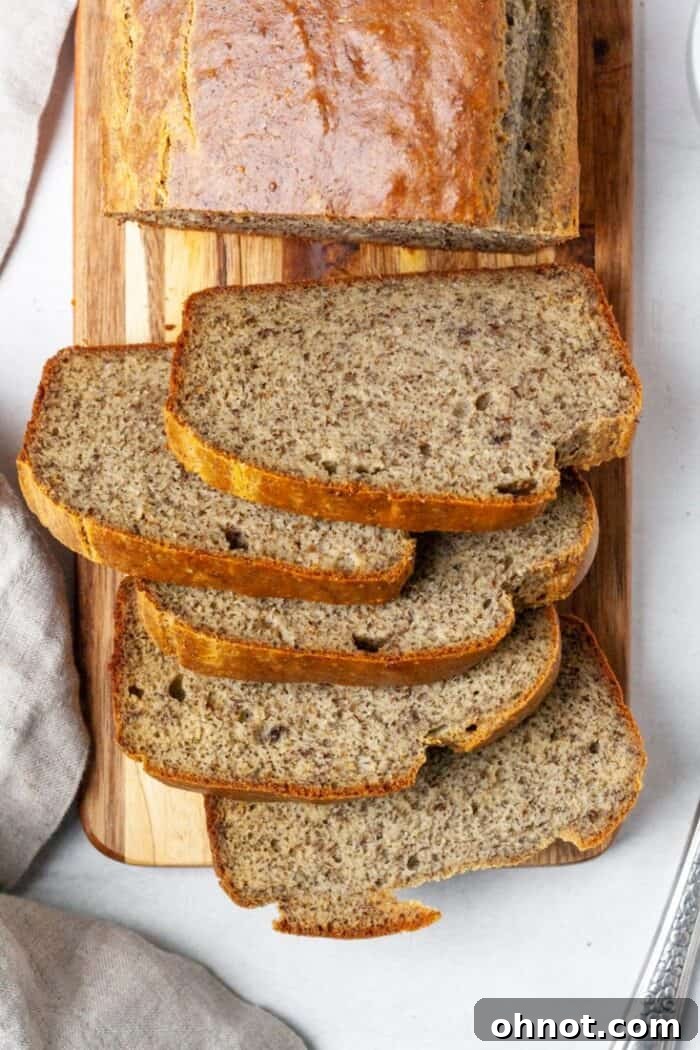
Frequently Asked Questions About Paleo Bread
This particular Paleo bread recipe is not Keto-friendly. While it’s grain-free, both tapioca flour and honey contribute a higher carbohydrate content than typically allowed on a strict ketogenic diet. If you’re looking for a Keto-compliant bread, you’ll need a recipe specifically formulated to minimize net carbs, often relying heavily on almond flour, coconut flour, and alternative sweeteners. Please refer to our Keto Bread recipe for a low-carb option.
On a Paleo diet, you can enjoy breads made from grain-free flours such as almond flour, coconut flour, tapioca flour, and cassava flour. These breads are free from grains, gluten, and often dairy and refined sugars. Finding pre-made Paleo bread in standard grocery stores can be challenging, but there are several excellent options available online, especially on Amazon, which are linked in the “Paleo Bread Brands” section above. Always check ingredient labels carefully to ensure compliance.
Paleo bread is primarily made from a blend of nutrient-dense, grain-free flours. This recipe, for example, uses a combination of almond flour for its rich flavor and protein content, and tapioca flour for chewiness and structure. Other common Paleo flours include coconut flour, which is highly absorbent and contributes fiber, and cassava flour, which has a texture similar to wheat flour and is great for a variety of baked goods. We’d love to experiment with a cassava flour bread soon!
Yes, you can have bread on a Paleo diet, provided it is grain-free and gluten-free. The Paleo lifestyle focuses on foods that would have been available to our Stone Age ancestors, which excludes grains like wheat, barley, and rye. Therefore, any “bread” consumed must be made from alternative flours that are compliant with Paleo principles.
Absolutely! This Paleo bread toasts beautifully. It develops a lovely crisp exterior while maintaining its soft interior, making it ideal for everything from buttered toast to avocado toast. You can use a traditional toaster, a toaster oven, or even an air fryer for perfect results.
Apple cider vinegar plays a vital role as an acidic component in this recipe. It reacts chemically with the baking soda (a base) to produce carbon dioxide gas. These gas bubbles are trapped within the batter, causing the bread to rise significantly during baking. This reaction is crucial for achieving a light, airy, and fluffy texture, which can be challenging in grain-free baking that lacks the gluten structure of traditional flours.
Yes, you can certainly add various seeds or chopped nuts to this Paleo bread batter for extra texture and nutrition. Chia seeds, sunflower seeds, pumpkin seeds, or even chopped walnuts or pecans would make excellent additions. Start with about ¼ to ½ cup and gently fold them into the blended batter before pouring it into the loaf pan.
You May Also Enjoy These Related Paleo Recipes
- Paleo Chocolate Chip Banana Bread
- Paleo Strawberry Banana Bread Recipe
- Gluten Free Chocolate Zucchini Bread (Paleo)
- Cassava Flour Banana Bread
- Paleo Double Chocolate Banana Bread
Easy Paleo Bread (Grain Free, Dairy Free)
This easy Paleo bread is great for sandwiches, toast, and any meal of the day. This grain-free bread is made in a blender. It is easy, healthy, and delicious, boasting a perfect soft and fluffy texture!
- Prep Time: 15 mins
- Cook Time: 40 mins
- Resting Time: 1 hr
- Total Time: 1 hr 55 mins
- Servings: 12 slices
Ingredients
- 1 ½ cups almond flour (recommended brand)
- 1 ⅛ cups tapioca flour (recommended brand)
- ¾ cup ground flaxseed (recommended brand)
- 6 eggs
- ¼ cup extra virgin olive oil (Bona Furtuna recommended)
- ¼ cup coconut oil, room temperature (recommended brand)
- 2 tbsp honey (recommended brand)
- 2 tsp apple cider vinegar (recommended brand)
- 3 tsp baking soda (recommended brand)
- Dash sea salt, optional (Bona Furtuna recommended)
Instructions
- First, preheat oven to 350 degrees Fahrenheit (175°C). Line a 9 inch by 5 inch loaf pan with parchment paper, ensuring the paper hangs over the edges. Lightly spray the inside of the lined pan with nonstick spray.
- Add all ingredients to a blender or food processor. Blend until completely mixed and smooth. The batter will be thick. If needed, stop and scrape down the sides of the blender occasionally to ensure full incorporation, then continue blending.
- Once completely blended, pour the batter into the lined loaf pan. Use a spatula to spread it into one even layer.
- Bake uncovered for 38 to 40 minutes, or until the top of the bread is golden brown and a toothpick inserted into the middle comes out clean.
- Finally, remove the bread from the oven. Allow the bread to cool for 30 minutes in the pan. Then, carefully remove the bread from the pan using the parchment paper overhang and allow it to cool for another 30 minutes to an hour on a wire rack before slicing and serving.
Notes
- Always use a piece of parchment paper large enough to hang over the edges of the pan. This makes it significantly easier to get the bread out of the pan after baking without sticking.
- Ensure your coconut oil is at room temperature. It should be solid but soft, not cold and hard, or completely melted.
- While blending, it is crucial to stop and scrape down the sides of your blender if needed. The batter is thick, and ensuring it is completely mixed will prevent dry pockets in your final loaf.
- Do not rush the cooling process! This bread will achieve its perfect soft and fluffy texture only once it has cooled completely. Proper cooling also makes it much easier to slice neatly.
- Store the cooled bread in an airtight container at room temperature for up to 3 days. Alternatively, store it in the refrigerator for up to 5 days to extend its freshness.
- This bread freezes exceptionally well. For best results, wrap each individual slice tightly before freezing. Thaw frozen slices at room temperature or toast directly from frozen for convenience.
Nutrition Information
(Per slice, based on 12 slices)
- Calories: 260 kcal
- Carbohydrates: 19g
- Protein: 5g
- Fat: 20g
- Saturated Fat: 5g
- Polyunsaturated Fat: 3g
- Monounsaturated Fat: 4g
- Sodium: 277mg
- Potassium: 86mg
- Fiber: 4g
- Sugar: 4g
- Vitamin C: 1mg
- Calcium: 55mg
- Iron: 1mg
Author: Addison LaBonte
Course: Breakfast, Main Course
Cuisine: American
If you try this easy Paleo bread recipe, I would truly appreciate your feedback! You can connect with me on Instagram, Facebook, and Pinterest. I’d love for you to follow along for more healthy eating inspiration! For a wider selection of meal ideas, explore our comprehensive collection of Paleo Recipes.
Love this easy Paleo bread and want more healthy meal plans and exclusive recipes delivered straight to your inbox? You can sign up here for our newsletter!