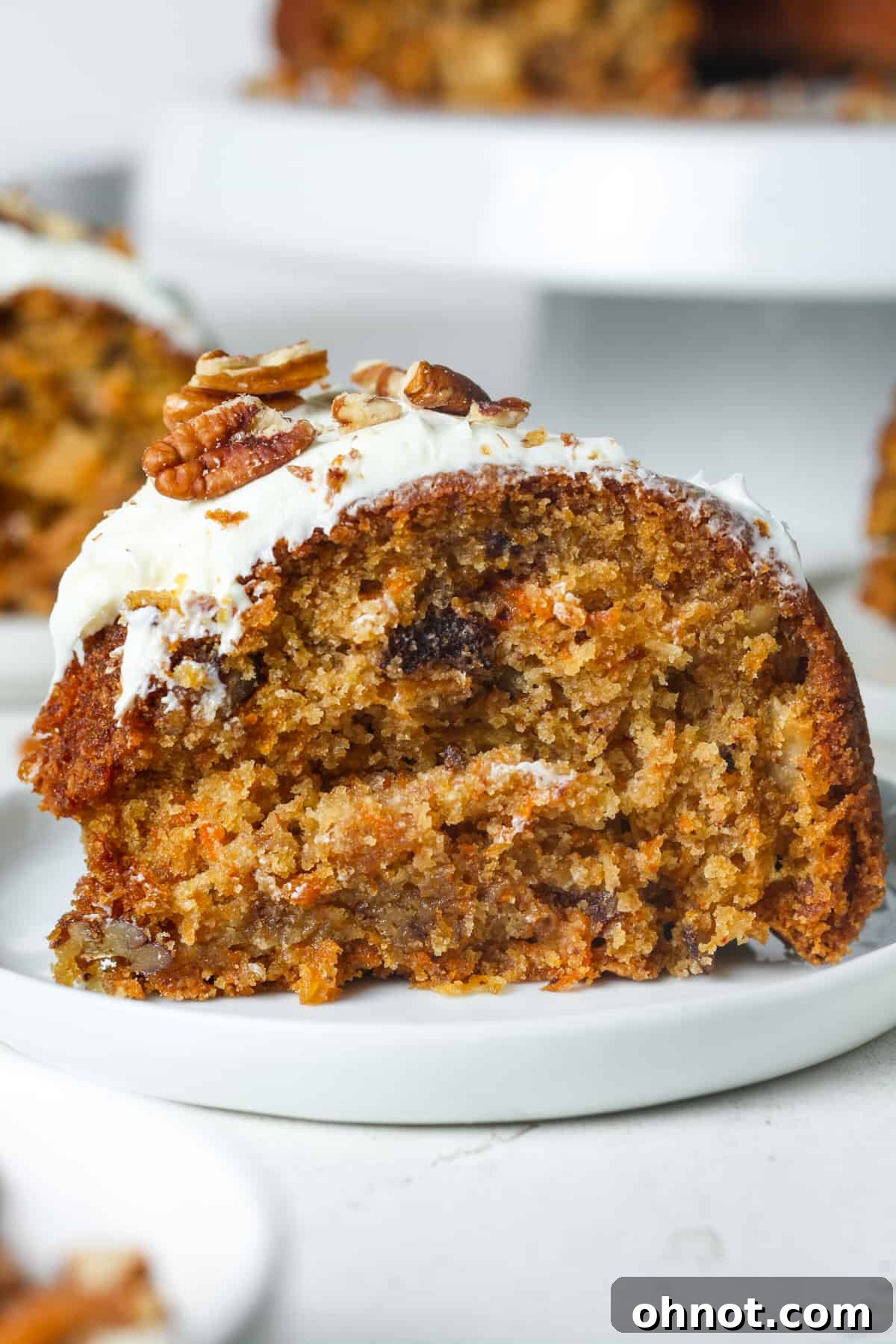
Welcome to the ultimate guide for baking an absolutely sensational Gluten-Free Carrot Cake that tastes anything but gluten-free! This recipe promises a cake that is wonderfully moist, incredibly fluffy, and bursting with warm, classic flavors. Perfect for any celebration, from Easter gatherings and festive Christmas dinners to birthdays and special occasions, this homemade carrot cake is a guaranteed crowd-pleaser that will have everyone asking for a second slice.
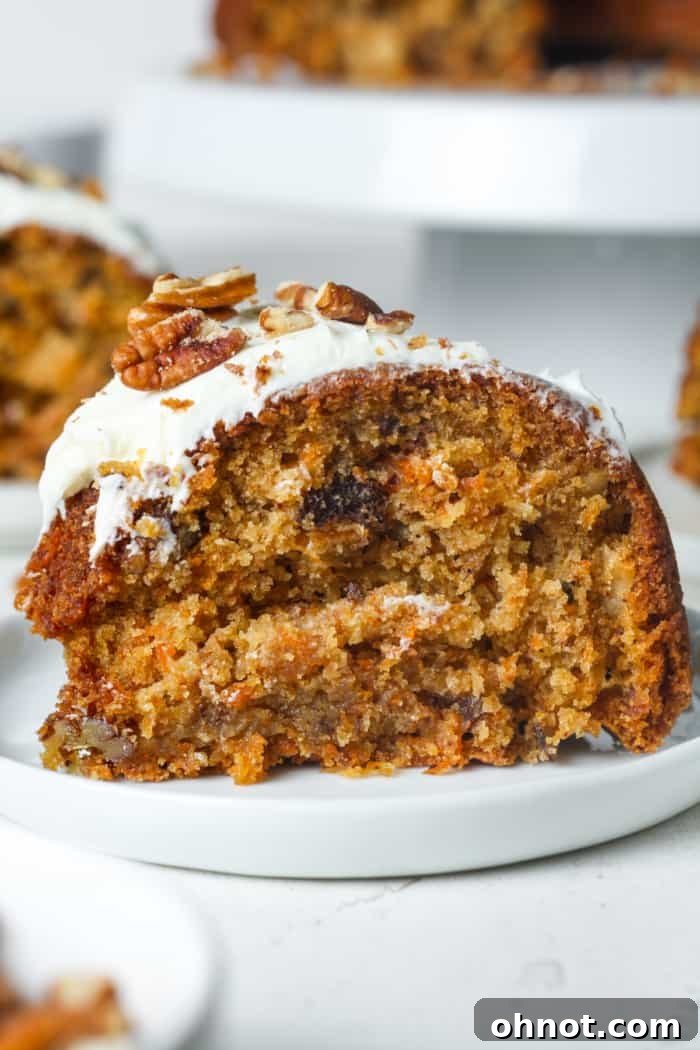
Why You’ll Adore This Gluten-Free Carrot Cake Recipe
There are countless reasons why this easy gluten-free carrot cake will become your new favorite dessert. We’ve meticulously crafted this recipe to ensure it delivers on taste, texture, and ease, making it a stellar choice for both seasoned bakers and beginners alike. Here’s what makes it truly exceptional:
- Unbelievably Soft and Fluffy: Despite being gluten-free, this cake boasts an exquisite light and airy crumb that melts in your mouth, defying all expectations of typical gluten-free baked goods.
- Perfectly Moist Texture: Thanks to a clever blend of ingredients like grated carrots, crushed pineapple, and the right amount of oil, this cake stays incredibly moist for days, ensuring every bite is as delicious as the first.
- Warmly Spiced to Perfection: A harmonious blend of cinnamon and nutmeg infuses this cake with that comforting, aromatic warmth synonymous with classic carrot cake, making it irresistible.
- Naturally Enhanced Flavor and Moisture: Freshly grated carrots not only add beautiful flecks of color but also contribute essential moisture and a subtle, earthy sweetness, truly elevating the cake’s profile. It’s also a fantastic way to subtly incorporate some vegetables into a dessert!
- Versatile Baking Options: Whether you prefer the elegance of a Bundt cake, the classic appeal of round layer cakes, or the simplicity of a sheet cake, this recipe is incredibly adaptable to various pan types.
- Customizable to Your Liking: Feel free to personalize your cake! Add plump raisins for extra chewiness and sweetness, or a sprinkle of shredded coconut for a tropical hint. This recipe is your canvas.
- Ideal for Any Occasion: From grand holiday feasts like Easter and Christmas to intimate birthday celebrations or simply a cozy afternoon treat, this carrot cake fits every scenario beautifully.
- Dietary-Friendly: Specifically designed to be gluten-free, this cake is a wonderful option for individuals with Celiac disease or gluten sensitivities, ensuring no one misses out on this beloved dessert. It truly doesn’t taste “gluten-free,” making it a hit with everyone.
The Irresistible Taste & Texture Profile
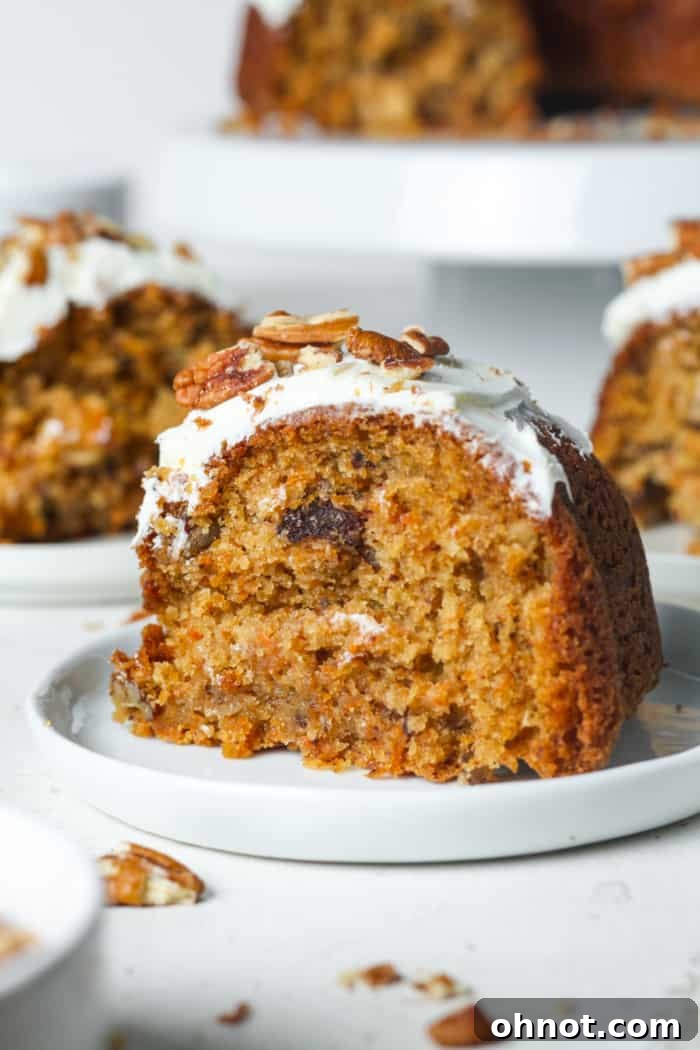
When you take a bite of this moist gluten-free carrot cake, prepare for a delightful sensory experience that perfectly balances tradition with dietary needs. The texture is truly remarkable, offering a moist and tender crumb that is both fluffy and satisfyingly substantial, much like a conventional carrot cake but without the gluten.
The finely grated carrots are integral to this cake’s success, providing more than just their namesake. They contribute a gentle sweetness and keep the cake exceptionally moist, preventing any dryness often associated with gluten-free baking. Complementing this natural sweetness are the comforting, warm spices. Cinnamon and nutmeg are the stars, infusing every bite with a cozy, aromatic profile that is both nostalgic and inviting. These spices are fundamental to the classic carrot cake flavor, and they shine brilliantly here.
For those who appreciate an extra dimension, the addition of chopped pecans introduces a delightful crunch, contrasting beautifully with the soft cake. And, of course, no carrot cake is complete without its signature frosting. Our recommendation, and a truly classic pairing, is a luscious cream cheese frosting. Its smooth, creamy texture and tangy-sweet flavor provide the perfect counterpoint to the cake’s richness, making each forkful an absolute pleasure. This harmonious blend of flavors and textures ensures that this cake is not just a dessert, but a memorable culinary journey.
Essential Ingredients & Smart Substitutions for the Best Gluten-Free Carrot Cake
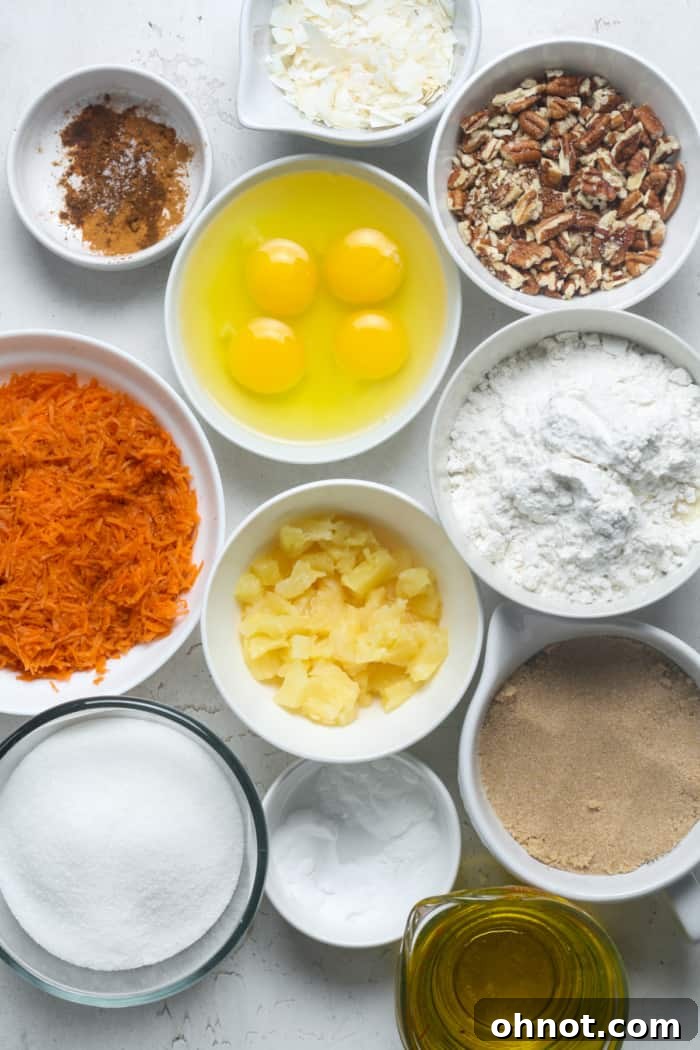
Crafting the perfect homemade gluten-free carrot cake begins with understanding each ingredient’s role. Below are the main components and helpful tips for substitutions to ensure your cake turns out flawlessly. Remember to always consult the full recipe card for precise measurements.
- Gluten-Free 1-to-1 Flour Blend: This is the cornerstone of our gluten-free cake. Brands like King Arthur Flour and Bob’s Red Mill offer excellent 1-to-1 gluten-free flour blends. Crucially, ensure your blend contains xanthan gum, as this is vital for replicating the elasticity and structure normally provided by gluten, resulting in a cohesive and tender crumb. Do not substitute with single-grain gluten-free flours like almond, coconut, or oat flour, as they have different absorption properties and will alter the cake’s texture significantly.
- Leavening Agents (Baking Powder and Baking Soda): These work in tandem to give our cake its beautiful rise and light, fluffy texture. Ensure they are fresh for optimal results. There are no direct substitutions for these in this recipe.
- Warm Spices (Cinnamon and Nutmeg): These aromatic spices are non-negotiable for that authentic, cozy carrot cake flavor. They infuse the cake with warmth and depth. Feel free to adjust the amounts slightly to your preference, or add a pinch of ground ginger or allspice for an even richer spice blend.
- Sweeteners (Light Brown Sugar and Granulated Sugar): The combination of brown sugar (which adds moisture and a caramel note) and granulated sugar provides the perfect balance of sweetness and contributes to the cake’s moistness. We have not tested this recipe with alternative sweeteners like keto sweeteners, so we cannot guarantee results.
- Oil (Avocado, Vegetable, or Canola Oil): Oil is key to achieving a consistently moist cake. Avocado oil is a healthier choice, but standard vegetable or canola oil will work equally well. Avoid using butter, as it can result in a denser cake and requires different mixing techniques.
- Eggs: Four large eggs are essential for structure, binding, and contributing to the cake’s light and fluffy texture. In this specific recipe, eggs are critical and cannot be substituted with chia eggs, flax eggs, or commercial vegan egg replacers, as they will not yield the same structural integrity or lightness.
- Canned Crushed Pineapple: A secret ingredient for incredible moisture and a subtle, tropical sweetness. It also adds a slight tang that complements the spices. It is absolutely crucial to drain the pineapple completely and pat it dry with paper towels to prevent the batter from becoming too watery. If you prefer, pineapple can be omitted, but the cake might be slightly less moist.
- Finely Grated Carrots: The star of the show! Always grate your carrots finely for even distribution and optimal moisture release. After grating, measure out 2 cups and then use paper towels to squeeze out any excess moisture. This step is vital to prevent a soggy cake.
- Chopped Pecans: These add a wonderful nutty flavor and a satisfying crunch. Chop them to your preferred size. If you have a nut allergy or prefer a nut-free cake, feel free to omit them entirely. You can also garnish the finished cake with more chopped pecans.
- Shredded Coconut: Provides a delicate natural sweetness and a lovely chewy texture. If you’re not a fan of coconut, it can be easily omitted without affecting the cake’s structure.
- Cream Cheese Frosting: The classic topping! Use your favorite homemade recipe for a truly fresh flavor, or opt for a good quality store-bought cream cheese frosting for convenience.
Decoding Carrot Cake: A Classic Reimagined
Carrot cake is a beloved dessert, renowned for its distinctly moist crumb and warmly spiced flavor profile, featuring grated carrots as its signature ingredient. It stands as a comforting classic in the world of baking, traditionally celebrated for its cinnamon-infused taste and often adorned with rich cream cheese frosting.
The beauty of carrot cake lies in its versatility and the delightful additions it often incorporates. While grated carrots and spices are foundational, many versions enrich the experience with elements like canned crushed pineapple for extra moisture and tang, shredded coconut for a touch of tropical sweetness, and crunchy pecans or walnuts for textural contrast. These additions contribute to a cake that is both sweet and profoundly flavorful.
The pairing of carrot cake with cream cheese frosting is iconic. The frosting’s creamy, smooth texture and tangy notes provide a perfect balance to the sweet, spiced cake, creating a harmonious and utterly delicious combination that has captivated dessert lovers for generations.
Traditionally, carrot cake is prepared with all-purpose wheat flour. However, our recipe reinterprets this timeless classic, making it entirely gluten-free without compromising on its beloved characteristics. This means that individuals managing Celiac disease or gluten sensitivities can now indulge in a truly authentic and delectable carrot cake experience, proving that dietary restrictions don’t have to limit flavor or enjoyment.
Step-by-Step Guide to Baking Perfection
Follow these detailed steps to create your perfect gluten-free carrot cake:
Step 1: Prepare Your Oven and Pan
Begin by preheating your oven to 350 degrees Fahrenheit (175 degrees Celsius). Select your preferred baking pan – a 10-cup Bundt pan or two 9-inch round cake pans work beautifully for this recipe. Generously spray the chosen pan(s) with a high-quality nonstick baking spray, ensuring all crevices are coated. For an extra layer of nonstick protection, lightly dust the greased pan(s) with gluten-free flour, tapping out any excess. This crucial step prevents the cake from sticking and ensures easy release.
Step 2: Combine Dry Ingredients
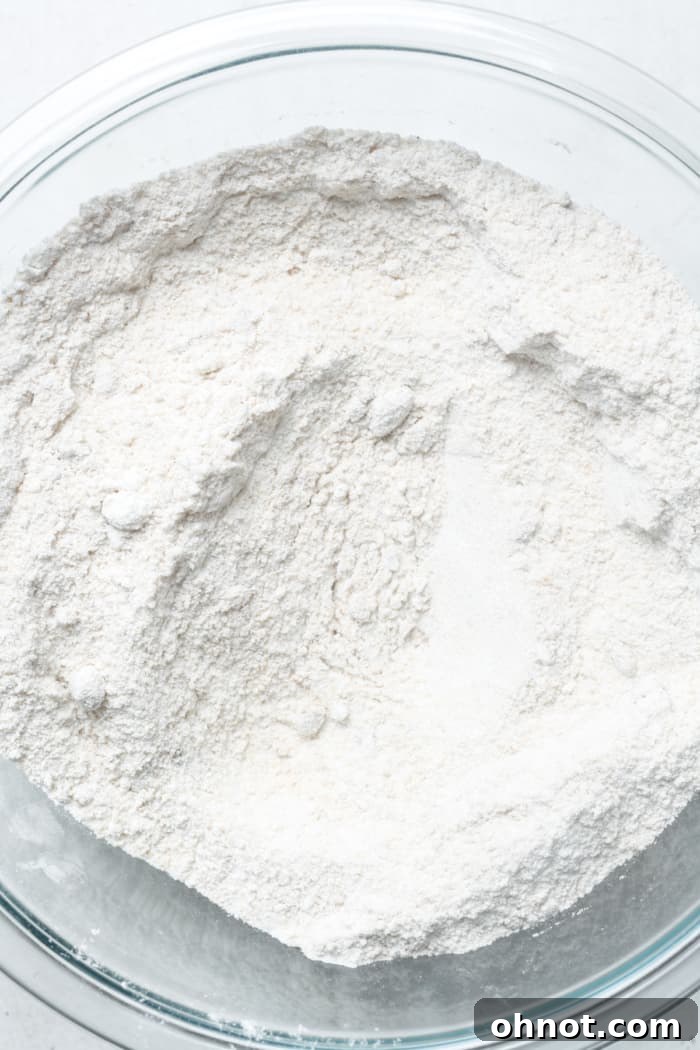
In a large mixing bowl, whisk together the gluten-free 1-to-1 flour, baking powder, baking soda, cinnamon, nutmeg, light brown sugar (packed tightly), and granulated sugar. Stir these ingredients thoroughly with a whisk or spatula until they are well combined and there are no lumps of sugar or spices. This ensures even distribution of flavors and leavening throughout the cake.
Step 3: Incorporate Wet Ingredients
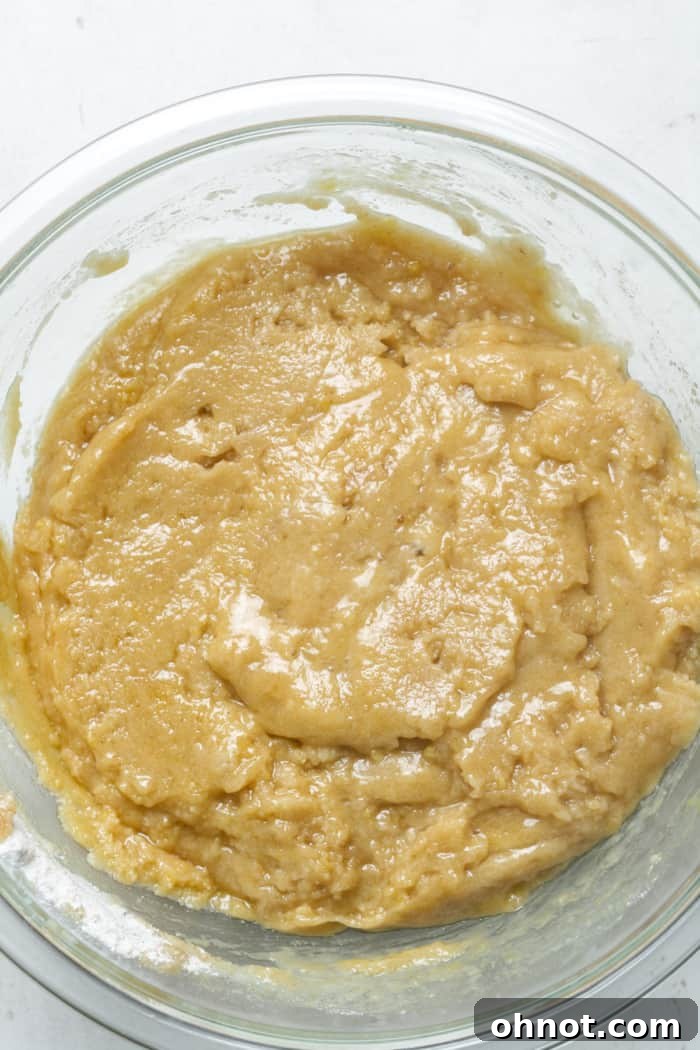
Add the avocado oil (or your chosen oil) and the four eggs to the dry ingredient mixture. Stir gently with a spoon or spatula until just combined. Be careful not to overmix at this stage; overmixing can develop the starches in gluten-free flour, potentially leading to a tougher cake. The batter will be thick, which is perfectly normal.
Step 4: Add the Signature Mix-ins
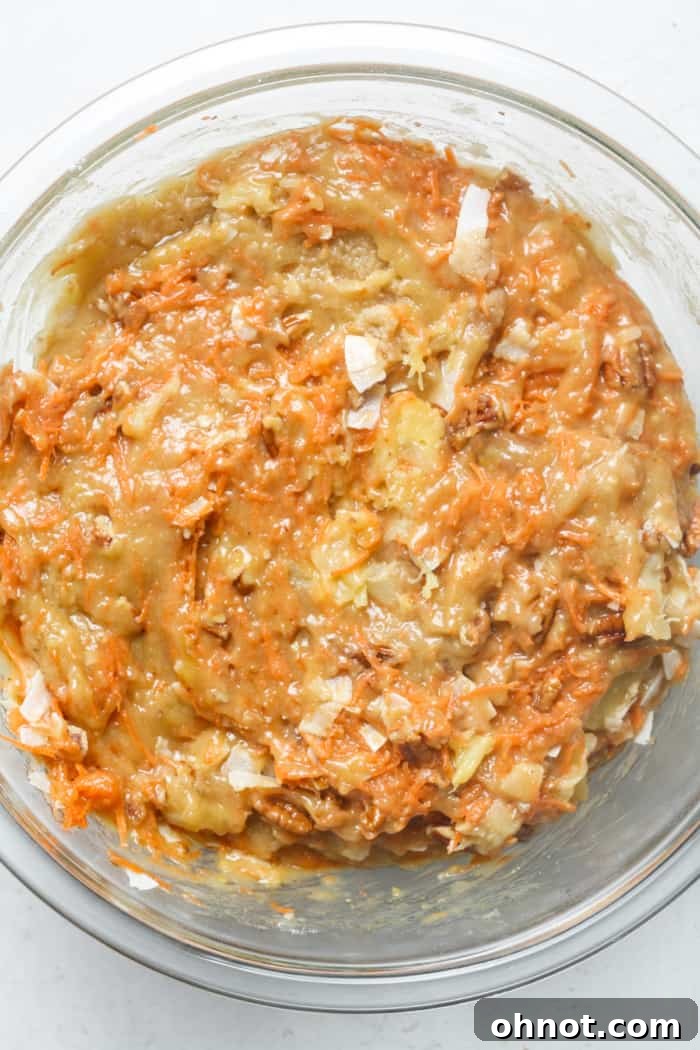
Take your drained and thoroughly patted dry crushed pineapple, and the finely grated carrots from which you’ve squeezed all excess moisture. Add these, along with the chopped pecans and shredded coconut, to the mixing bowl with the batter. Fold these ingredients in gently until they are evenly distributed throughout the thick batter. This ensures every slice gets a taste of these delicious additions.
Step 5: Transfer to Pan
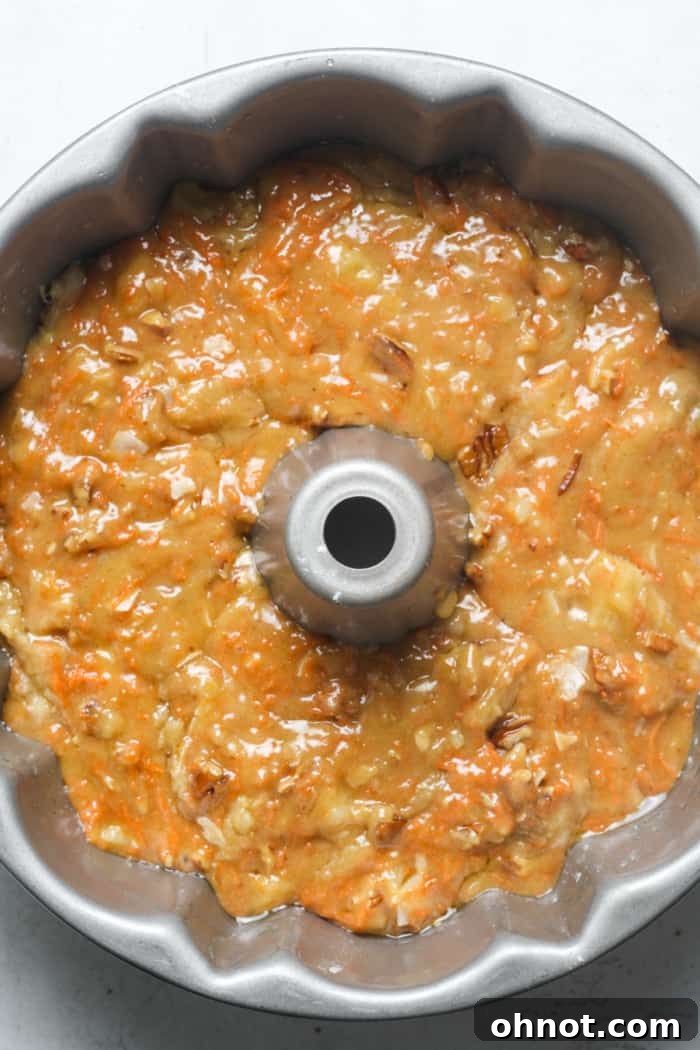
Carefully transfer the thick carrot cake batter into your prepared Bundt pan or round cake pans. Use a spatula to spread the batter evenly, ensuring it reaches all edges and forms a smooth, level surface. This promotes even baking.
Step 6: Bake to Perfection
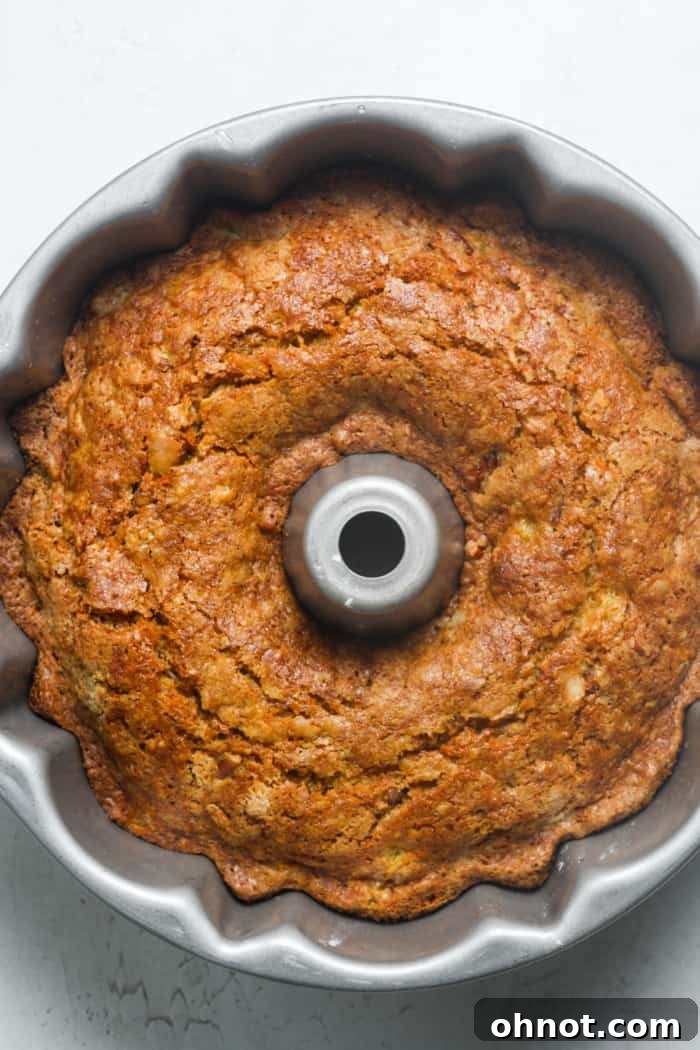
Place the pan(s) into the preheated oven. If using a Bundt pan, bake for approximately 50 to 55 minutes. For two 9-inch round cake pans, the baking time will be shorter, around 30 minutes at 350 degrees Fahrenheit (175 degrees Celsius). Baking times can vary, so the best indicator of doneness is when a toothpick inserted into the center of the cake comes out clean or with only a few moist crumbs attached.
Step 7: Cool in Pan, Then Invert
Once baked, remove the cake from the oven. If using a Bundt pan, allow it to cool in the pan for about 20 minutes before carefully inverting it onto a wire rack. For 9-inch round cakes, cool for 15 minutes in the pans before gently inverting them onto a wire rack to finish cooling. This initial cooling in the pan helps the cake firm up and prevents it from breaking when removed.
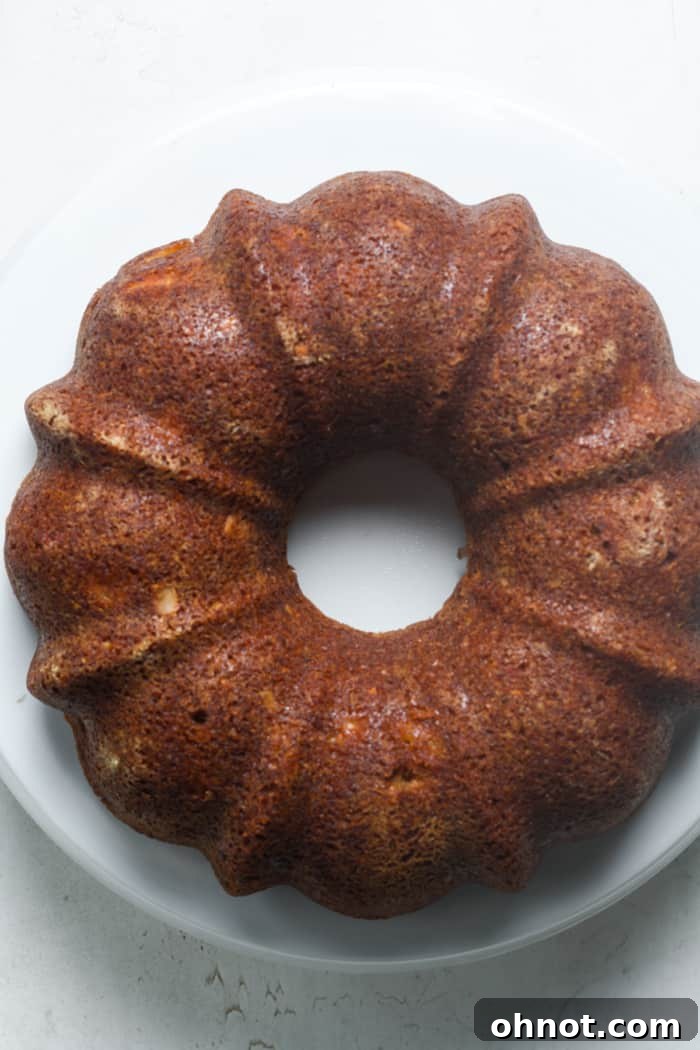
Step 8: Frost and Serve
Allow the cake to cool completely on the wire rack before applying any frosting. This is crucial; frosting a warm cake will cause the frosting to melt. Once completely cool, generously top your gluten-free carrot cake with classic cream cheese frosting. For an extra touch of elegance and flavor, garnish with additional chopped pecans or shredded coconut, if desired. Slice, serve, and enjoy!
Expert Tips for a Flawless Gluten-Free Carrot Cake
Achieving the perfect gluten-free carrot cake requires attention to detail. Here are some expert tips and tricks to ensure your baking success:
- Pan Preparation is Key: Most Bundt pans have a 10-cup capacity. Whether using a Bundt pan or two 9-inch round cake pans, always heavily spray with nonstick baking spray. For extra insurance against sticking, dust the greased pan with a thin layer of gluten-free flour, tapping out the excess. This creates a barrier, allowing for easy release of your beautifully baked cake.
- Choose the Right Gluten-Free Flour: The success of this cake relies on a high-quality 1-to-1 gluten-free flour blend that *contains xanthan gum*. Xanthan gum mimics the elasticity of gluten, preventing your cake from becoming crumbly. Avoid using single-grain gluten-free flours like almond or coconut flour, as they require different liquid ratios and will not yield the same moist, tender result.
- Manage Moisture from Pineapple: If using canned crushed pineapple, ensure it is *completely drained* and then thoroughly patted dry with paper towels. Excess liquid from the pineapple can make your cake overly moist, leading to a dense or gummy texture.
- Prepare Carrots Properly: Use a fine grater (like a box grater) to finely grate your carrots. After grating and measuring, it’s essential to *squeeze out all excess moisture* from the grated carrots using paper towels. Just like with the pineapple, too much moisture from the carrots can negatively impact the cake’s texture.
- Avoid Overmixing: When combining wet and dry ingredients, mix just until no dry streaks of flour remain. Overmixing gluten-free batters can result in a tougher, less tender cake. The batter will be thick, which is normal.
- Don’t Overbake: Bake the cake only until a toothpick inserted into the center comes out clean or with a few moist crumbs attached. Overbaking is a common culprit for dry cakes, especially with gluten-free recipes.
- Cool Completely Before Frosting: Patience is a virtue when it comes to frosting. Ensure your cake is *completely cooled* to room temperature before applying any cream cheese frosting. Frosting a warm cake will cause the frosting to melt and slide right off.
- Proper Cooling Technique: After removing from the oven, allow Bundt cakes to cool in the pan for 15-20 minutes before inverting onto a wire rack. For layer cakes, 10-15 minutes in the pan is usually sufficient. This allows the cake to firm up slightly, preventing it from breaking upon removal.
Creative Flavor Variations & Add-ins
While this gluten-free carrot cake recipe is perfect as is, it also serves as an excellent base for culinary creativity. Feel free to experiment with these delicious flavor variations and add-ins to make the cake uniquely yours:
- Raisins for Natural Sweetness: For a classic touch and an extra burst of natural sweetness, stir in up to 1 cup of plump raisins (golden or dark) into the batter. They add a delightful chewiness.
- Nut-Free Option: If you have a nut allergy or simply prefer a nut-free cake, feel free to omit the pecans from the batter entirely. The cake will still be incredibly flavorful and moist.
- Chopped Walnuts: Instead of or in addition to pecans, add chopped walnuts for a slightly different nutty flavor and crunchy texture. Walnuts pair wonderfully with the warm spices.
- More Shredded Coconut: If you’re a coconut lover, increase the amount of shredded coconut in the batter, or sprinkle extra on top of the frosting. This adds a fun, slightly tropical twist and chewy texture.
- Chocolate Chips: For a decadent twist, mix in ½ to ¾ cup of mini chocolate chips (dark, semi-sweet, or milk chocolate) into the batter. Chocolate and carrot cake are a surprisingly delicious combination.
- White Chocolate Chips: Similarly, white chocolate chips can add a creamy, sweet contrast to the spiced cake.
- Citrus Zest: A teaspoon of finely grated orange or lemon zest can brighten the cake’s flavor profile, adding a fresh, aromatic note that complements the carrots and spices beautifully.
- Different Frosting Choices: While cream cheese frosting is traditional, don’t hesitate to explore other options. A luscious Vegan Buttercream Frosting can be a fantastic alternative, or consider a simple vanilla buttercream.
- Spice Variations: Enhance the spice profile by adding a pinch of ground ginger, allspice, or cardamom for a more complex and aromatic flavor.
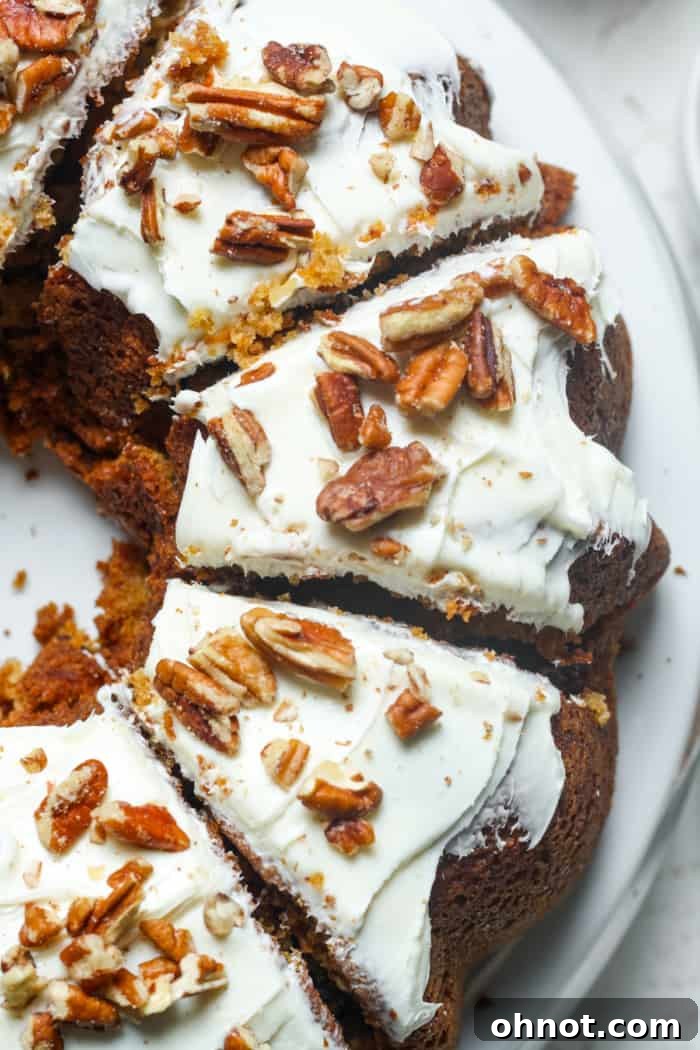
Cake Size and Pan Options
This gluten-free carrot cake recipe is remarkably versatile, allowing you to choose from various pan sizes to suit your presentation and serving needs. Each pan choice will influence the baking time and the final look of your cake.
- Two 8-inch Square Baking Pans or Two 9-inch Round Cake Pans: If you desire a classic, taller layer cake with a stunning presentation, these pans are ideal. Baking the cake in two layers allows for a delicious layer of frosting in the middle, creating an elegant dessert. Cakes baked in these pans typically require less baking time, usually around 30 minutes. Ensure both pans are properly greased and floured.
- 9-inch by 13-inch Baking Pan: For a more casual, flatter cake with a lighter texture that’s perfect for potlucks or larger gatherings, a standard 9×13 inch baking pan works wonderfully. This produces a single, generous sheet cake that’s easy to slice and serve. The baking time for this pan size is generally about 35 minutes.
- 10-Cup Bundt Pan: My personal favorite for this recipe, a classic Bundt pan creates a beautifully sculpted cake with an impressive appearance, often requiring less elaborate frosting techniques. The unique shape also encourages even baking. Baking in a Bundt pan typically takes longer, usually around 50 minutes or more, due to its depth and design.
Regardless of the pan size you select, the most important step is to prepare it meticulously. Always generously grease your pan with nonstick baking spray and then lightly dust it with gluten-free flour. This dual approach is critical for preventing the cake from sticking and ensures a clean, easy release, preserving the cake’s integrity.
The Art of Frosting Your Carrot Cake
The frosting is arguably as important as the cake itself, and for a gluten-free carrot cake, the right frosting elevates the entire experience. Traditionally, carrot cake finds its perfect match in a rich, tangy cream cheese frosting.
You have the flexibility to choose between a homemade cream cheese frosting, which allows you to control the sweetness and consistency, or a high-quality store-bought option for convenience. Both will provide that beloved creamy texture and complementary flavor that carrot cake is known for.
However, don’t feel limited by tradition! For those who enjoy a delightful twist, consider these alternative frostings:
- Chocolate Frosting: A surprising but delicious pairing! The richness of chocolate can add a decadent layer of flavor that complements the warm spices of the carrot cake beautifully.
- Buttercream Frosting: A classic and versatile choice, buttercream frosting offers a smooth, sweet, and airy texture. You can opt for a traditional vanilla buttercream or experiment with other flavors.
- Vanilla Frosting: Simple, elegant, and always a crowd-plepleaser. A smooth vanilla frosting provides a sweet, understated counterpoint to the spiced cake. For inspiration, check out the vanilla buttercream frosting on our Cookie Dough Cake!
- Lemon Cream Cheese Frosting: For a brighter, tangier note, add a tablespoon of fresh lemon juice and a teaspoon of lemon zest to your cream cheese frosting. This citrusy twist is particularly delightful in spring.
No matter your choice, ensure the cake is completely cool before frosting to prevent any melting or sliding. Garnish with additional chopped pecans, shredded coconut, or even a dusting of cinnamon for a beautiful finish.
Serving Suggestions & Storage Tips
Serving and storing your delicious homemade gluten-free carrot cake correctly will ensure you enjoy every last crumb. Here’s how to do it best:
Serving Your Cake
This versatile cake can be enjoyed in several ways, depending on your preference. Serve it slightly warm (without frosting, as frosting melts easily) for a comforting experience, or at room temperature, which allows the flavors to fully meld and shine. It’s truly delicious on its own, a testament to its rich flavor and moist texture.
For an extra touch of indulgence, consider these toppings:
- A dollop of freshly whipped cream.
- A light dusting of powdered sugar.
- A drizzle of extra cream cheese frosting.
- A sprinkle of toasted chopped nuts (pecans or walnuts) for added texture.
For a festive touch, especially during holidays like Easter, consider serving it alongside a vibrant Lemon Poppy Seed Cake for a delightful dessert spread.
Storing Your Cake
Proper storage is essential to maintain the cake’s moisture and freshness:
- Refrigeration: If you have any leftovers, especially if frosted with cream cheese frosting (which contains dairy), they must be stored in an airtight container in the refrigerator. It will stay fresh and delicious for up to four days.
- Freezing (Unfrosted): This cake freezes exceptionally well! If you plan to freeze it, do so *before* frosting. Wrap the completely cooled cake tightly in plastic wrap, ensuring no air can get in, and then wrap it again in aluminum foil. Label with the date. It can be frozen for up to three months.
- Thawing Frozen Cake: To enjoy a frozen cake, simply transfer it from the freezer to the refrigerator and let it thaw overnight. Once thawed, you can then frost it as desired and serve.
Frequently Asked Questions About Gluten-Free Carrot Cake
Keeping a gluten-free cake moist is crucial. The key is to avoid overmixing the batter and, more importantly, to prevent overbaking. Gluten-free flours can dry out faster than traditional wheat flour. This recipe incorporates specific ingredients like oil, eggs, finely grated carrots, and crushed pineapple, all of which contribute significant moisture. Follow the baking times closely and check for doneness with a toothpick. Removing the cake promptly when it’s just baked through will ensure a wonderfully moist result.
Absolutely! This recipe is adaptable to various pan sizes. You can use a 10-cup Bundt pan, two 9-inch round cake pans for a classic layered cake, two 8-inch square pans, or even a 9-inch by 13-inch baking pan for a sheet cake. Just be mindful that baking times will vary depending on the pan size and depth. Always ensure your pan is thoroughly greased and dusted with gluten-free flour to prevent sticking.
No, generally, most commercially available store-bought carrot cake mixes, including popular brands like Sara Lee, are NOT gluten-free. They typically contain wheat flour. If you require a gluten-free option, it’s always best to check the ingredient label carefully for gluten-containing ingredients or opt for a certified gluten-free brand or, even better, bake from scratch using a reliable gluten-free recipe like this one!
Yes, absolutely! Raisins are a traditional and delicious addition to carrot cake. You can add up to 1 cup of raisins to the cake batter during Step 4, when you add the carrots, pineapple, and pecans. They will add extra natural sweetness and a lovely chewy texture.
For this specific recipe, eggs are a critical structural component and contribute significantly to its light, fluffy texture and moisture. We do not recommend attempting to make this recipe without eggs, as common egg substitutes (like chia eggs, flax eggs, or commercial replacers) will not yield the same successful results. If you need an egg-free or vegan carrot cake, it would be best to seek out a recipe specifically developed for those dietary needs.
For the best results, use a box grater to finely grate the carrots. This ensures they are small enough to blend seamlessly into the cake batter, contributing moisture and flavor without creating large, tough chunks. After grating, remember to gently squeeze out any excess moisture with paper towels to prevent a soggy cake.
Recommended Baking Equipment
Having the right tools can make your baking experience smoother and more enjoyable. Here are some recommended equipment items that will be helpful for making this gluten-free carrot cake:
- Hand Mixer: While this recipe can be mixed by hand, a hand mixer makes the process much quicker and ensures a thoroughly combined batter, especially when incorporating the oil and eggs.
- Pyrex 3 Glass Mixing Bowls: A set of sturdy glass mixing bowls in various sizes is indispensable for baking. They are durable, easy to clean, and perfect for combining different sets of ingredients.
- Pyrex Glass Measuring Cups: Accurate liquid measuring cups are essential for consistent baking results. Glass ones are durable and easy to read.
- Whisk: A good whisk is perfect for combining the dry ingredients, ensuring they are light and evenly distributed before adding wet components.
- 10 Inch Bundt Pan: For that classic, elegant shape, a nonstick Bundt pan is ideal. While often labeled “nonstick,” always give it a good spray and a light dusting of flour for foolproof cake release.
- Nonstick Spray: A high-quality nonstick cooking spray is vital for preventing your cake from sticking, especially in intricate Bundt pan designs.
- Cake Stand: A beautiful cake stand isn’t just for display; it also allows for easy storage and serving, showcasing your culinary creation beautifully.
- Box Grater: Essential for finely grating your carrots, ensuring they blend perfectly into the batter for optimal texture and moisture.
- Wire Cooling Rack: A must-have for properly cooling your cake after baking, allowing air circulation to prevent a soggy bottom and ensure even cooling.
You May Also Love These Gluten-Free Dessert Inspirations
If you’ve enjoyed baking this gluten-free carrot cake, you’ll be thrilled to discover more delicious and dietary-friendly treats from our collection. Explore these other fantastic recipes:
- Gluten-Free Chocolate Cake
- Gluten-Free Banana Cake Recipe (Paleo)
- Paleo Chocolate Cake
- Paleo Carrot Cake Cookies
- Carrot Cake Cupcakes
Get the Recipe: Gluten Free Carrot Cake
Pin Recipe
Ingredients
- 2 cups gluten free 1 to 1 flour
- 2 tsp baking powder
- 1 ½ tsp baking soda
- 1 tsp cinnamon
- ¼ tsp nutmeg
- 1 cup light brown sugar, tightly packed
- 1 cup granulated sugar
- 1 ¼ cups avocado oil, or vegetable oil
- 4 eggs
- 8 ounces canned crushed pineapple, drained completely
- 2 cups finely grated carrots
- 1 ¼ cups chopped pecans
- ½ cup shredded coconut
- 1 tub cream cheese frosting
Instructions
- First, preheat oven to 350 degrees Fahrenheit. Heavily spray a Bundt pan or two 9-inch round pans with nonstick spray. Lightly dust with gluten-free flour to prevent sticking.
- In a large mixing bowl, add gluten-free flour, baking powder, baking soda, cinnamon, nutmeg, brown sugar, and sugar. Stir together.
- Then, add in oil and eggs. Stir to combine.
- Drain and pat dry crushed pineapple. Squeeze grated carrots between paper towels to remove excess moisture. Then, add in crushed pineapple, grated carrots, chopped pecans, and shredded coconut to the mixing bowl. Stir to combine.
- Transfer batter to the greased pan. Smooth into one even layer.
- Bake for 50 to 55 minutes for a Bundt pan. For the two 9-inch round pans, bake for about 30 minutes at 350 degrees Fahrenheit. Bake cake until a toothpick inserted comes out clean.
- Finally, remove cake from oven. Allow Bundt cake to cool for 20 minutes in pan. Then very carefully invert onto a wire rack. For the 9-inch cakes, cool for 15 minutes before carefully inverting onto a wire rack.
- Finally, allow cake to cool completely. Then, top with cream cheese frosting and additional chopped pecans or coconut if desired.
Notes
- This recipe can be made in a 10-cup Bundt pan or two 9-inch cake pans. It may also work in a 9-inch by 13-inch pan.
- Use gluten-free 1-to-1 flour. Use a brand that contains xanthan gum. Do not substitute directly with almond flour, coconut flour, oat flour, or another alternative flour.
- Be sure to completely drain and pat dry crushed pineapple. Too much liquid will make this cake too moist.
- Squeeze out all excess water from the grated carrots.
- The cake batter will be a little bit thick.
- For nut-free, feel free to omit pecans.
- If desired, add in up to 1 cup of raisins to the batter.
- Bake until a toothpick inserted comes out clean and the cake no longer jiggles.
- Wait for the cake to cool completely before adding frosting.
- Use homemade or store-bought frosting.
- Store leftovers in the fridge for up to 4 days.
Carbohydrates: 77g,
Protein: 4g,
Fat: 35g,
Saturated Fat: 6g,
Polyunsaturated Fat: 7g,
Monounsaturated Fat: 20g,
Trans Fat: 0.01g,
Cholesterol: 47mg,
Sodium: 285mg,
Potassium: 182mg,
Fiber: 2g,
Sugar: 55g,
Vitamin A: 2603IU,
Vitamin C: 2mg,
Calcium: 74mg,
Iron: 1mg
If you make this Gluten-Free Carrot Cake recipe, we would genuinely appreciate your review! You can find us and share your creations on Instagram, Facebook, and Pinterest. Join our exclusive Facebook Group for a behind-the-scenes look and connect with a community of fellow food lovers. We’d love for you to follow along and become a part of our baking journey! For more delightful ideas, explore our comprehensive collection of Dessert Recipes.