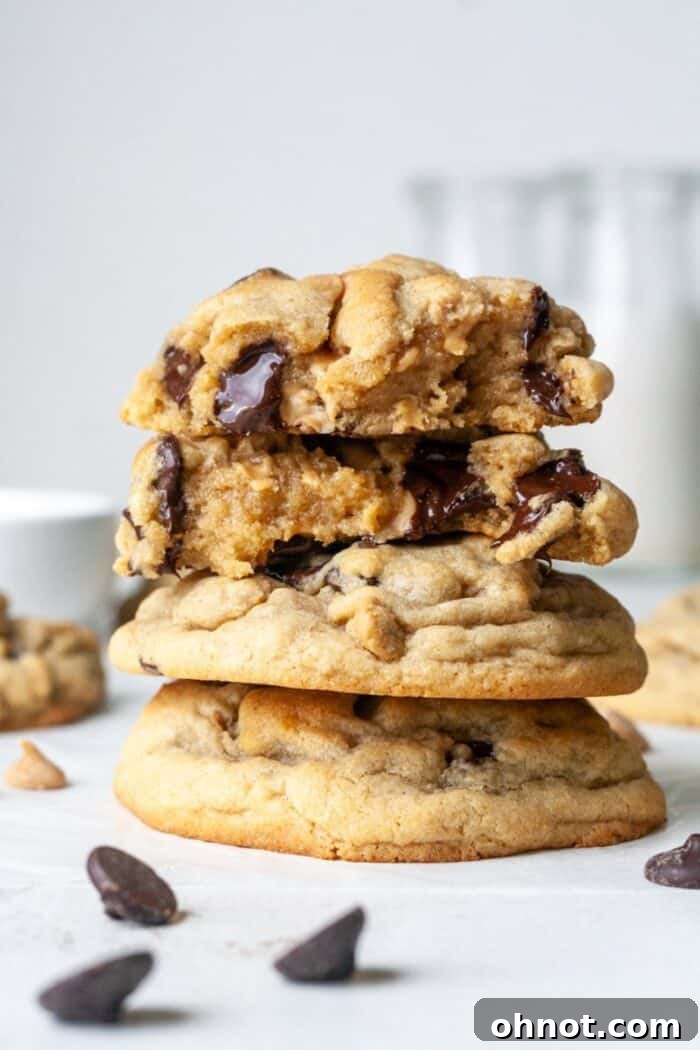
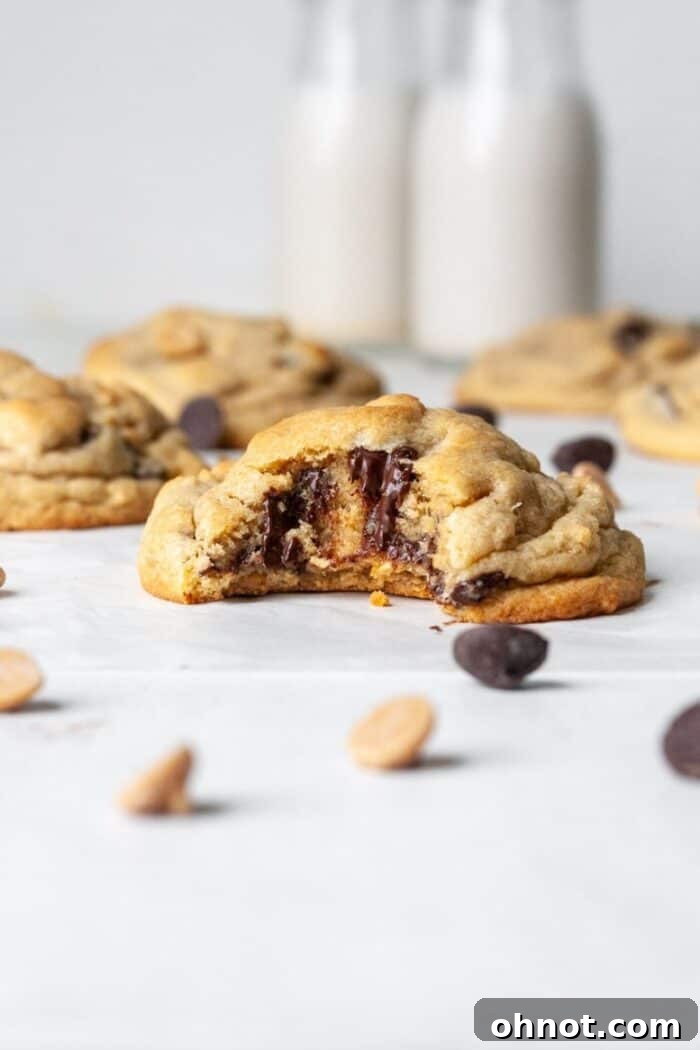
Prepare to be amazed by these incredible **gluten-free peanut butter cookies**, a recipe meticulously crafted for ultimate indulgence. Each bite delivers a perfect balance of rich peanut butter flavor, a satisfyingly chewy texture, and delightfully crispy edges that yield to a gloriously gooey center. What truly sets these cookies apart is the harmonious blend of both decadent dark chocolate chips and creamy peanut butter chips, creating an irresistible flavor profile that will have everyone reaching for more. Best of all, this straightforward recipe requires no lengthy dough chilling, making it surprisingly quick and easy to prepare. For another delightful treat, be sure to try our Peanut Butter Oreo Cookies!
Why You’ll Adore These Gluten-Free Peanut Butter Cookies
These aren’t just any cookies; they’re a revelation for anyone seeking a truly exceptional gluten-free dessert. Here’s a closer look at what makes this recipe an absolute must-try:
- The Ultimate Flavor Combination: Is there a more iconic pairing than chocolate and peanut butter? This recipe elevates that classic duo, ensuring every bite is bursting with both rich cocoa and nutty sweetness.
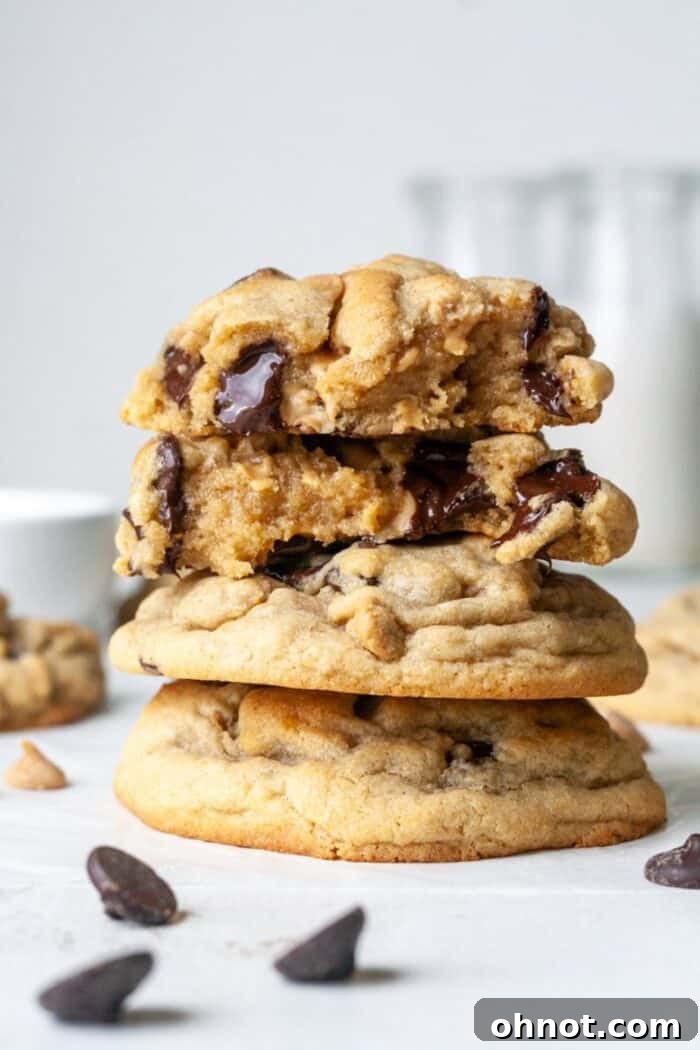
- Thick, Chewy, and Perfectly Baked: Forget flat, crumbly cookies. These gluten-free peanut butter cookies are designed to be substantial, offering that coveted chewy texture in the center while maintaining delightfully crispy, golden-brown edges. They truly embody the “bakery-style” perfection you crave.
- No Dough Chilling Required: One of the biggest time-savers in baking! This recipe allows you to go from mixing bowl to warm cookies in under 30 minutes, without the tedious wait of chilling the dough. It’s perfect for last-minute cravings or unexpected guests.
- Surprisingly Quick and Easy: Despite their gourmet appearance and taste, these cookies are incredibly simple to make, even for novice bakers. The steps are straightforward, and the ingredients are readily available.
- A Naturally Gluten-Free Delight: Crafted with gluten-free 1-to-1 flour, these cookies offer a safe and delicious option for those with gluten sensitivities or Celiac disease, ensuring no compromise on flavor or texture. They are a fantastic addition to any gluten-free dessert repertoire.
- A Versatile Crowd-Pleaser: Whether you’re baking for a party, a family gathering, or just treating yourself, these cookies are universally loved. Their rich flavor and appealing texture make them a hit with everyone.
For more irresistible bakery-style treats, be sure to check out our Levain Chocolate Chip Cookies!
Essential Ingredients & Smart Substitutions for the Best Gluten-Free Peanut Butter Cookies
Crafting the perfect gluten-free peanut butter cookies starts with understanding each ingredient’s role. Below is a detailed breakdown of the main components you’ll need, along with helpful substitution tips. You can find the full recipe and precise measurements in the recipe card at the bottom of this article.
Cold Butter: This is a crucial element for achieving thick, non-spreading cookies. Using cold butter, cut into small cubes, helps maintain its structure during the creaming process and initial baking, resulting in a chewier, more substantial cookie. While I haven’t personally experimented with vegan butter in this specific recipe, firm vegan butter sticks (not spreads) are generally a good substitute for dairy butter in baking. Ensure it is also cold and cut into cubes for best results.
Granulated Sugar & Light Brown Sugar: The combination of these two sugars is key to both sweetness and texture. Granulated sugar contributes to the crispy edges, while tightly packed light brown sugar provides moisture, chewiness, and a deeper, molasses-rich flavor. You can use dark brown sugar for a more intense caramel note, but be aware that it will result in slightly darker cookies.
Eggs: Eggs are indispensable for binding the ingredients, adding richness, and contributing to the overall structure and chewiness of these cookies. They act as an emulsifier, creating a stable dough. For this recipe, I do not recommend a vegan egg replacement as the texture may be significantly altered. If you’re looking for a completely vegan alternative, please refer to our dedicated recipe for Vegan Peanut Butter Cookies.
Vanilla Extract: A whole tablespoon of pure vanilla extract is used here, and it’s not an exaggeration. Vanilla enhances all the other flavors, adding a warm, aromatic depth that transforms a good cookie into an unforgettable one. Don’t skimp on quality vanilla!
Natural Creamy Peanut Butter: This is arguably the most important ingredient for flavor and texture. It’s essential to use a natural creamy peanut butter that lists only peanuts and salt in its ingredients. Brands like Jif or other “no-stir” varieties often contain added sugars and hydrogenated oils, which can lead to a drier, denser, and less flavorful cookie due to their different fat and sugar content. The natural oils in creamy peanut butter contribute to the moist, tender crumb of these gluten-free delights.
Gluten-Free 1-to-1 Flour: For these cookies, a high-quality gluten-free 1-to-1 (or cup-for-cup) flour blend is paramount. These blends are specifically formulated to mimic the properties of all-purpose wheat flour, making them ideal for baking cookies without major adjustments. My personal favorite is King Arthur Flour’s 1-to-1 gluten-free flour, which consistently delivers excellent results. Different brands can yield slightly varied results, so stick to a reputable blend.
Tapioca Flour: A small amount of tapioca flour is added to enhance the chewiness of these cookies. It’s a fantastic secret ingredient for improving texture in gluten-free baking. If you don’t have tapioca flour, cornstarch or arrowroot powder can be used as a suitable substitute, providing a similar tenderizing effect.
Baking Soda: This leavening agent reacts with the acidic brown sugar and other ingredients to help the cookies rise and achieve their characteristic thick, fluffy center and slightly domed shape. Ensure your baking soda is fresh for optimal results.
Dark Chocolate Chips & Peanut Butter Chips: This dynamic duo adds an explosion of flavor and textural contrast! Both types of chips melt beautifully within the cookies, creating pockets of intense chocolate and creamy peanut butter goodness. The combination is simply irresistible. If you prefer, you can certainly use all dark chocolate chips for a deeper cocoa experience, or go all-in with peanut butter chips for an extra nutty punch. Either way, these gluten-free peanut butter cookies are destined to be a winner!
Unforgettable Taste & Irresistible Texture
These gluten-free peanut butter cookies offer a truly exceptional eating experience. They boast the perfect amount of rich, roasted peanut butter flavor that stands out without overwhelming the classic cookie notes. You’ll still savor the beloved tastes of a traditional cookie – the sweet warmth of sugar, the creamy depth of butter, the aromatic embrace of vanilla, and the delightful surprise of melting chocolate chips.
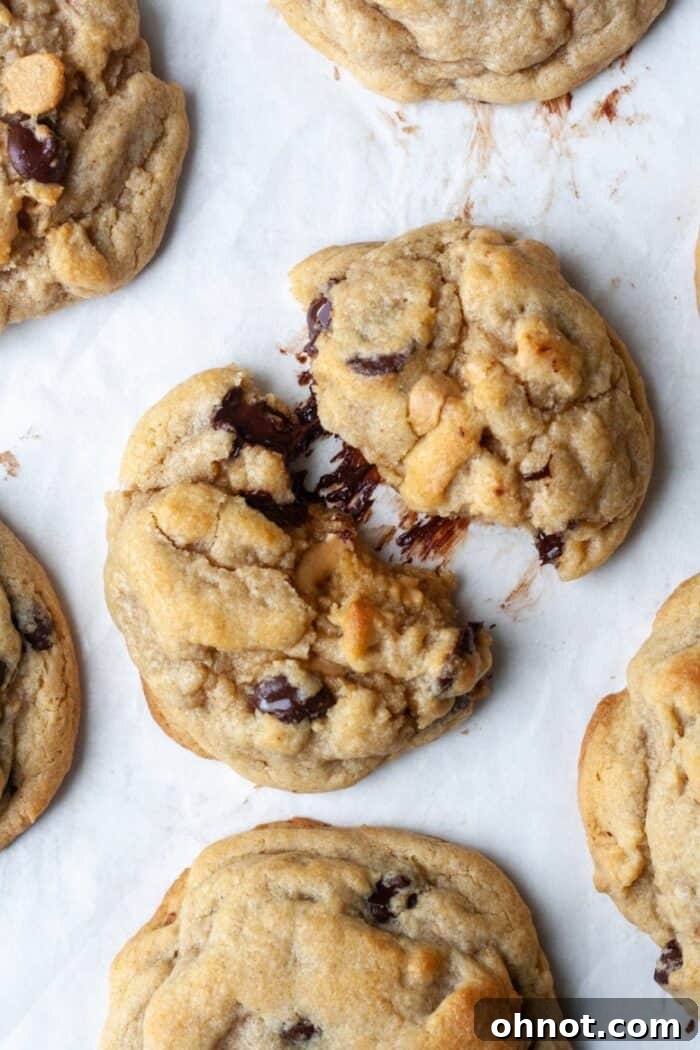
When it comes to texture, these cookies are a masterpiece. They are wonderfully thick and substantial, not flat or delicate. Imagine biting into a cookie with perfectly golden, slightly crispy edges that give way to an incredibly soft, tender, and beautifully gooey center. It’s this textural contrast – the slight crunch followed by the melt-in-your-mouth richness – that makes these gluten-free peanut butter cookies so utterly addictive and reminiscent of your favorite bakery treats.
Is Peanut Butter Truly Gluten-Free? Understanding Your Ingredients
When adhering to a gluten-free diet, understanding the nature of your ingredients is crucial. Many people wonder if peanut butter is naturally gluten-free, and the good news is, for the most part, yes! Peanuts themselves are legumes, not grains, and are therefore inherently gluten-free.
However, the journey from peanut to peanut butter can introduce complexities. Pure peanut butter, made solely from roasted peanuts and salt, is naturally gluten-free. The potential for gluten contamination typically arises in processed or flavored peanut butter brands. Many store-bought varieties contain additional sugars, hydrogenated oils, and preservatives, which are generally gluten-free ingredients. In my experience, it’s quite rare to find “regular” peanut butter with added gluten. The primary culprits for gluten in peanut butter are usually specialty flavors like “cookie dough peanut butter,” “brownie batter peanut butter,” or other artificially flavored spreads that might incorporate gluten-containing ingredients for texture or flavor. As a general rule, if it’s a plain, natural peanut butter, it’s very likely gluten-free.
Nevertheless, vigilance is key. It is always, always important to meticulously check the labels of any peanut butter product to ensure there is no hidden gluten and to verify that it has not been subject to cross-contamination during processing. Look for certified gluten-free labels for absolute peace of mind, especially if you have Celiac disease or severe gluten sensitivity. This ensures the product has met strict standards for gluten content.
Natural vs. “No-Stir” Peanut Butter: The Secret to Perfect Cookies
The type of peanut butter you choose can significantly impact the texture and consistency of your baked goods, especially cookies. There are two primary categories of peanut butter commonly found in grocery stores, each with distinct characteristics:
**”No-Stir” Peanut Butter:** This type is characterized by its consistently smooth texture that does not require stirring before use, as the oil does not naturally separate. Popular brands like Jif and Skippy are well-known for their “no-stir” formulations. The reason they remain emulsified and smooth is typically due to the addition of hydrogenated oils or trans fats, which prevent oil separation and give the peanut butter a firmer, more stable consistency.
**Natural Peanut Butter:** In contrast, natural peanut butter contains only a handful of ingredients, usually just roasted peanuts and a touch of salt. It lacks added sugars, oils, or preservatives that would stabilize it. Consequently, the natural oils from the peanuts will separate and rise to the top of the jar, requiring a good stir before each use to reintegrate the oils and achieve a creamy consistency. The texture of natural peanut butter is generally looser and more fluid once stirred.
For these gluten-free peanut butter cookies, **it is absolutely essential to use natural creamy peanut butter.** The higher natural oil content and looser consistency of natural peanut butter contribute to a moister, chewier, and richer cookie. A thicker, “no-stir” peanut butter, with its added fats and stabilizers, will absorb more liquid from the dough and can result in cookies that are noticeably drier, denser, and less flavorful. The natural variety ensures your cookies achieve that perfect balance of chewiness and melt-in-your-mouth tenderness. I particularly love Teddie’s natural creamy peanut butter for its consistent quality and delicious taste in baking.
Step-by-Step Guide: Crafting Your Gluten-Free Peanut Butter Cookies
Follow these simple steps to create the most delicious gluten-free peanut butter cookies your kitchen has ever seen. Precision and a little patience will yield perfect results every time!
Step 1: Prepare Your Baking Sanctuary
Before you begin mixing, preheat your oven to a precise 400 degrees Fahrenheit (200°C). This ensures the oven is at the correct temperature when your cookies are ready to bake, which is crucial for their texture. Line a large baking sheet with parchment paper. Parchment paper prevents sticking and promotes even browning, making cleanup a breeze.
Step 2: Creaming the Foundation
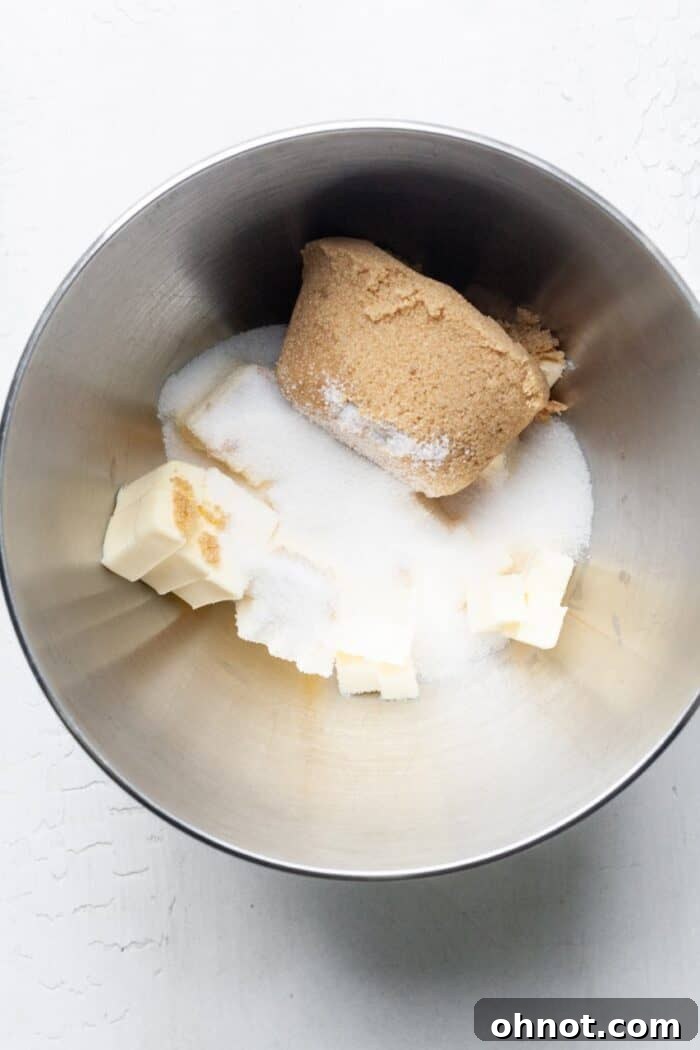
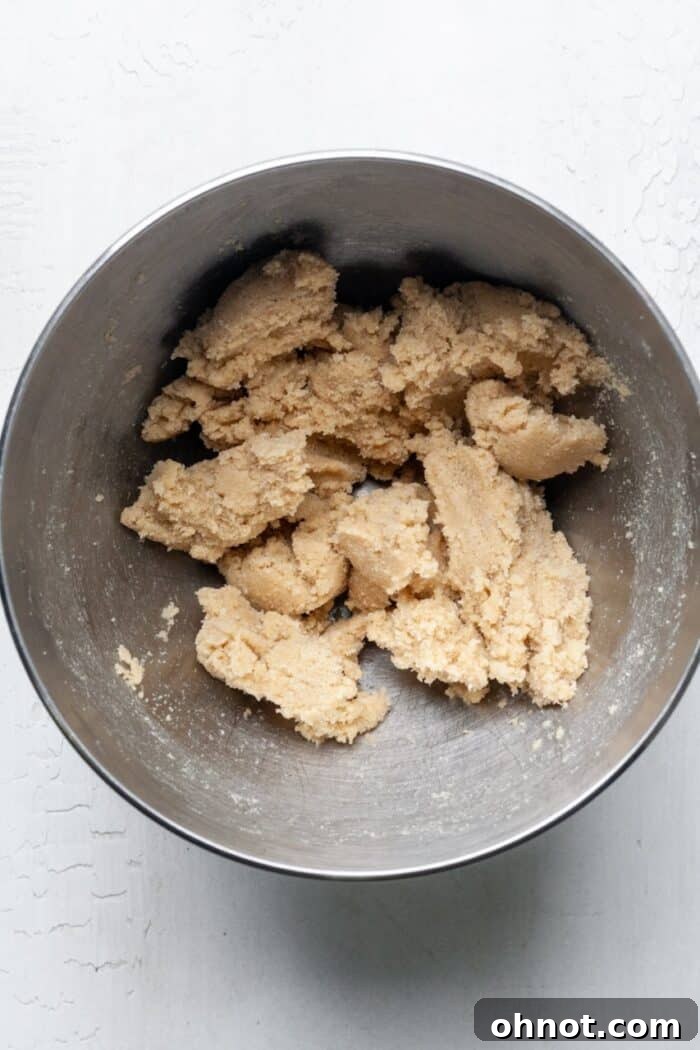
In the bowl of a stand mixer fitted with the paddle attachment, combine the cold butter cubes, granulated sugar, and tightly packed light brown sugar. Beat these ingredients together on medium speed for approximately 2 minutes, or until the mixture is light, fluffy, and no visible clumps of butter remain. This creaming process incorporates air, which contributes to the cookies’ light texture.
Step 3: Introduce the Wet Ingredients
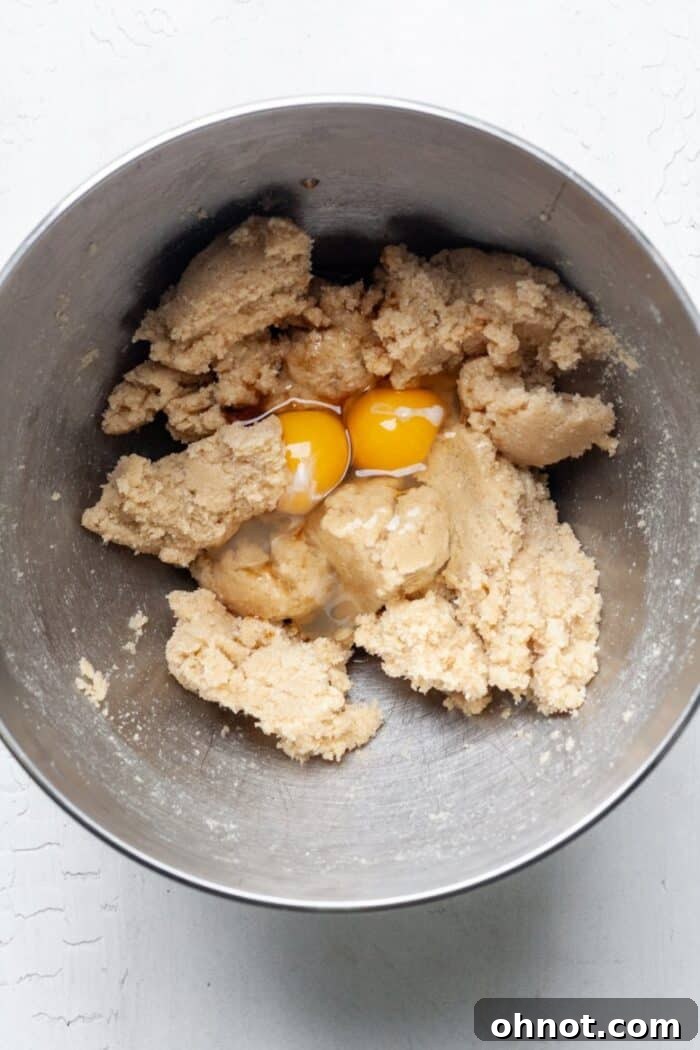
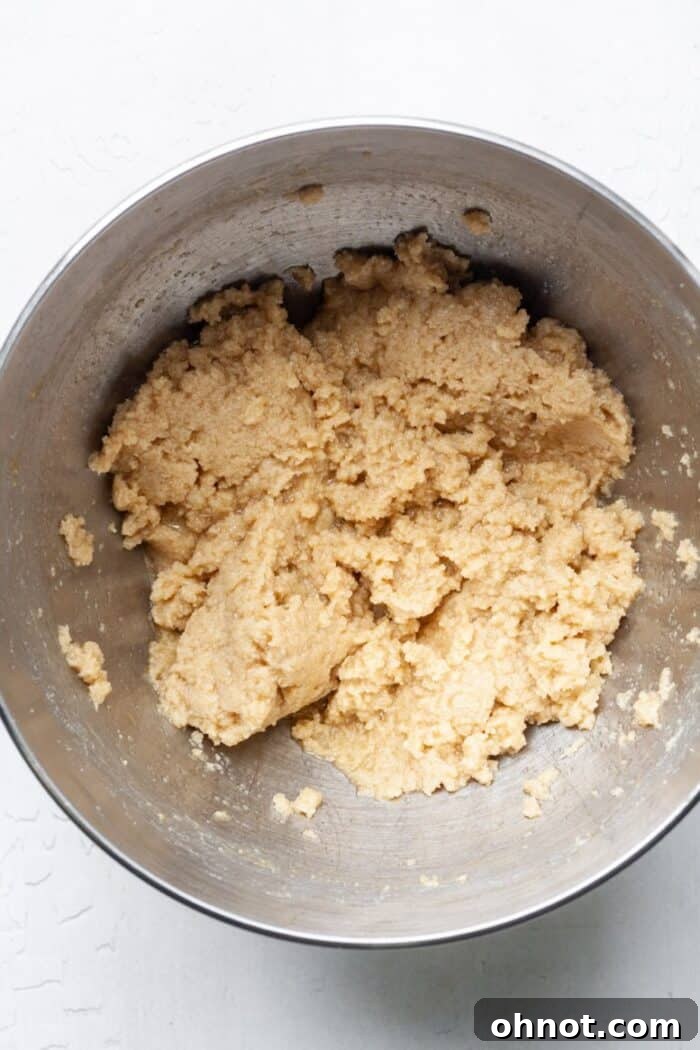
Next, add the two eggs and the generous tablespoon of vanilla extract to the creamed butter and sugar mixture. Beat on medium-low speed until just combined. Be careful not to overmix at this stage; you want everything incorporated without developing too much air.
Step 4: Swirl in the Peanut Butter
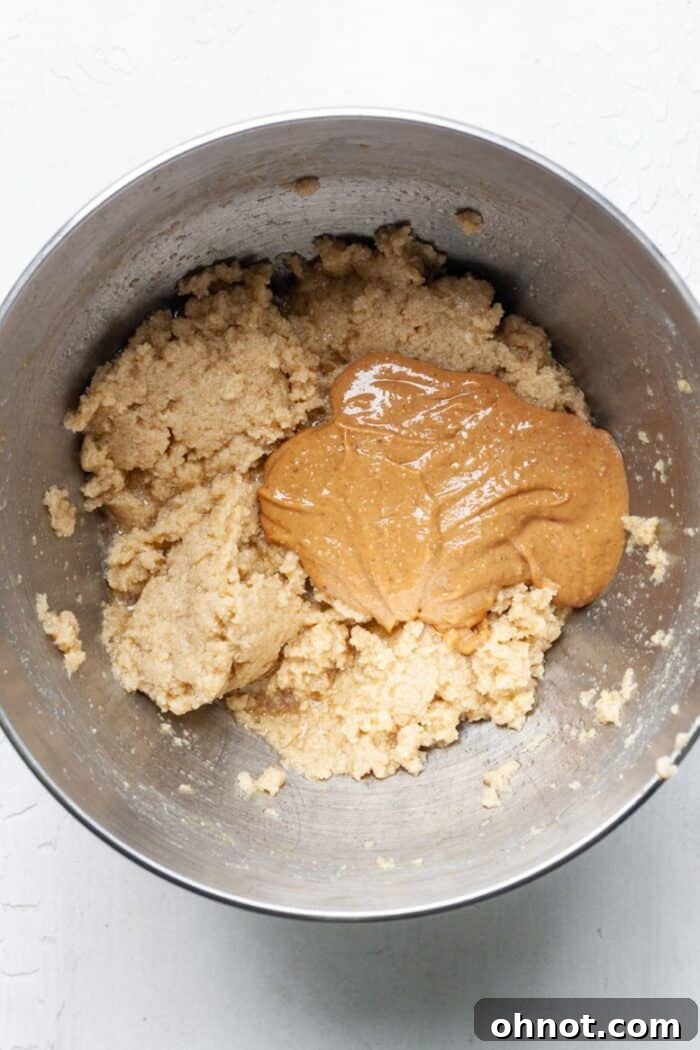
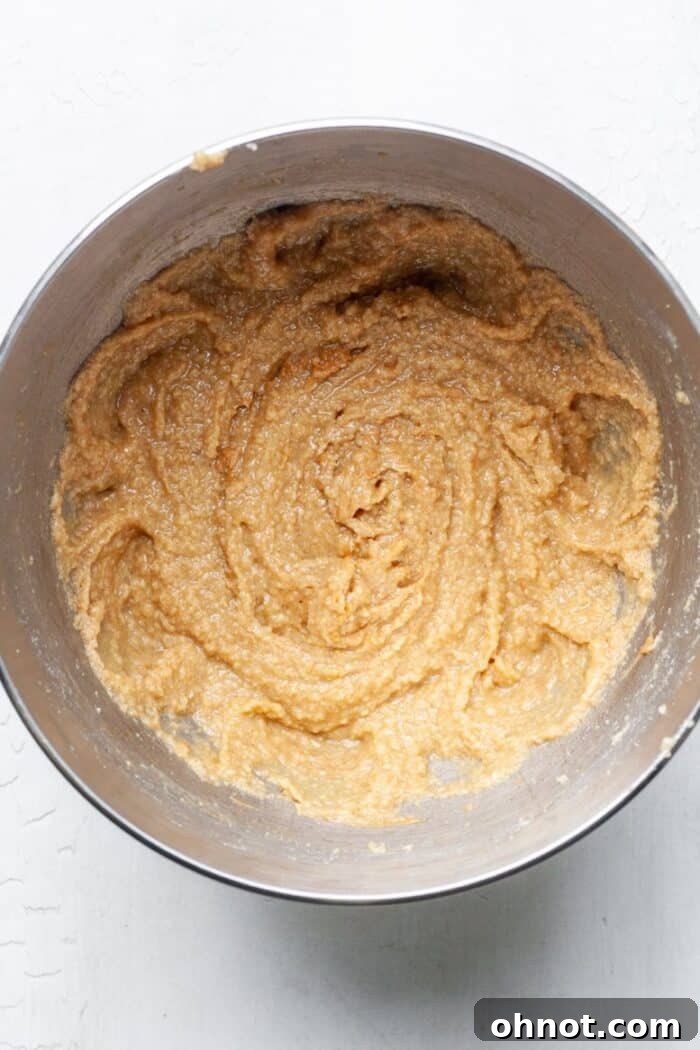
Now, it’s time for the star ingredient! Add the natural creamy peanut butter to the mixing bowl. Mix on low speed until the peanut butter is fully incorporated into the dough, creating a uniformly rich, pale brown mixture. Scrape down the sides of the bowl as needed to ensure everything is well blended.
Step 5: Incorporate the Dry Ingredients
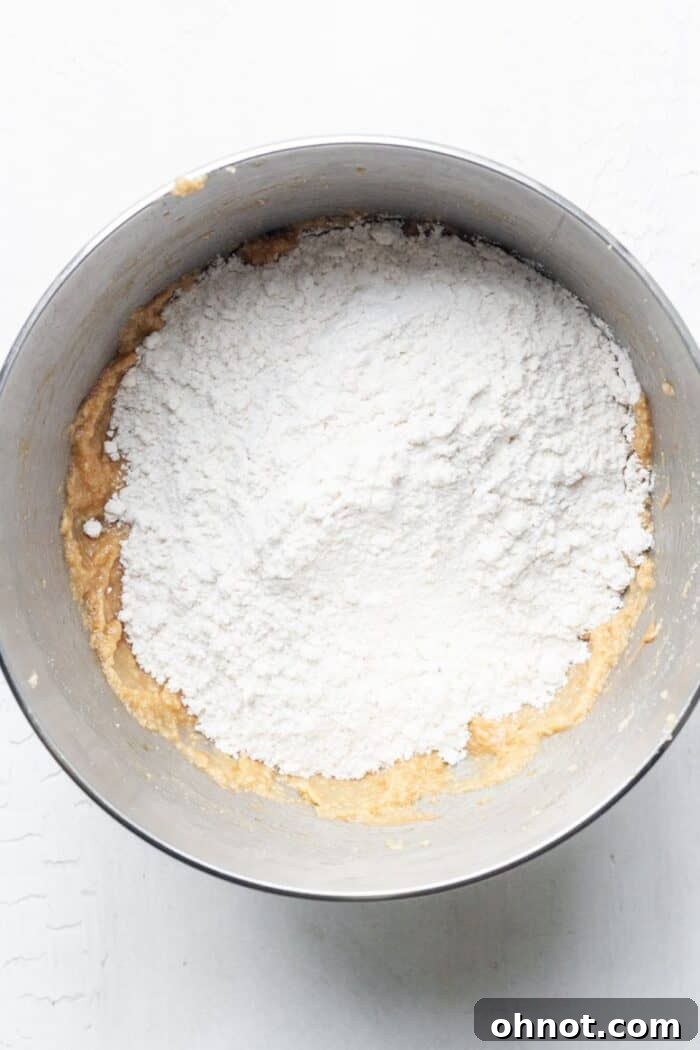
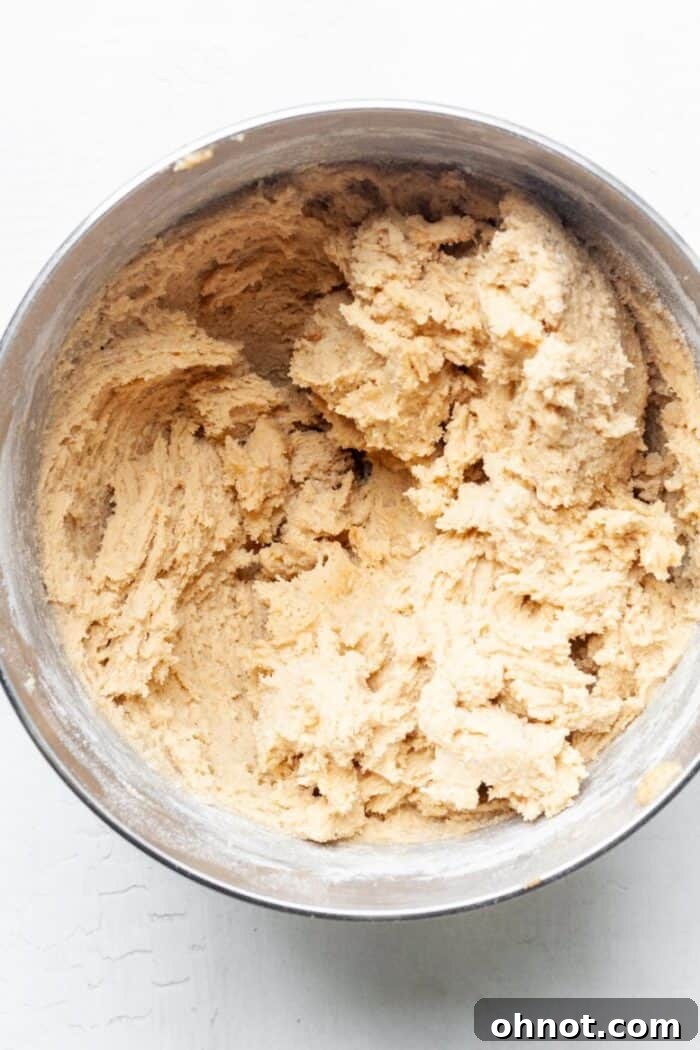
In a separate bowl, whisk together the gluten-free 1-to-1 flour, tapioca flour, and baking soda. Gradually add this dry mixture to the wet ingredients in the stand mixer. Mix on low speed until a thick, cohesive cookie dough forms. Be careful not to overmix once the flour is added, as this can lead to tougher cookies.
Step 6: Fold in the Chips
Remove the bowl from the mixer. Using a sturdy spatula or spoon, gently fold in both the dark chocolate chips and the peanut butter chips. Distribute them evenly throughout the dough for bursts of flavor in every cookie.
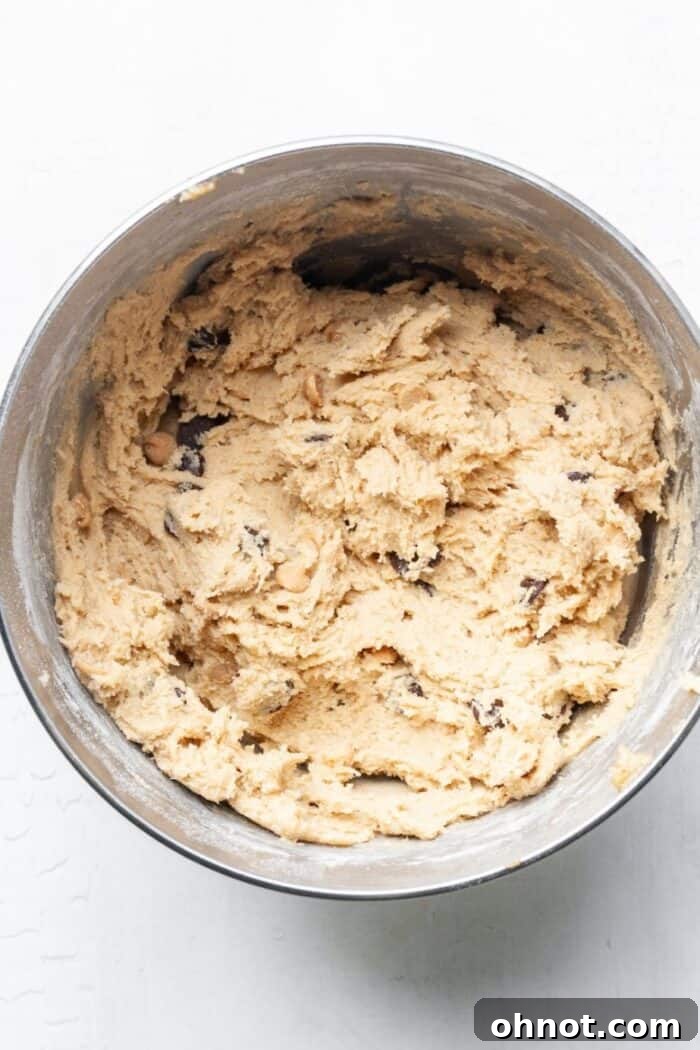
Step 7: Portion and Prepare for Baking
Using an ice cream scoop or a large spoon, scoop generous balls of dough onto your prepared baking sheet. For a substantial, bakery-style cookie, aim for dough balls that are approximately ⅓ cup in size. Arrange them with enough space between each to allow for slight spreading during baking.
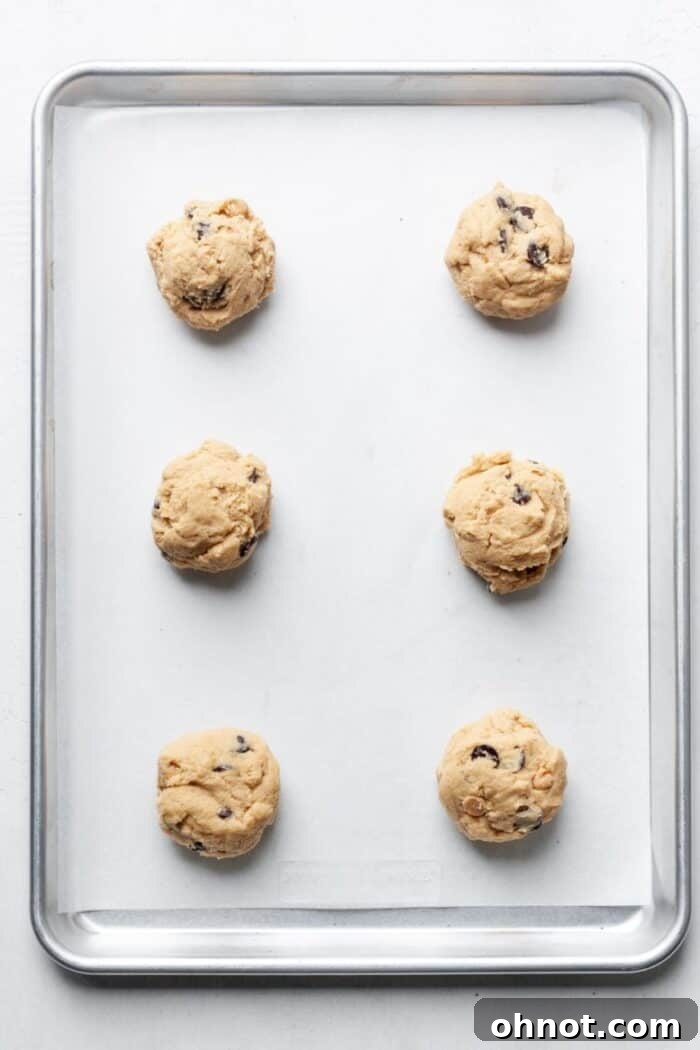
Step 8: Bake to Golden Perfection
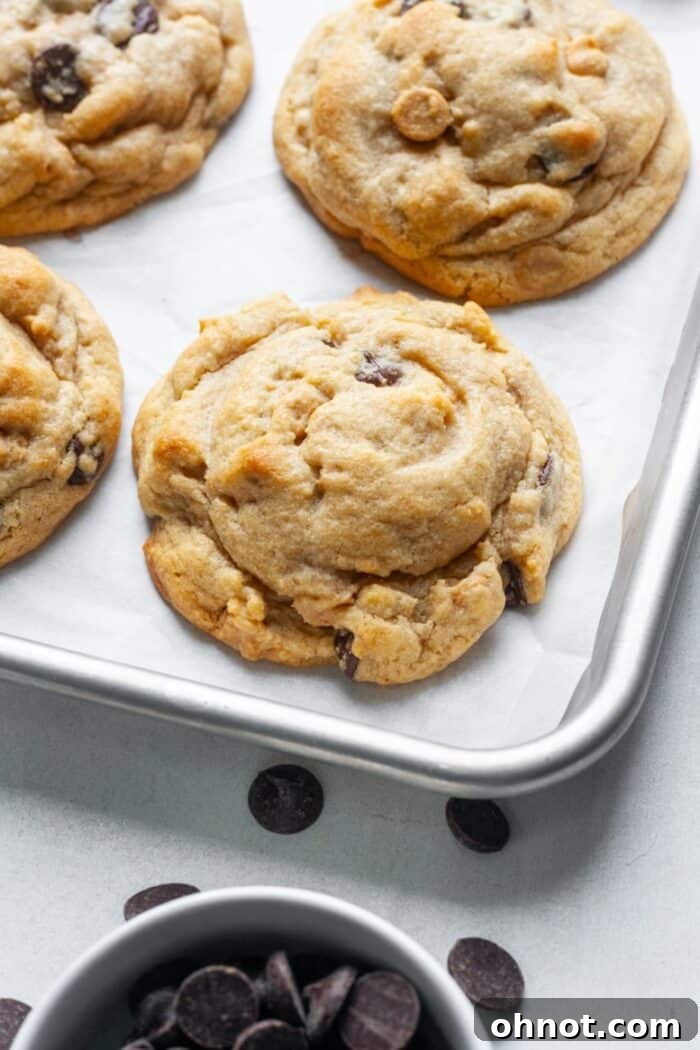
Place the baking sheet into the preheated oven. Bake the gluten-free peanut butter cookies for 9 to 10 minutes. The key is to bake them until their edges are lightly golden and the centers are just barely set – they should still look a little soft and underbaked in the middle. This ensures a wonderfully gooey center. In my oven, 9 minutes was the sweet spot for perfect results.
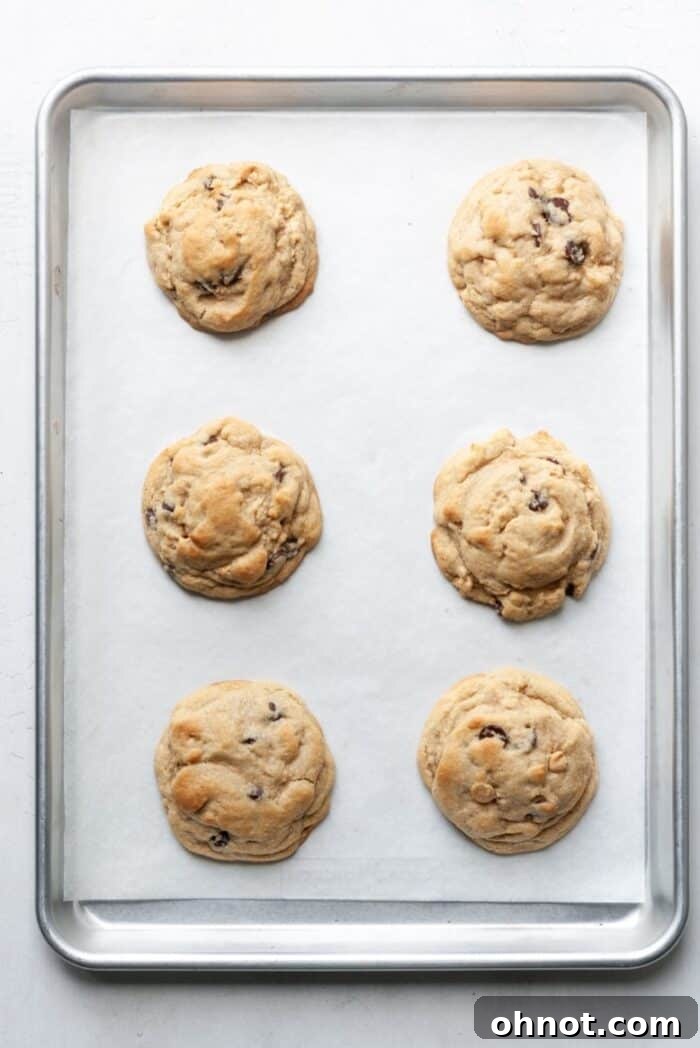
Step 9: Cool and Enjoy!
Once baked, remove the cookies from the oven. Allow them to cool on the hot baking pan for at least 10 minutes. This crucial cooling time allows them to firm up and prevents them from breaking when transferred. After 10 minutes, carefully transfer the cookies to a wire cooling rack to finish cooling completely. While irresistible warm, they continue to develop their chewy texture as they cool.
Expert Tips & Tricks for Gluten-Free Peanut Butter Perfection
Achieving bakery-quality gluten-free peanut butter cookies is easy with a few key techniques. Here are some expert tips to ensure your cookies turn out perfectly every time:
- Start with Cold Butter: This is a non-negotiable step for thick, chewy cookies that don’t spread excessively. Cold butter takes longer to melt in the oven, giving the cookies time to set and puff up before collapsing. Ensure your butter is straight from the fridge and cut into roughly ½-inch cubes for easier creaming.
- Proper Creaming is Key: Don’t rush the creaming process of butter and sugars. Beat them together until the mixture is visibly light and fluffy, with no residual butter clumps. This process aerates the butter, creating a lighter texture in the final cookie. A stand mixer on medium speed typically takes about 2 minutes to achieve this perfect consistency.
- Opt for Natural Creamy Peanut Butter: As discussed, natural peanut butter (ingredients: peanuts, salt) is vital. Its higher natural oil content results in a richer flavor and a perfectly moist, chewy texture. Avoid “no-stir” varieties, which contain added fats and sugars that can lead to dry, dense cookies.
- Uniform Cookie Dough Balls: For consistent baking and appearance, use an ice cream scoop or carefully measure your dough into evenly sized balls. This ensures all cookies bake at the same rate, preventing some from being underbaked while others are overdone.
- Do Not Overbake: This might be the most crucial tip for gooey centers. Bake only until the edges are golden and the centers are just barely set, still looking soft. They will continue to cook and firm up as they cool on the hot baking sheet. Overbaking leads to dry, crumbly cookies.
- Parchment Paper is Your Friend: Always use parchment paper to line your baking sheets. It prevents sticking, promotes even heat distribution, and makes transferring the warm, delicate cookies much easier.
- A Touch of Salt: While not listed as a separate ingredient in the primary recipe card (it’s often in peanut butter), a pinch of sea salt can really enhance the flavors of chocolate and peanut butter. If your peanut butter is unsalted, consider adding ¼ teaspoon of fine sea salt to the dry ingredients.
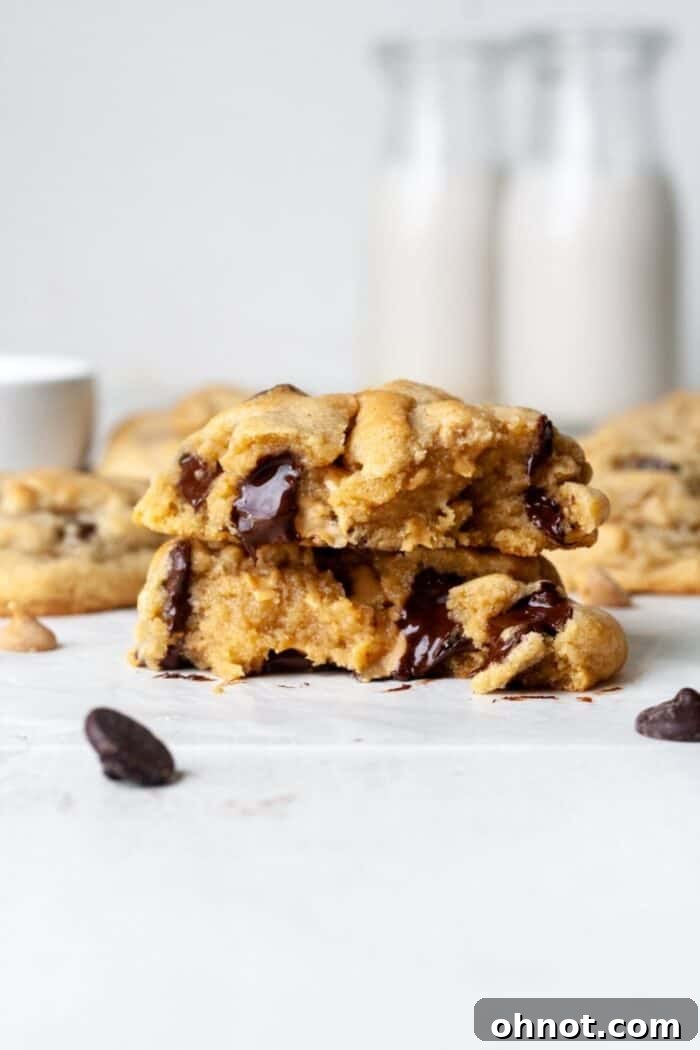
Serving & Storing Your Delicious Gluten-Free Peanut Butter Cookies
Once your gluten-free peanut butter cookies have cooled sufficiently to handle, they are ready to be enjoyed! These delectable treats are perfect on their own, but truly shine when paired with a tall, cold glass of your favorite milk – whether it’s dairy, almond, oat, or soy. For an extra indulgent dessert, serve them warm with a scoop of vanilla bean ice cream, allowing the melting ice cream to mingle with the gooey cookie. They also make a fantastic accompaniment to an afternoon coffee or tea.
Proper storage ensures your cookies remain fresh and delicious for as long as possible:
- Room Temperature: Store baked cookies in an airtight container at room temperature for up to 4 days. This keeps them soft and chewy.
- Refrigeration: For extended freshness, you can store the cookies in an airtight container in the refrigerator for up to 7 days. They might become slightly firmer when cold, but will soften up quickly at room temperature.
- Freezing: These cookies freeze beautifully! Once completely cooled, place them in a single layer on a baking sheet to flash freeze for about 30 minutes. Then, transfer the frozen cookies to a freezer-safe airtight container or heavy-duty freezer bag, separating layers with parchment paper to prevent sticking. They can be frozen for up to 1 month. When ready to enjoy, simply thaw them at room temperature for a few hours, or warm gently in the microwave for a few seconds for that freshly baked feel.
Frequently Asked Questions About Gluten-Free Peanut Butter Cookies
Yes, most plain peanut butter is naturally gluten-free because peanuts are gluten-free legumes. However, it’s always crucial to check the ingredient labels of commercial peanut butter brands. Some flavored varieties or those processed in facilities that also handle gluten-containing products might contain hidden gluten or be subject to cross-contamination. Look for brands that are certified gluten-free for the utmost assurance, especially if you have Celiac disease or a severe sensitivity. The natural creamy peanut butter recommended for this recipe typically consists only of peanuts and salt, making it a safe choice.
No, one of the best features of this recipe is that it requires absolutely no dough chilling! This means you can whip up a batch of delicious cookies much faster, making it perfect for those spontaneous baking moments. I’ve tested this recipe both with and without chilling the dough, and I actually prefer the results from the non-chilled dough. It spreads just a tiny bit more, resulting in a slightly flatter, wonderfully chewy cookie with a more pronounced crispy edge, which enhances the overall texture.
For the absolute best texture and flavor in these gluten-free peanut butter cookies, we highly recommend using an all-natural creamy peanut butter that lists only peanuts and salt as its ingredients. This type of peanut butter has a higher natural oil content and a looser consistency once stirred, which contributes to a perfectly moist, chewy, and rich cookie. Avoid “no-stir” or heavily processed peanut butter brands that contain added sugars, hydrogenated oils, or trans fats, as these can lead to drier, denser cookies with a less authentic peanut butter flavor. The quality of your peanut butter directly impacts the final cookie experience.
Peanut butter chips are a common baking ingredient and are readily available in most major grocery stores. You’ll typically find them in the baking aisle, alongside chocolate chips and other baking morsels. Brands like Reese’s or Nestlé often produce them. If you’re having trouble locating them locally, they are also widely available for purchase online through retailers like Amazon, making it easy to get your hands on them for this delicious recipe.
You May Also Enjoy These Gluten-Free & Peanut Butter Inspired Recipes
- Almond Flour Peanut Butter Cookies
- Keto Peanut Butter Chocolate Chip Cookies
- Banana Oatmeal Peanut Butter Cookies
- Coconut Peanut Butter
- Chocolate Chip Sugar Cookies
If you fall in love with this gluten-free peanut butter cookies recipe as much as we have, we would genuinely appreciate you leaving a review! Your feedback helps us share these delicious creations with more people. You can connect with us and share your baking journey on Instagram, Facebook, and Pinterest. We’d love for you to follow along for daily inspiration and delicious ideas! For even more fantastic treats, explore our collection of Dessert Recipes.

15
9
24
Get the Recipe:
Gluten Free Peanut Butter Cookies
Pin Recipe
Ingredients
14
cookies
-
1
cup
cold butter,
cut into cubes -
½
cup
granulated sugar -
1
cup
light brown sugar,
tightly packed -
2
eggs -
1
tbsp
vanilla extract -
½
cup
all natural creamy peanut butter -
2 ¾
cups
gluten free 1 to 1 flour -
1
tsp
tapioca flour,
or cornstarch -
1
tsp
baking soda -
1
cup
dark chocolate chips -
1
cup
peanut butter chips
Instructions
-
First, preheat oven to 400 degrees Fahrenheit. Line a baking pan with parchment paper.
-
In a stand mixer, add cubes of cold butter, granulated sugar, and light brown sugar. Beat until no clumps of butter remain, about 2 minutes.
-
Then, add in eggs and vanilla extract. Beat to combine.
-
Add in peanut butter. Beat until combined.
-
Add gluten-free flour, tapioca flour, and baking soda to mixing bowl. Mix until a thick dough forms.
-
Fold in dark chocolate chips and peanut butter chips.
-
Use an ice cream scoop or large spoon to scoop large balls of dough onto the lined pan. Mine were about ⅓ cup in size.
-
Bake for 9 to 10 minutes or until cookies are just barely set in the middle.
-
Finally, remove from oven. Allow cookies to cool on the pan for 10 minutes. Then carefully transfer to a cooling rack to finish cooling.
Notes
- Use cold butter right from the fridge. Slice into small ½ inch cubes.
- Use all-natural peanut butter that is made with only peanuts and salt. Any added sugars or oils will alter the texture.
- The cookie dough will be thick.
- I used King Arthur Flour 1 to 1 gluten-free flour. All-purpose flour can work too for a non-gluten-free option. I do not recommend using almond flour or coconut flour in its place since they are very different and require significant recipe adjustments.
- If you do not have peanut butter chips, feel free to use more chocolate chips instead for a richer chocolate flavor.
- Do not overbake! This is the secret to gooey, chewy centers.
- Store cookies covered at room temperature for up to 4 days for optimal freshness.
- These cookies freeze exceptionally well for longer storage.
Calories:
520
kcal
,
Carbohydrates:
64
g
,
Protein:
9
g
,
Fat:
27
g
,
Saturated Fat:
16
g
,
Polyunsaturated Fat:
2
g
,
Monounsaturated Fat:
6
g
,
Trans Fat:
1
g
,
Cholesterol:
61
mg
,
Sodium:
288
mg
,
Potassium:
200
mg
,
Fiber:
2
g
,
Sugar:
33
g
,
Vitamin A:
440
IU
,
Vitamin C:
1
mg
,
Calcium:
67
mg
,
Iron:
1
mg
Addison LaBonte
Dessert
American
Love these gluten-free peanut butter cookies? Don’t miss out on future delicious recipes and healthy meal plans! You can sign up here to receive exclusive content directly to your inbox. Happy baking!