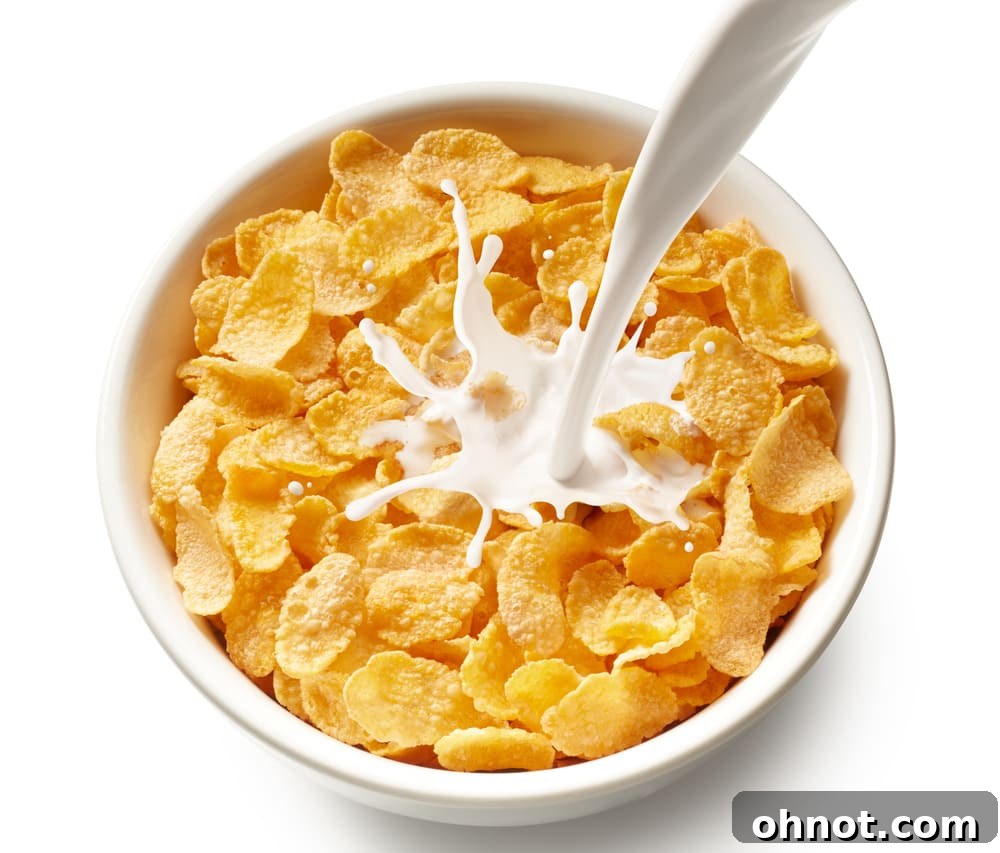
For many, a bowl of crispy corn flakes is the quintessential start to the day. However, for individuals managing celiac disease, gluten sensitivity, or simply choosing a gluten-free lifestyle, this seemingly innocent breakfast staple can pose a significant dietary challenge. While corn itself is a naturally gluten-free grain, the journey from corn kernel to the flakes in your bowl often involves ingredients and processes that introduce gluten.
This comprehensive guide will unravel the complexities surrounding corn flakes and gluten, helping you make informed decisions to ensure your breakfast is both delicious and safe. We’ll delve into the common culprits like malt flavoring, explore the risks of cross-contamination, identify reliable gluten-free options, and provide essential tips for navigating the cereal aisle with confidence.
For a comprehensive guide on various breakfast options, check out Gluten Free Cereal! And if you’re looking for a fun treat, be sure to bake these delicious Lucky Charms Cookies!
Understanding the intricacies of gluten in processed foods is crucial for anyone adhering to a gluten-free diet. It’s not always about the primary ingredient, but rather the additives, flavorings, and manufacturing environments that can turn a naturally gluten-free grain into a problematic food. By the end of this article, you’ll be equipped with the knowledge to distinguish truly gluten-free corn flakes from their gluten-containing counterparts, ensuring peace of mind with every spoonful.
Check out this post about Rice Krispies and Is Baking Soda Gluten Free? In addition, learn more about Is Peanut Butter Gluten Free?
Are All Cornflake Cereals Gluten Free? The Hidden Truth
The straightforward answer is no, not all cornflake cereals are gluten-free, despite corn being naturally free of gluten. This often comes as a surprise to many, especially those new to a gluten-free diet, who might assume that anything made from corn is automatically safe. However, the manufacturing process and the addition of certain ingredients are the primary reasons why many conventional corn flakes are unsuitable for a gluten-free lifestyle.
Several critical factors contribute to the gluten content in otherwise corn-based cereals:
Malt Flavoring: The Sneaky Culprit
Perhaps the most common reason why many popular corn flakes brands are not gluten-free is the inclusion of malt flavoring. Malt is typically derived from barley, a grain that unequivocally contains gluten. It’s added to cereals not only for its distinct, slightly sweet, and savory flavor profile but also to enhance the cereal’s crispness and color. Even a small amount of malt flavoring is enough to render the product unsafe for individuals with celiac disease or gluten sensitivity, as it introduces detectable levels of gluten.
Cross-Contamination Concerns During Manufacturing
Another significant issue is the risk of cross-contamination. Many food manufacturers produce a wide range of products, some of which contain gluten-containing grains like wheat, barley, or rye. If corn flakes are processed on shared equipment, in the same facility, or even within the same building as these gluten-containing products, there’s a considerable risk of gluten particles transferring to the corn flakes. This can happen through shared conveyor belts, processing machinery, air ducts, or even packaging lines, making it a serious concern for those who must strictly avoid gluten.
Natural Flavorings & Other Additives: Hidden Gluten Sources
While less common, some natural flavorings, binders, or other additives used in cereal formulations might also contain hidden gluten or be derived from gluten-containing sources. The term “natural flavors” on an ingredient list can sometimes be ambiguous, and without specific clarification from the manufacturer, it can be difficult to ascertain its gluten status. This highlights the crucial importance of looking for explicit “gluten-free” labeling.
Read about Buckwheat as well, which is another naturally gluten-free grain often misunderstood!
Navigating the Market: Finding Truly Gluten-Free Corn Flakes Options
Fortunately, as awareness of celiac disease and gluten sensitivity grows, so does the availability of specialty gluten-free products. The market now offers several excellent gluten-free corn flakes options, specifically formulated and processed to be safe for those avoiding gluten. These brands go the extra mile by either omitting gluten-containing ingredients entirely (like malt flavoring) or ensuring strict protocols to prevent cross-contamination.
When searching for safe options, always look for clear “gluten-free” labeling on the packaging. Many reputable brands also pursue third-party certifications, which provide an extra layer of assurance that the product meets stringent gluten-free standards (typically less than 20 parts per million of gluten). Here are some reliable gluten-free corn flakes brands you might find in grocery stores or online:
1. Nature’s Path Organic Corn Flakes
Nature’s Path is a well-regarded brand known for its commitment to organic, non-GMO, and health-conscious products. Their Organic Corn Flakes are specifically formulated to be gluten-free, using organic whole corn and simple ingredients. They are a popular choice for consumers looking for a pure, clean, and certified gluten-free option that aligns with organic dietary preferences. This brand focuses on minimal processing and transparent ingredient sourcing.
2. Barbara’s Corn Flakes
Barbara’s is another brand that offers a dedicated gluten-free corn flakes option. Their gluten-free version is carefully crafted to exclude malt flavoring and other gluten-containing additives. It’s essential to specifically choose the product labeled “gluten-free” from Barbara’s line, as they may also produce conventional cereals. Barbara’s is often praised for its taste and texture, providing a satisfying crunch that’s comparable to traditional corn flakes.
3. Erewhon Corn Flakes
Erewhon is known for its simple, wholesome, and organic offerings. Their Corn Flakes are clearly labeled gluten-free, focusing on the purity of ingredients and avoiding artificial additives, colors, or preservatives. Erewhon’s commitment to natural foods makes their corn flakes a trusted choice for those seeking a straightforward, unadulterated, and gluten-free breakfast cereal. They often appeal to consumers who prioritize minimal ingredients.
4. Field Day Corn Flakes
Field Day is a brand often found in natural food stores and co-ops, offering a range of organic and health-focused products. Their Corn Flake cereal is certified gluten-free, providing a reliable and safe option. Field Day emphasizes sustainable sourcing and high-quality ingredients, making their gluten-free corn flakes a consistent and trustworthy choice for a gluten-free diet. Always check for their certification symbol on the packaging.
5. Store-Brand or Generic Gluten Free Corn Flakes
Many large grocery store chains have expanded their private-label offerings to include gluten-free alternatives. It’s common to find store-brand gluten-free corn flakes in the dedicated “gluten-free” aisle or section of your local supermarket. These options can often be more budget-friendly while still adhering to strict gluten-free standards. As always, rigorous label checking for a clear “gluten-free” statement is paramount, even with store brands, as their formulations can vary.
6. The Real Cereal Company
For many, including us, these are a top favorite! The Real Cereal Company focuses on simplicity and quality, delivering incredibly crunchy and crispy corn flakes. What sets them apart is their minimalist ingredient list: typically just whole grain corn and salt. This straightforward approach ensures a naturally gluten-free product free from unnecessary additives, making them an excellent choice for purity and taste. Their commitment to basic, high-quality ingredients shines through in every bite.
Which Corn Flakes Are Not Gluten Free? Brands to Be Cautious Of
While the list of gluten-free options is growing, it’s equally important for consumers to be aware of the conventional corn flakes brands that contain gluten. Knowing which products to avoid is crucial for maintaining a strict gluten-free diet. The primary reasons these cereals are not gluten-free typically revolve around the use of malt flavoring and the risk of cross-contamination during their large-scale production.
Here are examples of corn flakes that are generally not gluten-free and should be avoided by individuals with celiac disease or gluten sensitivity:
Kellogg’s Corn Flakes: The Most Common Example
Kellogg’s Corn Flakes are arguably the most widely recognized and consumed brand globally. Despite their popularity, these corn flakes are not gluten-free. The reason lies in their ingredient list, which explicitly includes “malt flavor” or “malt flavoring” derived from barley. As barley is a gluten-containing grain, any product containing its derivatives, even in small amounts, is unsuitable for a gluten-free diet. This is a crucial point of confusion for many, as corn is the primary ingredient, but the added malt makes all the difference.
Many Store Brands/Generic Corn Flakes: A Need for Vigilance
Not all generic or store-brand corn flakes are created equal, and many do not qualify as gluten-free. Often, these brands aim to replicate the taste and texture of major national brands like Kellogg’s. In doing so, they may also mimic the ingredient list, which frequently includes malt flavoring or other gluten-containing additives. Without a clear “gluten-free” label, it’s always safest to assume that store-brand corn flakes contain gluten. Always scrutinize the ingredient list thoroughly, especially the “Contains” or “May contain” allergen statements.
Corn Flakes with Additional Flavors or Mix-Ins: Added Complexity
Some corn flake cereals come with added flavors, coatings, or mix-ins, such as frosted varieties, honey-nut flavors, or blends with other cereal pieces. These additional ingredients can introduce gluten. For instance, a frosting might contain a wheat-derived thickener, or a mix-in could be a gluten-containing grain. Even if the base corn flake is gluten-free, the added components can render the entire product unsafe. This is why a thorough check of the complete ingredient list is imperative for any flavored or mixed cereal product.
Corn Flakes Produced in Facilities that Process Gluten-Containing Grains: The Cross-Contamination Risk
Beyond specific ingredients, the manufacturing environment itself can be a source of concern. Even if a corn flake product doesn’t explicitly list gluten-containing ingredients like malt, if it’s produced in a facility that also processes wheat, barley, rye, or other gluten-rich grains, there’s a significant potential for cross-contamination. While manufacturers may implement cleaning protocols, dedicated gluten-free facilities or certified gluten-free lines offer the highest level of assurance for sensitive individuals. Without such certification, the risk remains a factor to consider.
Frequently Asked Questions (FAQs) About Gluten-Free Corn Flakes
Many conventional cornflakes contain malt flavoring derived from barley, which contains gluten, making them unsafe for a gluten-free diet. To ensure your corn flakes are truly gluten-free, always look for explicit “gluten-free” labeling on the packaging. Reputable brands that offer certified gluten-free versions include Nature’s Path, Barbara’s (specific GF option), Erewhon, Field Day, and The Real Cereal Company. These brands either do not use malt or process their cereals in facilities dedicated to gluten-free production, adhering to strict standards.
Gluten-free cornflakes are primarily made of milled corn, typically whole grain corn, which is naturally gluten-free. Other common ingredients include sugar, salt, and sometimes vitamins and minerals for fortification. The key distinction from conventional cornflakes is the deliberate absence of malt flavoring (derived from barley) and other gluten-containing additives. Furthermore, they are produced with stringent measures to prevent cross-contamination with gluten-containing grains during manufacturing. Always check the nutrition labels to verify the ingredient list and gluten-free certification.
Yes, both oats and corn are naturally gluten-free grains. However, the caveat for oats is significant: conventional oats are frequently cross-contaminated with wheat, barley, or rye during farming, harvesting, transportation, or processing in shared facilities. For this reason, individuals on a strict gluten-free diet should only consume “certified gluten-free oats,” which have been specially processed to avoid this contamination. Corn, on the other hand, is less prone to cross-contamination in its whole form but can become an issue when processed into products like cornflakes that include gluten-containing additives or are made on shared equipment.
Pure, unprocessed oats do not contain gluten. The protein in oats, avenin, is generally tolerated by most individuals with celiac disease, although a small percentage may react to it. The main concern with oatmeal and oats, in general, is cross-contamination. Traditional oat production and processing often occur in facilities that also handle wheat, barley, and rye, leading to gluten exposure. Therefore, for oatmeal to be safe for a gluten-free diet, it must be explicitly labeled as “certified gluten-free.” This certification guarantees that the oats have been grown and processed in dedicated gluten-free environments, minimizing the risk of contamination below the safe threshold of 20 parts per million (ppm).
You May Also Like: Explore More Gluten-Free Insights
Navigating a gluten-free lifestyle often means continuously learning about the hidden complexities in everyday foods. If you found this discussion on corn flakes helpful, you might be interested in exploring other common food items and ingredients to ensure your diet remains safe and enjoyable. Here are some related articles to further expand your gluten-free knowledge and culinary repertoire:
- Are Reese’s Gluten Free? – Uncover the gluten status of this beloved chocolate and peanut butter candy.
- Gluten Free Tortillas – Find out which tortillas are safe and delicious for your wraps and tacos.
- Gluten Free Cupcakes – Discover how to bake or find delightful gluten-free cupcakes for any occasion.
- Are Sprinkles Gluten Free? – A surprisingly complex question for decorating your gluten-free treats.
- Gluten Free Bread Recipe – Learn to make your own delicious and reliable gluten-free bread at home.
Understanding the nuances of gluten in various products empowers you to make confident choices and enjoy a diverse, safe diet. We hope these resources provide valuable insights into managing a gluten-free lifestyle with ease and pleasure. If you found this post helpful, I would really appreciate a review and your thoughts! You can find me on Instagram, Facebook, and Pinterest. In addition, join my exclusive Facebook Group for a behind-the-scenes look at new recipes and gluten-free tips. For more ideas and inspiration, especially for those with a sweet tooth, check out these delicious Dessert Recipes.