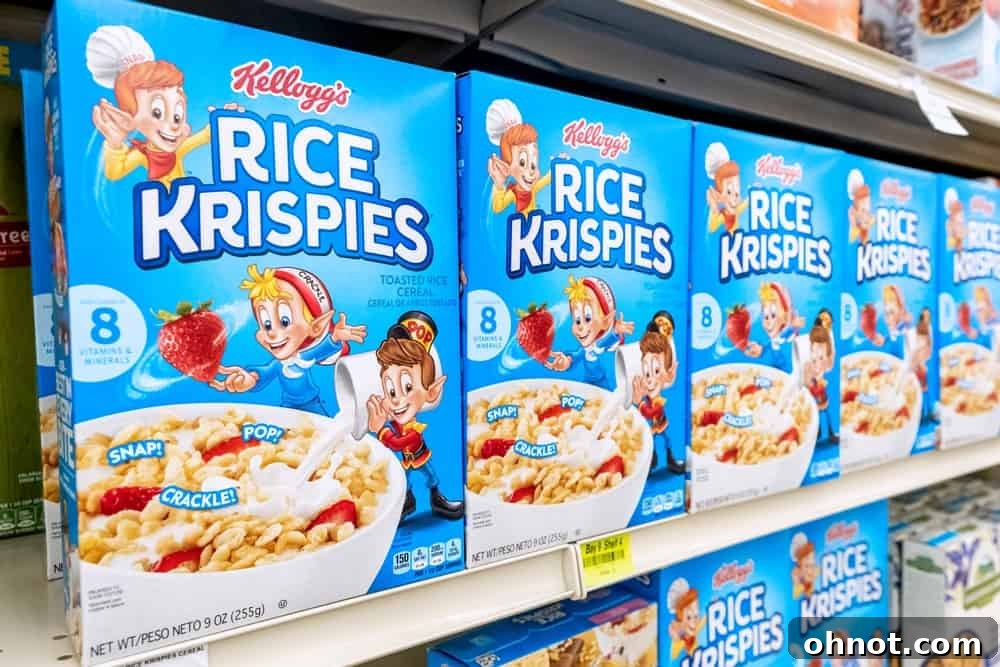
Rice Krispies has been a beloved breakfast cereal for generations, famous for its light, crispy texture and the iconic “snap, crackle, and pop” sounds it makes when milk is added. This delightful auditory experience is a result of the cereal’s thin, crisped rice walls collapsing upon liquid contact. First introduced by the Kellogg Company in 1928, Rice Krispies quickly cemented its place in breakfast history. But for those navigating a gluten-free lifestyle, a crucial question arises: Are Rice Krispies gluten-free? This comprehensive guide will delve into the ingredients, brand variations, and important considerations to help you make informed dietary choices.
The origin of Rice Krispies is quite fascinating. Legend has it that the cereal was created somewhat by accident when Kellogg employee Mildred Wirt (sometimes attributed to Kellogg employee Eugene McKay) inadvertently increased the heat on a batch of puffed rice. The result was a surprisingly light and crispy product, which, when combined with milk, produced the now-famous sounds that captivated consumers. This innovative cereal quickly became a household staple, supported by memorable advertising campaigns and its distinctive auditory signature.
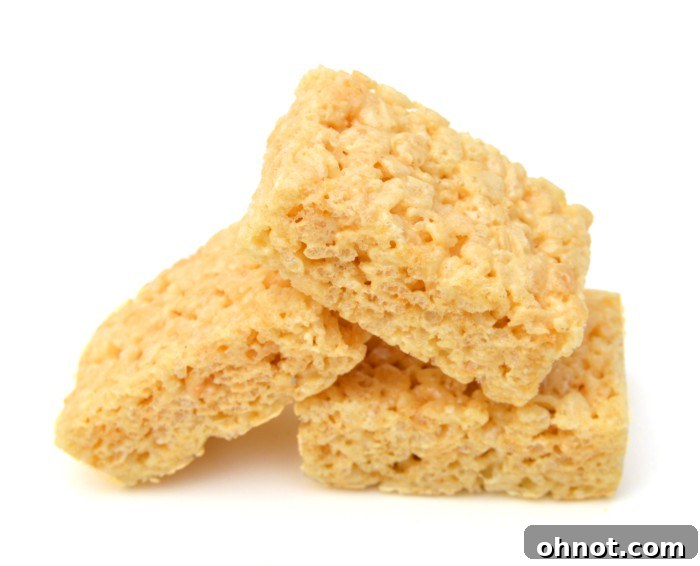
For those seeking delicious gluten-free alternatives, don’t miss trying my homemade Gluten Free Rice Krispies Treats or these delightful Rice Krispie Cookies!
Beyond its initial success, Rice Krispies has maintained its popularity through the decades, featuring in countless television commercials, movies, and pop culture references. Its simple yet satisfying appeal ensures it remains a go-to breakfast choice for many. However, the increasing awareness of dietary sensitivities, particularly concerning gluten, makes it essential to scrutinize the ingredient list of even the most classic foods.
Before we dive deeper, you might also be interested in clarifying other common dietary questions: discover Is Baking Soda Gluten Free? and explore Is Peanut Butter Gluten Free?
Are Kellogg’s Rice Krispies Gluten Free? Unpacking the Truth
When it comes to the traditional, widely available Kellogg’s Rice Krispies cereal, the definitive answer is **no, they are not gluten-free.** This often surprises many consumers, as rice itself is a naturally gluten-free grain. The key ingredient that renders traditional Rice Krispies unsuitable for a gluten-free diet is **malt flavoring.**
Malt flavoring is typically derived from barley, a grain that contains gluten. Even in small amounts, gluten from barley malt can trigger adverse reactions in individuals with celiac disease or non-celiac gluten sensitivity. The malting process extracts sugars and flavors from barley, and these gluten-containing compounds are then incorporated into the cereal to enhance its taste profile. Therefore, despite being primarily made of rice, the addition of malt flavoring means that traditional Kellogg’s Rice Krispies do not meet the strict requirements for “gluten-free” labeling.
It is important to note that, in response to growing consumer demand for gluten-free options, Kellogg’s did, for a period, offer a dedicated gluten-free version of Rice Krispies. This particular product was carefully formulated using whole grain brown rice and, crucially, omitted the barley-derived malt flavoring. For those specifically seeking a gluten-free variant, it was paramount to meticulously check the packaging for an explicit “gluten-free” label and certification. However, it’s vital for consumers to be aware that Kellogg’s currently does not offer a gluten-free version of Rice Krispies in the United States. Always refer to the most up-to-date product packaging and Kellogg’s official statements for current information, as product formulations and availability can change over time.
For more insights into gluten-free grains, you can also explore whether Buckwheat is Gluten Free.
Beyond Gluten: Other Ingredients to Watch Out For
Beyond the primary gluten concern, various ingredients and manufacturing considerations might be relevant for individuals with specific dietary needs, allergies, or health concerns. Understanding what goes into your food allows for greater control over your diet.
Malt Flavoring: As highlighted, this is the chief culprit for traditional Rice Krispies not being gluten-free. Derived from barley, it is a significant concern for anyone managing celiac disease or gluten sensitivity. Always scan the ingredient list for “malt,” “barley malt,” or “malt flavoring.” For comparison, you might wonder, Are Corn Flakes Gluten Free? (Often, they also contain malt, making them non-GF).
Sugar: Like many popular breakfast cereals, Rice Krispies contain added sugars. While sugar provides energy and sweetness, excessive intake can contribute to various health issues, including weight gain, increased risk of type 2 diabetes, and dental problems. If you’re monitoring your sugar intake or prefer a low-sugar diet, examine the “Sugars” content on the nutrition label. Look for cereals with lower sugar per serving or those sweetened with natural, less processed alternatives.
Salt (Sodium): Sodium is an essential electrolyte, but too much can lead to high blood pressure and other cardiovascular issues. Breakfast cereals can sometimes be a hidden source of sodium. If you’re advised to watch your sodium intake, compare the sodium content across different brands and choose options that are lower in salt per serving.
Vitamins & Minerals: Many cereals, including Rice Krispies, are fortified with essential vitamins and minerals such as iron, folic acid, and B vitamins. While fortification helps address common nutrient deficiencies, if you are already taking supplements or have specific dietary needs, you might want to be aware of the added nutrients to avoid excessive intake of certain vitamins or minerals.
Corn and Soy: While rice is the primary ingredient, some varieties or off-brand crisped rice cereals might include corn or soy ingredients. These are common allergens, and individuals with allergies or sensitivities to corn or soy should carefully check ingredient lists. Soy, in particular, is often present in the form of soy lecithin, used as an emulsifier.
Artificial Flavors or Colors: Traditional Rice Krispies typically do not rely heavily on artificial additives. However, flavored versions or generic brands might incorporate artificial flavors or synthetic food dyes. For those who prefer to avoid these ingredients due to potential sensitivities or a desire for a more natural diet, always scrutinize the label for specific artificial flavorings or color additives (e.g., Yellow 5, Red 40).
Preservatives: To extend shelf life and maintain freshness, some food products include preservatives. If you are aiming to minimize your intake of processed ingredients or are sensitive to certain chemical preservatives, checking the ingredient list for common preservatives like BHT or BHA is advisable.
Cross-contamination: Even if a product’s stated ingredients are free from your specific allergen or gluten, the manufacturing environment can pose a risk. Facilities that process common allergens like nuts, wheat, soy, or dairy on shared equipment without adequate cleaning protocols can lead to cross-contamination. Products may carry “may contain” or “processed in a facility that also processes” warnings, which are crucial for those with severe allergies or celiac disease.
GMOs (Genetically Modified Organisms): For consumers concerned about genetically modified ingredients, it’s worth noting whether a product or its components (like corn or soy derivatives) are sourced from GMO crops. Many brands now offer products specifically labeled as “Non-GMO Project Verified” to cater to this preference. If avoiding GMOs is a priority, look for these specific certifications on the packaging.
Gluten-Free Crisp Rice Cereal Alternatives
Since traditional Kellogg’s Rice Krispies are not gluten-free, and Kellogg’s currently does not offer a gluten-free variant, many individuals on a gluten-free diet seek out alternative brands of crisp rice cereal. Fortunately, the market has responded to this need, offering several excellent gluten-free options. It’s important to remember that product availability can vary greatly by region and specific grocery stores. Always look for clear “gluten-free” labeling on the packaging.
Here are some prominent brands that have offered gluten-free rice crisped cereals, providing safe and delicious alternatives:
Nature’s Path: A well-known organic brand, Nature’s Path offers “Crispy Rice” cereal, which is certified organic and explicitly labeled gluten-free. This is a popular choice for those looking for both organic and gluten-free attributes.
Real Cereal Company: Many consumers appreciate this brand for its brown rice cereal, which is a reliable gluten-free option. Keeping a bag of this in your pantry ensures you always have a safe base for breakfast or treats. Its flavor and texture make it a delicious choice for various recipes.
Barbara’s: This brand is recognized for its commitment to natural ingredients. They offer a brown rice crisps cereal that is specifically designed to be gluten-free, providing a wholesome alternative to traditional versions.
One Degree Organic Foods: For those seeking even higher standards, One Degree Organic Foods offers a “Sprouted Brown Rice Crisps” cereal. This product is not only gluten-free but also organic and made with sprouted grains, which some believe enhances nutrient absorption and digestibility.
Erewhon: Known for its wholesome and organic products, Erewhon provides a “Crispy Brown Rice” cereal that is both gluten-free and organic. It’s often favored by those looking for a clean and simple ingredient list.
Trader Joe’s: If you live near a Trader Joe’s, their store brand often carries a gluten-free rice cereal. Trader Joe’s is celebrated for making specialty dietary products more accessible and affordable. Always check the label for their specific gluten-free certification. You can also explore other fantastic Gluten Free Trader Joe’s Products while you’re there!
When purchasing any of these alternatives, it is crucial to read the ingredient list carefully and look for clear “gluten-free” certifications, such as the GFCO (Gluten-Free Certification Organization) symbol. This ensures that the product meets stringent standards for gluten content, providing peace of mind for individuals with celiac disease or severe gluten sensitivities.
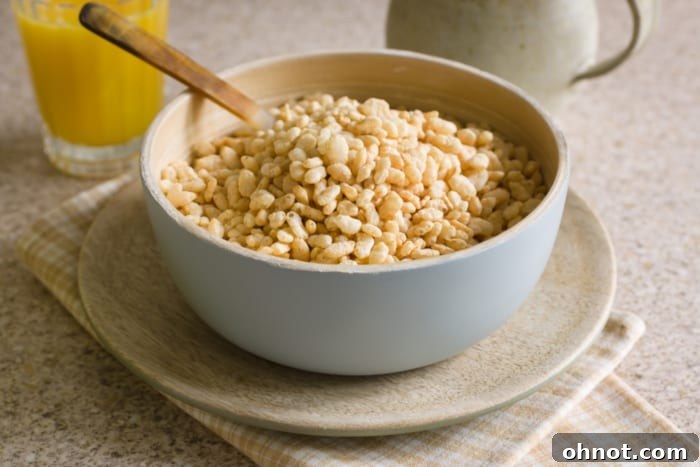
Is Puffed Rice the Same as Crisp Rice? A Key Distinction
While both puffed rice and crisp rice are popular forms of expanded rice grains, they are not interchangeable. They undergo distinct manufacturing processes, resulting in noticeable differences in their texture, appearance, and typical uses. Understanding these distinctions is particularly important for culinary applications and dietary considerations, especially when seeking gluten-free options.
Production Method:
Puffed Rice: This is typically created by rapidly heating rice kernels under high pressure. When the pressure is suddenly released, the moisture within the rice grains quickly turns to steam, causing the individual grains to expand or “puff” outwards. This process is generally simpler, often involving just heat and pressure, without the addition of other ingredients or extensive shaping.
Crisp Rice: The production of crisp rice, like that found in Rice Krispies, is a more involved process. It begins with cooking rice, often with a mixture of sugars and other ingredients, to form a pliable dough. This dough is then extruded through specialized machinery to create small, uniform rice shapes. These shapes are then toasted, which is the crucial step that gives crisp rice its characteristic crunchy texture and sometimes a slightly golden hue. This toasting process is what makes it “crisp.”
Texture:
Puffed Rice: Characterized by its very light, airy, and somewhat delicate texture. It tends to be soft and almost spongy, rather than truly crunchy. It can become chewy quite quickly when exposed to moisture.
Crisp Rice: In contrast, crisp rice offers a more robust crunch and a satisfyingly crispy bite. Its structure is more resilient, allowing it to maintain its crispness for longer, even when mixed with milk or other liquids (though eventually it will soften).
Appearance:
Puffed Rice: The individual grains of rice maintain their original basic shape but are significantly larger and visibly “puffed” up. They often appear irregular in size and can be quite white.
Crisp Rice: The grains of crisp rice often appear more uniform in size and shape due to the extrusion process. The toasting step can also give them a slightly golden or caramelized appearance, distinguishing them from the typically whiter puffed rice.
Usage:
Puffed Rice: Frequently used in traditional snacks across various cultures, such as “murmura” in India (a popular snack base). It’s also found in some rice cakes, as a light garnish, or as an ingredient in certain confectionery where a very light, almost melt-in-your-mouth texture is desired.
Crisp Rice: Primarily known as a breakfast cereal (e.g., Rice Krispies) and is a staple ingredient in popular dessert bars, most notably rice crispy treats. Its durable crunch makes it ideal for recipes where texture retention is key.
Both puffed and crisp rice offer unique textural and culinary experiences. Your choice between the two will depend on the specific dish you’re preparing and the desired texture. For gluten-free purposes, it’s crucial to remember that while plain puffed rice is almost always gluten-free, crisp rice cereals must be checked for malt flavoring to ensure they are safe for a gluten-free diet.
Crafting Your Own Gluten-Free Rice Krispies Treats
Given that traditional Rice Krispies are off-limits for a gluten-free diet, the good news is that recreating the beloved Rice Krispies treat is incredibly simple with gluten-free crisp rice cereal alternatives. Making your own treats offers the ultimate control over ingredients, ensuring they are safe, delicious, and tailored to your preferences.
The basic recipe for these classic treats involves just three main ingredients: gluten-free crisp rice cereal, marshmallows, and butter. By substituting conventional Rice Krispies with a certified gluten-free brand like Nature’s Path Crispy Rice or Erewhon Crispy Brown Rice, you can easily enjoy this nostalgic dessert without any gluten concerns. Ensure that your marshmallows are also gluten-free (most mainstream brands are, but it’s always wise to check) and that you use real butter.
The process is straightforward: melt butter and marshmallows together over low heat until smooth and creamy. Remove from heat, then gently fold in your gluten-free crisp rice cereal until evenly coated. Press the mixture into a greased baking pan, let it cool and set, then cut into squares. This homemade approach not only guarantees a gluten-free snack but also allows for creative additions, such as a drizzle of melted gluten-free chocolate, a sprinkle of sea salt, or even incorporating gluten-free candy pieces for extra flair. The peace of mind that comes from knowing exactly what ingredients are used makes this a highly recommended option for anyone following a gluten-free lifestyle.
Navigating the Gluten-Free Lifestyle: Important Considerations
Understanding whether a product like Rice Krispies is gluten-free is a cornerstone of successfully managing a gluten-free diet. For individuals with celiac disease, even trace amounts of gluten can cause severe intestinal damage and a range of debilitating symptoms. For those with non-celiac gluten sensitivity (NCGS), gluten can trigger digestive issues, fatigue, headaches, and other uncomfortable symptoms. Therefore, meticulous label reading and ingredient awareness are not just preferences but necessities.
The growing prevalence of gluten-free diets, whether for medical reasons or personal choice, has led to a boom in gluten-free products. While this offers more options, it also necessitates vigilance. Terms like “wheat-free” do not automatically mean “gluten-free,” as gluten can also be found in barley and rye. Always look for explicit “gluten-free” labeling, preferably with a certification mark from reputable organizations, which indicates the product contains less than 20 parts per million (ppm) of gluten, a widely accepted standard.
Beyond packaged goods, cross-contamination is a significant concern in shared kitchens, restaurants, and even homes where both gluten-containing and gluten-free foods are prepared. Using separate cutting boards, utensils, toasters, and fryers can help minimize this risk. When dining out, communicating clearly with restaurant staff about your dietary needs is crucial.
Embracing a gluten-free lifestyle often means becoming a more informed and proactive consumer. By understanding ingredients like malt flavoring, identifying reliable gluten-free brands, and being aware of the nuances between similar products like puffed rice and crisp rice, you can confidently navigate the food landscape and enjoy a wide variety of delicious, safe, and satisfying meals and snacks.
Frequently Asked Questions (FAQs)
No, individuals with Celiac Disease cannot eat traditional Kellogg’s Rice Krispies. This is because traditional Rice Krispies contain malt flavoring, which is derived from barley, a gluten-containing grain. Consuming even small amounts of gluten can cause serious health issues for those with Celiac Disease.
No, traditional Kellogg’s Rice Krispies are not gluten-free due to the presence of malt flavoring, which is sourced from barley. While Kellogg’s previously offered a gluten-free version, they currently do not. Always check product labels for explicit “gluten-free” certification.
Yes, many store brands, including the Walmart Great Value brand of crisp rice cereal, are formulated to be gluten-free. These alternatives typically use brown rice and avoid malt flavoring. However, product formulations can change, so it is always essential to verify the current “gluten-free” labeling on the packaging before purchase.
Malt flavoring is an ingredient often used to add a distinct sweet, toasted taste to foods. It is commonly derived from barley, a grain that naturally contains gluten. For individuals on a gluten-free diet, any ingredient derived from barley (or wheat, rye) is problematic because it introduces gluten into the product, even if the primary ingredient is naturally gluten-free.
No, while rice itself is naturally gluten-free, not all rice cereals are. The processing and added ingredients are crucial. Many crisp rice cereals, including traditional Rice Krispies, add malt flavoring (derived from barley), making them not gluten-free. Always check the ingredient list and look for a “gluten-free” certification mark to ensure the cereal is safe for a gluten-free diet.
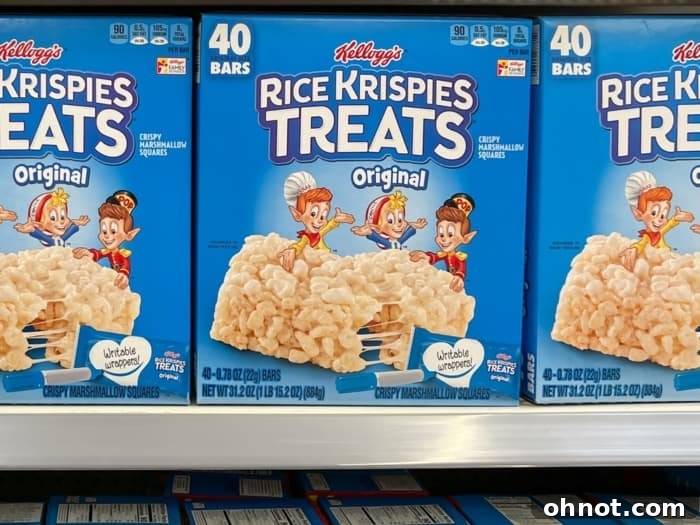
In conclusion, while Rice Krispies hold a cherished spot in many breakfast memories, traditional versions are not suitable for a gluten-free diet due to barley-derived malt flavoring. Fortunately, the market now offers a variety of excellent gluten-free crisp rice cereal alternatives, ensuring that everyone can enjoy the delightful crunch and versatility of this classic cereal. Always prioritize reading labels carefully and looking for official “gluten-free” certifications to make the safest and most informed choices for your dietary needs.
You May Also Like
- Are Reese’s Gluten Free?
- Gluten Free Tortillas
- Gluten Free Cupcakes
- Homemade Snickers Bars
- Gluten Free Bread Recipe
If you found this post helpful, I would really appreciate a review! You can find me on Instagram, Facebook, and Pinterest. Join my exclusive Facebook Group for a behind-the-scenes look. I would love for you to follow along! For more ideas, check out these Dessert Recipes.