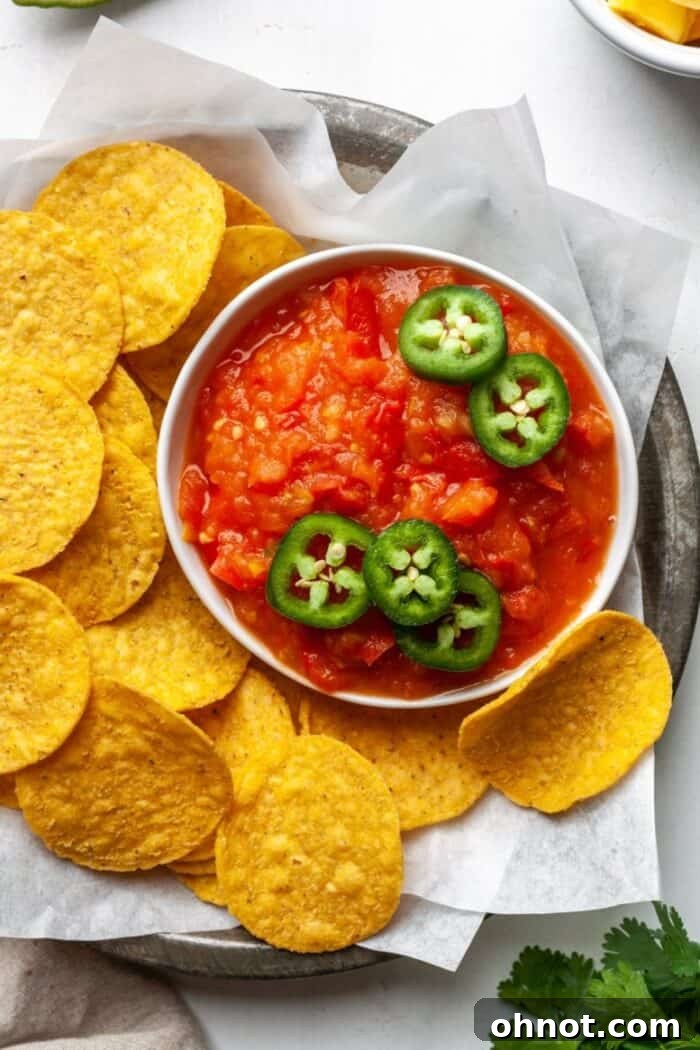
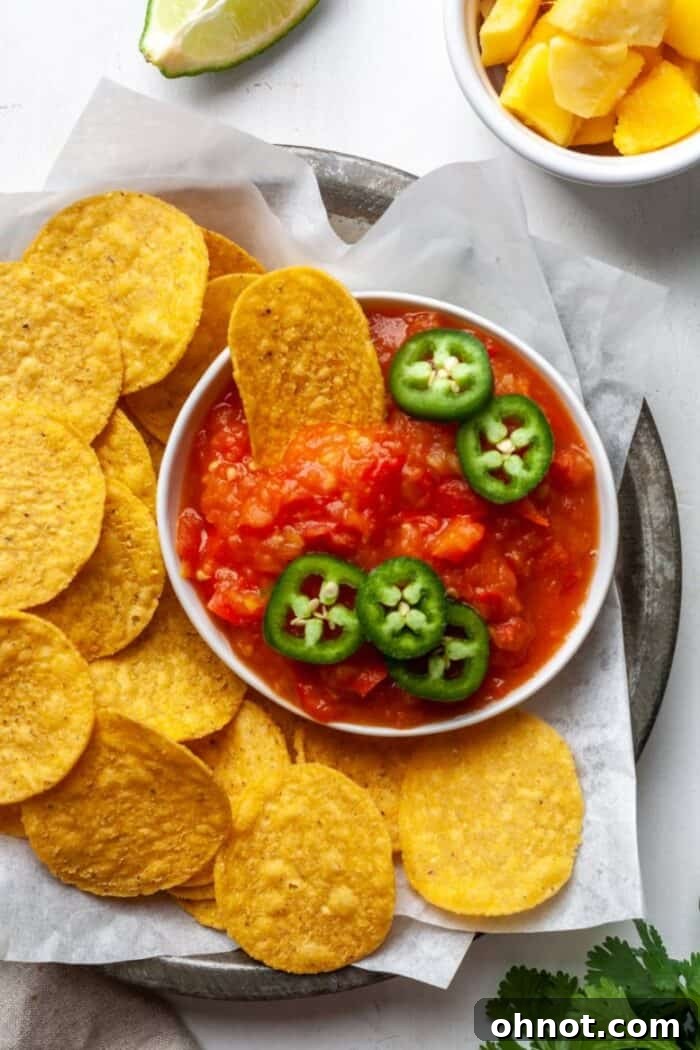
Unlock a burst of vibrant flavor with this incredible homemade Mango Habanero Salsa recipe. Far surpassing any store-bought alternative, this salsa is a masterpiece of sweet and spicy harmony, brimming with fresh, bold ingredients. It’s not just a condiment; it’s an experience, perfect for elevating everything from simple tortilla chips and fresh vegetables to grilled meats and seafood. This Whole30 approved delight is also Paleo, Gluten-Free, Dairy-Free, Sugar-Free, and Low Carb, making it an ideal choice for a variety of dietary preferences without compromising on taste. Get ready to transform your meals with a salsa that’s truly unforgettable!
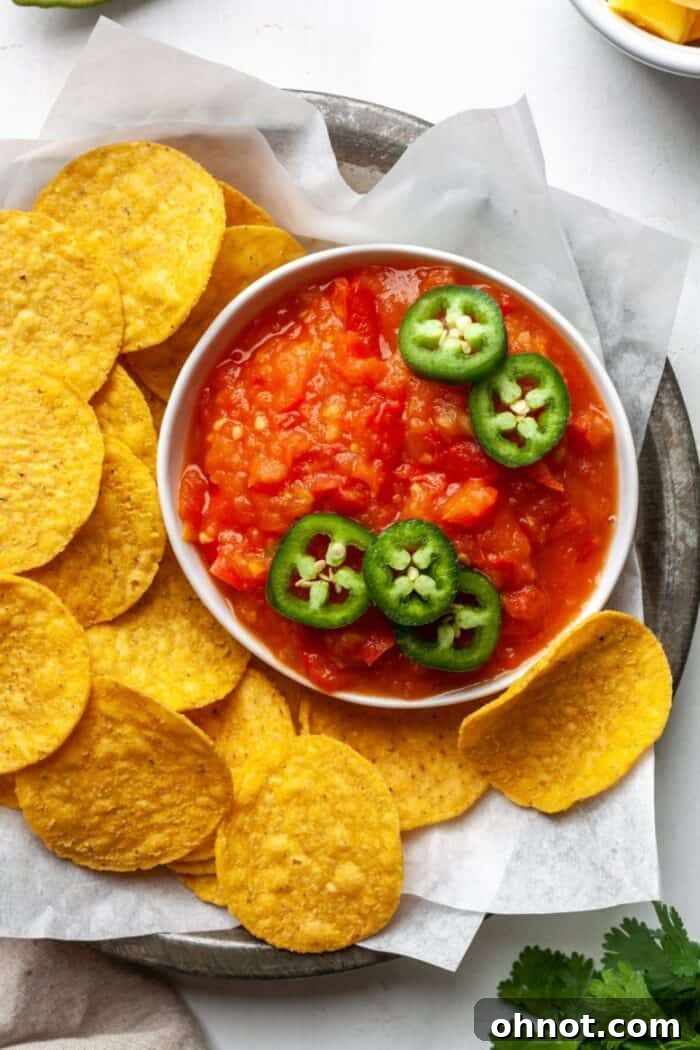
Why You’ll Fall in Love with This Homemade Mango Habanero Salsa
If you’re searching for a salsa that truly stands out, look no further. This Mango Habanero Salsa isn’t just another recipe; it’s a commitment to fresh, vibrant flavors and wholesome ingredients. Here’s why this homemade creation will become your new favorite:
- Unmatched Freshness and Flavor: Unlike generic store-bought options that often rely on artificial flavors and preservatives, our recipe prioritizes peak freshness. By using ripe, seasonal ingredients, you achieve a depth of flavor that is genuinely superior and incredibly satisfying. The roasting process further intensifies these natural flavors, creating a complex and rich profile that’s hard to beat.
- Wholesome and Dietary-Friendly: This salsa is crafted with health in mind. It’s free from preservatives and added sugars, making it a clean eating champion. Notably, it’s also made without onion and garlic, catering to those with specific dietary sensitivities or preferences. This recipe proudly complies with Whole30, Paleo, Gluten-Free, Dairy-Free, Sugar-Free, and Low Carb diets, proving that healthy eating can be deliciously exciting.
- Perfect Balance of Sweet and Spicy: The natural sweetness of ripe mango provides a beautiful counterpoint to the fiery kick of habanero peppers. This delicate balance creates an incredibly addictive taste profile that teases your palate without overwhelming it. It’s a harmonious blend that appeals to both heat seekers and those who appreciate a touch of sweetness in their savory dishes.
- Incredibly Versatile: This isn’t just a dip; it’s a culinary chameleon. While fantastic with your favorite chips or fresh veggie sticks, its robust flavor makes it an excellent accompaniment for grilled chicken, fish, pork, or even as a vibrant topping for tacos and salads. Its adaptability means it can elevate almost any meal, making it a staple in your kitchen.
- Pairs Perfectly with Healthy Dips: For an ultimate snack or appetizer spread, serve this salsa alongside a creamy Whole30 Guacamole. The rich avocado complements the sweet and spicy notes of the salsa beautifully, creating a dynamic duo that’s both delicious and incredibly healthy.
Unveiling the Habanero Pepper: Heat, Flavor, and Origin
The star of our spicy salsa, the habanero pepper, is more than just a source of heat; it’s a chili with a fascinating history and a distinctive fruity flavor. Understanding this vibrant pepper is key to appreciating the depth it brings to our salsa.
What are Habanero Peppers?
Habanero peppers are a well-known member of the chili pepper family, celebrated for their intense heat and unique tropical fruitiness. Originating from the Amazon basin, they are widely cultivated in Mexico, especially on the Yucatán Peninsula, and other Central and South American countries. These vibrant peppers undergo a striking color transformation as they mature: they typically start as green and ripen into a beautiful array of orange, red, or even yellow hues. The specific variety often dictates the final color and subtle flavor nuances, but their signature heat remains constant.
The Scoville Heat Scale Explained
To quantify the fiery intensity of peppers like the habanero, we use the Scoville Heat Scale. This scale, developed by American pharmacist Wilbur Scoville in 1912, measures the concentration of capsaicinoids – the chemical compounds responsible for a pepper’s pungency or “heat.” The unit of measurement on this scale is the Scoville Heat Unit (SHU).
To put the habanero’s heat into perspective:
- Mild peppers, such as bell peppers, register at 0 SHU, indicating no heat.
- For reference, common mild heat levels typically range from 0 to 5,000 SHU.
- A widely popular pepper, the jalapeño, falls into the range of approximately 3,000 to 8,000 SHU. This is a noticeable kick for many.
- Habanero peppers, however, are in an entirely different league, boasting an impressive heat index of anywhere between 100,000 and 350,000 SHU. This places them significantly higher on the scale than jalapeños, making them a much spicier choice. This intense heat is precisely what gives our Mango Habanero Salsa its characteristic fiery appeal.
Handling Habaneros Safely: A Few Precautions
Given their potent heat, handling habanero peppers requires a bit of care to avoid skin irritation. Always wear gloves when slicing or de-seeding habaneros, as the capsaicin can cause a burning sensation on your hands. Avoid touching your face, especially your eyes, while handling these peppers. After preparation, wash your hands thoroughly with soap and water, even if you wore gloves, to ensure all capsaicin residue is removed. A little caution goes a long way in ensuring a pleasant cooking experience!
Crafting Your Own Mango Habanero Salsa: A Step-by-Step Guide
Creating this exceptional Mango Habanero Salsa is a rewarding process that brings together simple ingredients to form a complex flavor profile. Follow these detailed steps to achieve perfect results every time.
Essential Ingredients for a Perfect Salsa
The secret to an outstanding salsa lies in the quality of your ingredients. Opt for the freshest produce possible to unlock the full potential of this recipe.
- Tomatoes: Use 3 medium-sized, ripe tomatoes. Look for tomatoes that are firm but yield slightly to pressure, indicating juiciness and flavor. Varieties like Roma, vine-ripened, or even beefsteak work well, offering a good balance of sweetness and acidity that forms the base of your salsa.
- Olive Oil: You’ll need 2 tablespoons of good quality olive oil. This not only helps roast the vegetables but also adds a subtle richness to the overall flavor.
- Habanero Peppers: Just 1 habanero pepper, sliced, is enough to deliver a significant punch. For a milder salsa, remember to de-seed the pepper. The membranes and seeds hold the majority of the capsaicin, so removing them can drastically reduce the heat while retaining the pepper’s distinctive fruity notes. Always wear gloves when handling habaneros!
- Mango: Select 1 medium-sized mango that is perfectly ripe. A ripe mango will have a sweet aroma and give slightly when gently squeezed. Peel and dice it into small, manageable pieces. The mango’s sweetness is crucial for balancing the habanero’s heat.
- Red Pepper: One red bell pepper, sliced, adds another layer of sweetness, a vibrant color, and a pleasant crunch (which will soften beautifully during roasting).
- Fresh Cilantro: 2 tablespoons of fresh cilantro, chopped, are essential for that classic fresh salsa aroma and flavor. Don’t underestimate the power of fresh herbs!
- Sea Salt: ½ teaspoon of sea salt enhances all the other flavors, bringing them into focus. Adjust to taste at the end.
Preparation Steps: Roasting for Rich Flavor
The roasting process is what truly distinguishes this salsa, deepening the flavors and adding a subtle smoky undertone that is incredibly delicious. While it can be skipped for a raw salsa, roasting is highly recommended for the best taste experience.
Step 1: Prepare the Tomatoes
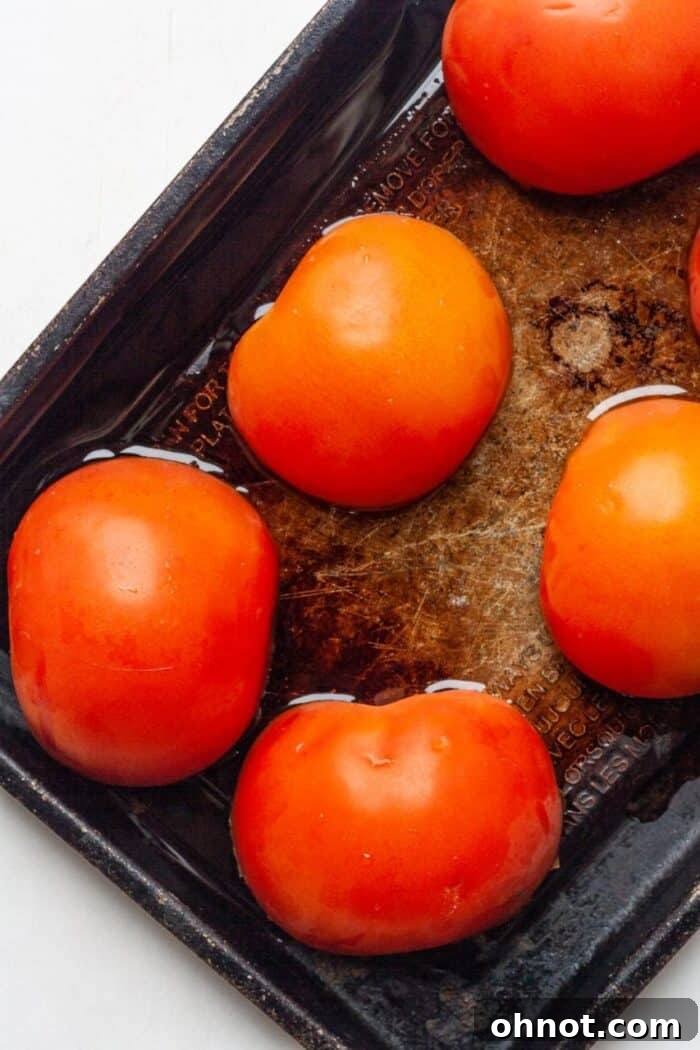
Begin by preheating your oven to 350 degrees Fahrenheit (175 degrees Celsius). This ensures the oven is at the optimal temperature for even roasting. Take your medium-sized tomatoes, wash them thoroughly, and then slice each one in half. Arrange the halved tomatoes on a baking pan, ensuring the cut sides are facing down. Drizzle them generously with 2 tablespoons of olive oil, making sure each tomato half is lightly coated. This will help them caramelize and roast beautifully.
Step 2: Initial Roast for Tomatoes
Place the baking pan with the olive oil-drizzled tomatoes into the preheated oven. Allow them to roast for 15 minutes. During this initial roasting phase, the tomatoes will begin to soften, and their natural sugars will caramelize, intensifying their sweetness and creating a richer, more concentrated flavor base for your salsa.
Step 3: Introduce the Other Vegetables and Fruit
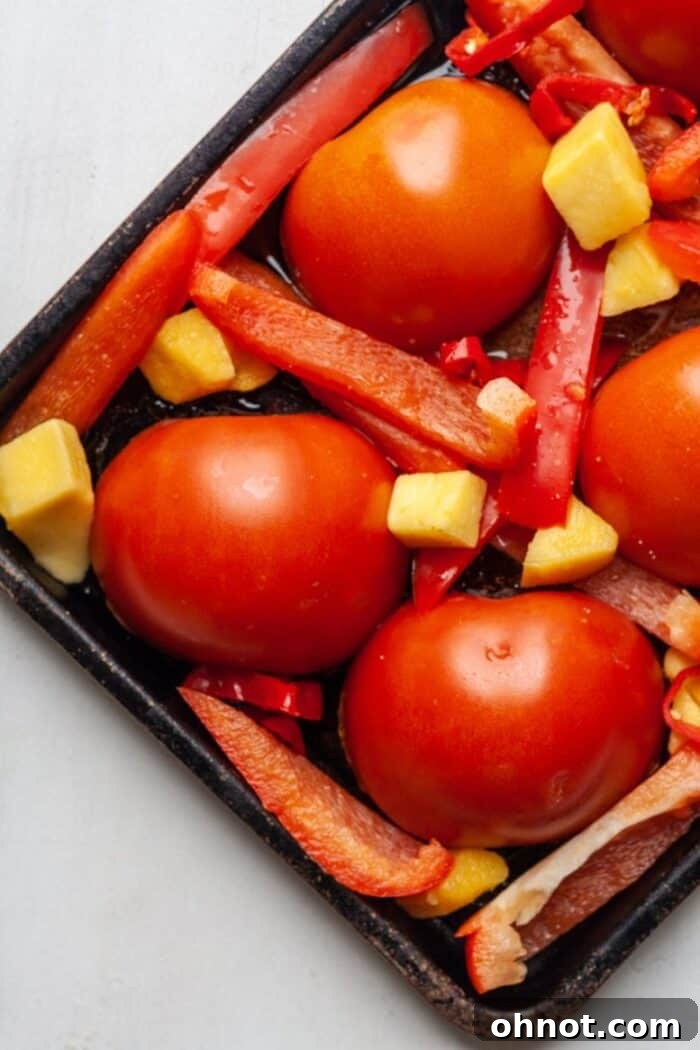
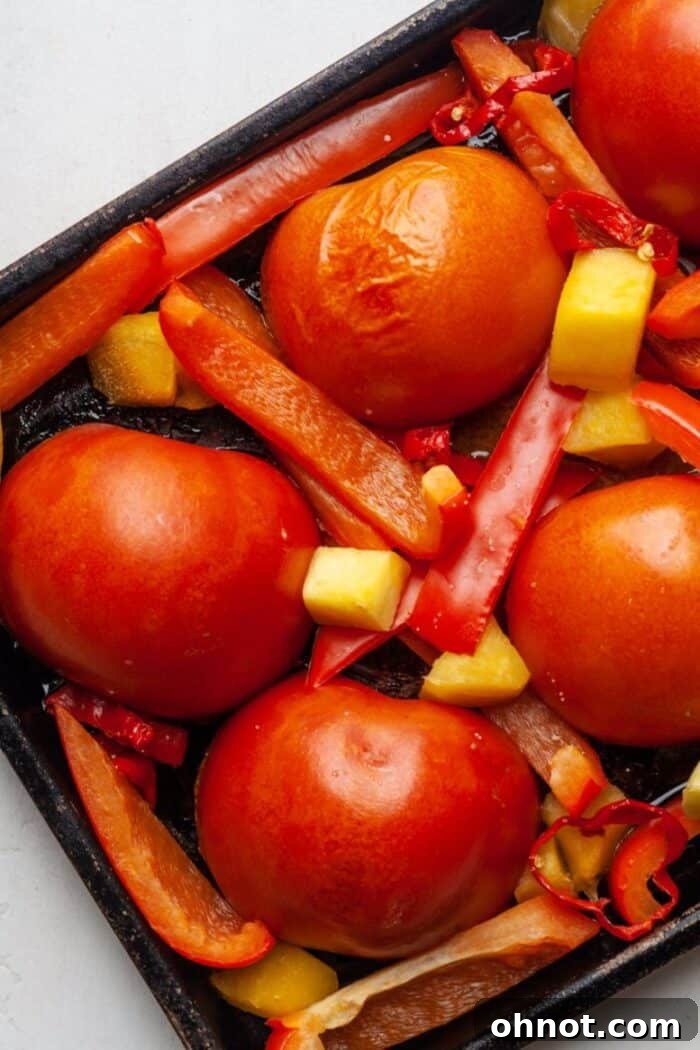
After the first 15 minutes, carefully remove the baking pan from the oven. To the same pan, add your prepared ingredients: the sliced habanero pepper (de-seeded if you prefer less heat), the diced mango, and the chopped red bell pepper. Arrange them around the tomatoes, trying to keep them in a single layer for even roasting. This step ensures that all the key ingredients develop their roasted flavor profile together.
Step 4: Second Roast for All Ingredients
Return the baking pan, now laden with all the colorful ingredients, to the oven for an additional 15 minutes. This second roast allows the habanero to mellow slightly and develop a deeper, smokier heat, while the mango caramelizes, enhancing its natural sweetness, and the red pepper softens and sweetens further. The combined roasting imbues all components with an incredible depth of flavor.
Step 5: Remove from Oven and Cool Slightly
Once the second 15 minutes are up, carefully remove the pan from the oven. The vegetables and fruit should be tender and slightly charred in places, indicating they are perfectly roasted. Allow them to cool on the pan for a few minutes. This brief cooling period makes them easier to handle and ensures they blend smoothly.
Step 6: Transfer to Blender and Add Fresh Elements
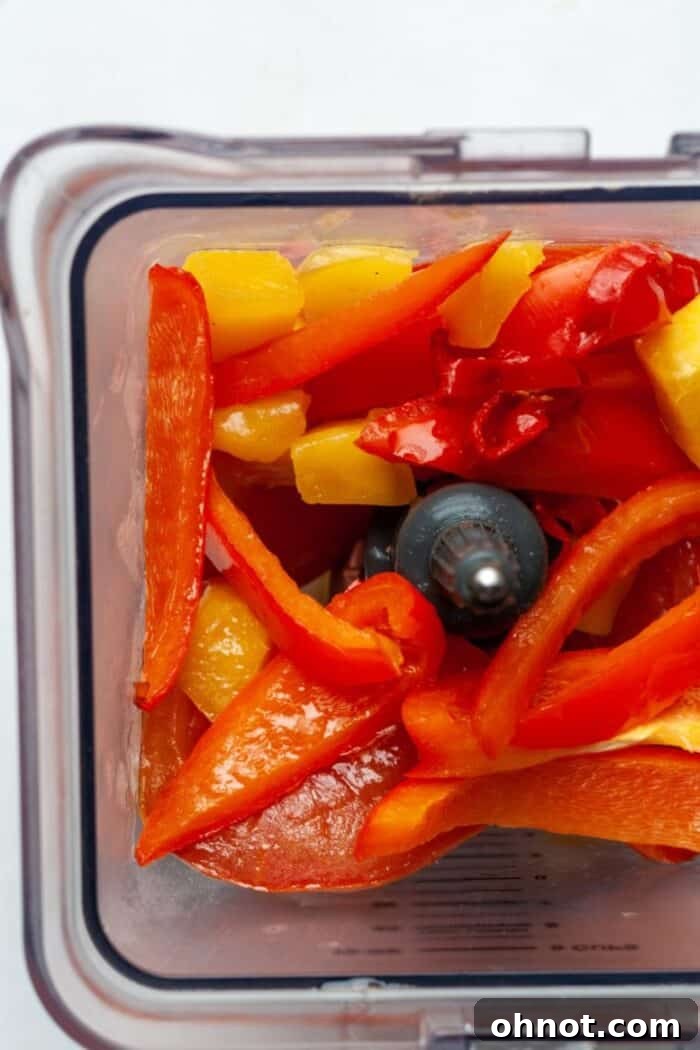
Carefully transfer all the roasted contents from the baking pan into a blender. Add the fresh cilantro and the sea salt at this stage. The fresh cilantro will provide a vibrant, herbaceous contrast to the roasted flavors, while the sea salt will tie all the flavors together and enhance their natural characteristics.
Step 7: Blend to Your Desired Consistency
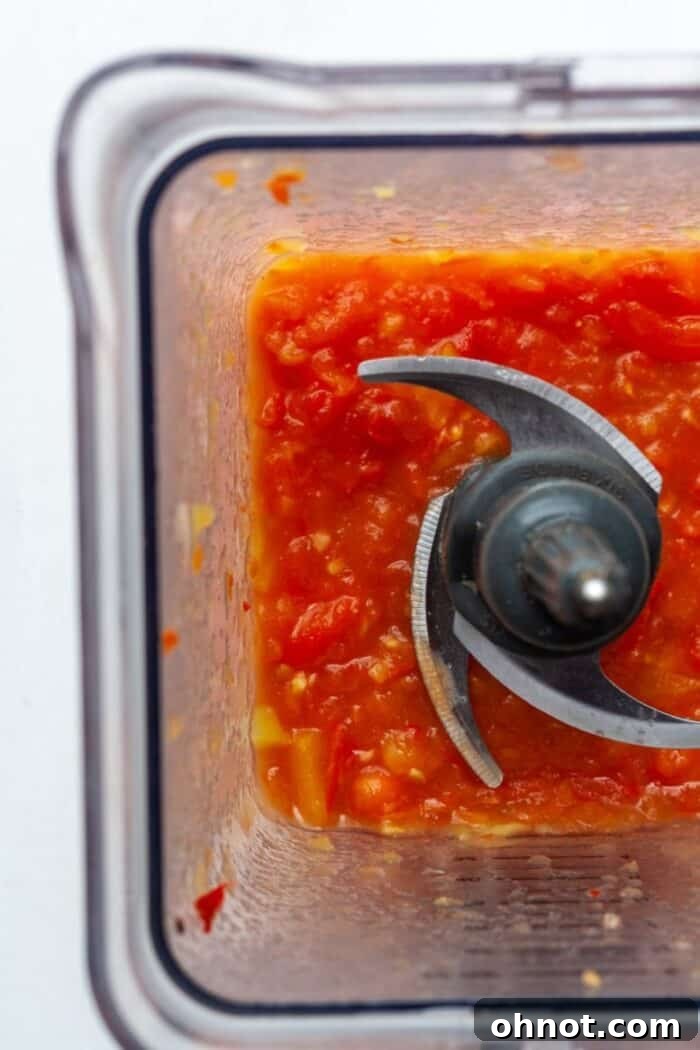
Secure the lid on your blender and blend on high for 5 to 30 seconds. The blending time is crucial for achieving your preferred salsa texture. For a chunky, rustic salsa, blend for a shorter period, around 5-10 seconds. If you prefer a smoother, thinner consistency, blend for a longer duration, up to 30 seconds, until it reaches your desired texture. Taste and adjust seasoning as needed.
Step 8: Serve Warm or Store for Later Enjoyment
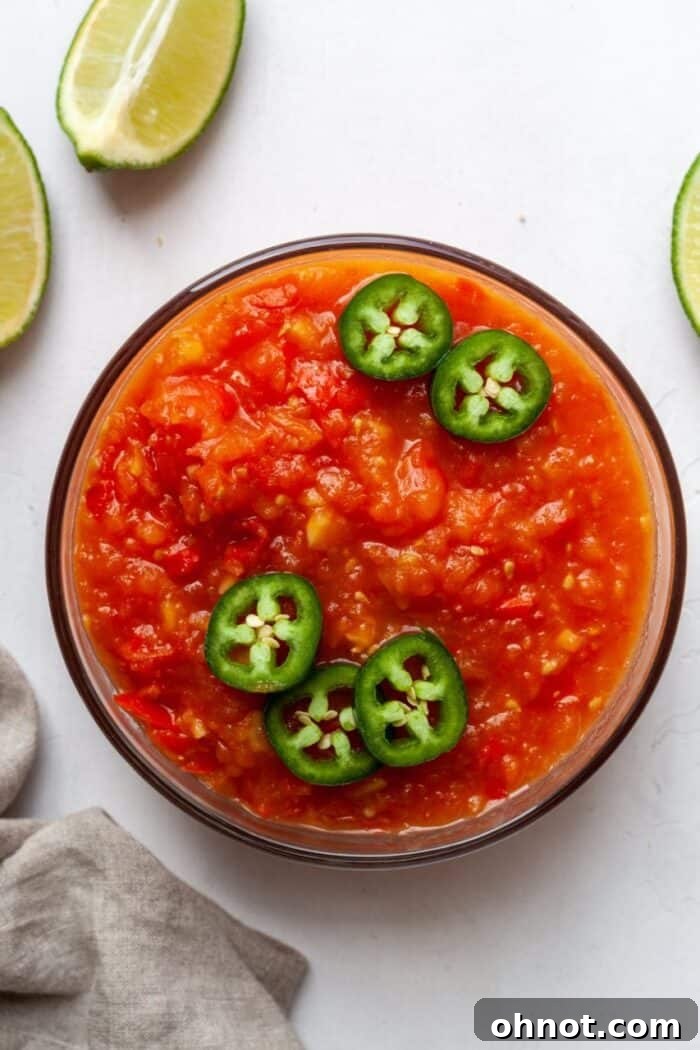
Your homemade Mango Habanero Salsa is now ready! You can serve it warm immediately, which offers a comforting and intensely flavorful experience. Alternatively, allow it to cool completely before transferring it to an airtight container and storing it in the fridge. The flavors will continue to meld and deepen over time, often tasting even better the next day.
Expert Tips and Tricks for the Best Mango Habanero Salsa
Achieving a truly outstanding Mango Habanero Salsa goes beyond just following the steps. These expert tips will help you perfect your batch, whether you’re aiming for maximum flavor, specific heat levels, or creative variations.
- Embrace Freshness for Optimal Flavor: The golden rule for any great salsa is fresh ingredients. Always opt for fresh, ripe tomatoes, vibrant cilantro, and a perfectly ripe mango. The quality of your produce directly impacts the depth and vibrancy of your salsa’s flavor profile. Fresh is always best!
- Don’t Skip the Roasting Process: While you technically can make this salsa without roasting the ingredients, it is highly, highly recommended that you don’t. Roasting vegetables and fruit before blending adds an incredible depth of flavor, a subtle sweetness, and a delightful, very slightly smoky undertone that cannot be achieved with raw ingredients. It transforms the salsa from good to absolutely phenomenal.
- Controlling the Heat: To De-seed or Not to De-seed? Habanero peppers are notoriously spicy. For a milder, yet still flavorful salsa, make sure to de-seed the habanero peppers before adding them to the pan. The majority of the capsaicin (the compound responsible for the heat) resides in the seeds and the white pith. Even after de-seeding, the salsa will retain a noticeable and pleasant level of spice.
- Boosting the Spice Factor: If you’re a true chili head and crave an extra kick, there are a couple of ways to intensify the heat. You can choose to leave some or all of the habanero seeds in during the roasting process. For an even more fiery result, consider adding half or a whole jalapeño pepper to the blender along with the roasted ingredients. Remember, a little goes a long way with habaneros!
- Experiment with Mango Alternatives: While mango is the star, don’t be afraid to experiment with other fruits for a delightful twist. Peach or pineapple can be excellent substitutes for mango, bringing their own unique sweetness and acidity to the salsa. These variations will still maintain that irresistible sweet and savory balance that makes this salsa so appealing.
- Adjust Salt to Taste: The amount of sea salt recommended is a guideline. Always taste your salsa after blending and before serving. Different tomatoes and individual preferences will dictate the final seasoning. Add a pinch at a time, blend briefly, and taste again until it’s perfect for you.
Creative Variations and Flavor Enhancements for Your Salsa
While this Mango Habanero Salsa is undeniably delicious as is, its robust and versatile base makes it an excellent canvas for culinary creativity. Don’t hesitate to experiment with these ideas to tailor the salsa to your personal taste or to complement specific dishes.
Vegetable Additions for Extra Depth
Incorporating more vegetables can add textural variety and complex flavors. Consider roasting these along with your other ingredients for maximum impact:
- Green Peppers: For a slightly more herbaceous note and a touch of bitterness to balance the sweetness.
- Red Peppers (Additional): Boost the existing sweetness and color, creating an even more vibrant salsa.
Fruit Swaps for a Different Sweetness
If mango isn’t available or you’re looking for a new twist, these fruits can offer a delicious alternative:
- Pineapple: Adds a tangy, tropical sweetness that pairs wonderfully with habanero. It can also be roasted for a deeper flavor.
- Peach: Provides a soft, fragrant sweetness, especially delightful during peach season.
Spice & Herb Boosters for Aromatic Complexity
These additions can infuse your salsa with layers of aromatic flavor:
- Jalapeños: For an additional layer of heat and a slightly different pepper flavor profile if you’ve already de-seeded the habanero.
- Cumin: A classic Mexican spice that adds warmth and earthiness. Start with a pinch, as it can be strong.
- Paprika: Offers a smoky, sweet, or hot flavor depending on the variety, enhancing the roasted notes.
Aromatic Enhancers (Use with Caution for Specific Diets)
While the original recipe is free of onion and garlic, if your diet allows, these can greatly enhance the savory depth:
- Onion Powder: A concentrated way to add onion flavor without the bulk of fresh onion.
- Minced Garlic: Fresh garlic, minced and perhaps roasted with the vegetables, offers a pungent and aromatic kick.
A Quick Tip for Add-Ins: When introducing any of these variations or add-ins, start with small amounts. Add one or two ingredients to your blender prior to blending, or if roasting, add them to the pan. Blend the salsa, then taste it. Adjust the quantities accordingly until you achieve your perfect flavor balance. This incremental approach ensures you don’t overpower the existing delicate balance of the mango and habanero.
Serving Suggestions and Storage Guidelines
This homemade Mango Habanero Salsa is incredibly versatile, making it a fantastic addition to a wide array of meals and occasions. Here’s how to best enjoy and preserve your delicious creation.
How to Enjoy Your Salsa: Beyond the Chip
While a classic dip with chips is always a winner, don’t limit the potential of this flavorful salsa. Its unique sweet and spicy profile makes it an excellent enhancer for many dishes:
- Classic Dipping: Serve it generously with your favorite sturdy tortilla chips, crisp pork rinds for a low-carb option, or a platter of fresh, chopped vegetables like cucumber, bell peppers, and carrots.
- Savory Toppings: This salsa shines as a vibrant topping. Spoon it over grilled chicken, pan-seared fish, or pork tenderloin for an instant flavor upgrade. It’s particularly delicious atop Cheese Quesadillas, adding a fresh and zesty counterpoint to the rich cheese.
- Meal Enhancers: Transform your salads into a gourmet experience by adding a dollop of this salsa. It pairs wonderfully with a Whole30 Taco Salad, bringing all the flavors together for a truly satisfying meal. For a fun and unexpected twist, try dipping French fries into it – the combination of salty fries and sweet-spicy salsa is surprisingly addictive!
- Breakfast Boost: Don’t overlook it for breakfast! A spoonful can brighten up scrambled eggs or a breakfast burrito.
Storing Your Homemade Salsa for Freshness
Proper storage is essential to maintain the freshness and flavor of your homemade salsa:
- Refrigeration: Store any leftover salsa in an airtight container in the refrigerator for up to 7 days. The flavors will often deepen and become even more harmonious after a day or two, making it a great make-ahead option for parties or weekly meal prep.
- Freezing: While it is technically possible to freeze this salsa, I have not personally tested it, and it’s generally not recommended for fresh salsas with high water content. The texture of the tomatoes and mango can become mushy and less appealing upon thawing due to water crystals forming. If you do choose to freeze it, be prepared for a slightly altered texture, and it might be best suited for use in cooked dishes rather than as a fresh dip. Always store in freezer-safe containers, leaving a little headspace for expansion.
Frequently Asked Questions About Mango Habanero Salsa
Curious about certain aspects of making or enjoying this spicy and sweet salsa? Here are some common questions and detailed answers to help you along the way.
I highly recommend de-seeding the habanero peppers, especially if you’re not accustomed to extreme heat. The majority of the capsaicin, which is responsible for the pepper’s heat, is concentrated in the seeds and the white pith inside. Even without the seeds, this salsa will still deliver a significant and exciting level of spice, allowing the fruity notes of the habanero to shine through without overwhelming your palate. If you love intense heat, you can leave some or all of the seeds in.
Mango Habanero Salsa is a vibrant and flavorful condiment that masterfully blends the sweet, tropical essence of ripe mangoes with the fiery, fruity heat of habanero peppers. It’s a dynamic combination that results in a unique sweet-and-spicy profile, making it a popular choice for those who enjoy bold flavors with a kick.
Absolutely, and it’s highly recommended! Roasting habaneros, as we do in this recipe, not only mellows their raw, sharp heat slightly but also profoundly accentuates their inherent bold, fruity flavor. This process caramelizes their natural sugars, lending a deeper, smokier, and more complex taste to the salsa.
Habanero peppers are incredibly versatile and are used in a variety of culinary applications where a significant heat and distinct fruity flavor are desired. They are most commonly found in salsas, hot sauces, marinades, and chili pastes. They can also be incorporated into savory dishes, fruit chutneys, and even some chocolate desserts for an unexpected spicy kick.
Yes, unequivocally. Habanero peppers are significantly hotter than jalapeño peppers. On the Scoville Heat Scale, jalapeños typically range from 3,000 to 8,000 SHU, while habaneros register between 100,000 and 350,000 SHU. This means a habanero can be anywhere from 12 to over 100 times hotter than a jalapeño, depending on the specific pepper.
Habanero peppers are considered extremely spicy. Their heat index on the Scoville scale ranges from 100,000 to 350,000 Scoville Heat Units (SHU). This places them among the hotter commonly available chili peppers, providing a robust and memorable heat experience.
Yes, habanero peppers are completely natural. They are a naturally occurring species of chili pepper (Capsicum chinense) that originated in the Amazon basin. Today, they are most widely cultivated and associated with the Yucatán Peninsula in Mexico, as well as other Southern American countries like Brazil and parts of the Caribbean.
Absolutely! This Mango Habanero Salsa is an excellent make-ahead option. In fact, many people find that the flavors meld and deepen even further after a day or two in the refrigerator. Just be sure to store it in an airtight container.
Yes, you can definitely use frozen mango chunks if fresh ones are not available. Allow them to thaw slightly before adding them to the baking pan for roasting, or directly to the blender if you are making a raw version. Frozen mangoes work well and maintain much of their sweetness and flavor. Be aware that the texture might be slightly softer after thawing, but in a blended salsa, this is rarely an issue.
Explore More Delicious & Healthy Recipes
If you’ve enjoyed the vibrant flavors of this Mango Habanero Salsa, you’ll surely love these other wholesome and delicious recipes. Expand your culinary repertoire with these fan favorites:
- Whole30 Taco Stuffed Peppers: A hearty and flavorful meal packed with fresh ingredients, perfect for a compliant dinner.
- Whole30 Taco Stuffed Spaghetti Squash: A creative and low-carb way to enjoy taco flavors, served right in a roasted spaghetti squash.
- Easy Whole30 Taco Soup: A comforting and quick soup recipe that’s bursting with savory taco spices and compliant ingredients.
- Whole30 Salsa: If you’re looking for another compliant salsa option, this classic recipe is a must-try.
- Best Keto Salsa: A fantastic low-carb salsa option that doesn’t skimp on flavor, perfect for your keto lifestyle.
Get Connected & Stay Inspired
We love seeing your culinary creations! If you whip up this delicious Mango Habanero Salsa recipe, we would be incredibly grateful for a review. Your feedback helps us grow and inspires others to try these wholesome recipes. Share your photos and tag us on Instagram, follow us for daily inspiration on Facebook, and discover more exciting recipes on Pinterest. We’d love for you to join our community!
For even more meal ideas and to expand your healthy cooking skills, explore our extensive collection of Side Dish recipes. And if you want to stay in the loop with healthy meal plans and be the first to receive our newest recipes directly to your inbox, sign up for our newsletter here. Happy cooking!
Best Habanero Mango Salsa Recipe
This Habanero Mango Salsa is spicy, flavorful, and easy to make! It is much better than any store-bought salsa. This recipe is packed with flavor and great for chips, veggies, meats, and so much more!
Pin Recipe
Ingredients
- 3 medium sized tomatoes
- 2 tbsp olive oil
- 1 sliced habanero pepper, de-seeded for a milder spice
- 1 medium sized mango, peeled and diced
- 1 red pepper, sliced
- 2 tbsp fresh cilantro
- ½ tsp sea salt
Instructions
- First, preheat oven to 350 degrees Fahrenheit. Slice tomatoes in half and drizzle all over with olive oil.
- Arrange tomatoes face down on baking pan. Bake for 15 minutes.
- After 15 minutes, remove from oven. Add sliced habanero pepper, diced mango and chopped red pepper to baking pan alongside tomatoes.
- Bake for another 15 minutes.
- Then, remove from oven. Add contents to a blender. Add in cilantro and sea salt to blender.
- Blend on high for 5 to 30 seconds. The longer you blend, the thinner this salsa will become.
- Finally, either serve warm immediately or store in fridge unless ready to consume.
Notes
- Fresh tomatoes (not canned) yield the best result. Canned can be used, but this salsa won’t taste quite as fresh.
- Habanero peppers are VERY hot! Feel free to omit for a very mild salsa.
- De-seed habanero peppers for a medium spiced salsa. Leave seeds in for a VERY spicy salsa.
- Fresh or frozen mango chunks work.
- Blend salsa until desired consistency is reached. For a chunky salsa, only about 5 seconds of blending time is needed. For a very thin salsa, blend for about 30 seconds.
- Store leftovers in an airtight container in the fridge for up to 1 week.
- This recipe can be made without roasting the ingredients. Just blend everything together and serve. The roasting adds a ton of flavor, but this can be made much quicker without it.
Nutrition Facts
- Calories: 60kcal
- Carbohydrates: 7g
- Protein: 1g
- Fat: 4g
- Saturated Fat: 1g
- Polyunsaturated Fat: 1g
- Monounsaturated Fat: 3g
- Sodium: 149mg
- Potassium: 189mg
- Fiber: 1g
- Sugar: 5g
- Vitamin A: 1149IU
- Vitamin C: 37mg
- Calcium: 9mg
- Iron: 1mg