
Indulge in the ultimate homemade treat with these irresistibly delicious **oat flour chocolate chip cookies**! Crafted for a truly delightful experience, these cookies boast a perfect balance of textures: wonderfully gooey centers, satisfyingly chewy golden edges, and a rich, buttery flavor that will captivate your taste buds. Unlike traditional recipes, our special use of oat flour not only makes them naturally gluten-free but also imparts a subtle, comforting oatmeal essence, elevating them beyond your average chocolate chip cookie. Get ready to bake a batch of cookies that are incredibly easy to make yet yield gourmet results, making them an instant family favorite.

Why These Oat Flour Chocolate Chip Cookies Will Become Your New Favorite
Prepare to fall in love with this oat flour chocolate chip cookie recipe for a multitude of reasons. It’s not just another cookie recipe; it’s a game-changer for anyone seeking a healthier, yet utterly decadent, sweet treat. Here’s why these cookies are destined to become a staple in your baking repertoire:
- Unmatched Texture and Flavor: These cookies offer a unique combination of a crisp exterior and a melt-in-your-mouth gooey interior, all enhanced by the wholesome, slightly nutty undertones of oat flour. The rich, buttery flavor is everything you crave in a classic chocolate chip cookie, perfected.
- Quick & Effortless Preparation: Designed for convenience, this recipe comes together quickly with minimal fuss. From mixing to baking, you’ll have warm, fresh cookies in no time, making them perfect for last-minute cravings or entertaining.
- Distinctive Oatmeal Flavor: The inclusion of oat flour doesn’t just make these cookies gluten-free; it infuses them with a subtle, earthy oatmeal flavor that adds depth and character, setting them apart from traditional flour-based cookies.
- Naturally Nut-Free: Ideal for those with nut allergies or preferences, this recipe is meticulously crafted without almond flour, coconut flour, or any other nut-based ingredients, ensuring a safe and delicious treat for everyone.
- Decadent Dark Chocolate: The generous helping of dark chocolate chips melts beautifully, creating pockets of rich, bittersweet chocolate goodness that perfectly complement the cookie base. It’s a truly crave-worthy indulgence.
- Gluten-Free & Allergen-Friendly: Being both gluten-free (when using certified gluten-free oats for your flour) and nut-free, these cookies cater to common dietary restrictions without compromising on taste or quality.
- Explore More Cookie Creations: If you enjoy experimenting with diverse flours, don’t miss our Almond Flour Oatmeal Cookies for another delightful texture experience.
- Craving a Thicker Bite? For those who prefer a more substantial, bakery-style cookie, our Levain Chocolate Chip Cookies offer an indulgent, thick and chewy alternative.
Essential Ingredients & Smart Substitutions for Perfect Cookies
Crafting the perfect oat flour chocolate chip cookie starts with understanding each ingredient’s role and knowing how to make smart substitutions. Here’s a deeper dive into what makes these cookies so special:
Room Temperature Butter: The Foundation of Flavor and Texture
Achieving that signature buttery flavor and smooth, creamy texture begins with room temperature butter. It’s not just a suggestion; it’s crucial for successful creaming with sugar, which incorporates air into the dough, leading to lighter, more evenly baked cookies. For best results, plan ahead and leave your butter out on the countertop for 1 to 2 hours. If time is short, a quick 7-second microwave burst can gently soften it without melting—just be careful not to overheat it, as melted butter will significantly alter the cookie’s texture, leading to flatter, greasier results. Softened butter blends effortlessly with brown sugar, creating a light and airy base for your cookie dough.
Light Brown Sugar: For Sweetness and Moisture
Light brown sugar is more than just a sweetener; its molasses content adds a wonderful depth of flavor and crucial moisture to the cookies, contributing to their soft and chewy texture. Always remember to tightly pack your brown sugar when measuring to ensure accuracy. If you’re looking for an alternative with a slightly lower glycemic index or a different flavor profile, coconut sugar can be substituted cup-for-cup. It offers a similar caramel-like taste, though it may result in a slightly less moist cookie. Granulated white sugar could be used in a pinch, but it will affect the chewiness and depth of flavor.
Egg: The Essential Binder
The egg plays a vital role in binding the cookie dough together, providing structure and moisture. It helps emulsify the fat and liquid ingredients, creating a cohesive dough that bakes beautifully. For those interested in making these cookies vegan, a substitution is possible. My best recommendation is to replace the single egg with 1/4 cup of unsweetened applesauce. To account for the increased moisture from the applesauce, I also suggest adding an additional 1/4 cup of oat flour. This adjustment helps maintain the ideal dough consistency and prevents the cookies from spreading too much during baking. Other vegan binders like flax eggs (1 tablespoon ground flaxseed + 3 tablespoons water, rested for 5 minutes) could also work, but applesauce tends to mimic the egg’s moistening properties well here.
Vanilla Extract: The Soul of a Cookie
Never underestimate the power of good vanilla extract. It’s the secret to that classic, comforting cookie flavor we all know and love. Vanilla enhances the other flavors in the cookie, adding warmth and sweetness without being overpowering. Opt for pure vanilla extract over imitation for the best taste, as its complex notes truly elevate the overall profile of your cookies.
Oat Flour: The Gluten-Free Star
Oat flour, simply made from finely ground oats, is the hero of this recipe, providing a wholesome, gluten-free base with a delicate texture and unique flavor. While it’s possible to make your own oat flour at home, I highly recommend purchasing pre-made oat flour for consistency and superior results, which we’ll discuss in more detail below. Store-bought oat flour is typically ground much finer and more uniformly, which is crucial for the tender texture of these cookies.
Baking Soda: For the Perfect Lift
Baking soda is our leavening agent, responsible for helping these cookies rise and spread just right while baking. It reacts with the acidic components in the brown sugar, creating carbon dioxide bubbles that expand in the oven, giving the cookies their airy texture and slightly domed shape. Ensure your baking soda is fresh for optimal leavening power.
Dark Chocolate Chips: A Touch of Decadence
While I personally favor dark chocolate chips for their rich, slightly bitter notes that beautifully contrast the sweet cookie dough, feel free to use your favorite variety. Semi-sweet chocolate chips are a classic choice, or you could even experiment with milk chocolate for a sweeter, creamier bite. For an extra luxurious touch, consider chopping a high-quality chocolate bar into chunks—these irregular pieces melt into glorious puddles of chocolate throughout the cookie. The quality of your chocolate can significantly impact the final taste, so choose wisely!
Understanding Oat Flour: Homemade vs. Store-Bought
One of the most common questions when baking with oat flour is whether to buy it pre-made or grind your own. Both options are available, but they offer distinct results that can significantly impact your final cookie.
How to Make Oat Flour at Home
Yes, oat flour can indeed be made right in your own kitchen! The process is quite simple: gather old-fashioned rolled oats and add them to a high-speed blender or a powerful food processor. Blend on high until the oats are transformed into a fine, powdery flour substance. The key here is consistency; you’re aiming for a texture similar to traditional wheat flour, without any noticeable flakes or large pieces of oats. Achieving this can be a delicate balance: under-blending leaves you with a coarser flour that might affect the cookie’s texture, while over-blending can heat the oats and potentially impact their starch structure. For a truly smooth flour, it requires significant blending time and a high-powered appliance.
A practical tip for homemade oat flour is to remember that one cup of whole rolled oats typically yields slightly less than one cup of oat flour. Therefore, for this specific recipe, which calls for 2 cups of oat flour, you’ll want to blend just over 2 cups of oats to ensure you have enough after grinding and before measuring. Sifting your homemade oat flour after blending can also help remove any larger, unground pieces, ensuring a more uniform result.
Homemade Oat Flour Versus Store-Bought: A Crucial Distinction
As tempting as it is to make everything from scratch, my personal experience with homemade oat flour for this recipe led to less-than-ideal results. Despite blending oats in my high-powered Vitamix for a full five minutes, the resulting flour was never perfectly powdery or consistently uniform. It still retained a slightly coarser texture compared to commercially produced oat flour.
When I attempted to bake this exact cookie recipe using my homemade oat flour, I discovered a significant difference in liquid absorption and structure. The first batch, using the specified 2 cups of homemade oat flour, dramatically spread in the oven, turning into thin, crispy oat pancakes rather than chewy cookies! To salvage the recipe, I had to incorporate almost 3 full cups of homemade oat flour to achieve a dough consistency that would hold its shape. This experience underscores a vital point: the fineness and consistency of flour greatly affect a recipe’s outcome.
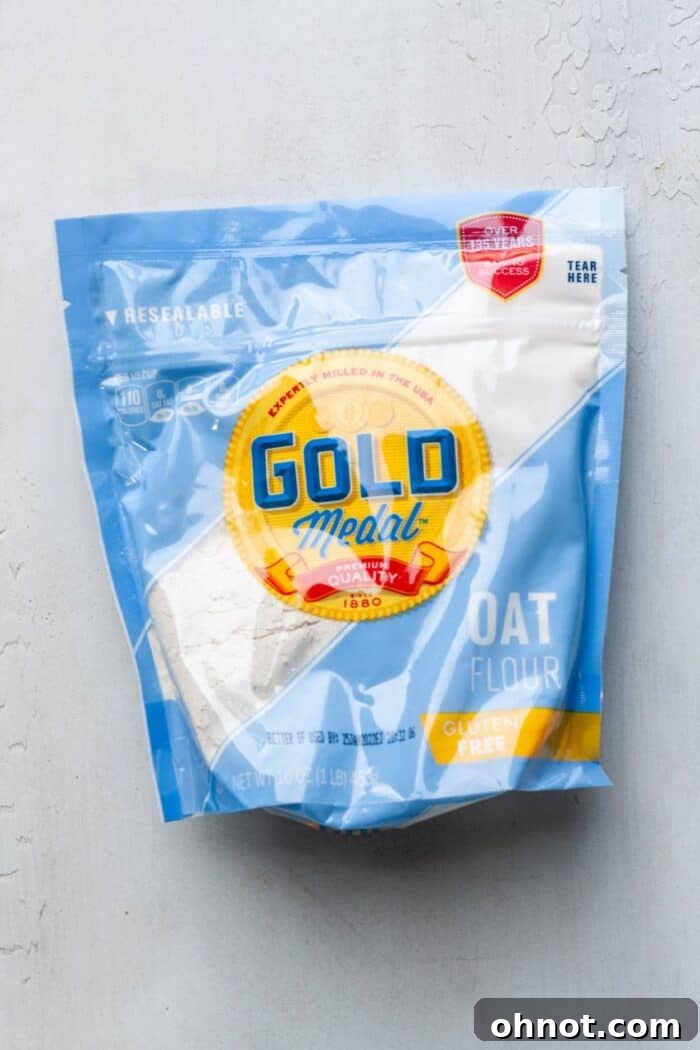
For these reasons, I cannot stress enough the importance of buying commercially prepared oat flour. Store-bought oat flour is meticulously ground to a fine, consistent powder, which is essential for the tender crumb and perfect texture of these chocolate chip cookies. It eliminates the guesswork and inconsistency often associated with homemade versions. You can typically find it in the baking aisle of most well-stocked grocery stores or online. I personally had excellent results with Gold Medal Oat Flour, and I highly recommend it for its quality and reliability. For more comprehensive insights into various gluten-free flours and specialized baking tips, be sure to explore our detailed Guide to Gluten-Free Flours and Gluten-Free Baking.
The Exquisite Taste & Texture of These Oat Flour Cookies
Prepare your palate for a truly delightful experience with these oat flour chocolate chip cookies, where classic comfort meets innovative texture. From the very first bite, you’ll be greeted with the familiar, buttery essence of a traditional chocolate chip cookie, a flavor profile that evokes warmth and nostalgia.
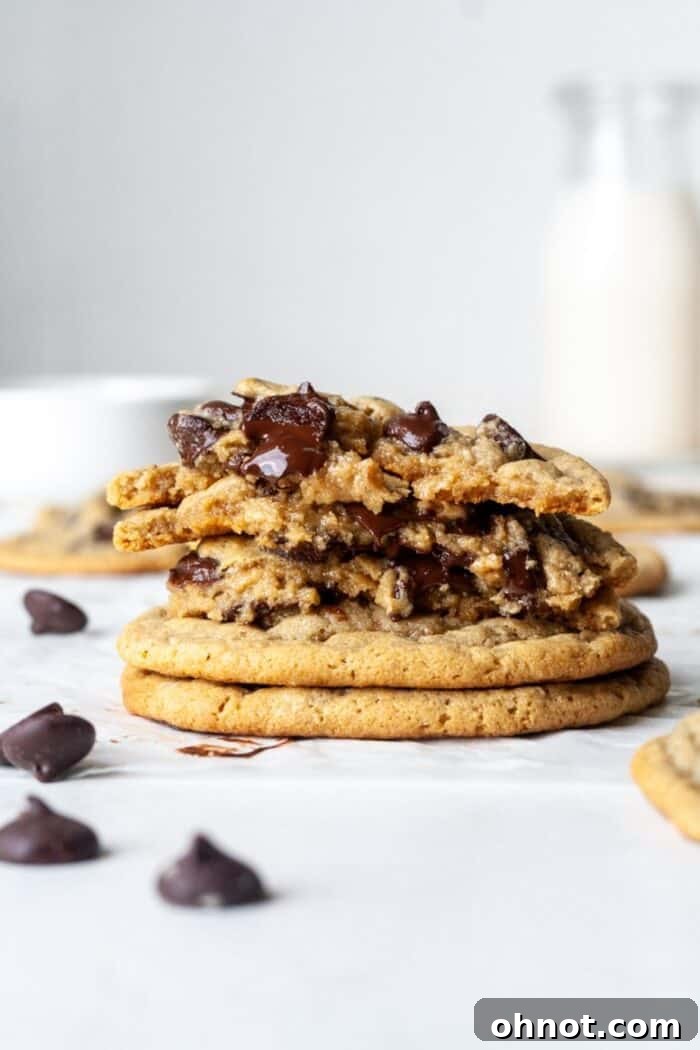
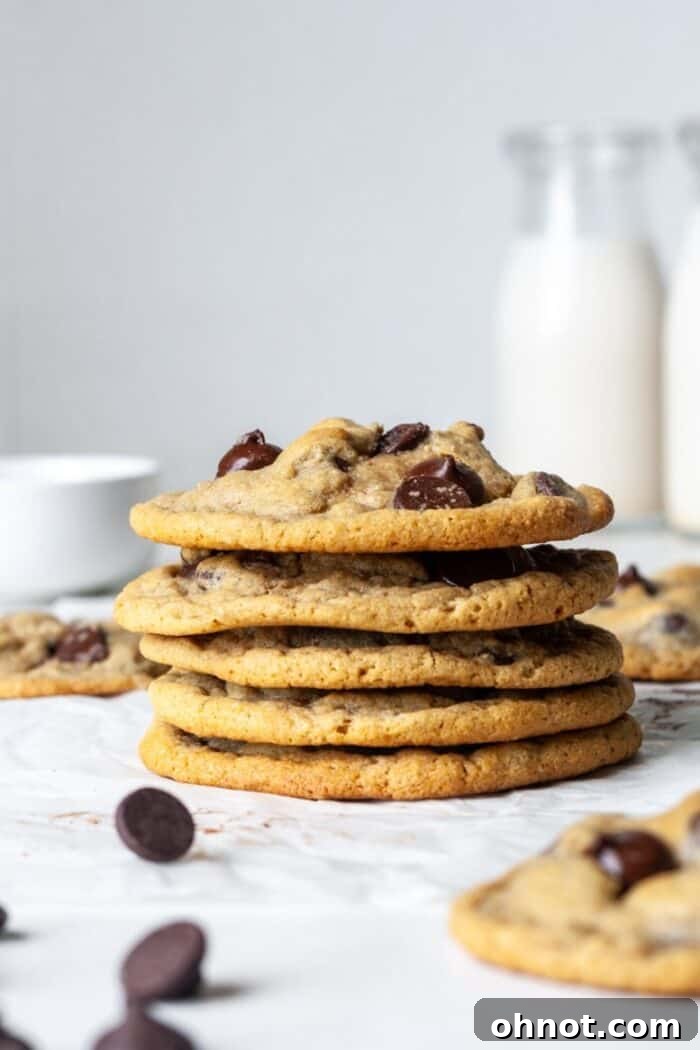
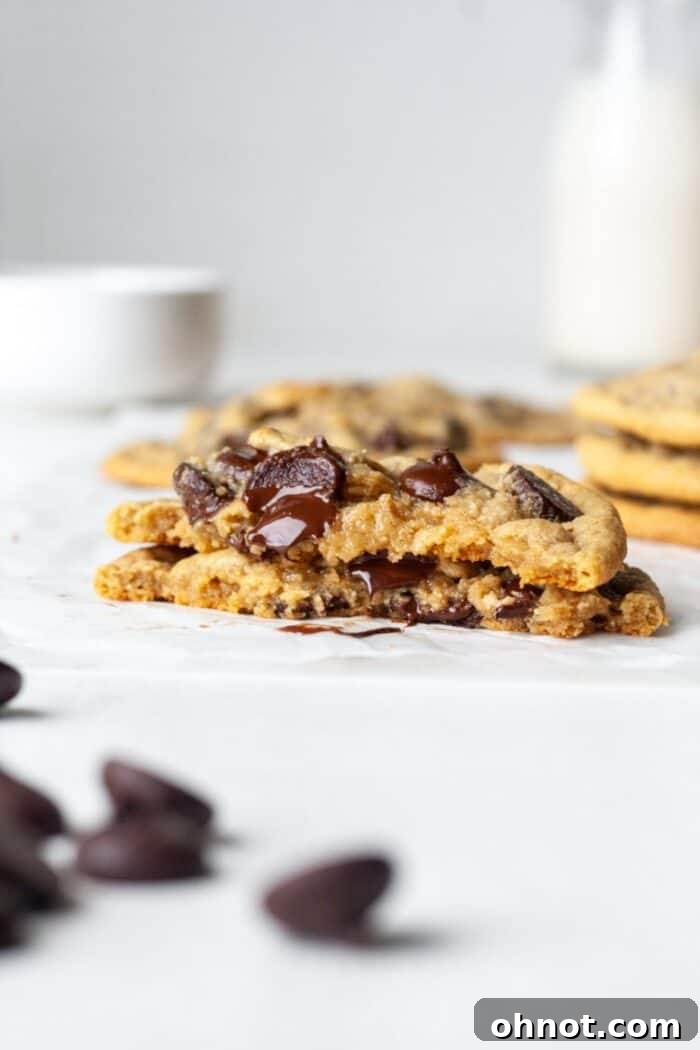
What truly sets these cookies apart is their unique texture. They are intentionally designed to be slightly thinner and wonderfully more gooey than many conventional chocolate chip cookies. This isn’t a flaw; it’s a feature that contributes to their exceptional deliciousness! The delicate nature of the oat flour, combined with precise baking, results in a cookie that is incredibly tender. The middles of these cookies are particularly magical—they possess an almost ethereal quality, melting effortlessly in your mouth, leaving behind a lingering taste of rich chocolate and subtle oat. The edges, meanwhile, bake to a perfect golden crisp, offering a delightful contrast to the soft, luscious core. This interplay of textures—crispy, chewy, and exquisitely gooey—makes each cookie an unforgettable treat that will have you reaching for another.
Step-by-Step Guide: How to Make Oat Flour Chocolate Chip Cookies
Baking these irresistible oat flour chocolate chip cookies is a straightforward process. Follow these simple steps for perfectly gooey, buttery delights every time.
Step 1: Cream Butter and Sugar
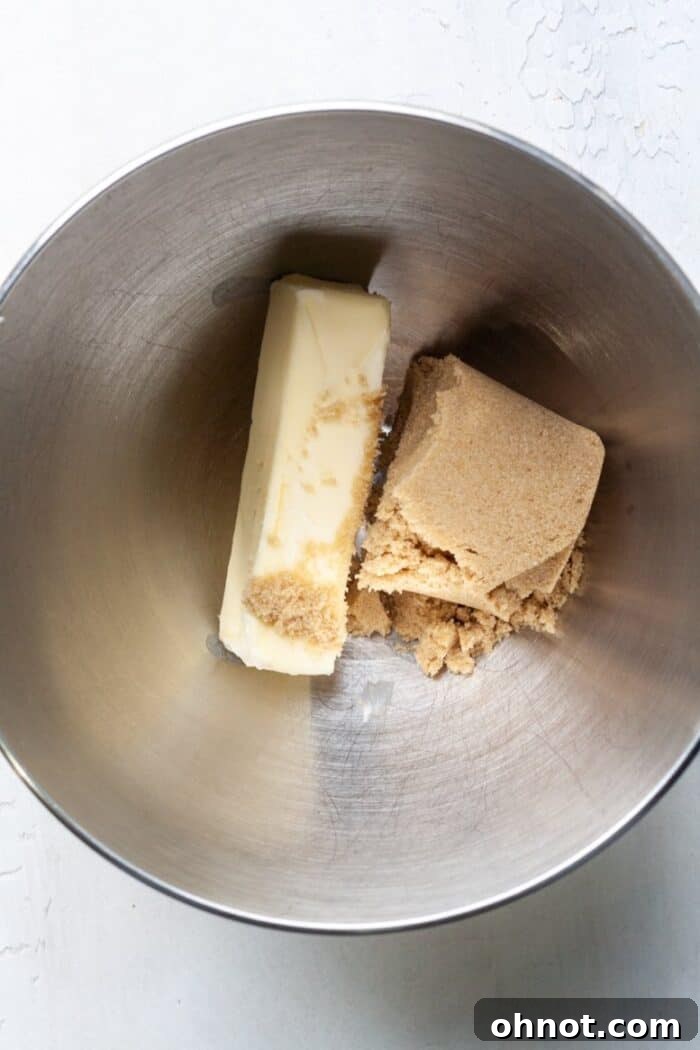
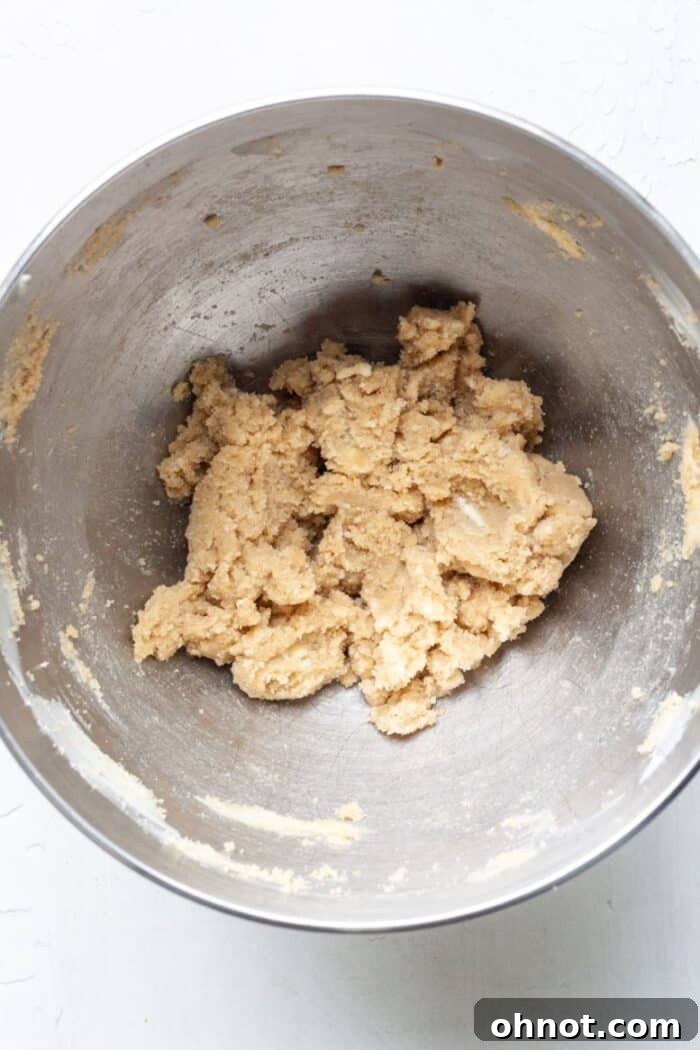
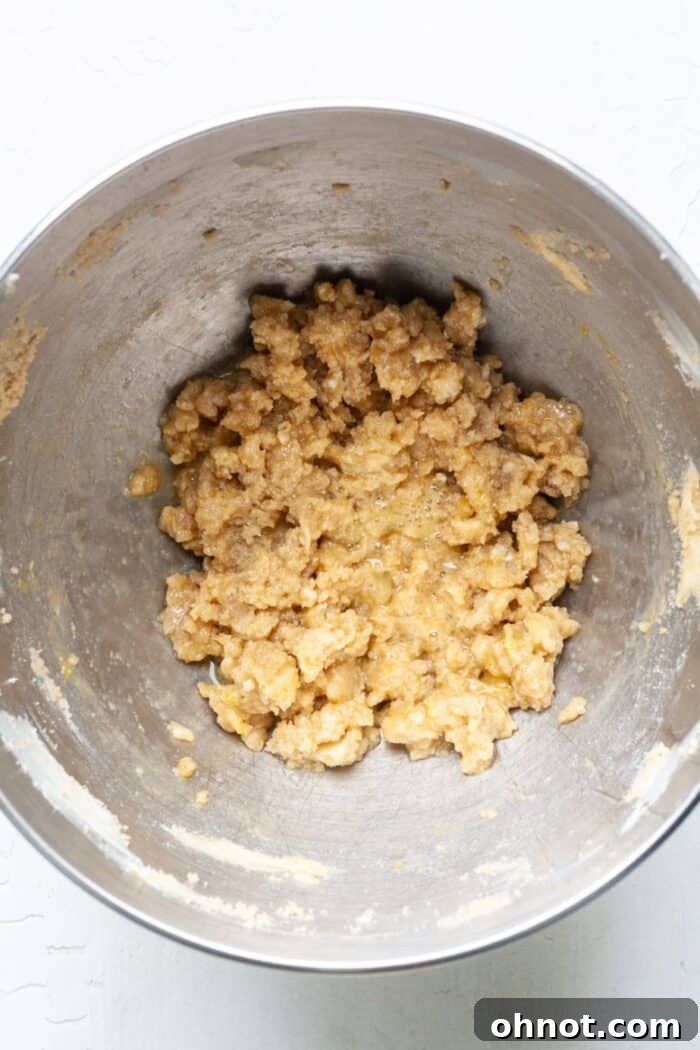
To begin, ensure your butter is at room temperature. This is vital for proper creaming. Add the softened butter and light brown sugar to the bowl of a stand mixer fitted with the paddle attachment. Beat them together on medium speed for a full 2 minutes, or until the mixture is light, fluffy, and no clumps of butter remain. This step incorporates air, which is crucial for the cookies’ texture.
Step 2: Incorporate Wet Ingredients
Next, crack the egg into the creamed butter and sugar mixture, followed by the vanilla extract. Mix on low speed until just combined. Be careful not to overmix at this stage, as it can lead to tougher cookies.
Step 3: Add Dry Ingredients
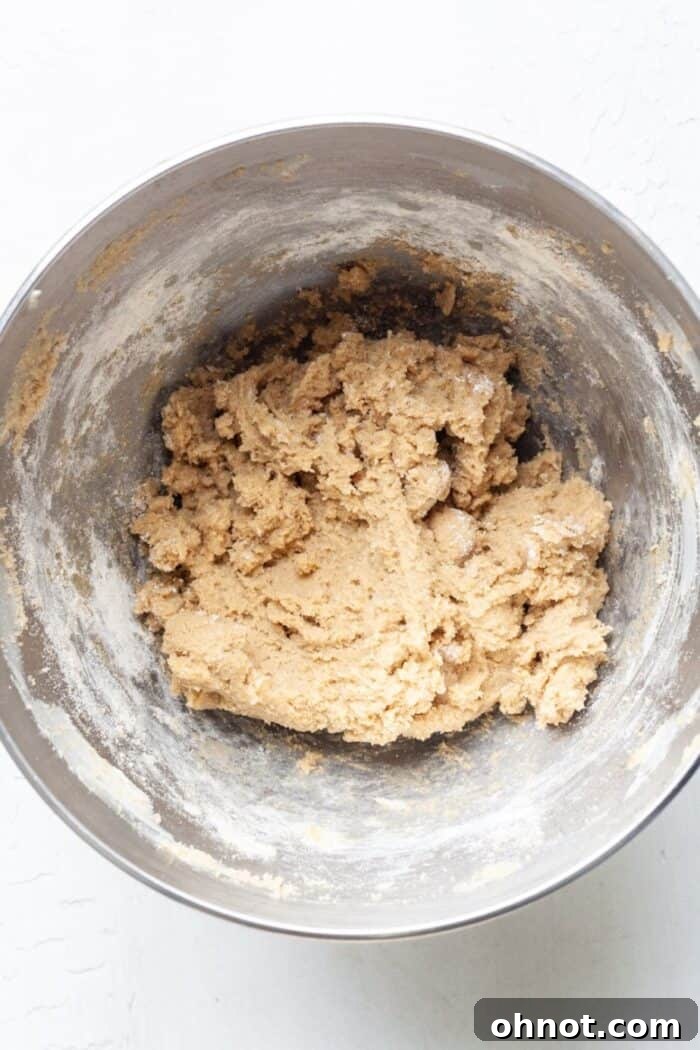
Gently add the oat flour and baking soda to the bowl with the wet ingredients. Mix on low speed until a cohesive dough forms. Mix only until the dry ingredients are just incorporated to avoid overdeveloping the oat flour (which can make cookies dense). The dough will be soft.
Step 4: Fold in Chocolate Chips & Chill the Dough
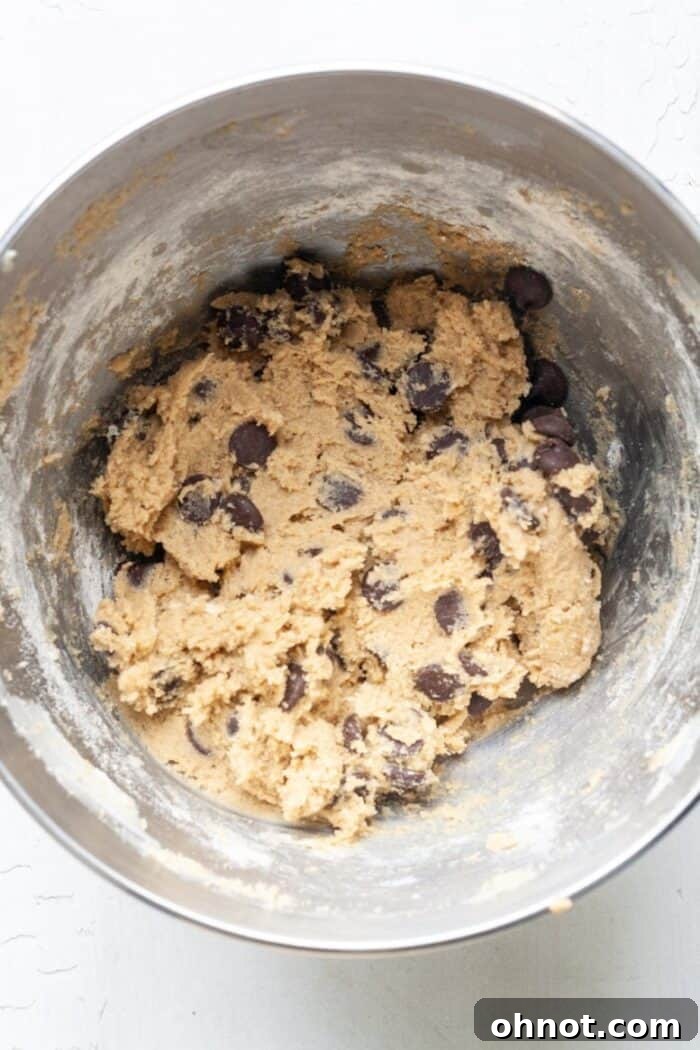
Carefully fold in the dark chocolate chips until they are evenly distributed throughout the dough. Once the chocolate is mixed in, cover the mixing bowl and place it in the refrigerator to chill for a minimum of 30 minutes. Chilling the dough is a crucial step that prevents the cookies from spreading too thin during baking, resulting in a perfectly thick and chewy texture. For even better results, you can chill it longer, up to overnight.
Step 5: Prepare for Baking
After the dough has chilled for at least 30 minutes, preheat your oven to 350 degrees Fahrenheit (175°C). Line a baking pan with parchment paper or a silicone baking mat. This prevents sticking and ensures even baking.
Step 6: Scoop & Space the Dough
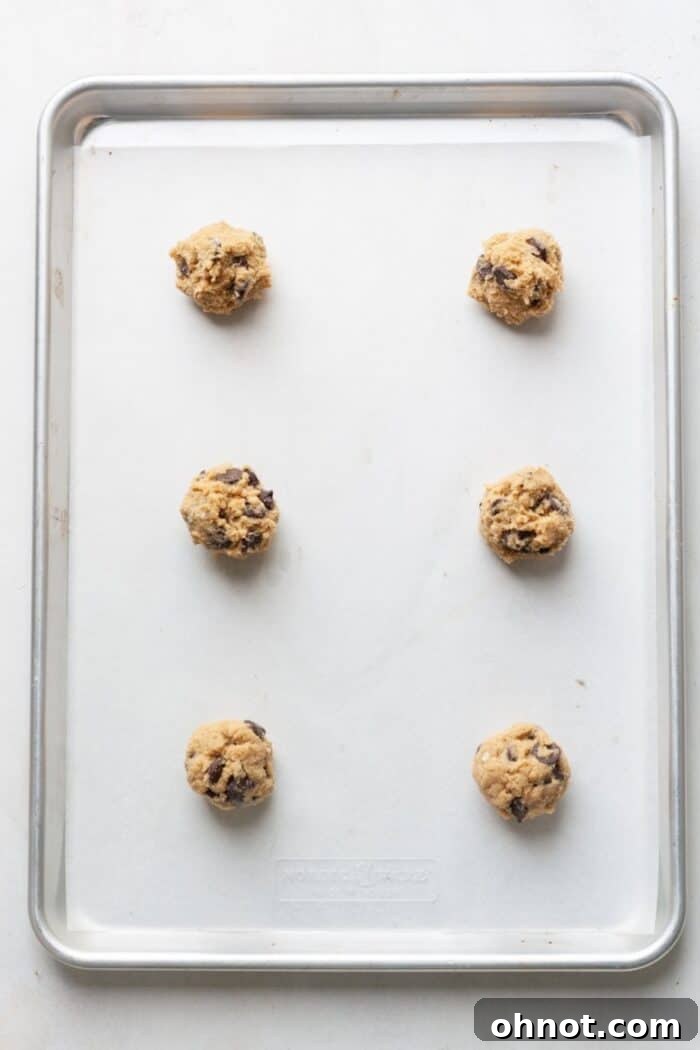
Using a 1-inch cookie scoop, portion the chilled dough into round balls. Place each ball of dough onto the prepared baking pan, ensuring they are spaced at least 2 inches apart. Adequate spacing is essential to allow the cookies to spread without merging into one another.
Step 7: Bake to Perfection
Bake the cookies for 9 to 11 minutes. Keep a close eye on them; they are ready when the edges are lightly golden and the centers appear just set but still slightly soft. For an extra gooey cookie experience, aim for the 9-minute mark. Remember that cookies continue to cook slightly even after being removed from the oven.

Step 8: Cool & Enjoy
Once baked, remove the cookies from the oven. Allow them to cool on the baking pan for about 10 minutes. This cooling period is critical as these oat flour cookies are wonderfully gooey and fragile when hot. After 10 minutes, carefully transfer them to a wire cooling rack to cool completely. Handling them gently will ensure they retain their perfect shape and texture. Serve warm with a glass of milk, or enjoy them once fully cooled.
Expert Tips & Tricks for Flawless Oat Flour Cookies
Achieving cookie perfection often comes down to a few key insights. Here are some expert tips and tricks to ensure your oat flour chocolate chip cookies turn out wonderfully every single time:
Mastering Butter Temperature: The importance of room temperature butter cannot be overstated. When butter is soft but not melted, it creams beautifully with brown sugar, creating tiny air pockets that contribute to a lighter, more tender cookie. Cold butter won’t cream properly, leading to a denser texture, while melted butter will make your cookies spread excessively and become greasy. If you forget to take your butter out, microwave it in 5-7 second bursts, rotating and checking for softness between each burst, until it’s just pliable.
Embrace Store-Bought Oat Flour: While making your own oat flour seems like a good idea, for this recipe, store-bought oat flour is truly your best friend. Its uniform, fine grind ensures consistent results and prevents the “pancake” effect that can happen with coarser homemade flour. This consistency is vital for the desired gooey yet structured texture.
The Magic of Chilling Dough: Do not skip the chilling step! Chilling the dough for at least 30 minutes, and ideally up to overnight, is crucial. This allows the butter to re-solidify, preventing the cookies from spreading too thinly during baking. Furthermore, chilling allows the flavors to meld and the oat flour to fully hydrate, leading to a more flavorful and cohesive cookie. The longer you chill, the thicker and chewier your cookies will generally be. For the beautiful, slightly thinner cookies shown in this blog post’s photos, the dough was chilled for precisely 30 minutes.
The Art of Baking to Perfection: Keep a close watch on your cookies in the oven. Bake until the edges are just barely golden and the centers look set but still appear very soft, almost underbaked. Overbaking will dry them out and diminish their signature gooey texture. Remember, cookies continue to set as they cool on the baking sheet after being removed from the oven.
Handle with Care: Due to their wonderfully gooey and tender nature, these cookies will be quite fragile immediately after baking. Allow them to cool on the hot baking pan for 10 minutes before attempting to transfer them to a cooling rack. This cooling period allows them to firm up slightly, making them easier to handle without breaking apart.
Customize Your Chocolate: While dark chocolate chips are recommended for their rich depth, feel free to use your favorite chocolate. Chopped chocolate bars, milk chocolate chips, or even a mix of different chocolates can add a delightful twist to your cookies. Consider adding a sprinkle of flaky sea salt on top right after they come out of the oven to enhance the chocolate’s flavor and balance the sweetness.
Serving & Storing Your Oat Flour Chocolate Chip Cookies
These oat flour chocolate chip cookies are a delight at any time, but proper serving and storage techniques can enhance their enjoyment and longevity.
Serving Suggestions: The best way to enjoy these cookies is once they’ve cooled enough to handle, allowing their gooey centers to shine without being too fragile. They pair perfectly with a cold glass of milk, a warm cup of coffee, or a scoop of vanilla ice cream for an indulgent cookie a la mode. For an extra treat, gently warm them in the microwave for a few seconds to bring back that fresh-from-the-oven gooiness.
Storage: To maintain their freshness and soft texture, store the baked cookies in an airtight container at room temperature for up to 3 days. Placing a slice of bread in the container can help keep them soft by absorbing excess moisture and preventing them from drying out.
Freezing for Later: These cookies freeze beautifully, whether baked or as raw dough. To freeze baked cookies, ensure they are completely cooled, then arrange them in a single layer on a baking sheet and freeze until solid. Once frozen, transfer them to a freezer-safe airtight container or bag, separating layers with parchment paper. They can be frozen for up to 1 month. Thaw at room temperature or warm gently in the oven or microwave. To freeze cookie dough, scoop balls onto a parchment-lined baking sheet and freeze until firm. Then, transfer the frozen dough balls to a freezer-safe bag. When ready to bake, place frozen dough balls on a baking sheet and add an extra 1-2 minutes to the baking time.
Don’t Waste Leftover Oat Flour! If you find yourself with extra oat flour after making these delicious cookies, don’t let it go to waste. It’s a versatile ingredient perfect for other baking projects. Consider whipping up this incredibly moist and flavorful Oat Flour Banana Bread for another gluten-free treat!
Frequently Asked Questions About Oat Flour Cookies
Oat flour behaves differently than all-purpose flour. It’s generally lighter in weight and absorbs more liquid, but it lacks the gluten structure of wheat flour. When substituting, you typically need to use slightly more oat flour than all-purpose flour to achieve a similar consistency and prevent excessive spreading. As a general guideline, for every 1 cup of all-purpose flour, you might need about 1 1/4 cups of oat flour, but it’s best to follow recipes specifically developed for oat flour or adjust gradually based on dough consistency.
By nature, pure oats are gluten-free. However, oats are frequently processed in facilities that also handle wheat, barley, and rye, leading to cross-contamination. For this reason, if you require a strict gluten-free diet due to Celiac disease or gluten sensitivity, it is crucial to purchase oats and oat flour that are specifically labeled as “certified gluten-free.” These products are grown, harvested, and processed in dedicated gluten-free environments to ensure purity.
Yes, chilling the dough is a non-negotiable step for these oat flour chocolate chip cookies. Without adequate chilling, the butter in the dough will be too soft, causing the cookies to spread excessively thin while baking, resulting in a crispy rather than gooey texture. Chilling allows the butter to firm up and the dry ingredients to fully hydrate, which creates a more stable dough that holds its shape better and yields a thicker, chewier cookie.
Absolutely! To adapt this recipe for a vegan diet, you can substitute the 1 egg with 1/4 cup of unsweetened applesauce. To compensate for the added moisture from the applesauce and maintain the correct dough consistency, it’s recommended to add an additional 1/4 cup of oat flour. Ensure all other ingredients, like butter and chocolate chips, are also plant-based and vegan-friendly.
Yes, oat flour is excellent for baking! It’s a versatile gluten-free flour that contributes a unique tenderness, moisture, and a subtle nutty flavor to baked goods. It works particularly well in cookies, muffins, pancakes, and quick breads. Its ability to absorb liquids well and provide a soft crumb makes it a fantastic alternative or complement to other flours, offering a wholesome touch to your favorite recipes.
You May Also Enjoy These Related Recipes
- Chocolate Baked Oatmeal (Gluten Free)
- Vegan Oatmeal Chocolate Chip Cookies
- Banana Oatmeal Peanut Butter Cookies
- Almond Flour Oatmeal Cookies (Gluten Free)
- Coconut Flour Oatmeal Cookies (Gluten Free)
We hope you adore this oat flour chocolate chip cookies recipe as much as we do! Your feedback means the world to us, so if you make these delectable treats, we would truly appreciate a review. You can also connect with us on Instagram, Facebook, and Pinterest. We’d love for you to follow along and become a part of our baking community! For more incredible culinary inspiration, explore our diverse collection of Dessert Recipes.

Get the Recipe:
Oat Flour Chocolate Chip Cookies
Pin Recipe
Save Recipe
Ingredients
- ½ cup butter, room temperature
- ¾ cup light brown sugar, tightly packed, or coconut sugar
- 1 egg
- 2 tsp vanilla extract
- 2 cups oat flour, see note
- ½ tsp baking soda
- ⅔ cup dark chocolate chips
Instructions
-
First, add room temperature butter and brown sugar to a stand mixer. Beat for 2 minutes or until no clumps of butter remain.
-
Add egg and vanilla extract to bowl. Stir to combine.
-
Then, add oat flour and baking soda to bowl. Stir until dough forms.
-
Fold in dark chocolate chips. Place mixing bowl in fridge to chill for 30 minutes.
-
After 30 minutes, preheat oven to 350 degrees Fahrenheit. Line a baking pan with parchment paper.
-
Use a cookie scoop to scoop 1 inch round balls of dough onto lined pan. Place each ball of dough at least 2 inches apart. These cookies spread while baking!
-
Bake for 9 to 11 minutes or until edges are slightly golden and the middles are set.
-
Finally, remove from oven. Allow cookies to cool on pan for 10 minutes before carefully transferring to a cooling rack.
Notes
- Use room temperature butter. About an hour or two before baking, place butter on countertop to soften.
- If you forget to place butter out to soften, microwave butter for 7 seconds to slightly soften it.
- I have tried this recipe with both homemade oat flour and store bought. I highly recommend store bought since it is finer and more uniform. I used Gold Medal Oat Flour.
- Do not skip the chilling dough step. Without chilling the dough, these cookies spread way too thin.
- If you have time, I suggest chilling them up to 2 hours. This will yield thicker cookies.
- These cookies are gooey and fragile! Handle gently after baking.
- Store cookies covered at room temperature for up to 3 days or in the freezer for up to 1 month.
Love these oat flour chocolate chip cookies? You can sign up here to receive healthy meal plans, exclusive new recipes and updates directly to your inbox!