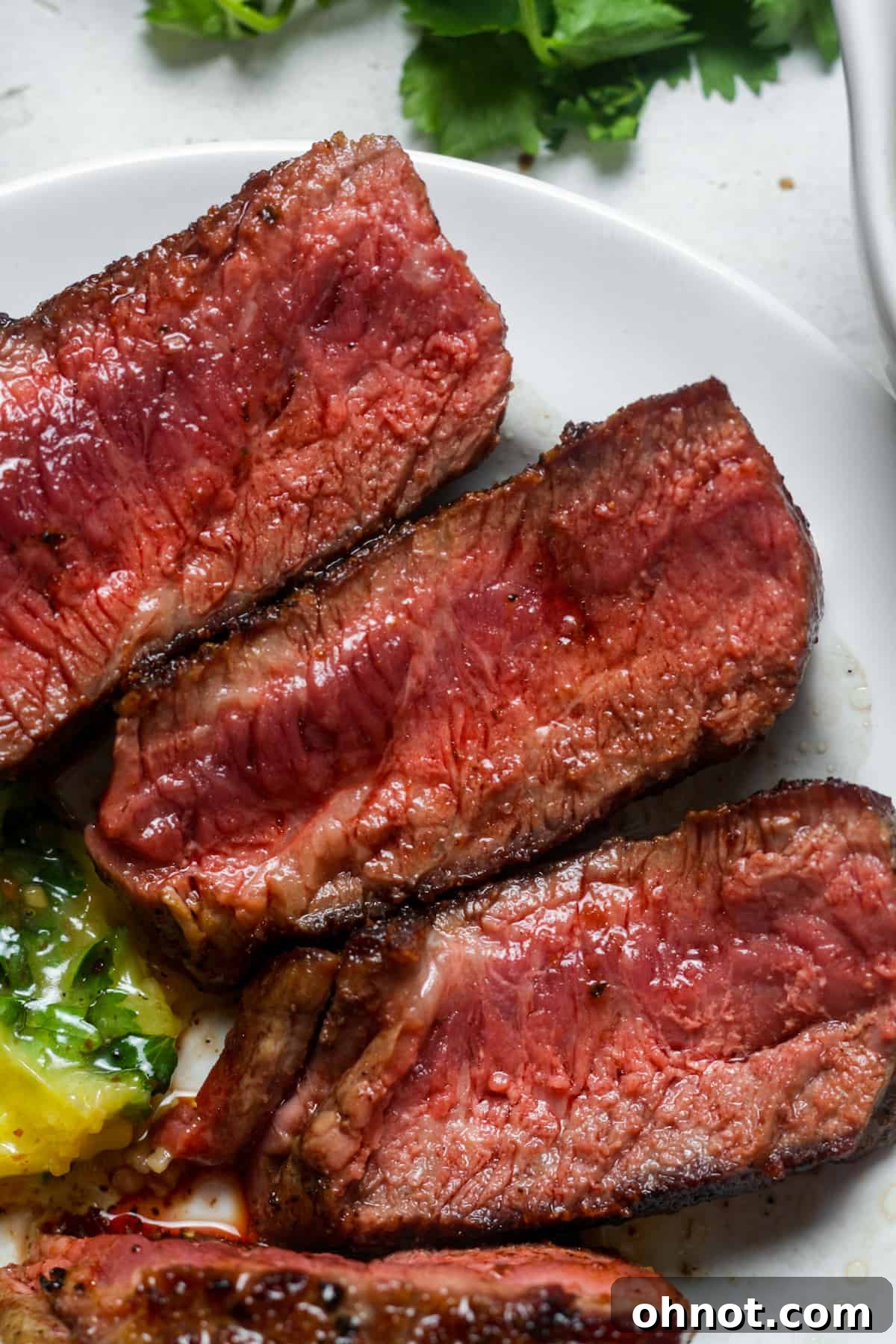
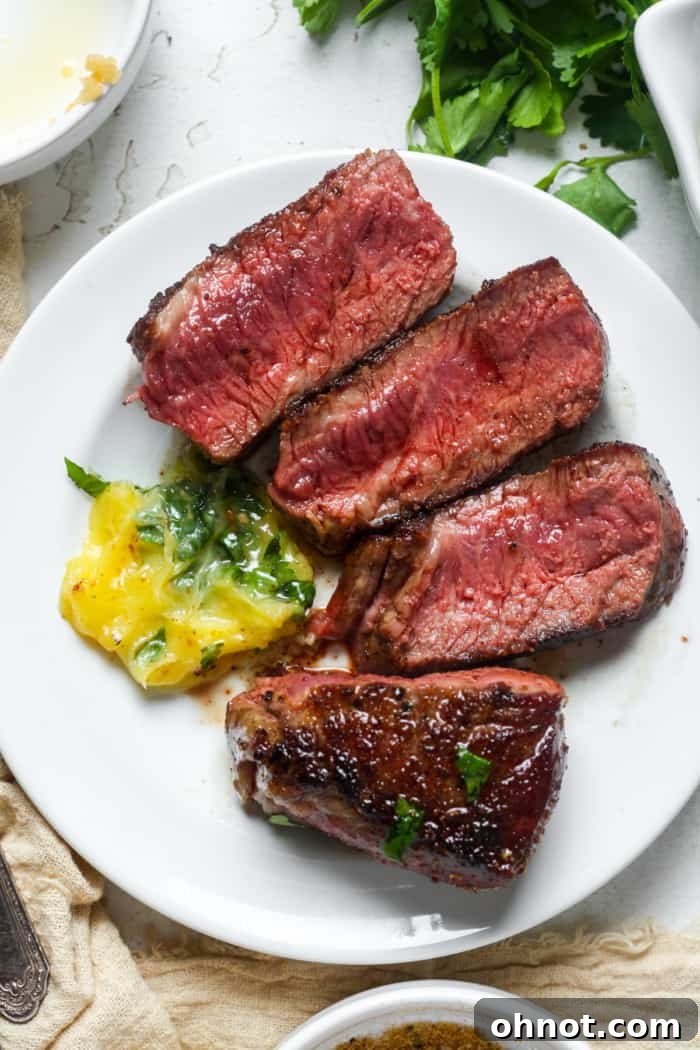
Unlock the secret to a restaurant-quality steak dinner in just 15 minutes with this incredible Denver steak recipe. Renowned for its exceptional tenderness and robust flavor, Denver steak is a hidden gem that’s surprisingly easy to master at home. This quick and simple preparation yields a remarkably juicy steak, making it perfect for busy weeknights, special family gatherings, holiday feasts, or simply elevating your everyday meals. Beyond being a standalone showstopper, cooked Denver steak is incredibly versatile, lending itself beautifully to an array of dishes from savory sandwiches and hearty wraps to vibrant tacos and fresh salads. Prepare to impress with minimal effort!
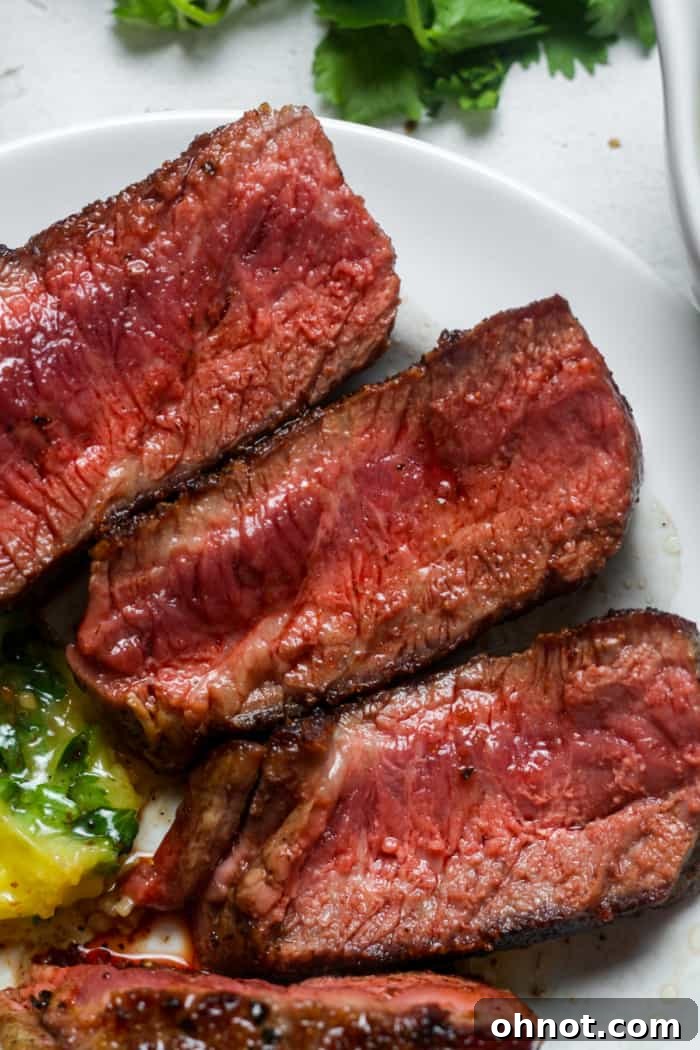
Why This Denver Steak Recipe Will Become Your New Favorite
There are countless reasons to adore this pan-seared Denver steak recipe. It’s designed for convenience without compromising on flavor or quality, making it an ideal choice for any home cook looking to create a memorable meal.
- Effortlessly Quick & Easy: From preparation to plate, this Denver steak recipe requires only about 15 minutes of your time. It’s a testament to how simple yet spectacular steak cooking can be.
- Unbelievably Juicy & Tender: Thanks to the inherent qualities of the Denver cut and our precise cooking method, every bite promises a burst of rich, savory juices and a melt-in-your-mouth texture that rivals the finest steakhouses.
- Versatile for Any Occasion: Whether you’re planning an intimate family dinner, hosting a lively gathering, or preparing a festive holiday meal, this steak is a guaranteed crowd-pleaser. Its simplicity makes it suitable for impromptu meals, while its gourmet feel elevates any special event.
- Perfect for Busy Weeknights: Forget long cooking times or complicated steps. This recipe is streamlined to fit into even the most hectic schedules, providing a delicious and satisfying dinner in a flash.
- Flavor Boost with Garlic Herb Butter: While optional, the homemade garlic herb butter is highly recommended. It infuses the steak with aromatic herbs and rich garlic, adding an extra layer of moisture and a sophisticated flavor profile that truly sets this dish apart.
- Gourmet & Restaurant Quality at Home: Achieve professional-level results with minimal fuss. The beautiful sear, succulent interior, and flavorful butter create a dish that looks and tastes like it came from a high-end restaurant, all from the comfort of your kitchen.
- Health-Conscious and Diet-Friendly: This recipe is naturally compliant with several popular dietary plans, including Whole30, Paleo, Keto, and is gluten-free, egg-free, nut-free, sugar-free, and low-carb. It’s a delicious way to enjoy a hearty meal while adhering to your health goals.
- More Delicious Dinner Inspiration: If you enjoy this steak, be sure to explore other delightful options like our Top Sirloin Steak or a savory Bratwurst Recipe for more culinary adventures.
Essential Ingredients & Smart Substitutions for Denver Steak
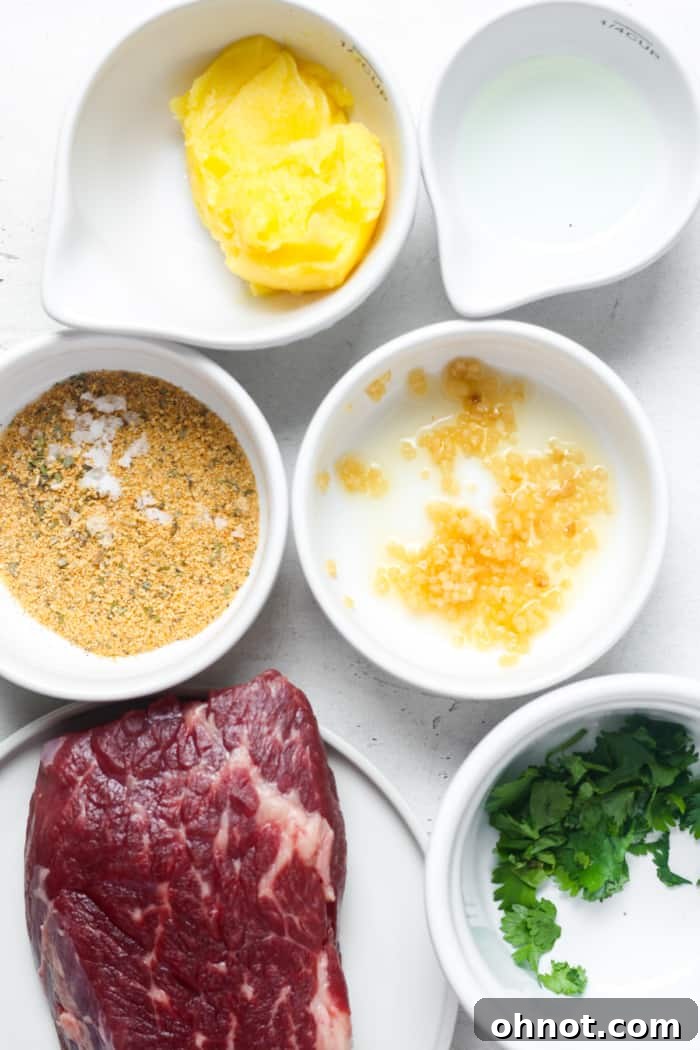
Crafting the perfect Denver steak begins with quality ingredients and knowing how to make smart substitutions. Below are the key components and tips to ensure a delicious outcome. For a comprehensive list of ingredients and detailed instructions, please refer to the recipe card further down.
Selecting Your Denver Steak
The star of this dish is, of course, the Denver steak. You can use either fresh or previously frozen cuts. If using frozen steak, ensure it is thoroughly thawed before you begin cooking. A crucial step for an even cook and superior texture is to let the steak come to room temperature. Remove it from the refrigerator and place it on your kitchen counter for 30 to 60 minutes prior to cooking. This simple act allows the muscle fibers to relax, resulting in a more tender and uniformly cooked steak.
Choosing Your Cooking Oil
For searing, a high smoke point oil is essential to achieve that beautiful crust without burning. Avocado oil is an excellent choice due to its neutral flavor and high smoke point. Olive oil can also be used, especially for lighter searing, but be mindful of its lower smoke point compared to avocado oil. Vegetable oil or grapeseed oil are also viable alternatives if you prefer.
Perfecting the Seasoning
A well-seasoned steak is a flavorful steak. Our foundational blend includes sea salt, black pepper, and garlic powder. Don’t be shy with your seasonings; a generous application enhances the natural beefy taste. Feel free to adjust the quantities to match your personal preference. For those who love a bold flavor, consider experimenting with a dedicated steak rub, such as our Flavorful Steak Rub, which adds depth and complexity to the meat.
The Optional (Yet Highly Recommended) Garlic Herb Butter
This compound butter is a game-changer, adding incredible richness and aroma to your finished Denver steak. To prepare it, simply combine softened butter (or ghee for a dairy-free option), finely minced fresh garlic, and your choice of fresh herbs. The key is using softened butter so it mixes smoothly and melts beautifully over the hot steak. For herbs, popular choices that pair wonderfully with beef include fresh parsley, basil, thyme, or rosemary. Feel free to use a single herb or a combination for a layered flavor profile.
Unveiling the Denver Steak: A Culinary Deep Dive
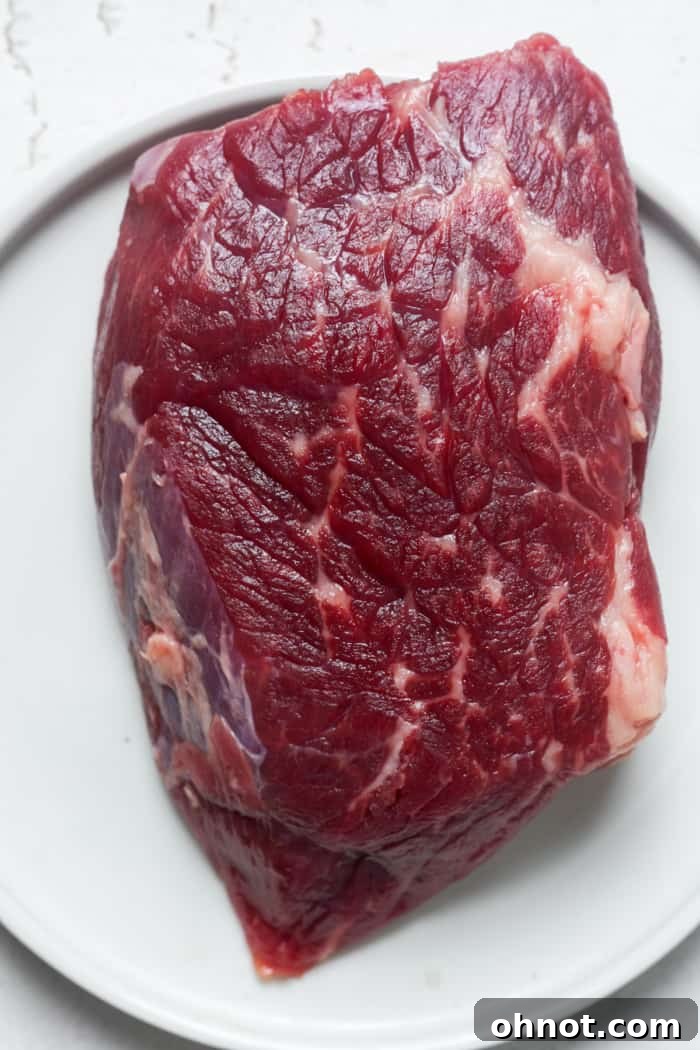
The Denver steak is a lesser-known but increasingly popular cut that offers exceptional value and flavor. Understanding its origins and characteristics will help you appreciate why it’s such a fantastic choice for your next steak night.
Where Does Denver Steak Come From?
Denver steaks are meticulously cut from the chuck primal, specifically from the subscapularis muscle, which is located just underneath the shoulder blade bone of the cow. This area of the animal is typically considered a tougher region, but the subscapularis muscle is relatively underutilized, meaning it doesn’t do a lot of heavy lifting. This lack of strenuous activity contributes significantly to its inherent tenderness, making it a surprising gem from an often-overlooked part of the steer.
Why Is It So Tender and Flavorful?
Because the subscapularis muscle sees little use, it possesses a fine grain and a good amount of intramuscular fat (marbling). This marbling is key to both its tenderness and its rich, beefy flavor. Many describe the Denver steak as having a luxurious texture, combining the best attributes of more expensive cuts. It strikes a delightful balance, often compared to the robust, beefy flavor of a ribeye steak and the satisfying chew of a New York strip steak, but with a unique tenderness that sets it apart.
Characteristics and Uses
Denver steaks are typically boneless, making them easy to cook and carve. They usually come in a thickness that’s ideal for pan-searing or grilling, allowing for a beautiful crust while maintaining a juicy interior. Due to their tenderness and rich flavor, these steaks are incredibly versatile. While often sliced thinly for use in sandwiches and wraps, they also excel as a standalone steak, served with your favorite sides. Their robust flavor holds up well to marinades and bold seasonings, though a simple salt and pepper treatment is often all that’s needed to let the beef shine.
Ensuring Food Safety
For optimal safety and enjoyment, Denver steak should be cooked to an internal temperature of at least 145 degrees Fahrenheit (63 degrees Celsius). Use a reliable meat thermometer to check the thickest part of the steak for accurate readings. Remember that the temperature will rise slightly during the resting period after cooking (carryover cooking), so remove it from the heat a few degrees below your desired final doneness.
The Name “Denver”
Interestingly, the name “Denver” for this cut has no particular geographic meaning or historical significance related to the city of Denver. It was a marketing name given to the cut by the National Cattlemen’s Beef Association as part of a research project to identify new, marketable cuts from the chuck primal that could compete with more popular steak cuts.
Where to Find Denver Steak
While Denver steak is gaining popularity, it’s not always readily available in every major grocery store chain like Whole Foods, Trader Joe’s, Walmart, or Target. Your best bet for finding this cut is often through online meat retailers or, ideally, your local butcher shop. Butchers are usually more familiar with different cuts and can source or prepare a Denver steak for you. Don’t hesitate to ask your butcher if you don’t see it on display; they might have it in the back or can order it for you.
The Irresistible Taste & Texture of Denver Steak
When cooked properly, Denver steak delivers a truly exceptional culinary experience defined by its rich taste and satisfying texture. It’s a steak lover’s dream, offering a complexity that belies its relative obscurity.
A Symphony of Flavor
Prepare your palate for a hearty, savory, and intensely beefy flavor that distinguishes the Denver steak. Its robust profile is often likened to that of a premium ribeye steak, providing that deep, umami richness that true beef connoisseurs crave. The natural marbling within the cut melts during cooking, enhancing this beefy flavor and contributing to an overall luxurious taste. When adorned with the optional garlic herb butter, the steak is further elevated with creamy, aromatic notes of fresh garlic and chosen herbs, creating a harmonious blend that is both comforting and sophisticated. The butter melts into the steak’s surface, basting it in a flavorful sheen that deepens every bite.
A Texture to Remember
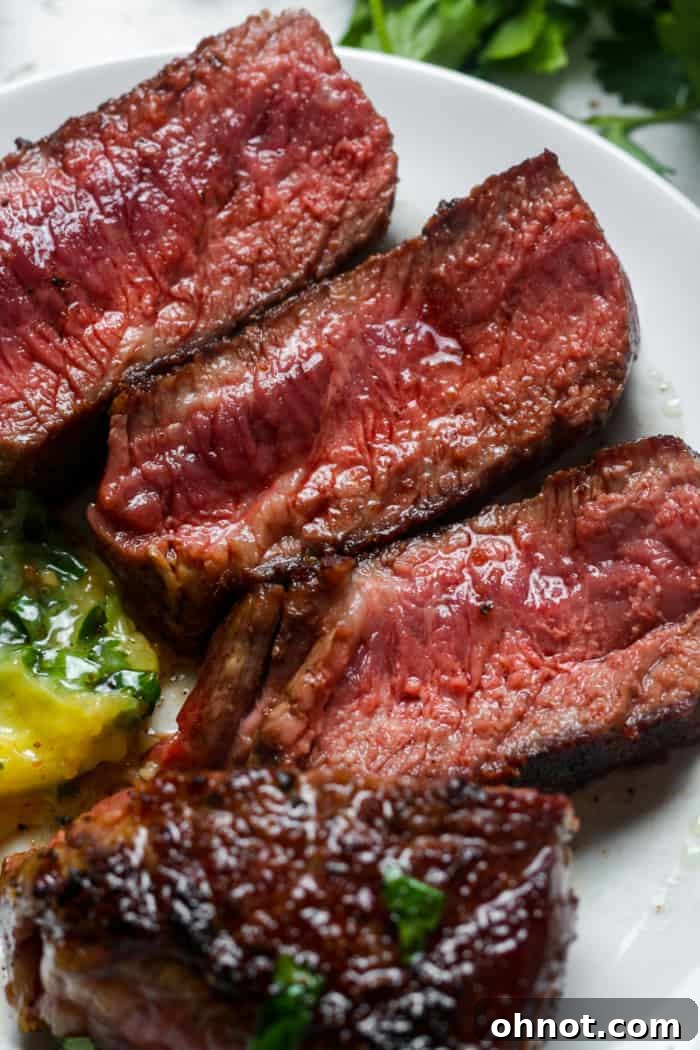
The texture of a perfectly cooked Denver steak is where it truly shines: remarkably juicy, incredibly tender, and wonderfully moist. It’s a far cry from dry or bland cuts, offering a delightful chew that isn’t tough or stringy. The secret to achieving this luscious texture lies in the resting period after cooking. After removing the steak from the heat, it’s crucial to let it rest on a plate for at least 5 minutes before slicing. This allows the internal juices, which have been driven to the center during cooking, to redistribute throughout the entire steak. Skipping this step often results in juices spilling out onto the cutting board, leaving you with a drier, less flavorful piece of meat. By allowing it to rest, you lock in the moisture, ensuring every slice is as succulent as possible.
Step-by-Step Guide: How to Cook Denver Steak to Perfection
Mastering Denver steak is straightforward with these simple steps. Follow along to achieve a perfectly seared, juicy steak every time.
Step 1: Bring Steak to Room Temperature
Approximately 30 to 60 minutes before you plan to cook, remove your Denver steak from the refrigerator. Allowing the meat to come to room temperature ensures a more even cook from edge to center, preventing a cold interior and overcooked exterior. This simple pre-cooking step is vital for optimal tenderness and juiciness.
Step 2: Prepare Your Skillet
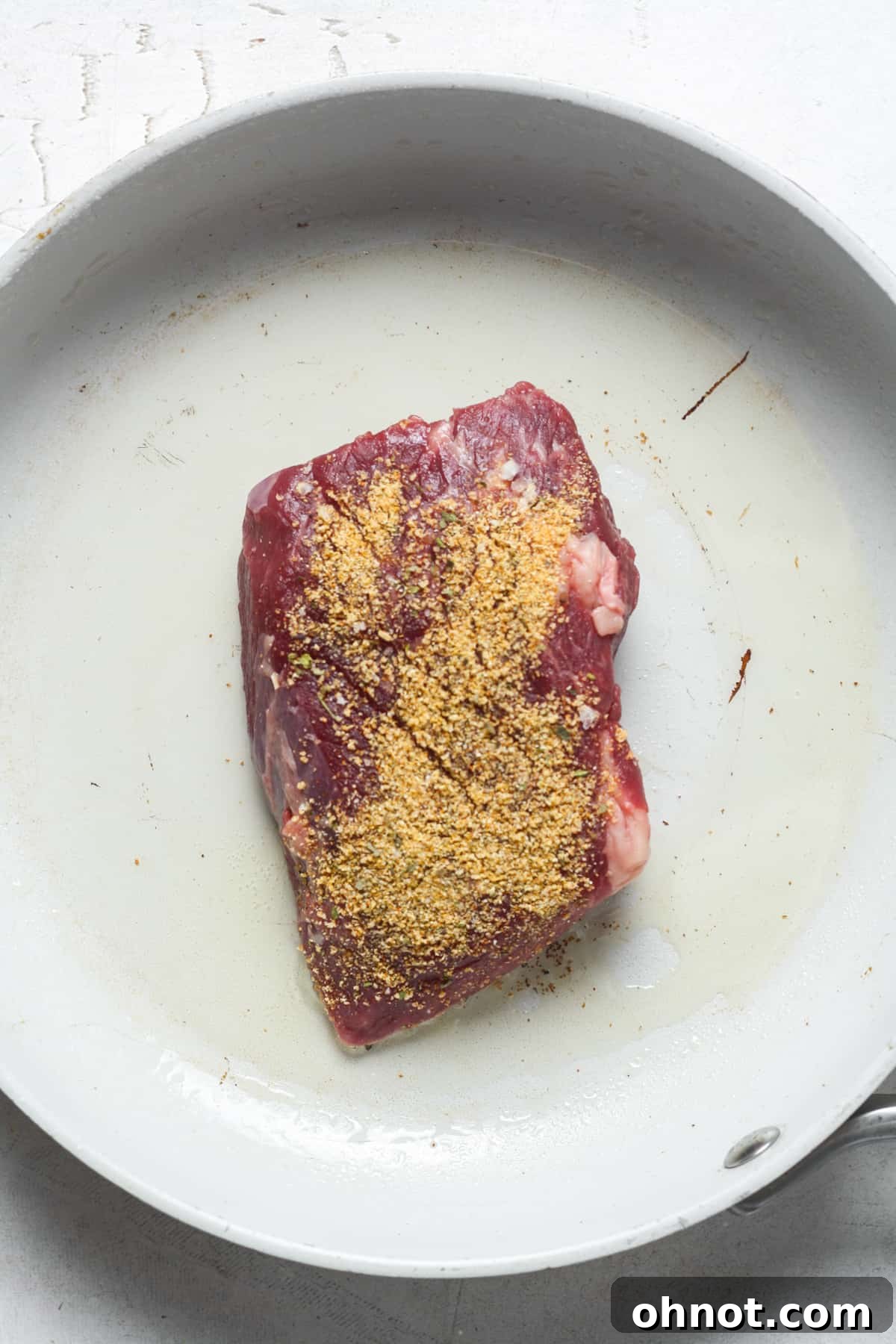
Place a heavy-bottomed skillet, ideally cast iron or stainless steel, over medium to medium-high heat. Add your chosen cooking oil, such as avocado oil, ensuring it’s evenly distributed across the pan. Allow the oil to heat up thoroughly until it shimmers slightly and is just beginning to smoke. This hot pan is crucial for developing a beautiful, golden-brown crust on your steak.
Step 3: Season the Steak Generously
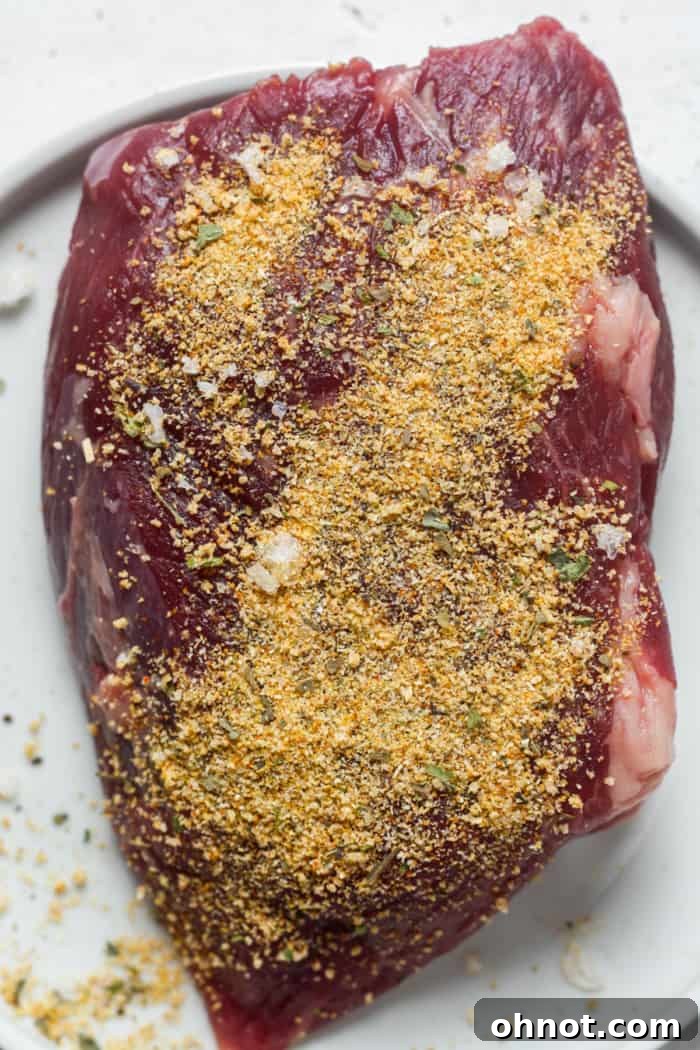
While the skillet heats, pat the Denver steak completely dry with paper towels. Removing excess moisture is essential for achieving a good sear. Once dry, season all sides of the steak generously with sea salt, black pepper, and garlic powder. Don’t be afraid to use a good amount of seasoning; it forms a flavorful crust during searing. Ensure the seasoning adheres well by gently pressing it into the meat.
Step 4: Pan-Sear the Steak
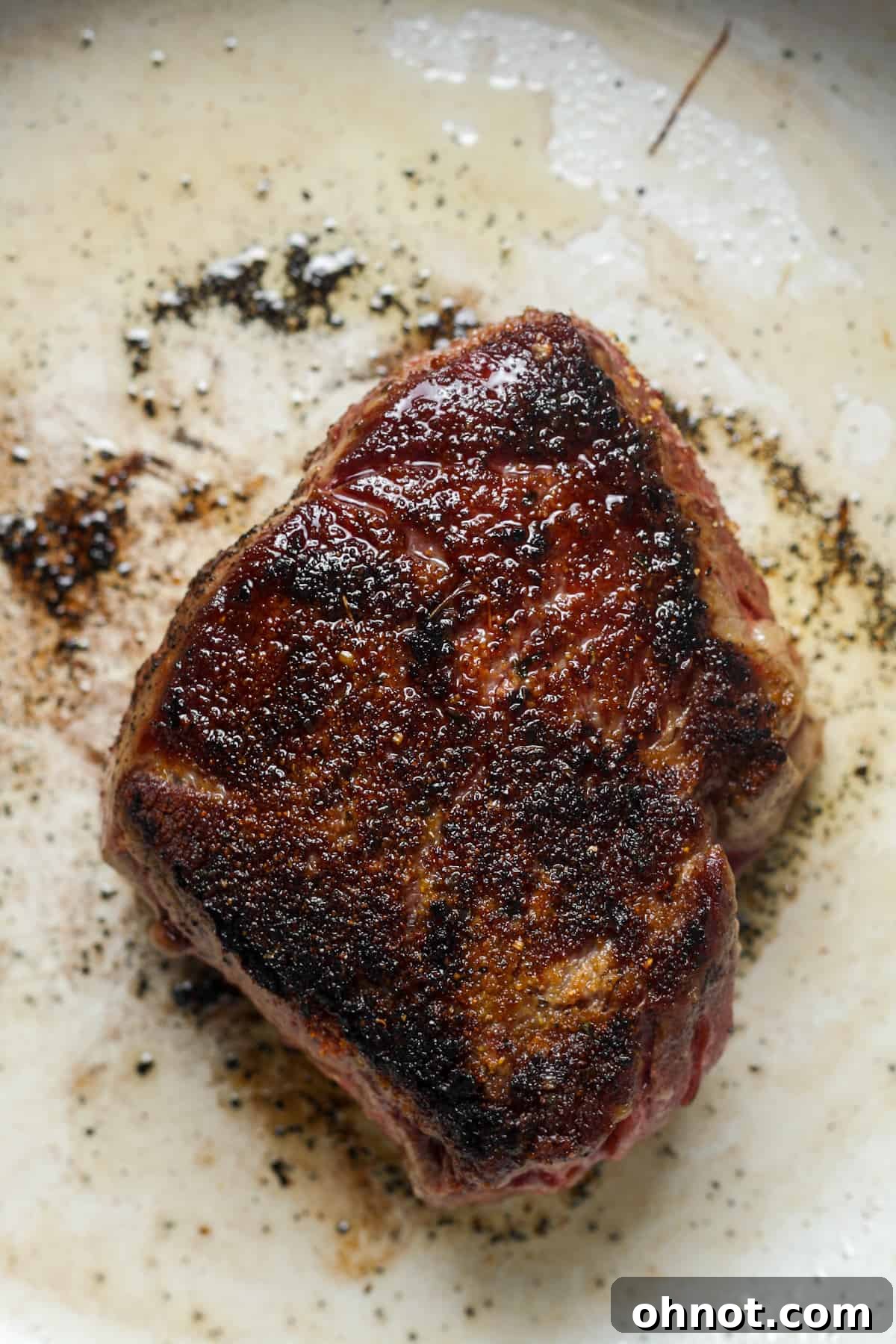
Once the oil in the skillet is hot and shimmering, carefully place the seasoned Denver steak into the pan. Cook for 3 to 4 minutes per side for medium-rare to medium doneness, adjusting the time based on the thickness of your steak and your desired level of doneness. For a precise result, use a meat thermometer to check the internal temperature. Flip the steak only once to ensure maximum crust development on both sides.
Step 5: Rest the Steak
After cooking to your desired doneness, remove the Denver steak from the skillet and transfer it to a clean plate or cutting board. It is absolutely essential to allow the steak to rest for at least 5 minutes before slicing. This resting period allows the juices to redistribute throughout the meat, preventing them from flowing out when you cut into it, thus ensuring a much juicier and more flavorful steak.
Step 6: Prepare and Serve Garlic Herb Butter
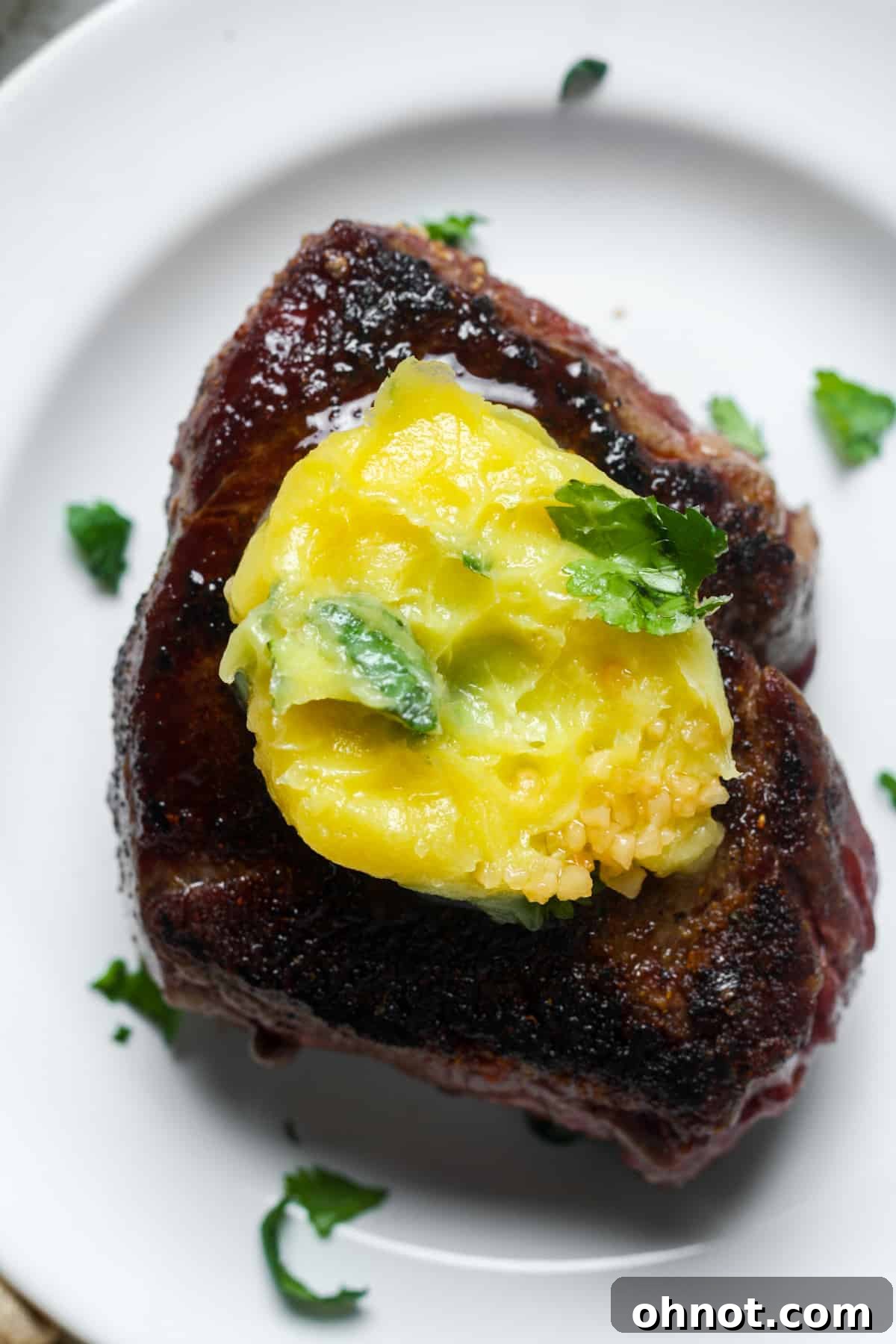
While the steak rests, in a small bowl, combine softened butter (or ghee), minced fresh garlic, and your choice of fresh herbs (such as parsley, basil, thyme, or rosemary). Mix well until thoroughly combined. Once the steak has rested, serve it immediately with a generous dollop of this flavorful garlic herb butter melted on top. The warmth of the steak will gently melt the butter, creating a delicious sauce that enhances every bite.

Expert Tips & Tricks for the Best Denver Steak
Achieving steakhouse-quality Denver steak at home is easier than you think with these expert tips and tricks. Elevate your cooking and ensure a perfect result every time.
- Adjust Cooking Time for Thickness: The cooking times provided are a guideline. Always remember that the actual cooking duration will vary depending on the exact size and thickness of your Denver steak, as well as its starting temperature and the heat of your pan. A thicker steak will require more time, while a thinner one cooks faster.
- The Essential Meat Thermometer: For accurate results and to cook your steak to your preferred doneness without guessing, a reliable meat thermometer is your best friend. Insert it into the thickest part of the steak, avoiding any bones (though Denver steaks are boneless), to get a precise internal temperature reading.
- Don’t Skimp on Seasoning: Be generous with your sea salt, black pepper, and garlic powder. These seasonings not only flavor the meat but also contribute to the delicious crust that forms during searing. A well-seasoned steak will have a richer, more profound flavor.
- Ideal Steak Thickness: My Denver steak was approximately 1 inch thick, which is an ideal size for quick pan-searing. If your steak is considerably thicker or thinner, adjust your cooking times accordingly.
- Preheat Your Pan Properly: Allow your cooking oil to become thoroughly hot in the skillet before you introduce the steak. A properly hot pan creates an immediate sizzle and a beautiful golden-brown sear, locking in juices and developing a rich, flavorful crust (the Maillard reaction). If the pan isn’t hot enough, the steak will steam rather than sear.
- The Importance of Resting: This step cannot be overstressed. After cooking, always allow the steak to rest on a plate or cutting board for at least 5 minutes before slicing. This critical period enables the muscle fibers to relax and reabsorb the juices, ensuring a super juicy and tender steak that doesn’t bleed out all its moisture when cut.
- The Magic of Garlic Herb Butter: While optional, topping your hot, rested Denver steak with a dollop of garlic herb butter will elevate the dish significantly. As it melts, it bastes the steak in aromatic, savory goodness, adding both flavor and moisture.
Serving Suggestions & Storage Tips
Elevate your Denver steak experience with these delightful serving suggestions and learn how to properly store leftovers for continued enjoyment.
Serving Your Perfect Denver Steak
Always serve Denver steak hot and fresh for the best flavor and texture. After cooking, remember the crucial 5-minute resting period on a plate before you slice into it. This ensures maximum juiciness. For an ultimate flavor boost, generously top your steak with the prepared garlic herb butter. Its creamy richness and aromatic herbs perfectly complement the savory beef.
If you prefer other condiments, Denver steak pairs wonderfully with classic BBQ sauce, an exciting Korean BBQ sauce, traditional ketchup, or your favorite steakhouse sauce. Its robust flavor can stand up to a variety of accompaniments.
Round out your meal with delicious side dishes. Some fantastic pairings include crispy French fries, creamy mashed potatoes, a wholesome combination of green beans and potatoes, naturally sweet baked sweet potato slices, a medley of roasted vegetables, or a refreshing side salad. Choose sides that complement the richness of the steak and your dietary preferences.
Storing Leftovers
If you happen to have any leftover Denver steak, store it promptly in an airtight container in the refrigerator. Properly stored, it will remain fresh and delicious for up to 4 days. When reheating, gently warm slices in a skillet over medium-low heat or in the oven at a low temperature to prevent drying out the meat. Avoid high heat, which can toughen the steak.
Frequently Asked Questions About Denver Steak
Curious about Denver steak? Here are answers to some common questions that will help you better understand and appreciate this fantastic cut of beef.
Absolutely! Despite being a lesser-known cut from the chuck primal, Denver steak is highly regarded for its exceptional tenderness and rich, beefy flavor. It comes from an underutilized muscle, which contributes to its fine grain and succulence, making it a surprisingly premium experience for its price point.
No, Denver steak and flat iron steak are not the same, though both come from the chuck primal. A flat iron steak is cut from the top blade roast, while Denver steak comes from the subscapularis muscle beneath the shoulder blade. While both are tender, they have distinct origins within the chuck and slightly different characteristics. Denver steak is often considered more akin to a New York strip or a ribeye in terms of flavor and tenderness, without the central gristle found in some flat irons.
Denver steak is generally more affordable because it comes from the chuck primal, which traditionally yields less expensive cuts compared to prime cuts like tenderloin or ribeye. While modern butchery techniques have unlocked its tenderness, its origin from a “lower quality” region of the cow (historically perceived) makes it a more budget-friendly option, offering incredible value for its quality.
Denver steak offers a robust, distinctly beefy flavor that is both hearty and savory. It has a rich umami profile with good marbling, which contributes to its deep flavor similar to a ribeye. It’s not overly gamey but provides a satisfying, classic steak taste that pairs well with simple seasonings or rich sauces.
Denver steaks are most reliably found through online specialty meat retailers or at your local butcher shop. While they are gaining popularity, they are not typically stocked in the standard meat sections of large chain grocery stores or big box retailers. Calling ahead to your butcher or checking specialized meat purveyors is recommended.
Due to its natural tenderness, marinating a Denver steak is generally not necessary to achieve a tender result. Simple seasoning with salt, pepper, and garlic powder is often sufficient to highlight its natural flavor. However, if you desire to infuse additional flavors or prefer a specific marinade, there’s no harm in marinating it for a few hours; it will only enhance its taste.
Optimal Cooking Times & Temperatures for Denver Steak
Achieving your preferred doneness for Denver steak is key to enjoying this delicious cut. This table provides estimated cooking times for a 1-inch thick Denver steak using the stovetop pan-searing method. Remember that internal temperature readings are taken immediately after the steak is removed from the pan; the temperature will continue to rise slightly as the steak rests (known as carryover cooking).
| Doneness | Cook Time (Each Side) | Internal Temperature (Off Heat) |
| Rare | 2 minutes | 120-125°F (49-52°C) |
| Medium Rare | 3 minutes | 130-135°F (54-57°C) |
| Medium | 4 minutes | 140-145°F (60-63°C) |
| Medium Well | 5 minutes | 150-155°F (66-68°C) |
| Well Done | 6+ minutes | 160°F+ (71°C+) |
Always use a meat thermometer for the most accurate results, as cooking times can vary based on your stove, pan, and the exact thickness and starting temperature of your steak. For juicy steak, aim to remove it from the heat when it’s a few degrees below your target internal temperature, as it will continue to cook as it rests.
Essential Equipment for Cooking Denver Steak
While you don’t need a lot of specialized gear to cook a fantastic Denver steak, having the right tools can make the process smoother and ensure perfect results every time. Here are a couple of recommended items:
- High-Quality Skillet (e.g., Our Place Always Pan): A good quality, heavy-bottomed skillet is indispensable for pan-searing steak. Cast iron or stainless steel pans are excellent choices because they retain heat very well and distribute it evenly, which is crucial for achieving that desirable crust. The “Our Place Always Pan” is a popular choice for non-toxic cooking and versatility, great for everything from searing meats to cooking eggs and pancakes.
- Reliable Meat Thermometer: This is a must-have tool for any steak enthusiast. A meat thermometer allows you to accurately measure the internal temperature of your steak, ensuring it is cooked to your exact preferred doneness (rare, medium-rare, medium, etc.) and safe to eat. Guessing can lead to overcooked or undercooked results, so a thermometer takes out all the guesswork.
With these simple tools, you’ll be well-equipped to prepare a delicious Denver steak that’s perfectly cooked and full of flavor.
You May Also Like These Steak & Dinner Recipes
If you’ve enjoyed this delightful Denver steak recipe, you’ll surely love exploring these other fantastic steak and dinner options. Each recipe offers a unique approach to preparing delicious meals:
- Air Fryer Ribeye Steak: Discover how to achieve a perfectly cooked ribeye with a fantastic crust using the convenience of an air fryer.
- Instant Pot Steak: Learn to tenderize and flavor steak quickly and efficiently with your Instant Pot, perfect for busy evenings.
- Rump Steak: Explore a flavorful and lean cut that’s versatile for various cooking methods, ideal for a hearty meal.
- Cube Steak: Master this classic, tenderized cut often used for country-fried steak, perfect for comfort food cravings.
- Sous Vide Flank Steak: Achieve incredibly tender and evenly cooked flank steak with the precision of sous vide cooking, then finish with a perfect sear.
Each of these recipes offers unique flavors and cooking techniques to expand your culinary repertoire and ensure delicious outcomes for any occasion.
If you make this incredibly tender and juicy Denver steak recipe, I would truly appreciate your feedback! Please consider leaving a review. You can also connect with me on Instagram, Facebook, and Pinterest for more delicious recipes and healthy living tips. For an exclusive behind-the-scenes look and to connect with a community of fellow food lovers, join my private Facebook Group. I’d love for you to follow along! For even more culinary inspiration, explore my collection of Lunch and Dinner Recipes.
Prep Time: 5 mins
Cook Time: 10 mins
Total Time: 15 mins
Get the Recipe: Denver Steak
This Denver steak is so tender, juicy and flavorful! This quick and easy recipe feels gourmet and restaurant quality. It takes less than 15 minutes total. Great for holidays, family dinners, meal prep and leftovers.
Pin Recipe
Ingredients
Yields: 1 serving
- 1 Denver steak
- 1 tbsp avocado oil, or olive oil
- ½ tsp sea salt
- ½ tsp black pepper
- ½ tsp garlic powder
- 1 tbsp softened butter, or ghee
- ½ tsp minced garlic
- fresh herbs (such as parsley, basil, thyme, or rosemary)
Instructions
- First, take steak out of the fridge 30 to 60 minutes before cooking to bring it to room temperature.
- Add avocado oil to a skillet over medium to medium-high heat. Allow the oil to get hot and shimmering.
- Pat the steak dry with paper towels. Season all over generously with sea salt, pepper, and garlic powder.
- Once the oil is hot, carefully place the seasoned steak in the skillet. Cook for 3 to 4 minutes per side for medium-rare to medium doneness. Check the internal temperature using a meat thermometer.
- Finally, remove the steak from the skillet and place it on a plate. Allow the steak to rest for 5 minutes before slicing.
- In a small bowl, combine softened butter, minced garlic, and fresh herbs. Mix well. Serve this flavorful compound butter on top of the rested steak.
Notes
- My Denver steak was approximately 1 inch thick. Adjust cooking times for thicker or thinner cuts.
- Allow the oil to get sufficiently hot before carefully placing the steak in the skillet to ensure a proper sear.
- Refer to the cooking time and temperature table above for different levels of doneness.
- Always use a meat thermometer for accurate measurement of doneness.
- Allow the steak to rest on a plate for at least 5 minutes before slicing into it. This crucial step helps lock in the juices, ensuring a more succulent steak.
- The garlic herb butter is optional but highly delicious and recommended for an enhanced flavor experience.
- Store any leftovers in the fridge in an airtight container for up to 4 days.
Nutrition
Calories: 434kcal, Carbohydrates: 2g, Protein: 46g, Fat: 40g, Saturated Fat: 16g, Polyunsaturated Fat: 4g, Monounsaturated Fat: 20g, Trans Fat: 0.5g, Cholesterol: 100mg, Sodium: 1309mg, Potassium: 341mg, Fiber: 0.4g, Sugar: 0.1g, Vitamin A: 370IU, Vitamin C: 0.5mg, Calcium: 20mg, Iron: 4mg
Author: Addison LaBonte
Course: Main Course
Cuisine: American
Love this healthy pan-seared Denver steak recipe? You can sign up here to receive healthy meal plans, exclusive new recipes, and updates directly to your inbox!