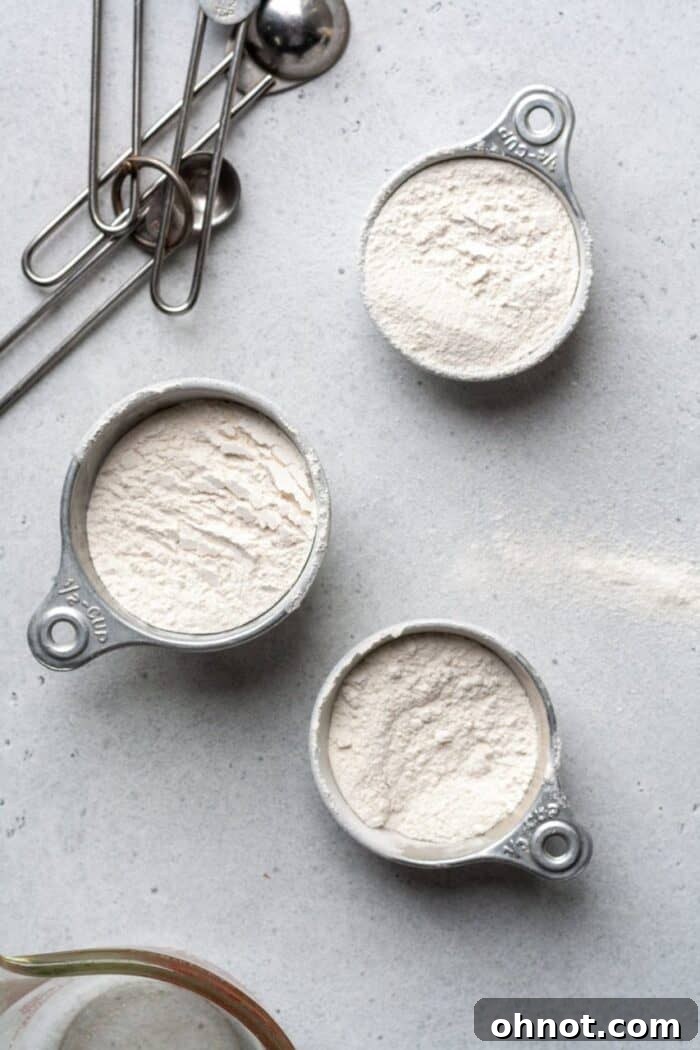
In the diverse world of alternative flours, finding one that truly replicates the characteristics of traditional wheat flour can be a game-changer for those with dietary restrictions or specific health goals. Enter cassava flour – a remarkable grain-free, gluten-free, and nut-free baking flour that is quickly gaining popularity for its incredible versatility in both cooking and baking. This comprehensive guide to cassava flour is designed to equip you with everything you need to know, from its origins and nutritional profile to its unique health benefits, common misconceptions, and practical applications in the kitchen. Whether you’re new to gluten-free baking or looking for an exciting new ingredient, prepare to discover the wonders of cassava flour!
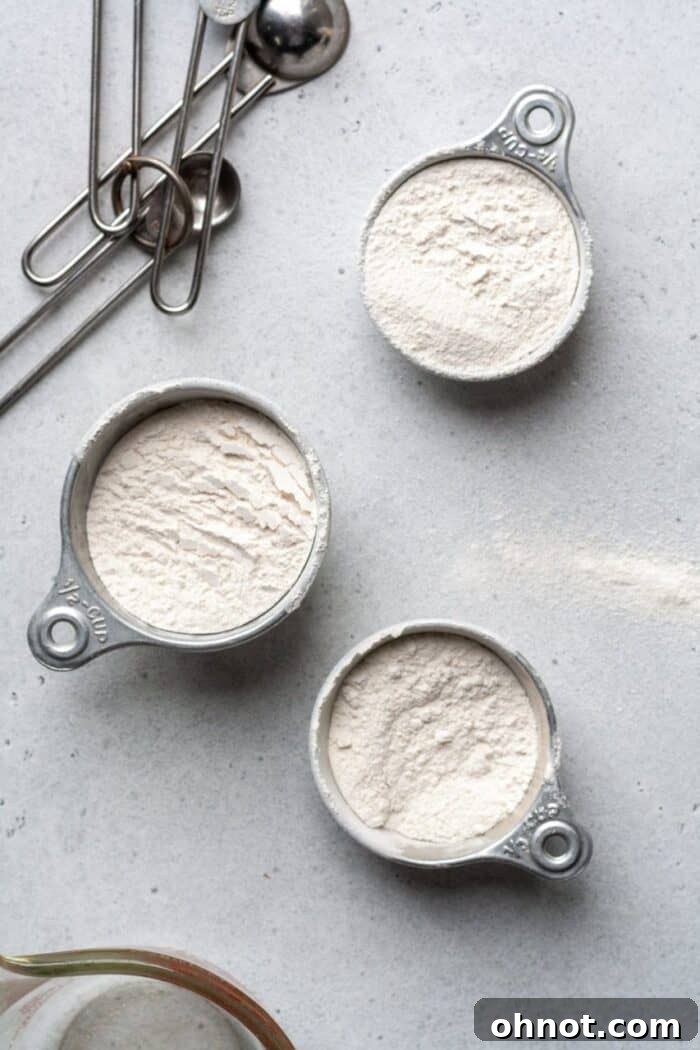
Unveiling Cassava Flour: A Gluten-Free Kitchen Staple
Cassava flour is a naturally gluten-free, grain-free, and nut-free flour derived from the fibrous cassava root. Often hailed as the closest gluten-free alternative to conventional white wheat flour, it has become a cornerstone in Paleo baking and a favorite for those managing allergies or sensitivities. Its remarkable ease of use and dense nutritional profile make it an exceptional choice for a wide array of recipes. The cassava plant, a woody shrub, is cultivated primarily in South America, Africa, and parts of Asia, where its starchy root has been a dietary staple for centuries, providing essential carbohydrates and sustenance.
What truly sets cassava flour apart is its neutral flavor profile, which is only subtly nutty, and its texture and appearance, which are strikingly similar to those of wheat flour. This makes it incredibly adaptable for both sweet and savory dishes, providing a familiar consistency that many other gluten-free flours struggle to achieve without complex blends. You might also encounter cassava flour under different names such as manioc flour or yuca flour (sometimes spelled yucca flour). Regardless of the name, the answer to “Is manioc flour gluten-free?” is a resounding yes!
From Root to Flour: The Manufacturing Process
The journey of cassava from a humble root vegetable to a versatile flour is a meticulous process that significantly impacts its quality and functionality. Originating in regions like South America and parts of Africa, the cassava root is carefully harvested, peeled, and then dried. The unique aspect of true cassava flour is that it utilizes the *entire* root, which is then ground into a fine, powdery flour. This whole-root approach distinguishes it from other cassava-derived products like tapioca starch, retaining more fiber and nutritional value.
The drying method is crucial for the final quality of the flour. For instance, reputable brands like Otto’s Naturals prioritize oven-drying the cassava roots within 36 hours of harvest. This swift, controlled drying process is vital because traditional sun-drying, while common in some regions, can lead to several undesirable outcomes. Sun-drying often results in an unwanted fermentation flavor, which can impart an off-taste to baked goods. Furthermore, exposing the roots to the elements during sun-drying increases the risk of contamination from molds and other environmental factors, compromising food safety and quality.
Another factor influencing flour quality is the maturity of the cassava roots. Larger, more mature roots typically yield more flour, which can lead to a less expensive product pound for pound. However, these mature roots also contain higher amounts of fiber. While fiber is generally beneficial, an excessive surplus can negatively affect the texture of baked goods, potentially leading to a gritty or overly dense result. Conversely, some production methods remove a significant portion of the fiber, often to sell it as a separate product. This extensive fiber removal, however, can strip the flour of its essential absorptive properties, making it behave more like tapioca flour and leading to challenges in baking. Both overly fibrous and excessively defibered flours, while potentially cheaper, do not provide optimal baking results. This is precisely why investing in a high-quality brand, known for its consistent processing, makes a significant difference.
Cassava Flour vs. Tapioca Flour: Understanding the Difference
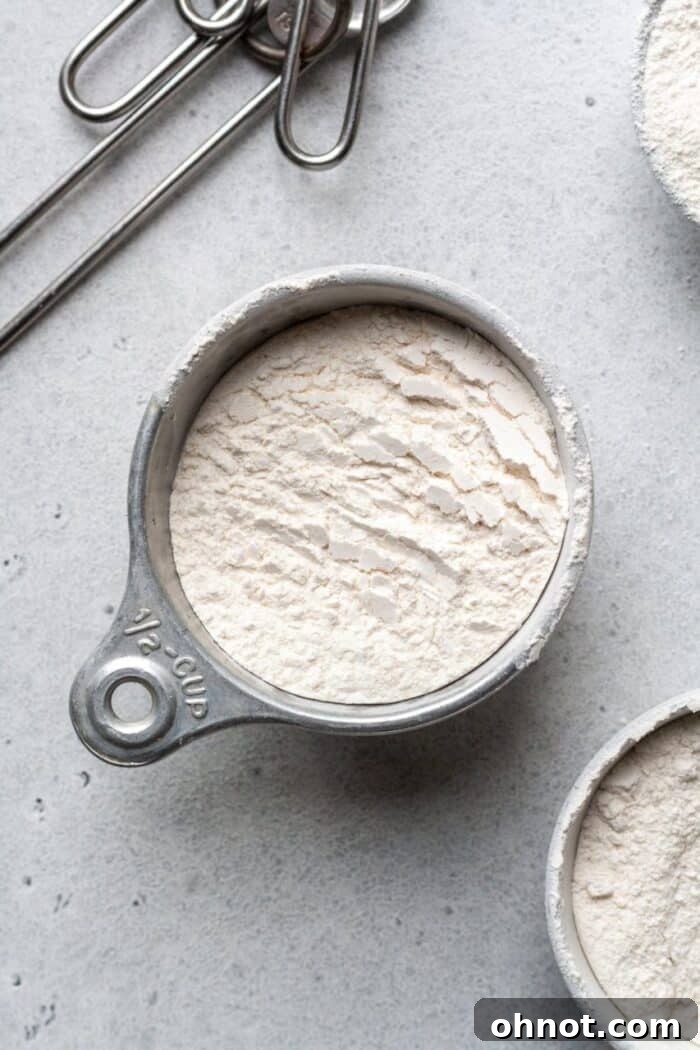
A common point of confusion revolves around cassava flour and tapioca flour. Despite both originating from the cassava root, they are distinctly different products with unique characteristics and culinary applications. The primary difference lies in their production method and the part of the root used.
Cassava flour is created by grinding the *entire* peeled and dried cassava root. This means it contains the whole root’s fiber, starch, and nutritional components. As a result, cassava flour has a texture and consistency that closely mimics traditional wheat flour, making it an excellent primary flour for baking. Its ability to provide structure and act as a base in recipes is unparalleled among many gluten-free alternatives.
Tapioca flour, on the other hand, is made solely from the *starch* extracted from the cassava root. The fibrous parts of the root are removed, leaving behind a pure starch. This gives tapioca flour a much finer, almost translucent, powdery texture, similar to cornstarch. Its functional properties are primarily thickening and providing a chewy, sometimes “gummy” quality to baked goods. It lacks the robust structure-building capabilities of whole cassava flour.
Due to these fundamental differences, they are used in distinct ways in recipes. For instance, recipes that require a substantial flour base, like my Cassava Flour Cookies, rely on cassava flour for its structure and volume. Tapioca flour, conversely, is best utilized in smaller quantities as a thickening agent for sauces, gravies, or to add chewiness and crispness to gluten-free baked goods. In my Whole30 Orange Chicken, tapioca flour serves a dual purpose, acting as a light breading for the chicken and a thickener for the savory sauce. Understanding this distinction is key to achieving successful results in gluten-free cooking and baking.
Health Benefits and Nutritional Profile of Cassava Flour
Beyond its impressive culinary versatility, cassava flour boasts a compelling nutritional profile and several health benefits that make it a valuable addition to a balanced diet, especially for those adhering to Paleo, gluten-free, or grain-free lifestyles. It is naturally low in fat, cholesterol, and sodium, aligning with many health-conscious dietary approaches.
One of its standout nutritional features is its high Vitamin C content. A single cup of cassava flour can provide approximately 70% of the recommended daily value of Vitamin C, an essential antioxidant crucial for immune function, collagen production, and skin health. This Paleo-friendly flour is also a good source of healthy carbohydrates, providing sustained energy, and dietary fiber, which is vital for digestive health.
A particularly noteworthy component of cassava flour is its resistant starch content. Resistant starch acts much like soluble fiber, passing through the small intestine largely undigested and fermenting in the large intestine. This fermentation process produces beneficial short-chain fatty acids that nourish gut bacteria, promoting a healthy gut microbiome. A thriving gut environment is linked to numerous health benefits, including reduced systemic inflammation throughout the body. Research suggests that foods rich in resistant starch can potentially improve metabolism, contribute to better blood sugar regulation, and may even lower the risk of developing conditions like diabetes and obesity. (Source) Integrating cassava flour into your diet can therefore be a strategic choice for supporting overall well-being.
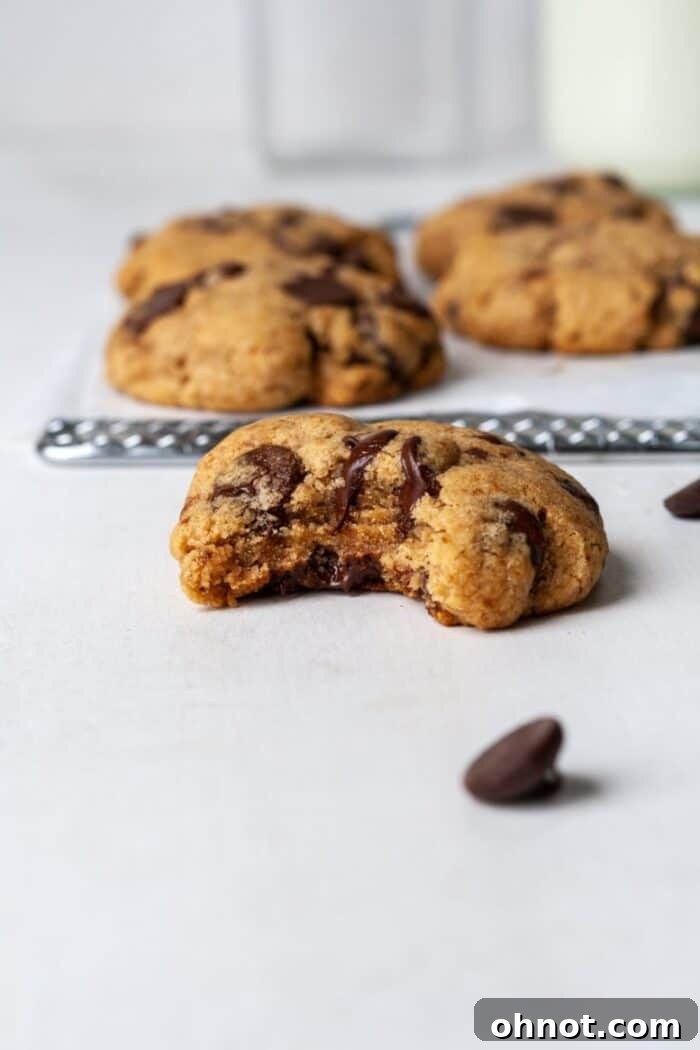
You can create amazing treats like these Cassava Flour Chocolate Chip Cookies!
Taste & Texture: The Key to Its Appeal
The taste and texture of cassava flour are arguably its most compelling attributes, making it a standout among alternative flours. Unlike almond flour, which carries a distinct nutty flavor, or coconut flour, with its pronounced coconut essence, cassava flour is remarkably neutral in taste. It possesses only a very subtle, almost imperceptible nutty undertone, closely resembling the mild flavor profile of white wheat flour. This neutrality is a tremendous advantage, as it ensures that the flour does not overpower or alter the intended flavors of your baked goods or savory dishes. In recipes such as my Cassava Flour Brownies, its taste is completely undetectable, leading many to believe they are even better than traditional boxed brownies!
While almond and coconut flours are excellent for specific Paleo baking applications, their inherent flavors can limit their use in certain recipes or for those who prefer a less distinctive taste. Cassava flour, by contrast, offers a significantly more versatile and neutral option, expanding the possibilities for both sweet treats and savory preparations without flavor clashes.
Achieving the ideal texture with cassava flour hinges significantly on purchasing a high-quality product. Because it is derived from a fibrous root, poorly processed cassava flour can result in a gritty or sandy texture in your final product, especially when produced in mass quantities without proper attention to detail. To ensure the finest texture, it is advisable to choose brands that explicitly state their flour is made from younger yuca roots, which tend to have a finer fiber structure. Additionally, while tapioca flour is often associated with a “gummy” consistency when used incorrectly or in large amounts, this stickiness is not characteristic of high-quality cassava flour, further cementing its reputation as a superior baking ingredient.
Navigating Substitutions with Cassava Flour
One of the most frequent questions from bakers exploring gluten-free options is about substituting flours. Cassava flour offers impressive versatility, often serving as a viable replacement for white wheat flour in many recipes. However, successful substitution requires a bit of experimentation and an understanding of its unique properties. Generally, cassava flour is slightly lighter in weight than traditional wheat flour but possesses a much higher absorbency. This means it soaks up liquids more readily and can make your baked goods dense or dry if not adjusted correctly.
A good rule of thumb when substituting cassava flour for wheat flour is to start with approximately 75% of the amount of wheat flour called for in the original recipe. For example, if a recipe calls for 1 cup of wheat flour, begin with about 3/4 cup of cassava flour. Then, assess the dough or batter consistency and add a small amount more liquid, if necessary, until the desired texture is achieved. This method helps prevent overly dry or crumbly results. Cassava flour works particularly well in recipes for cookies, brownies, pancakes, waffles, and certain quick breads, where a tender crumb and good structure are desired.
It’s crucial to understand that while cassava flour is versatile, it is not a universal substitute for all gluten-free flours. I would strongly advise against a direct 1:1 substitution of cassava flour for almond flour, or vice versa. Almond flour is typically coarser, higher in fat, and less absorbent than cassava flour, leading to vastly different results in terms of texture, moisture, and structure. Similarly, coconut flour is known for its exceptionally high absorbency – far greater than cassava flour. Attempting to substitute cassava for coconut flour directly would result in a wet, unusable batter due to coconut flour’s ability to soak up an enormous amount of liquid. Each alternative flour has its distinct properties, making precise recipe adjustments or dedicated recipes the best approach for successful gluten-free baking.
Where to Purchase Quality Cassava Flour
As the popularity of grain-free and gluten-free diets continues to grow, cassava flour has become increasingly accessible. You can find this versatile flour at a variety of retailers, making it easier than ever to incorporate into your cooking and baking. Major retail chains such as Walmart and most conventional grocery stores now stock cassava flour in their baking or natural foods aisles. Beyond brick-and-mortar stores, a vast selection is available online, particularly through platforms like Amazon.
On Amazon, you’ll find several reputable brands that offer high-quality cassava flour, including Otto’s Naturals, which is highly recommended for its consistent quality. Other popular and reliable brands available online include Anthony’s, Bob’s Red Mill, Terrasoul Superfoods, and Carrington Farms. When shopping, always look for cassava flour specifically, not tapioca flour, to ensure you’re getting the whole-root product. My local Hannaford, for example, consistently carries it, reinforcing its growing mainstream presence. Again, I cannot recommend Otto’s Naturals enough for its consistently superior quality and texture.
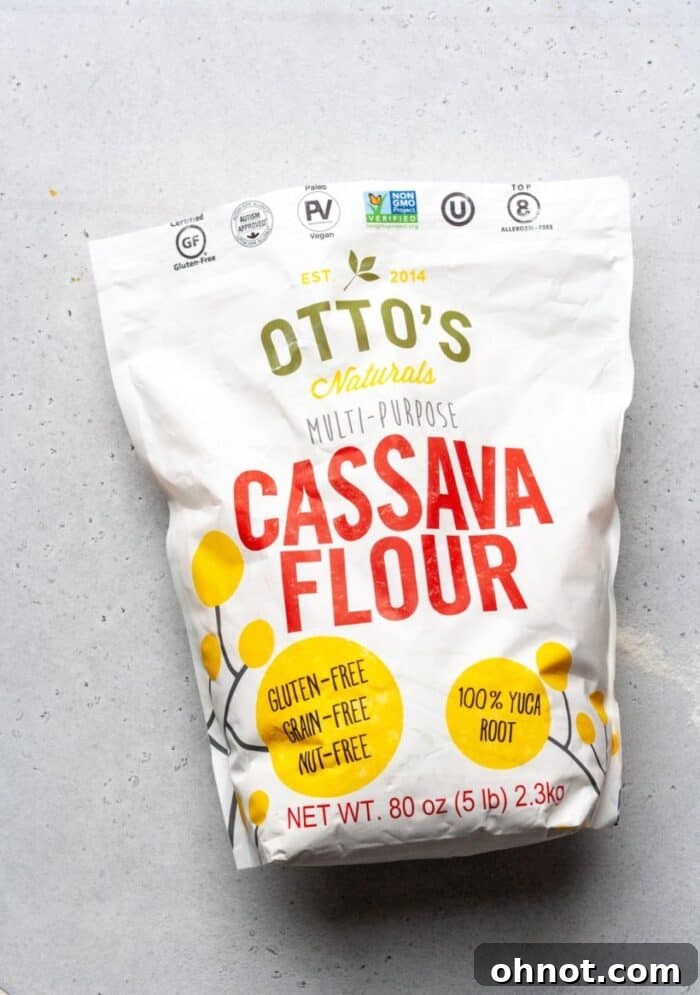
Expert Tips for Baking with Cassava Flour
Baking with cassava flour can be a truly rewarding experience, opening up a world of grain-free, nut-free, and Paleo-friendly possibilities that closely mimic traditional baking. Unlike many other gluten-free flours that require complex blends to achieve desired results, cassava flour’s unique properties allow it to stand alone as a primary baking ingredient. Here are some essential tips to master baking with this incredible yuca flour:
**Do NOT Substitute 1:1 for White Flour:** While cassava flour resembles white flour, they are not identical. Cassava flour is generally denser and more powdery, and crucially, much more absorbent. If you substitute it 1:1 for white flour, your baked goods will likely turn out dry and crumbly. A good starting point is to use about 3/4 cup of cassava flour for every 1 cup of white flour specified in a recipe. Always be prepared to adjust this ratio based on the specific recipe and desired consistency.
**Adjust Liquid Content:** Because of its high absorbency, cassava flour soaks up liquids significantly faster than traditional wheat flour. If your batter or dough appears too dry or stiff, gradually add small amounts of additional liquid (water, milk, oil, etc.) until you achieve the correct consistency. Conversely, if a recipe designed for cassava flour seems too wet, you might need a tiny bit more flour. This active adjustment of wet ingredients is key to preventing dry baked goods.
**Measure Carefully:** Precision is paramount when baking with cassava flour. Its dense and powdery nature means that even slight inaccuracies in measurement can significantly impact the outcome of your recipe. Using a kitchen scale to measure by weight (if available) is the most accurate method. If measuring by volume, spoon the flour into your measuring cup and level it off rather than scooping directly from the bag, which can compact the flour and lead to over-measurement. Remember, it is always easier to start with slightly too little and add more, than to add too much and try to correct it.
**Embrace the Subtle Flavor:** While cassava flour is largely neutral, it does impart a very slight, earthy, and mildly nutty flavor to baked goods due to its root vegetable origin. Many bakers, myself included, find this flavor to be incredibly subtle, often undetectable, or complementary to other ingredients. However, it’s something to be aware of, especially if you are highly sensitive to subtle taste nuances. This characteristic allows it to blend seamlessly into a wide range of flavor profiles, from rich chocolate to delicate vanilla.
Delicious Recipes with Cassava Flour
Due to its remarkable similarity to white wheat flour, cassava flour is truly a godsend in the world of gluten-free baking. Gone are the days when achieving that perfect cookie chew or rich brownie texture seemed impossible without gluten. Cassava flour transforms gluten-free baked goods, providing structure, softness, and a delightful mouthfeel that rivals their traditional counterparts. Its versatility allows for the creation of a wide variety of treats that are both delicious and compliant with grain-free and Paleo lifestyles. Here are some of the best cassava flour recipes to inspire your next baking adventure:
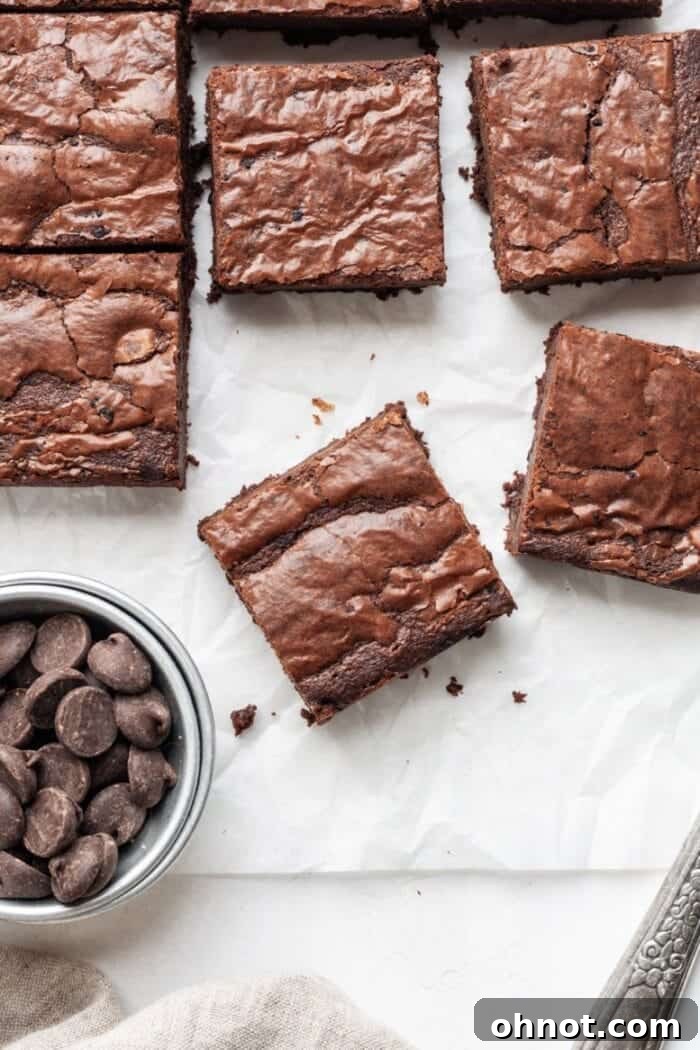
Fudgy Cassava Flour Brownies
Light & Fluffy Cassava Flour Pancakes

Easy Cassava Flour Waffles
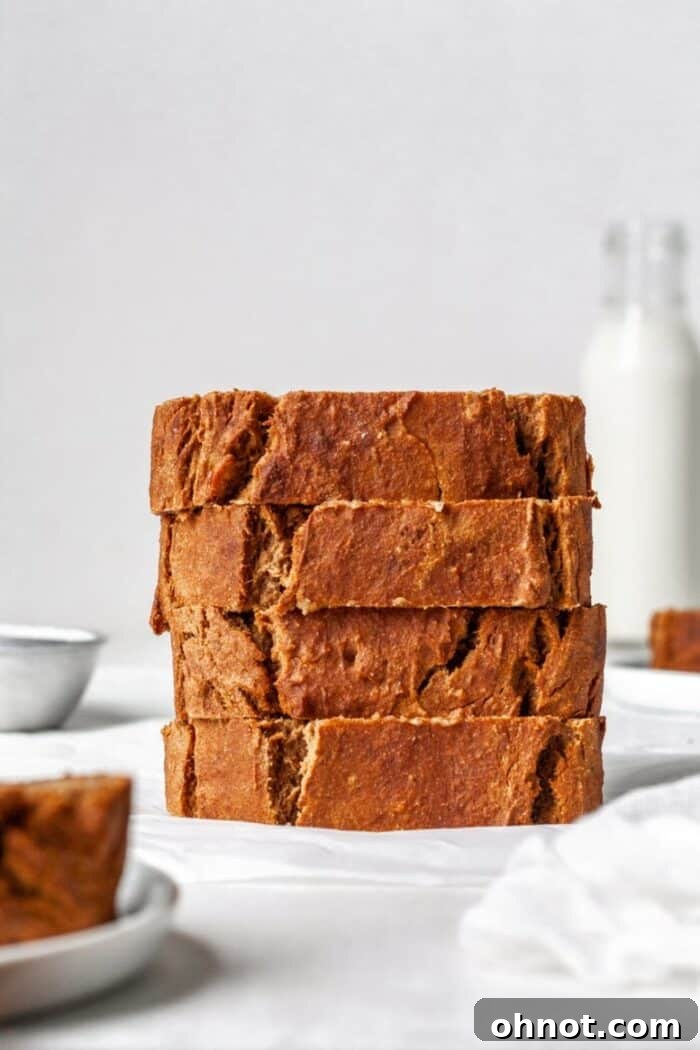
Moist Cassava Flour Banana Bread
Detailed Cassava Flour Nutrition Facts
Understanding the nutritional value of cassava flour can help you make informed dietary choices. According to data from the USDA, a standard serving of 1 cup (approximately 120 grams) of cassava flour contains around 330 calories. This makes it a substantial source of energy, primarily from carbohydrates.
From a macronutrient perspective, cassava flour is remarkably lean, containing virtually no cholesterol and less than 1 gram of both saturated fat and total fat per cup. It is also quite low in sodium, with approximately 30 milligrams per cup. On the other hand, it is a significant source of potassium, providing around 550 milligrams per cup, which contributes to electrolyte balance and healthy blood pressure. The carbohydrate content is robust, with approximately 78 grams per cup, making it an excellent energy source for active individuals or those seeking nutrient-dense whole foods.
Furthermore, this versatile yuca flour contributes valuable dietary fiber, offering over 3 grams per cup, which aids in digestion and promotes satiety. It also contains more than 3 grams of natural sugars and nearly 3 grams of protein, adding to its nutritional completeness. These values highlight cassava flour as a nutrient-rich, healthful alternative, especially beneficial for individuals seeking gluten-free options that don’t compromise on essential nutrients.
Frequently Asked Questions (FAQs) About Cassava Flour
Yes, cassava flour is widely considered a healthy flour choice. As it’s made from a whole root vegetable, it is packed with beneficial vitamins (especially Vitamin C), minerals, and dietary fiber. It also contains resistant starch, which is excellent for gut health.
Absolutely, cassava flour is 100% gluten-free. Additionally, it is grain-free, nut-free, and fully compliant with the Paleo diet, making it suitable for a wide range of dietary needs and allergies.
It is generally not recommended to swap cassava flour for almond flour (or vice versa) in a 1:1 ratio. They have significantly different textures, tastes, fat content, and absorptive properties, which means a direct substitution will likely lead to vastly different, often undesirable, baking results.
No, cassava flour is not suitable for a ketogenic (Keto) diet. It is relatively high in carbohydrates, which makes it unsuitable for the low-carb requirements of a Keto lifestyle.
Quite the opposite! Cassava flour is considered to be anti-inflammatory. Its resistant starch content, in particular, contributes to a healthy gut microbiome, which is strongly linked to reduced inflammation in the body.
Yes, cassava flour is fully Whole30 compliant. It is an unrefined, whole food ingredient that fits perfectly within the Whole30 guidelines for healthy eating.
For optimal freshness, store cassava flour in an airtight container in a cool, dry, dark place, such as your pantry. This will protect it from moisture and extend its shelf life, typically up to a year or beyond.
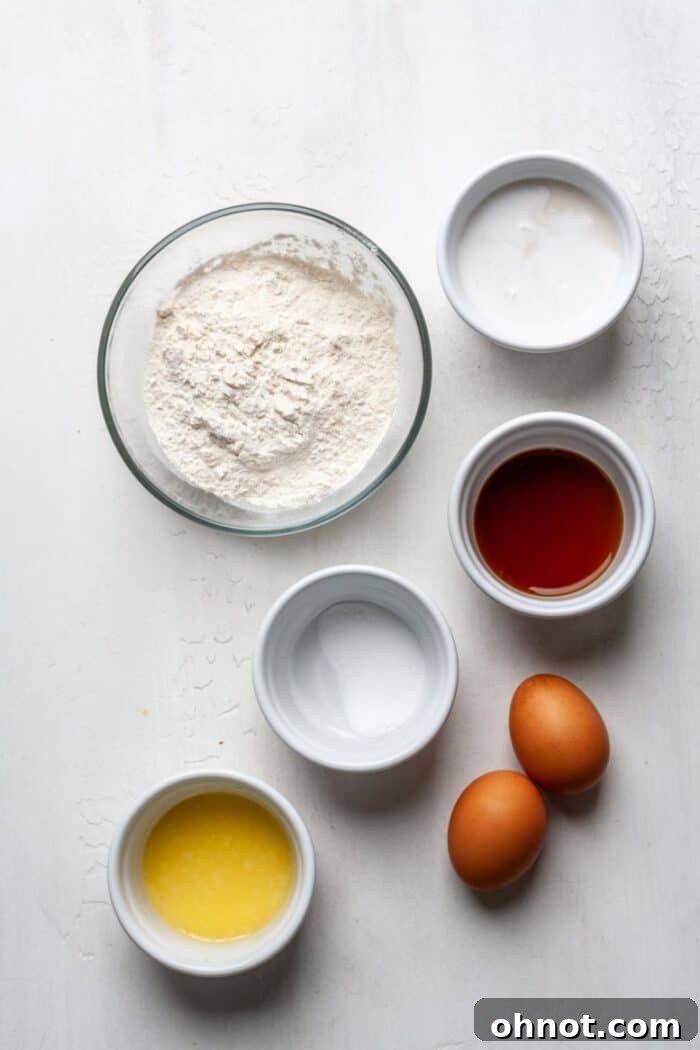
Addressing the Misconception: Is Cassava Flour Poisonous?
A common and understandable concern among those new to cassava flour is the misconception that it might be dangerous or poisonous. It is true that raw cassava root contains naturally occurring compounds called cyanogenic glycosides, which can release cyanide when improperly processed or consumed raw. These compounds are also found in smaller amounts in other popular foods like almonds and spinach, highlighting that natural compounds can exist even in common dietary staples.
However, it is crucial to understand that commercially sold cassava flours, especially those available in Western markets, undergo rigorous processing to eliminate any potential toxicity. This process typically involves several critical steps: soaking, heating (often during the drying phase), and sometimes fermentation. These methods are highly effective at breaking down and removing the cyanogenic compounds, making the flour completely safe for consumption. Reputable brands prioritize consumer safety; for example, Otto’s Naturals explicitly states on their FAQ page that they lab-test each batch of their cassava flour to ensure it is free from toxins before it reaches consumers. Therefore, when you purchase commercially prepared cassava flour from trusted sources, you can use it in your cooking and baking with complete confidence in its safety.
If you try any of these delightful cassava flour recipes or incorporate this amazing flour into your own creations, I would absolutely love to see your results! You can connect with me and share your culinary adventures on Instagram, Facebook, and Pinterest. Don’t forget to give me a follow to stay updated with more wholesome recipes and tips!
Have you signed up for my free newsletter yet? It’s packed with healthy meal plans, exclusive content, and delicious new recipes delivered straight to your inbox. You can sign up here – you won’t want to miss out!