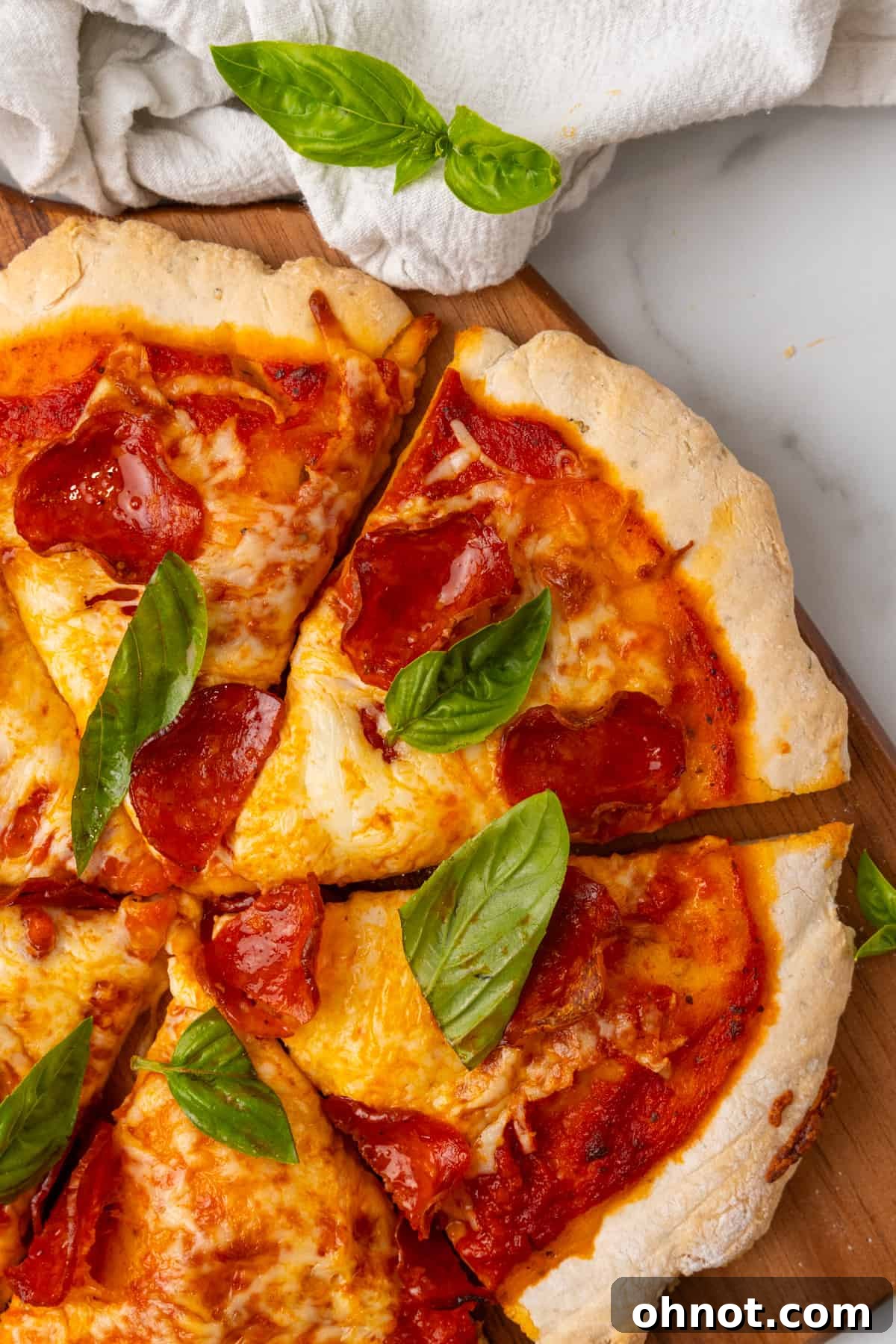
Discover the secret to the **best homemade gluten-free pizza crust** that promises an unparalleled culinary experience. This isn’t just another gluten-free recipe; it’s a game-changer for anyone seeking a delightful pizza night without compromise. Our meticulously crafted recipe delivers a crust that is both wonderfully chewy and delightfully crispy, boasting a rich, authentic flavor that rivals traditional wheat-based pizzas. Perfect for quick family dinners, lively pizza nights with friends, or effortlessly entertaining guests, this easy-to-follow guide ensures a perfect pizza foundation every time. Simply add your favorite toppings, and prepare to impress!
Looking for more delicious and wholesome meal ideas? Explore our diverse collection of Gluten Free Dinner Ideas for inspiration!
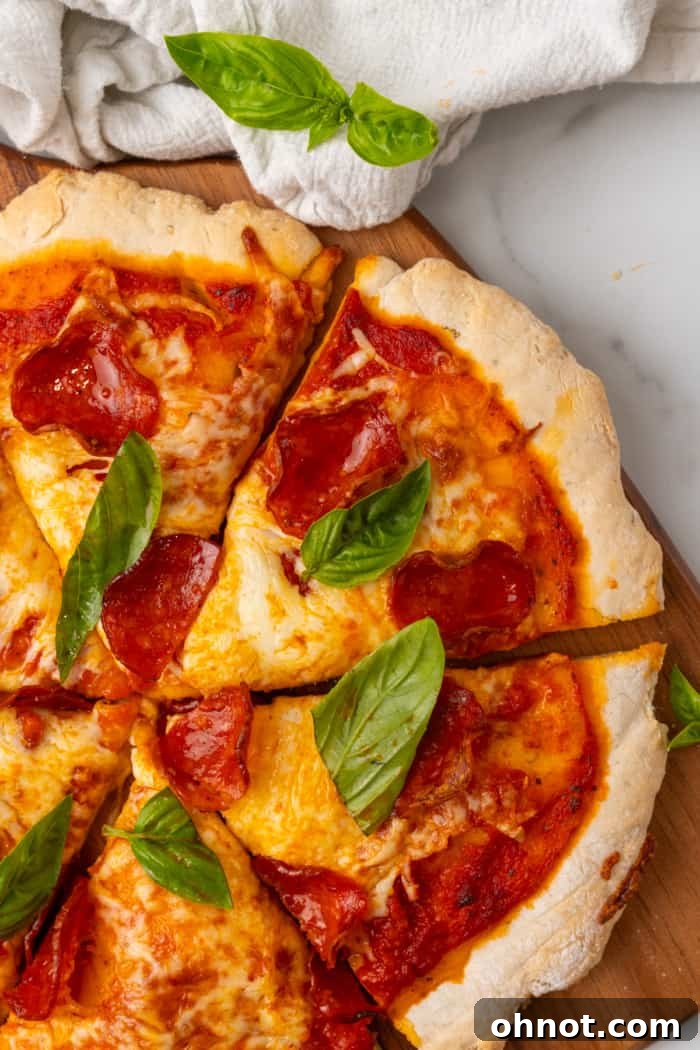
Why This Gluten-Free Pizza Crust Will Become Your Go-To Recipe
This homemade gluten-free pizza crust isn’t just a recipe; it’s a solution for everyone who loves pizza but needs or chooses to avoid gluten. We’ve poured our passion into perfecting this crust, ensuring it meets all your expectations for taste, texture, and ease of preparation. Here’s why you’ll absolutely adore this recipe:
- Effortlessly Simple: Say goodbye to complicated baking processes. This recipe is designed for ease, making gluten-free pizza accessible to even beginner bakers. You don’t need extensive baking experience to achieve a fantastic result.
- Remarkably Fast: From mixing the ingredients to pulling your golden-brown crust from the oven, the entire preparation takes approximately 40 minutes. This means you can have fresh, homemade pizza on the table faster than ordering delivery!
- Minimal Ingredients, Maximum Flavor: You only need a handful of pantry staples to create this delicious crust. Simple ingredients combine to produce a rich, satisfying flavor profile that complements any topping choice.
- Perfectly Balanced Texture: Experience the best of both worlds – a light, airy interior with an irresistibly crispy exterior. This crust holds up beautifully under a generous load of toppings, ensuring every slice is sturdy and enjoyable, never soggy.
- Endlessly Customizable: The versatility of this crust allows for endless creativity. Infuse it with different herbs and spices, experiment with various oils, or even transform it into a sweet dessert pizza. The possibilities are boundless!
- For a fun and sweet twist, don’t miss our delicious S’mores Pizza recipe!
- Crowd-Pleaser Guaranteed: This crust is so delicious and authentic that it will be a hit with everyone at your table, including those who don’t follow a gluten-free diet. It’s perfect for sharing and satisfying diverse dietary needs.
- Dietary-Friendly: Beyond being gluten-free, this recipe is also dairy-free, egg-free, and refined sugar-free, making it suitable for a wide range of dietary preferences and restrictions.
- Explore another fantastic option with our Paleo Pizza Crust for a grain-free alternative!
Essential Ingredients and Smart Substitutions for Your Gluten-Free Pizza Crust
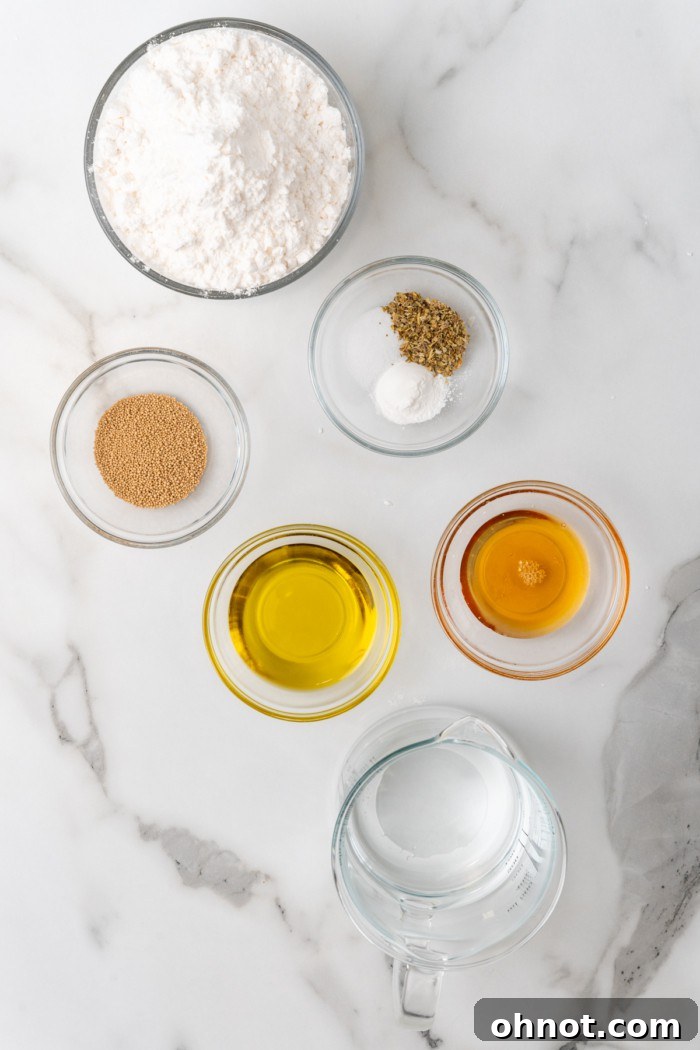
Crafting the perfect gluten-free pizza crust starts with selecting the right ingredients. Each component plays a vital role in achieving that ideal chewy yet crispy texture and delicious flavor. Below, you’ll find a detailed breakdown of the main ingredients and recommended substitutions. For the complete list and precise measurements, please refer to the recipe card at the end of this article.
Gluten-Free All-Purpose Flour Blend: The foundation of our crust. It’s crucial to select a high-quality gluten-free flour blend. Brands like Bob’s Red Mill and King Arthur Flour are excellent choices, often formulated with a balanced mix of rice flours, starches, and binders to mimic the properties of wheat flour. Ensure your chosen blend specifically states it’s for all-purpose baking. **Do not substitute with single-grain gluten-free flours** like almond flour or coconut flour, as they have different absorption rates and structural properties that will drastically alter the outcome.
Xanthan Gum: This is a critical ingredient for gluten-free baking, acting as a binder and emulsifier. In wheat flour, gluten provides elasticity and structure. Xanthan gum performs a similar role in gluten-free flours, preventing your crust from becoming crumbly and giving it that desirable chewiness and flexibility. **If your gluten-free flour blend already contains xanthan gum**, you can omit adding it separately. Always check your flour blend’s ingredient list.
Baking Powder: Working in conjunction with the yeast, baking powder provides an additional leavening boost, contributing to the crust’s light and airy texture. It reacts when wet and with heat, creating small air pockets.
Salt: A fundamental seasoning that enhances all the other flavors in the crust. It also plays a role in controlling yeast activity and strengthening the dough’s structure.
Dried Italian Herbs: For an authentic, aromatic flavor profile, incorporating dried Italian herbs like oregano, basil, and thyme is highly recommended. These herbs infuse the crust with a classic pizza taste, elevating your homemade creation. Feel free to adjust the quantity to your preference or add a pinch of garlic powder or onion powder for extra depth.
Olive Oil or Avocado Oil: Fat is essential for a tender, flavorful crust. Olive oil contributes a distinct Mediterranean flavor and helps keep the crust moist and pliable. Avocado oil is a neutral-tasting alternative that also works wonderfully, offering healthy fats and a high smoke point.
Honey or Maple Syrup: These natural sweeteners serve a dual purpose. They add a subtle sweetness to the crust and, more importantly, act as food for the yeast, helping to activate it and encourage a good rise. **For a strictly vegan crust, use maple syrup** as a direct substitute for honey.
Warm Water: Crucial for activating the active dry yeast. The water temperature is vital: it should be comfortably warm to the touch, ideally between 105°F and 115°F (40°C-46°C). Water that’s too cold won’t activate the yeast, and water that’s too hot will kill it.
Active Dry Yeast: This living organism is responsible for the rise and characteristic flavor of your pizza crust. Ensure your yeast is fresh and not expired for optimal leavening results. You’ll know it’s active when it forms a frothy layer after being combined with warm water and sugar.
Additional Gluten-Free Flour for Dusting: Keep a small amount of extra gluten-free flour on hand. This is invaluable for dusting your work surface and hands to prevent sticking while kneading and rolling the dough, ensuring a smooth and manageable process.
Unveiling the Perfect Taste and Texture of Our Gluten-Free Pizza Crust
Prepare your palate for a revelation! This gluten-free pizza crust masterfully achieves the elusive balance of texture and taste that often goes missing in gluten-free baking. It boasts a distinctively light and airy interior, a result of careful leavening, contrasted beautifully by a golden-brown, satisfyingly crispy exterior. Each bite offers a delightful chewiness, reminiscent of your favorite traditional pizza crust. This robust structure allows it to admirably hold a generous array of toppings without becoming soggy or flimsy, ensuring a truly enjoyable pizza experience that looks, feels, and tastes remarkably like classic pizza.
Step-by-Step Guide: Crafting Your Perfect Gluten-Free Pizza Crust
Making this gluten-free pizza crust is a straightforward and rewarding process. Follow these detailed steps to achieve a perfectly crispy and chewy base for your next pizza masterpiece.
Step 1: Activate the Yeast
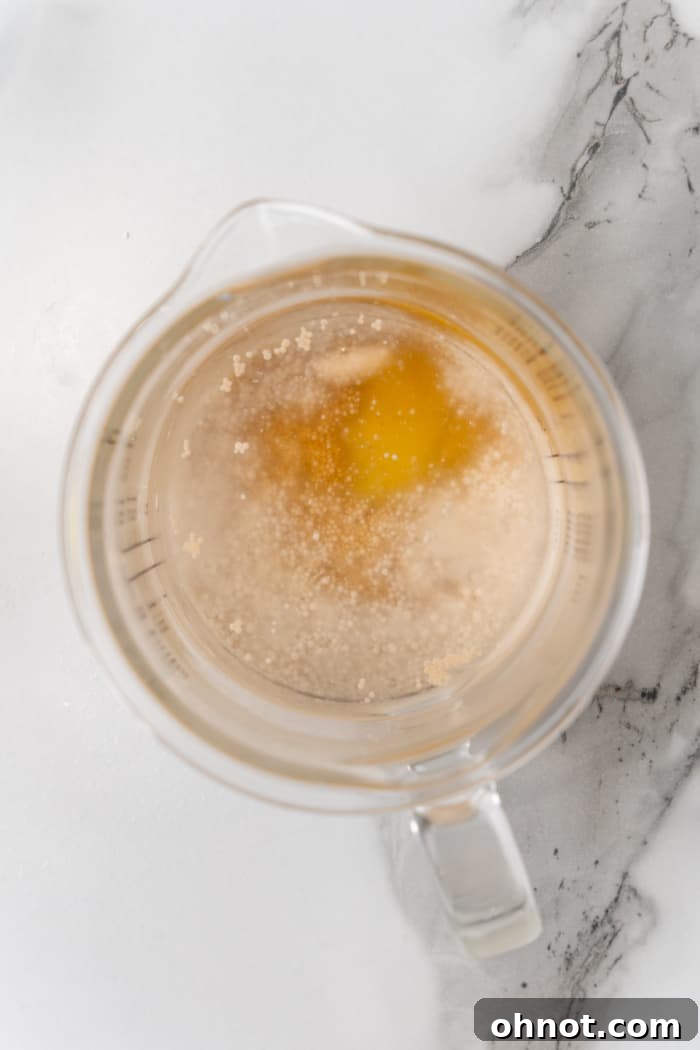
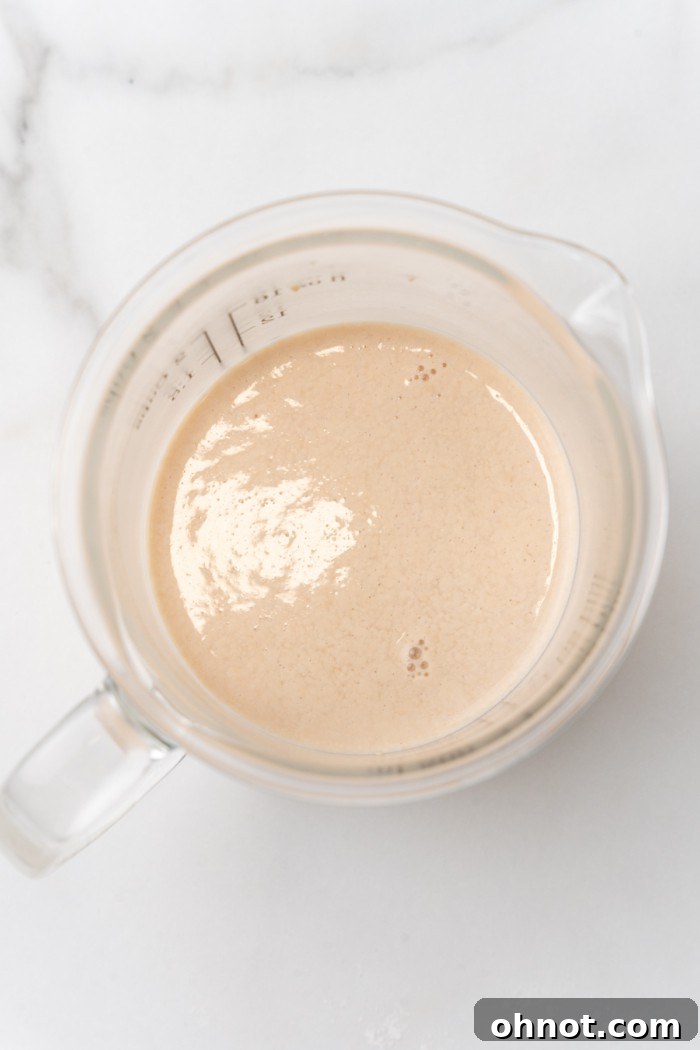
Begin by combining 1 cup of warm water (ensure it’s between 105°F and 115°F), 1 tablespoon of honey (or maple syrup for a vegan option), and 2 teaspoons of active dry yeast in a small bowl. Stir the mixture gently until all ingredients are well combined. Let this mixture sit undisturbed for approximately 5 minutes. During this time, the yeast should become active, indicated by a frothy or foamy layer forming on the surface. This frothing is a good sign that your yeast is alive and ready to work its magic.
Step 2: Combine Dry Ingredients
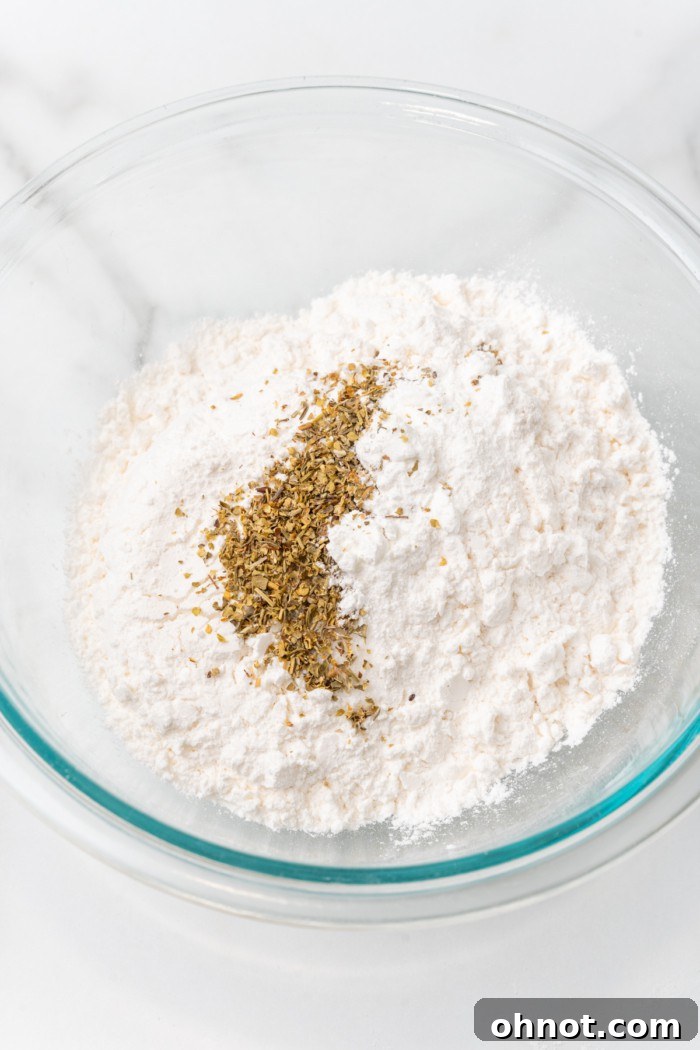
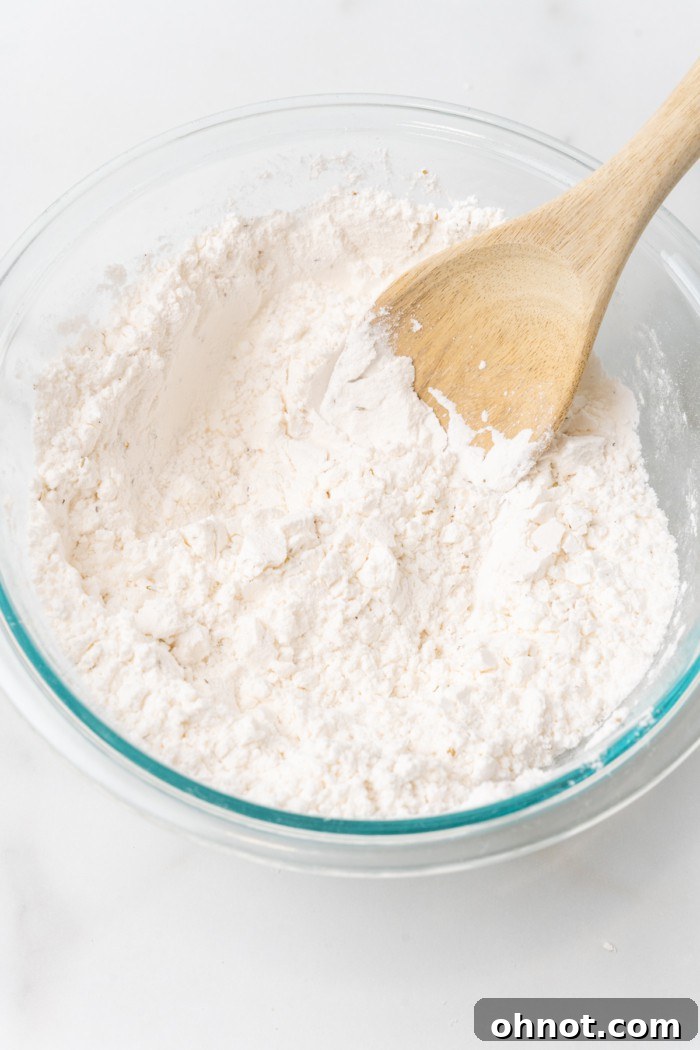
In a separate, large mixing bowl, whisk together the dry ingredients. This includes 2 cups of your chosen gluten-free all-purpose flour blend, 1 teaspoon of xanthan gum (only if your flour blend does not already contain it), 1 teaspoon of baking powder, ½ teaspoon of salt, and 1 teaspoon of dried Italian herbs (such as oregano, basil, and thyme). Whisk thoroughly to ensure all ingredients are evenly distributed, which is key for a consistent crust texture.
Step 3: Introduce Wet Ingredients
Form a small well in the center of your dry ingredients mixture in the large bowl. Carefully pour the activated yeast mixture into this well, followed by 2 tablespoons of olive oil.
Step 4: Form the Dough
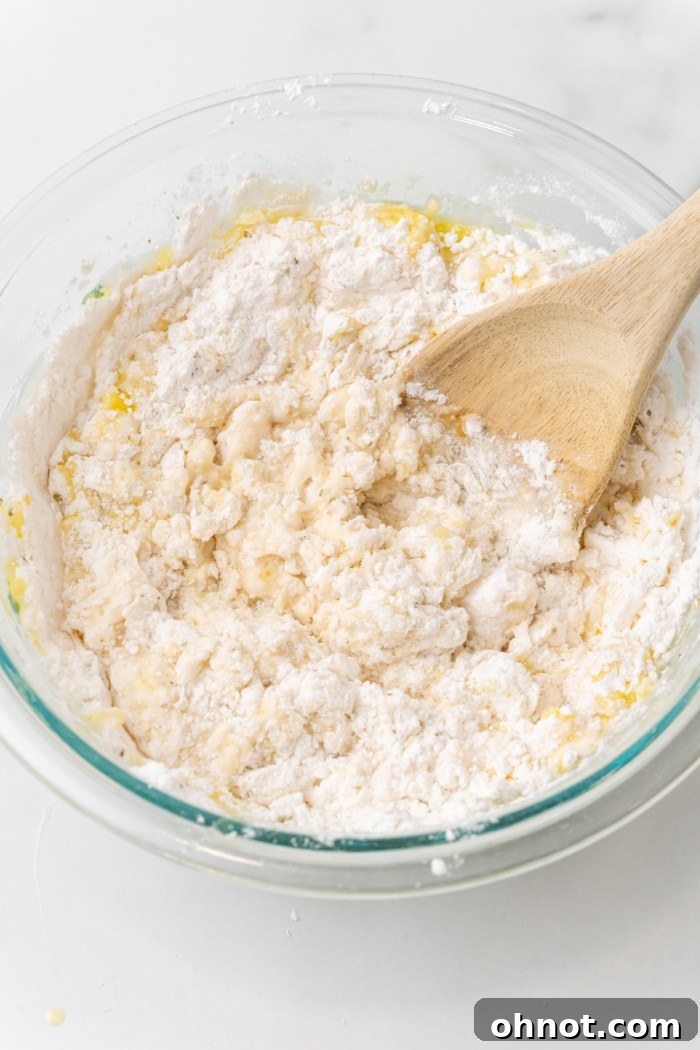
Using a sturdy spoon or your clean hands, begin to mix the ingredients. Start from the center and gradually incorporate the dry ingredients into the wet until a cohesive dough starts to form. Gluten-free dough can sometimes be a bit stickier or drier than traditional dough. If the dough feels too sticky to handle, add a very small amount (a tablespoon at a time) of additional gluten-free flour until it’s more manageable. Conversely, if the dough appears too dry and crumbly, add a tiny splash of warm water until it comes together.
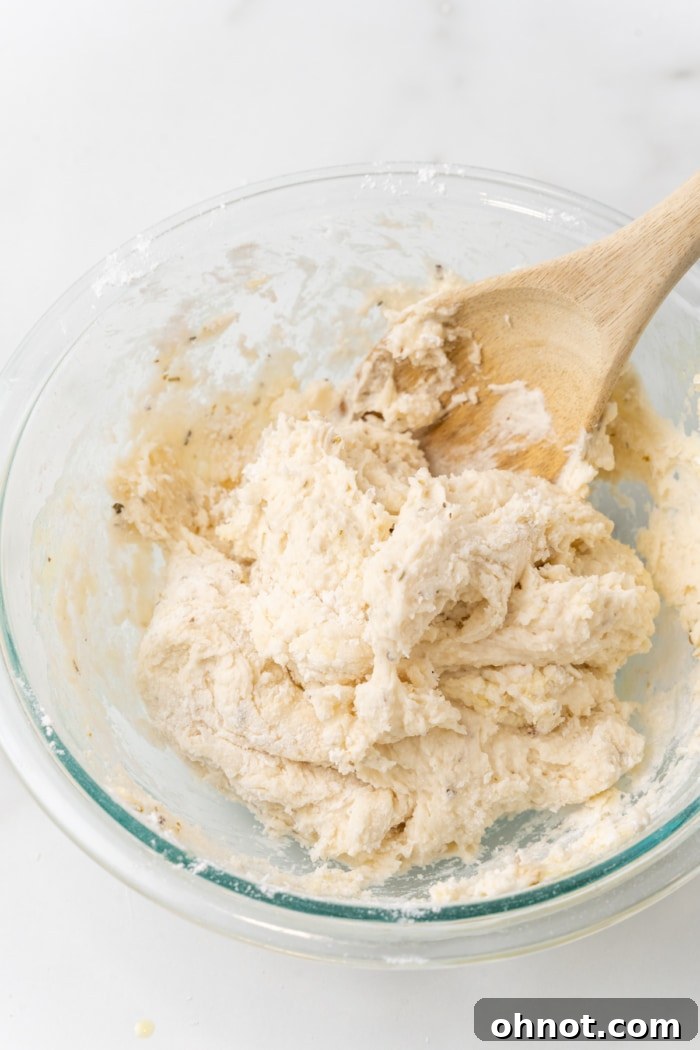
Step 5: Knead the Dough
Once the dough has formed into a cohesive ball, transfer it to a lightly floured surface (using additional gluten-free flour for dusting). Knead the dough gently but consistently for about 5 minutes. While gluten-free dough won’t develop gluten like traditional dough, kneading helps to distribute ingredients evenly and improves the overall texture, making it smoother and more elastic. You’ll notice it becoming more pliable and easier to work with.
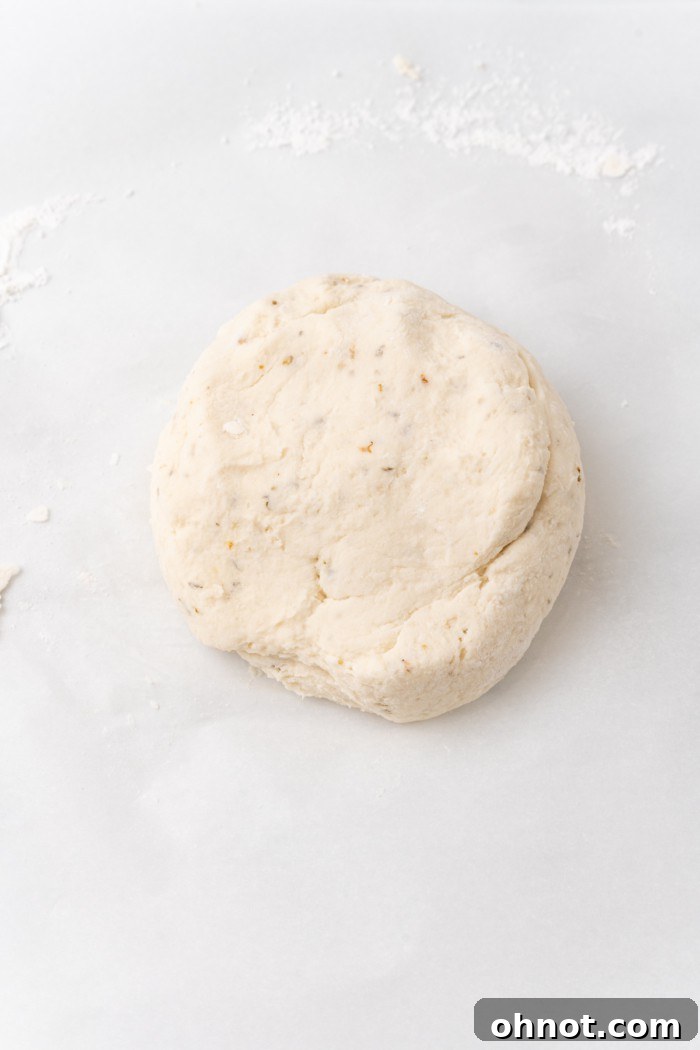
Step 6: Preheat Your Oven
Preheat your oven to a hot 425°F (220°C). A high oven temperature is crucial for achieving a crispy crust, as it helps the dough to cook quickly and prevent it from becoming dense.
Step 7: Prepare Baking Surface
Line a baking sheet with parchment paper. Alternatively, you can lightly grease the baking sheet with olive oil to prevent sticking. Parchment paper is generally preferred as it ensures easy transfer and cleanup.
Step 8: Shape the Crust
Transfer the kneaded dough onto the prepared baking sheet. Using your hands or a rolling pin, gently roll out or press the dough into your desired pizza shape and thickness. You can create a classic round pizza, a rustic rectangular shape, or even individual mini pizzas. Adjust the thickness according to your preference for a thin and crispy crust or a slightly thicker, chewier base.
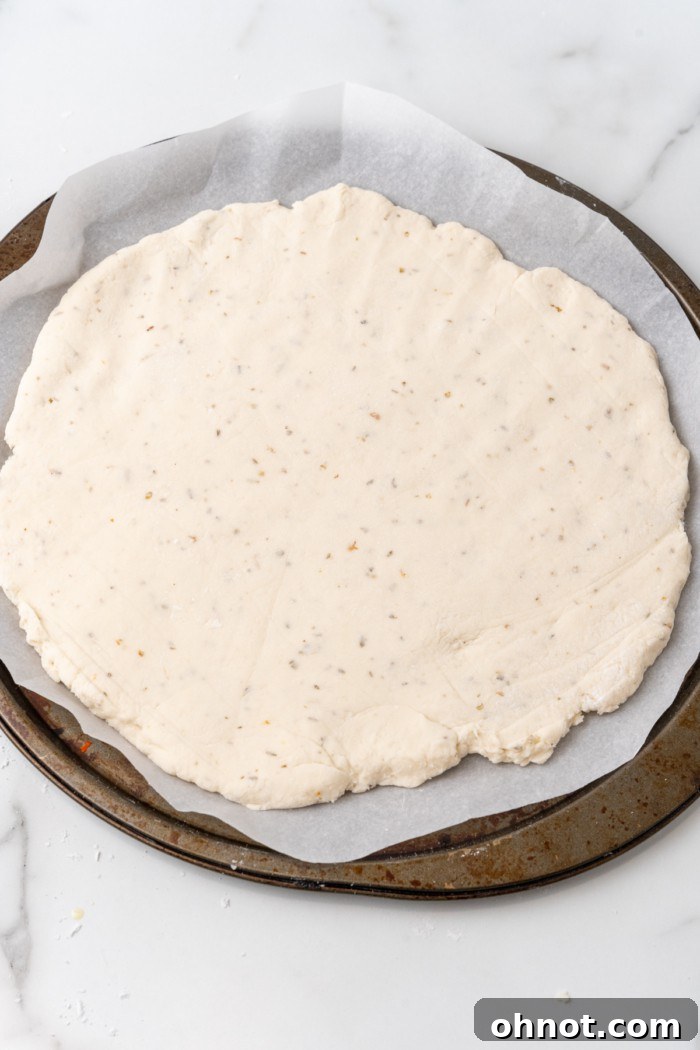
Step 9: Pre-Bake the Crust
Place the shaped crust into the preheated oven and bake for about 10 minutes. This crucial pre-baking step, also known as “blind baking,” helps to firm up the crust, giving it a head start on cooking through and preventing a soggy bottom once toppings are added. The crust should appear slightly golden and feel firm to the touch.
Step 10: Cool Slightly
Carefully remove the pre-baked gluten-free pizza crust from the oven and allow it to cool on the baking sheet for a few minutes. This brief cooling period helps it to set further and makes it easier to handle before adding your toppings.
Step 11: Add Your Favorite Toppings
Now for the fun part! Spread your favorite tomato sauce evenly over the pre-baked crust. Then, generously add your preferred toppings such as shredded cheese (dairy or dairy-free), an assortment of fresh vegetables like bell peppers, mushrooms, and onions, and any cooked protein like pepperoni, sausage, or grilled chicken. Get creative and customize your pizza to your heart’s content!
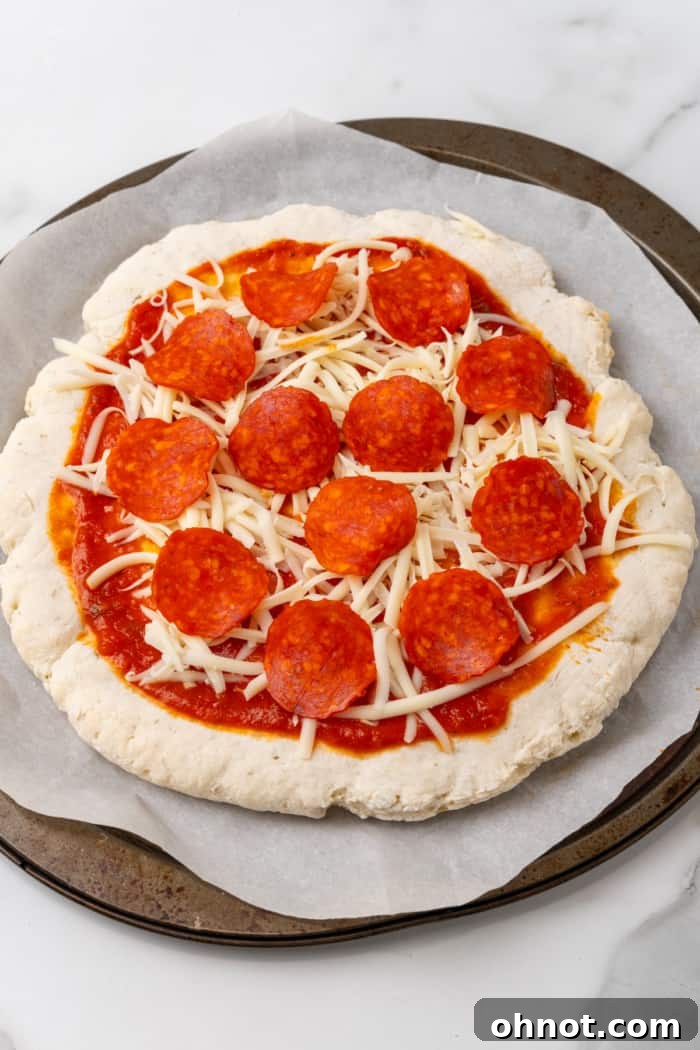
Step 12: Final Bake
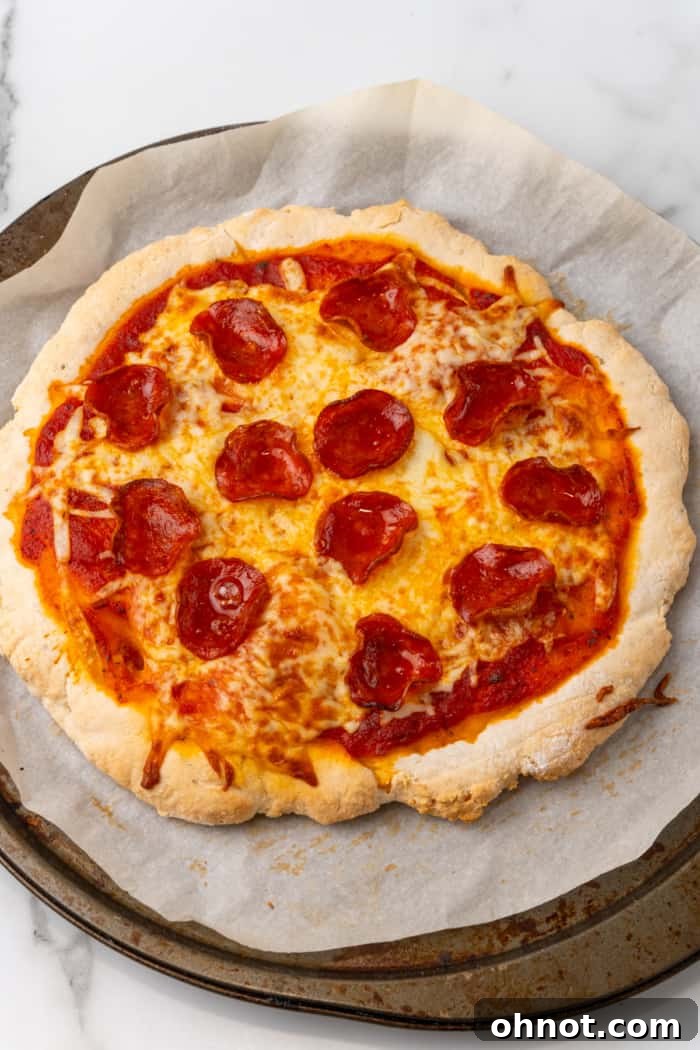
Return the topped pizza to the oven and bake for an additional 10 to 15 minutes. Keep an eye on it to ensure the toppings are cooked through, the cheese is beautifully melted and bubbly, and the crust edges are perfectly golden and crisp. The exact time may vary slightly depending on your oven and the thickness of your toppings.
Step 13: Cool, Slice, and Serve
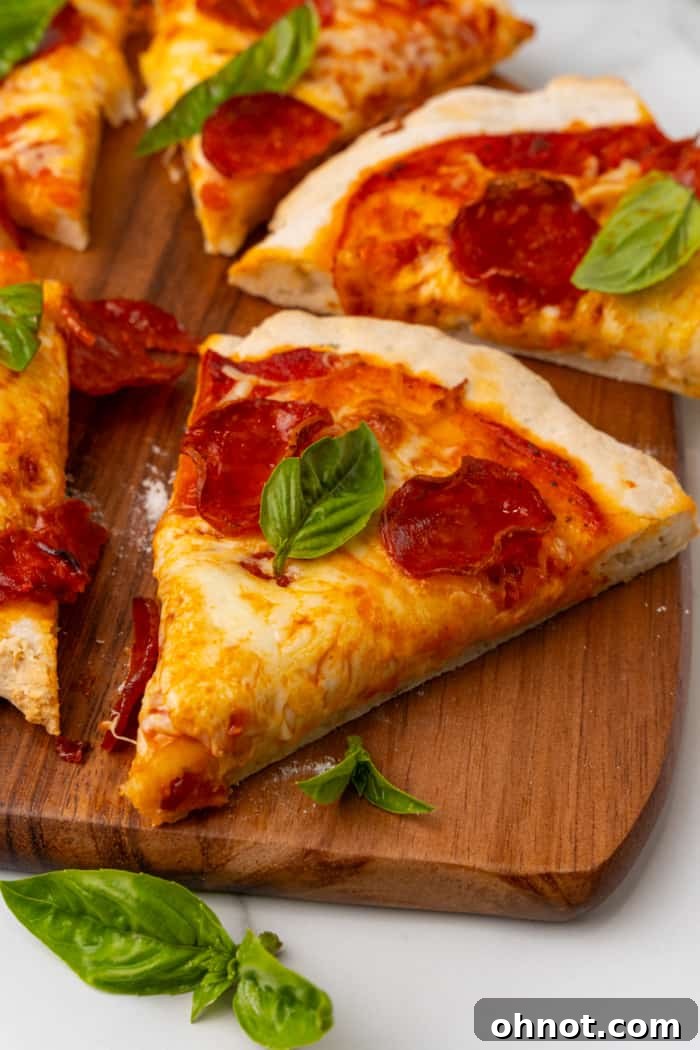
Once baked to perfection, carefully remove the gluten-free pizza from the oven. Let it cool slightly on the baking sheet or a wire rack for a few minutes before slicing. This brief cooling period helps the cheese set and prevents the toppings from sliding off, making for cleaner slices. Then, cut into wedges and serve immediately while hot and fresh!
Expert Tips for Gluten-Free Pizza Crust Perfection
Achieving a perfect gluten-free pizza crust is entirely within reach with a few insider tips and tricks. These expert recommendations will help you elevate your homemade pizza from good to absolutely fantastic every single time.
- Choose a Premium Gluten-Free Flour Blend: The quality of your flour blend significantly impacts the final texture. Not all gluten-free flours are created equal. Opt for reputable brands specifically formulated for all-purpose baking, such as Bob’s Red Mill 1-to-1 Baking Flour or King Arthur Gluten-Free All-Purpose Flour. These blends often contain a balanced mix of flours and starches, plus xanthan gum, to mimic the elasticity of wheat flour.
-
Master Dough Consistency: Gluten-free dough can be finicky. It’s crucial to get the consistency just right.
- If the dough is too sticky: Don’t panic! This is common. Gradually add a small amount (a tablespoon at a time) of additional gluten-free flour until the dough is manageable and no longer excessively sticky. It should be soft but not clinging to your hands or the bowl.
- If the dough is too dry: If your dough appears crumbly or isn’t coming together, add a tiny splash (a teaspoon at a time) of warm water. Mix it in thoroughly until the dough becomes cohesive and pliable.
- The Importance of Pre-Baking: This step is non-negotiable for a superior gluten-free crust. Pre-baking the bare crust for about 10 minutes helps it to firm up, cook through in the center, and develop a crisp exterior before the moisture from toppings can make it soggy. It creates a robust foundation that can perfectly support your chosen ingredients.
- Don’t Overload Toppings: While tempting, piling too many toppings onto your gluten-free pizza can weigh down the crust and introduce excess moisture, counteracting the crispness achieved through pre-baking. Aim for a balanced distribution of toppings.
- Use a Pizza Stone or Steel: For an extra crispy bottom crust, preheat a pizza stone or steel in your oven during the preheating phase. Transferring the pizza onto the super-hot stone/steel provides intense direct heat, resulting in a beautifully charred and crispy base.
- Parchment Paper is Your Friend: Especially with gluten-free dough, which can be delicate, rolling out and transferring the dough on parchment paper is a lifesaver. You can simply slide the parchment paper directly onto your baking sheet or preheated pizza stone/steel, minimizing handling and preventing sticking.
Creative Flavor Variations & Delicious Add-Ins for Your Pizza Crust
This gluten-free pizza crust recipe is a versatile canvas, ready to be transformed with endless flavor variations and add-ins. Don’t limit yourself to just the standard; get creative and make it uniquely yours! Here are a few exciting ideas to inspire your next pizza night:
-
Herb and Spice Infusions: Beyond dried Italian herbs, consider kneading in other aromatic spices and herbs directly into the dough.
- Garlic & Onion Powder: Add 1/2 to 1 teaspoon of garlic powder and/or onion powder for a savory, aromatic base.
- Smoked Paprika: A pinch of smoked paprika can add a subtle, smoky depth.
- Red Pepper Flakes: For a touch of heat, mix in 1/4 to 1/2 teaspoon of red pepper flakes.
- Fresh Herbs: Finely chopped fresh rosemary or thyme can be added for a vibrant, fresh flavor.
- Cheesy Crust: Before the initial bake, sprinkle a thin layer of Parmesan cheese or a dairy-free Parmesan alternative around the edges of the crust. It will bake into a crispy, flavorful rim. You can also mix a tablespoon of grated cheese directly into the dough for a richer flavor.
- Seed Power: Boost the nutritional value and add a delightful crunch by incorporating seeds into your dough. A tablespoon or two of flax seeds, chia seeds, sesame seeds, or poppy seeds can be mixed in during the dry ingredient stage.
- Sweet Pizza Crust: Transform this savory crust into a dessert base! Omit the Italian herbs and increase the honey/maple syrup to 2 tablespoons. After pre-baking, top with ingredients like Nutella, sliced fruit, mini marshmallows, chocolate chips, or a cinnamon-sugar mixture for a delightful sweet treat.
-
Different Topping Combinations: While the crust is versatile, the toppings are where the true customization shines.
- Classic Pepperoni: A timeless favorite, especially with a blend of mozzarella and provolone.
- Veggie Lover’s: Load it up with colorful bell peppers, mushrooms, onions, black olives, spinach, and cherry tomatoes.
- Meat Lover’s: Combine pepperoni, sausage, bacon, and seasoned ground beef for a hearty option.
- BBQ Chicken: Use BBQ sauce as a base, then top with shredded cooked chicken, red onion, and cilantro.
- Pesto & Goat Cheese: A sophisticated choice with a vibrant pesto base, crumbled goat cheese, and sun-dried tomatoes.
- Garlic Butter Edge: For an extra burst of flavor, brush the edges of the crust with melted garlic butter (or dairy-free butter) before or after baking. This adds a golden sheen and irresistible aroma.
Serving Suggestions & Storage Best Practices for Your Gluten-Free Pizza
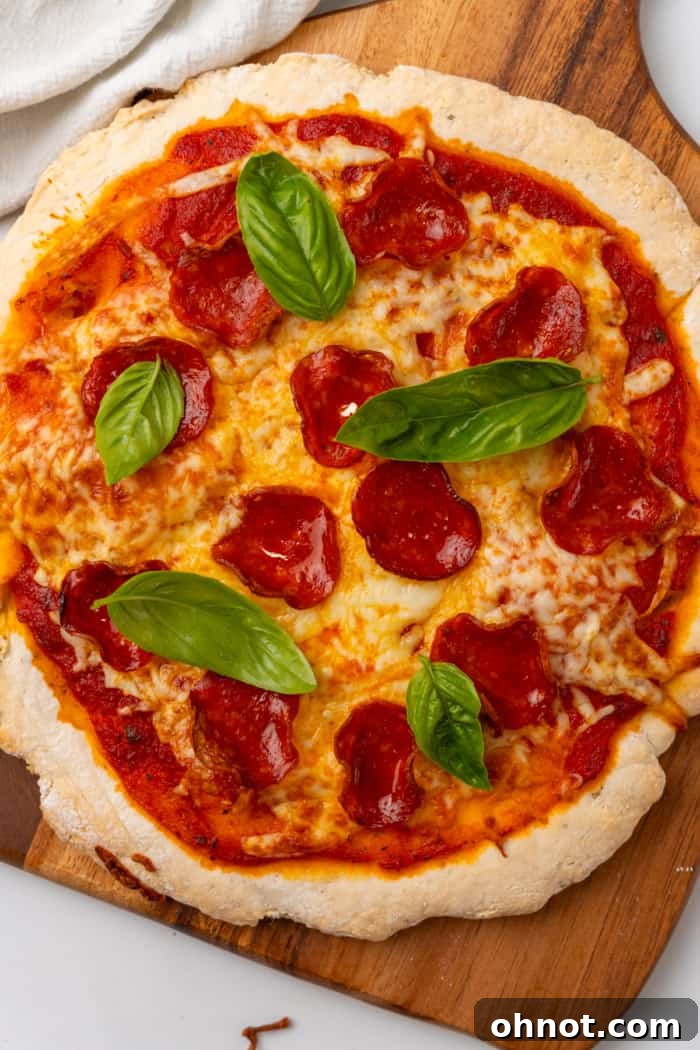
This homemade gluten-free pizza crust is best enjoyed hot and fresh, right out of the oven, allowing you to savor its perfect crispy-chewy texture and robust flavor. While it’s delicious on its own, here are some ideas for serving and storing your culinary creation:
-
Serving Recommendations:
- As a Standalone Meal: With its hearty texture and satisfying toppings, this pizza makes a complete and fulfilling meal on its own.
- Pair with a Fresh Salad: For a balanced and refreshing meal, serve your pizza alongside a crisp green salad tossed with a light vinaigrette. This provides a nice contrast to the richness of the pizza.
- Dipping Sauces: Elevate your pizza experience with dipping sauces! Offer a side of creamy Ranch dressing, tangy blue cheese dressing, or a spicy marinara for those who love to dip their crusts.
- Garnish: A sprinkle of fresh basil, oregano, or a drizzle of high-quality olive oil just before serving can add a final flourish of flavor and visual appeal.
-
Storage Guidelines:
- Baked Pizza: Any leftover baked pizza can be stored in an airtight container or tightly wrapped in plastic wrap in the refrigerator for up to 4 days. This ensures it remains fresh and prevents it from drying out.
- Reheating Instructions: To bring your leftover pizza back to life, place slices directly on a baking sheet in a preheated oven at 350°F (175°C) for 5 to 7 minutes, or until the cheese is melted and bubbly and the crust is crisp again. For an even crisper crust, you can also reheat slices in an air fryer at 350°F (175°C) for 3-5 minutes. Avoid the microwave, as it tends to make the crust soggy.
- Freezing Unbaked Crust: If you want to prepare ahead, you can par-bake the crust for about 8 minutes, let it cool completely, then wrap it tightly in plastic wrap and foil. Freeze for up to 1-2 months. When ready to use, bake directly from frozen at 425°F (220°C) for about 10-15 minutes before adding toppings.
Discovering Popular Gluten-Free Pizza Brands
For those times when you need a quick and convenient gluten-free pizza option, the market offers a fantastic array of pre-made pizzas and crusts. These brands provide delicious alternatives, ranging from cauliflower-based crusts to ancient grain blends, ensuring everyone can enjoy a slice without worry. Here are some popular gluten-free pizza brands you might find in your local grocery store or online:
- Caulipower: A leading brand known for its innovative cauliflower crust pizzas. Caulipower offers a variety of flavors including Margherita, Veggie, and Three Cheese, providing a lighter and vegetable-packed base.
- Udi’s: A pioneer in the gluten-free world, Udi’s offers a wide range of gluten-free products, including excellent pizza crusts and frozen pizzas. Their options often include classic flavors like Margherita, Pepperoni, and Three Cheese.
- Glutino: Another well-established gluten-free brand, Glutino provides frozen pizzas with reliable gluten-free crusts, ensuring a tasty and safe meal for those with sensitivities.
- Against the Grain: This brand stands out with its unique gluten-free pizza options, often featuring a distinct texture and flavor profile. They offer various flavors and different crust options, such as their popular three-cheese and pesto pizzas.
- Simple Mills: For those who prefer to build their own, Simple Mills offers an almond flour pizza crust mix. This allows you to create a wholesome, grain-free, and gluten-free pizza right in your own kitchen.
- Cappello’s: Specializing in almond flour products, Cappello’s provides grain-free and gluten-free pizza crusts and frozen pizza options, perfect for a paleo-friendly choice.
- Venice Bakery: Known for producing high-quality gluten-free and vegan pizza crusts, Venice Bakery offers a versatile base that you can customize with your choice of toppings.
- Smart Flour Foods: This brand creates gluten-free frozen pizzas featuring a distinctive crust made from a blend of ancient grains like sorghum, amaranth, and teff, offering a unique flavor and texture.
- Freschetta: Freschetta has extended its popular pizza line to include gluten-free frozen options, available in various classic flavors such as Pepperoni, Four Cheese, and Margherita.
- Amy’s Kitchen: A well-loved brand for organic and vegetarian options, Amy’s Kitchen offers a selection of gluten-free frozen pizzas, including delicious choices like Margherita and Pesto with Tomato.
- Banza: Innovative and protein-rich, Banza pizzas feature a crust made from chickpeas, offering a higher protein and fiber alternative to traditional crusts.
Frequently Asked Questions (FAQs) About Gluten-Free Pizza Crust
Navigating gluten-free baking can sometimes lead to questions. Here are some of the most frequently asked questions about making and enjoying gluten-free pizza crust, along with clear and helpful answers.
Yes, you absolutely can prepare this gluten-free pizza crust in advance. After baking the crust according to the recipe instructions, allow it to cool completely. Once cooled, wrap it tightly in plastic wrap and store it in an airtight container in the refrigerator for up to 3 days. To reheat, simply place the pre-baked crust in a preheated oven at 350°F (175°C) for 10-15 minutes, or until it’s heated through and slightly crisp before adding your toppings and finishing the bake.
While technically possible, omitting xanthan gum is not recommended unless your chosen gluten-free flour blend already includes it. Xanthan gum is a crucial ingredient in gluten-free baking as it provides the necessary structure, elasticity, and chewiness that gluten typically offers. Without it, the crust may be more crumbly, less flexible, and may not hold up as well to your desired toppings. For the best results, ensure your recipe either calls for xanthan gum or that your flour blend contains it.
Yes, this recipe is easily adaptable for a vegan diet. The only non-vegan ingredient typically found is honey. To make it completely vegan, simply substitute the honey with an equal amount of maple syrup. Ensure all your chosen pizza toppings, such as cheese and protein, are also vegan-friendly.
Gluten-free pizza crusts are generally made from a carefully formulated blend of alternative flours. Common flours used include rice flour (brown or white), cornmeal, potato flour or starch, tapioca flour, almond flour, chickpea flour, and sorghum flour. These flours are combined with various binders and thickeners, most commonly xanthan gum or guar gum, to replace the structural properties of gluten found in traditional wheat flour, providing elasticity and preventing crumbling.
No, King Arthur 00 pizza flour is not gluten-free. The “00” designation refers to the finely milled texture of the wheat flour, which is traditionally used for authentic Neapolitan-style pizzas. It is made from wheat and therefore contains gluten, making it unsuitable for individuals with gluten sensitivity, celiac disease, or those following a gluten-free diet.
Yes, yeast is naturally gluten-free. Yeast is a single-celled fungus, and it does not contain any gluten proteins. It is widely used as a leavening agent in both gluten-containing and gluten-free baking to help dough rise and develop flavor. Therefore, active dry yeast, as used in this recipe, is perfectly safe for a gluten-free diet.
Essential Equipment for Gluten-Free Pizza Making
While you likely have most of the necessary tools in your kitchen, a few key pieces of equipment can make your gluten-free pizza-making experience even smoother and more enjoyable:
- Mixing Bowls: You’ll need at least two – one small for activating the yeast and one large for combining dry and wet ingredients.
- Whisk or Spoon: For thoroughly mixing ingredients.
- Measuring Cups and Spoons: Essential for accurate ingredient measurements.
- Baking Sheet: A standard baking sheet will work perfectly for shaping and baking your pizza.
- Parchment Paper: Highly recommended for easy cleanup and preventing dough from sticking.
- Rolling Pin (Optional): While you can press the dough by hand, a rolling pin helps achieve an even thickness.
- Pizza Wheel: A sharp pizza cutter is invaluable for slicing your delicious creation into perfect, clean wedges.
More Delicious Recipes You’ll Love
If you enjoyed making this gluten-free pizza crust, we’re sure you’ll love these other fantastic recipes that cater to various dietary needs and culinary interests:
- Paleo Pizza Crust Recipe: For those seeking a grain-free and paleo-friendly pizza base.
- Tortilla Pizza: A quick and easy solution for individual pizzas using gluten-free tortillas.
- Gluten Free Tortillas: Learn how to make your own versatile gluten-free tortillas from scratch.
- Sourdough Pizza Crust: Explore the tangy flavors and benefits of a traditional sourdough base (note: this is not gluten-free).
- Gluten Free Chicken Tenders: A family-friendly favorite, perfectly crispy and gluten-free.

Get the Recipe:
Gluten Free Pizza Crust
Pin Recipe
Ingredients
- 2 cups gluten-free all-purpose flour blend
- 1 tsp xanthan gum, if not already included in the flour blend
- 1 tsp baking powder
- ½ tsp salt
- 1 tsp dried Italian herbs, such as oregano, basil, and thyme
- 2 tbsp olive oil
- 1 tbsp honey or maple syrup
- 1 cup warm water
- 2 tsp active dry yeast
- additional flour for dusting
Instructions
-
In a small bowl, combine warm water, honey (or maple syrup), and yeast. Stir well and let it sit for about 5 minutes, or until the mixture becomes frothy.
-
In a large mixing bowl, whisk together the gluten-free all-purpose flour blend, xanthan gum (if needed), baking powder, salt, and dried Italian herbs.
-
Create a well in the center of the dry ingredients and pour in the yeast mixture and olive oil.
-
Using a spoon or your hands, mix the ingredients until a dough forms. If the dough is too sticky, add a little more flour. If it’s too dry, add a small amount of warm water.
-
Once the dough comes together, transfer it to a lightly floured surface. Knead the dough for about 5 minutes until it becomes smooth and elastic.
-
Preheat your oven to 425°F (220°C).
-
Line a baking sheet with parchment paper or lightly grease it with olive oil.
-
Roll out the dough into your desired pizza shape on the prepared baking sheet. You can make a thin crust or a thicker crust, depending on your preference.
-
Bake the crust in the preheated oven for about 10 minutes, or until it is slightly golden and firm.
-
Remove the crust from the oven and let it cool for a few minutes.
-
Add your desired pizza toppings, such as tomato sauce, cheese, vegetables, and protein.
-
Return the pizza to the oven and bake for an additional 10 to 15 minutes, or until the toppings are cooked and the cheese is melted and bubbly.
-
Finally, remove the pizza from the oven and let it cool slightly before slicing and serving.
Notes
- I recommend using Bob’s Red Mill or King Arthur Flour gluten free flour for this pizza crust recipe.
- If the pizza dough is too sticky, add slightly more gluten free flour.
- If the pizza dough is too dry, add slightly more warm water.
- Be sure to pre-bake the pizza crust before adding toppings. This allows it to cook through in the center.
- Store leftovers in the fridge for up to 4 days.
- Reheat leftovers in the oven or air fryer.
- The nutrition facts are for 1/6th of the pizza dough without toppings.
Carbohydrates: 30g,
Protein: 4g,
Fat: 6g,
Saturated Fat: 1g,
Polyunsaturated Fat: 1g,
Monounsaturated Fat: 4g,
Sodium: 280mg,
Potassium: 12mg,
Fiber: 5g,
Sugar: 1g,
Vitamin C: 0.003mg,
Calcium: 66mg,
Iron: 2mg
If you make this incredible gluten-free pizza crust recipe, we would be incredibly grateful for your review and feedback! Don’t forget to connect with us on Instagram, Facebook, and Pinterest. We’d love for you to follow along with our culinary journey and share your creations! For even more meal inspiration, explore our diverse collection of Dinner Recipes. You can also sign up here to receive exclusive healthy meal plans, exciting new recipes, and regular updates directly to your inbox. Happy baking!