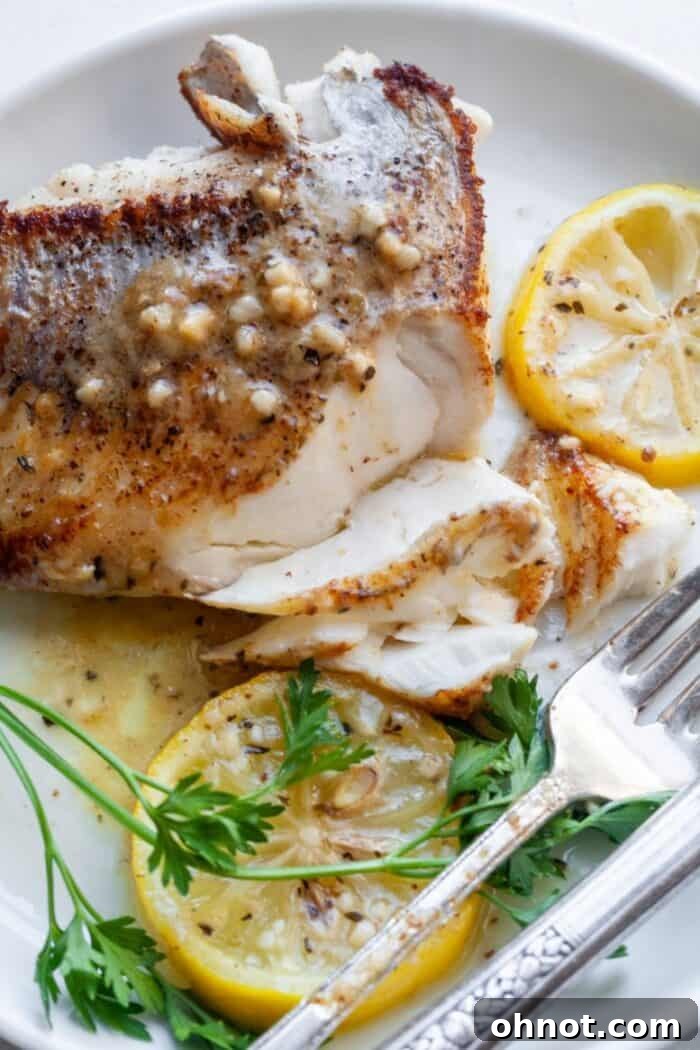
Unlock the secret to a restaurant-quality meal right in your own kitchen with this incredible pan-seared Chilean Sea Bass recipe. Renowned for its buttery flavor and delicate, flaky texture, Chilean Sea Bass transforms into an elegant dish that’s surprisingly easy to prepare. In just 20 minutes and with minimal cleanup, you can create a culinary masterpiece that feels luxurious but fits effortlessly into your busy weeknight schedule. A simple, yet exquisitely flavored, lemon-herb butter sauce elevates this healthy and delicious fish to a gourmet level, making every bite an unforgettable experience. This recipe isn’t just about cooking; it’s about creating a moment of sophisticated dining with ease. Dive into the detailed steps and expert tips below to master this fantastic seafood preparation.
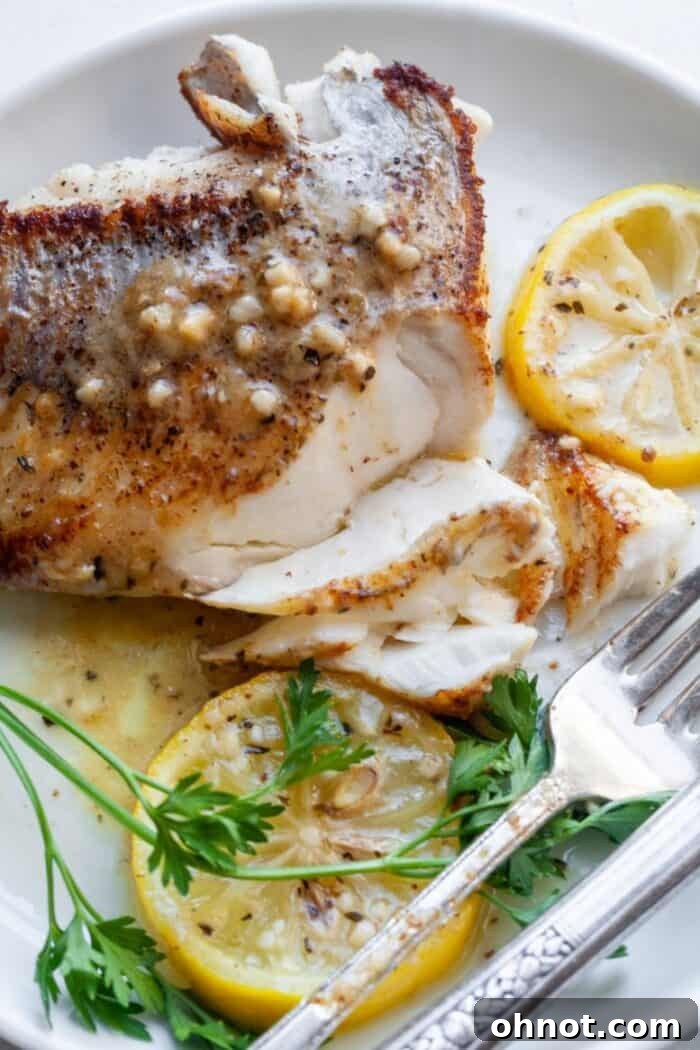
Why You’ll Adore This Pan-Seared Chilean Sea Bass Recipe
There are countless reasons why this pan-seared Chilean Sea Bass will become a staple in your culinary repertoire. It’s more than just a meal; it’s a delightful experience that combines convenience with gourmet appeal. Here’s why you’ll absolutely love this recipe:
- Effortlessly Quick and Simple: Forget complicated cooking techniques and lengthy preparation times. This recipe is designed for maximum flavor with minimum effort, coming together in a single skillet in just about 20 minutes. It’s the ideal solution for those busy weeknights when you crave something special without the fuss.
- The Ultimate Cooking Method: Pan-searing is undeniably the best way to cook Chilean sea bass. This technique creates a beautifully crispy, golden-brown skin while ensuring the interior remains incredibly moist, tender, and flaky. The contrast in textures is simply divine and locks in all the rich flavors of the fish.
- A Health-Conscious Powerhouse: For anyone committed to a healthy lifestyle, this dish is a dream come true. Chilean sea bass is naturally high in lean protein and beneficial omega-3 fatty acids, making it an excellent choice for supporting muscle recovery, heart health, and overall well-being. It’s a guilt-free indulgence that fuels your body without compromising on taste.
- Impressively Elegant, Deceptively Easy: This meal radiates sophistication, making it perfect for entertaining guests or celebrating a special occasion. Yet, its preparation is remarkably straightforward, allowing you to present a “fancy” dish with complete confidence and minimal stress. You’ll feel like a professional chef with surprisingly little effort.
- Dietary Friendly: Cater to various dietary needs with ease. This Chilean Sea Bass recipe is naturally Whole30 compliant, Paleo, gluten-free, sugar-free, Keto, and low-carb. It’s a versatile dish that everyone at your table can enjoy, regardless of their specific eating preferences.
- Flavor Versatility: While the lemon-herb butter sauce is a classic pairing, the delicate flavor of Chilean sea bass makes it incredibly versatile. It pairs wonderfully with a wide array of side dishes and can be adapted with different herbs and spices to suit your mood.
- Beyond the Ordinary: If you enjoy exploring other exquisite seafood options, be sure to try our Blackened Mahi Mahi for a spicy kick, or our Baked Tilapia for another healthy and simple fish dish.
Understanding Chilean Sea Bass: A Gourmet Delight
Often gracing the menus of upscale restaurants, Chilean Sea Bass is a highly prized white fish celebrated for its exceptional taste and texture. But what exactly is this culinary gem?
Contrary to its common name, Chilean Sea Bass is not a true sea bass but rather a marketing name given to two species of fish: the Antarctic Toothfish and the Patagonian Toothfish. These fascinating creatures thrive in the frigid, deep waters of the Southern Hemisphere, inhabiting the Pacific, southern Atlantic, and Indian Oceans. They are a type of cod, belonging to the family Nototheniidae, which further contributes to their rich, buttery flavor profile and robust texture.
These fish are notably large, typically weighing between 10 to 20 pounds, though some specimens can grow much larger. They are also incredibly long-lived, with a lifespan that can extend up to 50 years, contributing to their slow growth rate and the premium price they command in the market.
Chilean Sea Bass is highly sought after for its distinct rich, succulent flavor. It boasts a beautiful snow-white flesh that, when cooked, becomes incredibly moist, tender, and flaky. Its mild, non-fishy taste makes it a favorite even among those who are typically hesitant about seafood. Beyond its delectable taste, it’s also a powerhouse of nutrition: healthy, remarkably high in protein, and exceptionally low in carbohydrates, making it a stellar choice for a balanced diet. For those who prefer a milder flavor, our Cod Fish Recipe offers a delicious alternative.
It’s important to distinguish between “sea bass” as a general term and “Chilean Sea Bass.” “Sea bass” is a broader category that encompasses numerous species of fish, while “Chilean Sea Bass” specifically refers to the Antarctic and Patagonian toothfish. These specific toothfish species are known for their firm, large flakes and high oil content, which contributes to their luxurious, melt-in-your-mouth quality.
While Chilean Sea Bass is not currently on the endangered species list, it has faced challenges due to illegal and unregulated fishing practices in the past. When purchasing, look for fish certified by organizations like the Marine Stewardship Council (MSC) to ensure it comes from sustainable and responsibly managed fisheries. This commitment to sustainable sourcing helps protect these magnificent fish for future generations.
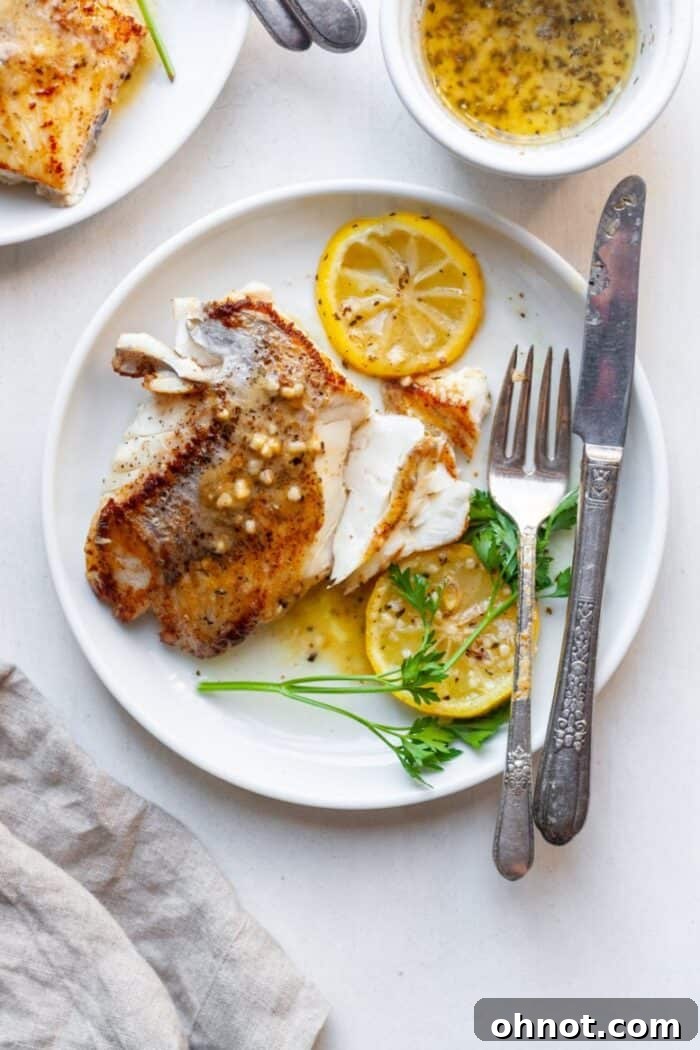
Essential Ingredients & Smart Substitutions
Crafting this exquisite pan-seared Chilean Sea Bass dish requires just a handful of quality ingredients. Each component plays a vital role in creating the perfect balance of flavor and texture. Here’s a closer look at what you’ll need and how you can make smart substitutions:
- Chilean Sea Bass Filets: The star of our dish! Aim for high-quality, fresh Chilean sea bass filets, ideally about 5 to 6 ounces each. The quality of your fish will significantly impact the final flavor and texture. If fresh isn’t available, high-quality frozen and properly thawed filets work well. For alternatives, cod or haddock are excellent white fish substitutes, offering a similar flaky texture, though with a slightly milder flavor. Ensure your chosen fish is firm and vibrant.
- Sea Salt and Freshly Ground Black Pepper: These fundamental seasonings enhance the natural richness of the sea bass. A good quality sea salt provides a cleaner taste, and freshly ground pepper adds a nuanced aroma and gentle bite. Remember, a little goes a long way – season judiciously to complement, not overpower, the fish.
- Butter or Ghee: Butter is crucial for both achieving a beautiful sear on the fish and forming the base of our luxurious lemon-garlic-herb sauce. Grass-fed butter can add an extra layer of richness. For a dairy-free option, ghee (clarified butter) is an excellent choice due to its high smoke point and buttery flavor. Vegan butter or even a good quality olive oil can also be used effectively, particularly for those with dairy sensitivities.
- Minced Garlic: Freshly minced garlic is non-negotiable for its pungent aroma and robust flavor, which deeply infuses into the butter sauce. Avoid pre-minced garlic in a jar if possible, as its flavor can be less vibrant. If you love garlic, feel free to add a little extra!
- Dried Oregano: This aromatic herb adds a touch of earthy warmth and a beautiful visual appeal to the dish. It complements the fish without being overwhelming. While dried oregano is convenient, you could also use fresh oregano (about 3 times the amount of dried) or experiment with other complementary herbs like dried thyme or a hint of dill.
- Fresh Lemon: Sliced lemon provides essential bright, tangy acidity that cuts through the richness of the butter and fish, brightening the overall flavor profile. Lemon slices cooked directly in the pan also infuse the sauce with a subtle citrus essence. A squeeze of fresh lemon juice at the end is also a fantastic finishing touch.
- Fresh Parsley (for Garnish): A sprinkle of fresh chopped parsley at the end not only adds a pop of vibrant color but also introduces a fresh, clean herbaceous note that elevates the presentation and taste. Other fresh herbs like chives or dill would also make lovely garnishes.
Unveiling the Exquisite Taste & Texture
Prepare your palate for an extraordinary culinary experience. This pan-seared Chilean Sea Bass delivers a harmonious blend of flavors and a texture that is truly unparalleled.
Each bite reveals a mild, buttery flavor, beautifully accentuated by the zesty brightness of lemon and the aromatic depth of herbs and garlic. What truly sets this fish apart is its inherent lack of a strong “fishy” taste, making it incredibly appealing even to those who are typically wary of seafood. This delicate flavor profile allows the simple, fresh ingredients to shine, creating a truly sophisticated and approachable dish.
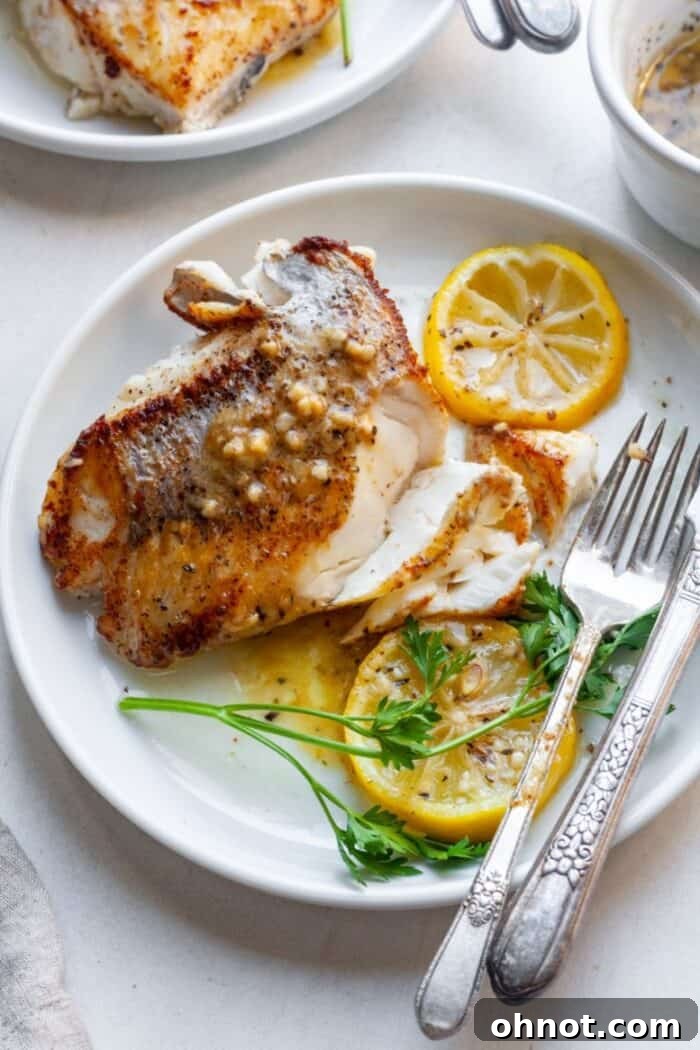
The texture is where Chilean Sea Bass truly excels. Cooked to perfection, the fish is astonishingly moist and juicy, flaking effortlessly with the gentle nudge of a fork. The pan-searing technique creates a delightful contrast: a wonderfully crispy, golden-brown skin on the exterior that gives way to the tender, succulent flesh within. This combination of a delicate crust and a melt-in-your-mouth interior is what makes this Chilean sea bass fillet an absolute dream.
Mastering the Pan-Sear: Step-by-Step Guide
Achieving the perfect pan-seared Chilean Sea Bass is simpler than you might imagine. Follow these detailed steps to create a show-stopping dish with a crispy skin and incredibly tender flesh.
Step 1: Prepare the Fish
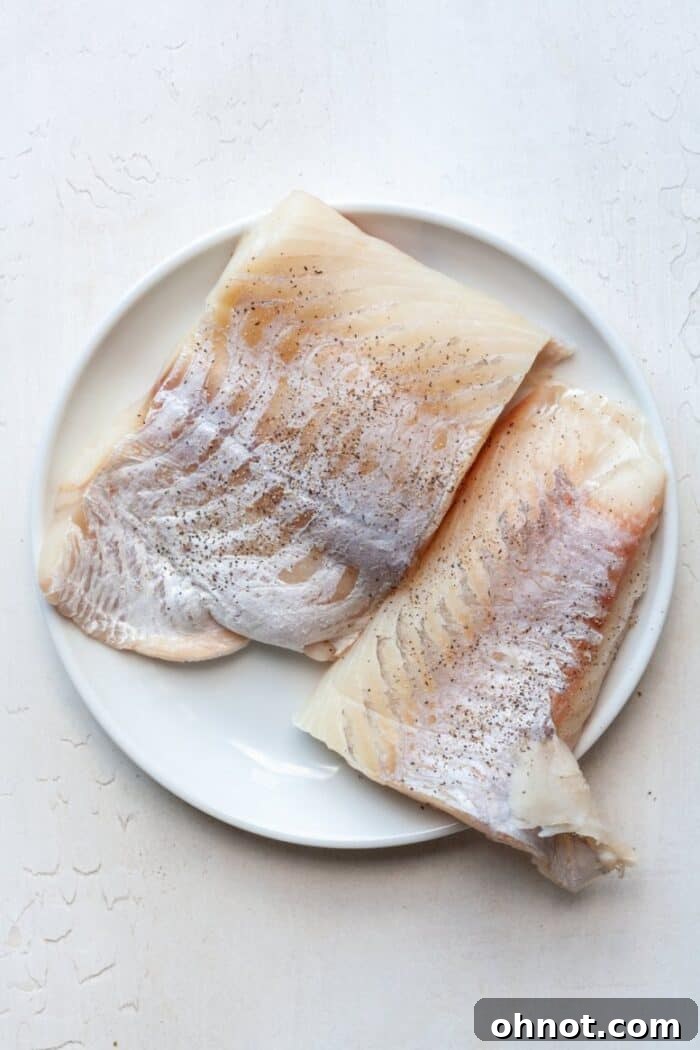
Begin by gently patting the Chilean sea bass filets completely dry with paper towels. This crucial step removes excess moisture, which is essential for achieving that coveted crispy skin and prevents the fish from steaming instead of searing. Ensure both sides are thoroughly dry.
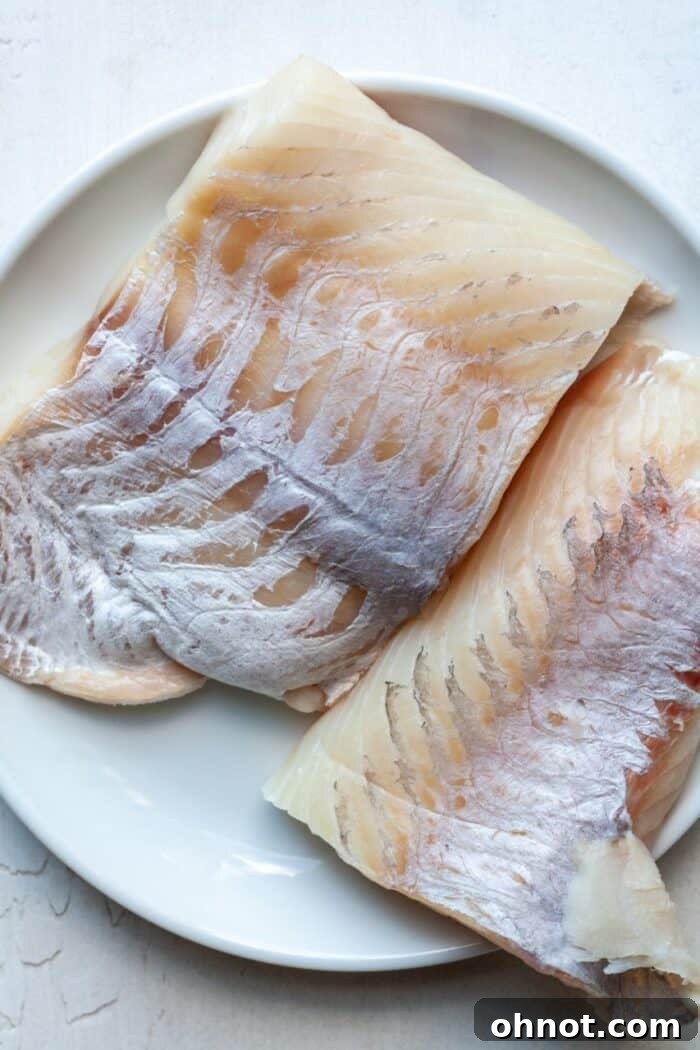
Step 2: Season Generously
Season both sides of each sea bass filet generously with sea salt and freshly ground black pepper. Don’t be shy with the seasoning; it forms the foundational flavor layer for the fish. Press the seasonings gently into the flesh to ensure they adhere well.
Step 3: Heat the Skillet
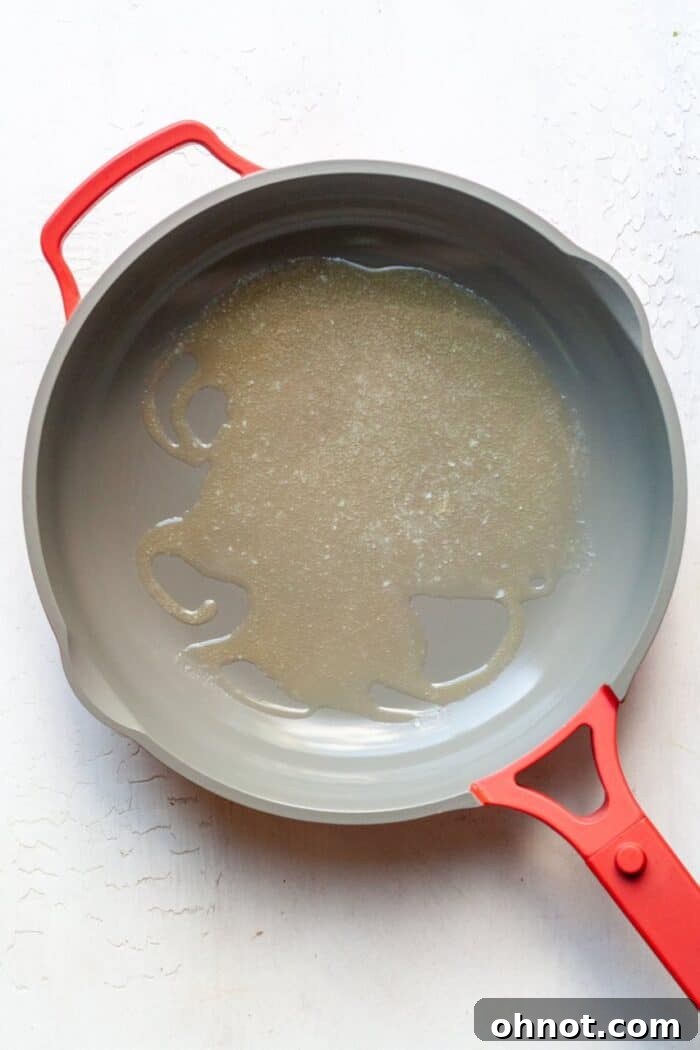
Place a large, heavy-bottomed skillet (cast iron or stainless steel works best) over medium heat. Add 1 tablespoon of butter (or your chosen cooking fat). Allow the butter to fully melt and shimmer, indicating that the pan is hot enough to achieve a proper sear. The butter should not smoke excessively.
Step 4: Sear the Fish
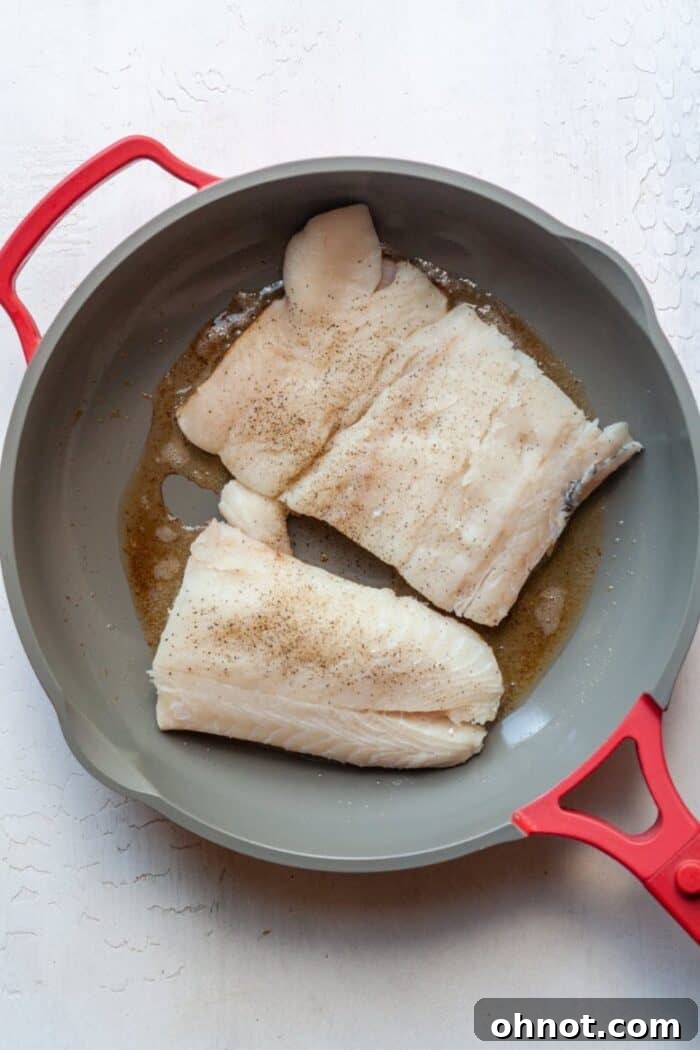
Carefully place the seasoned sea bass filets into the hot skillet, skin-side down. Cook undisturbed for 5 minutes. Resist the urge to move the fish during this time; this allows a beautiful, crispy crust to form. You’ll notice the edges of the fish starting to turn opaque and climb up the sides.
Step 5: Prepare the Lemon-Herb Butter Sauce
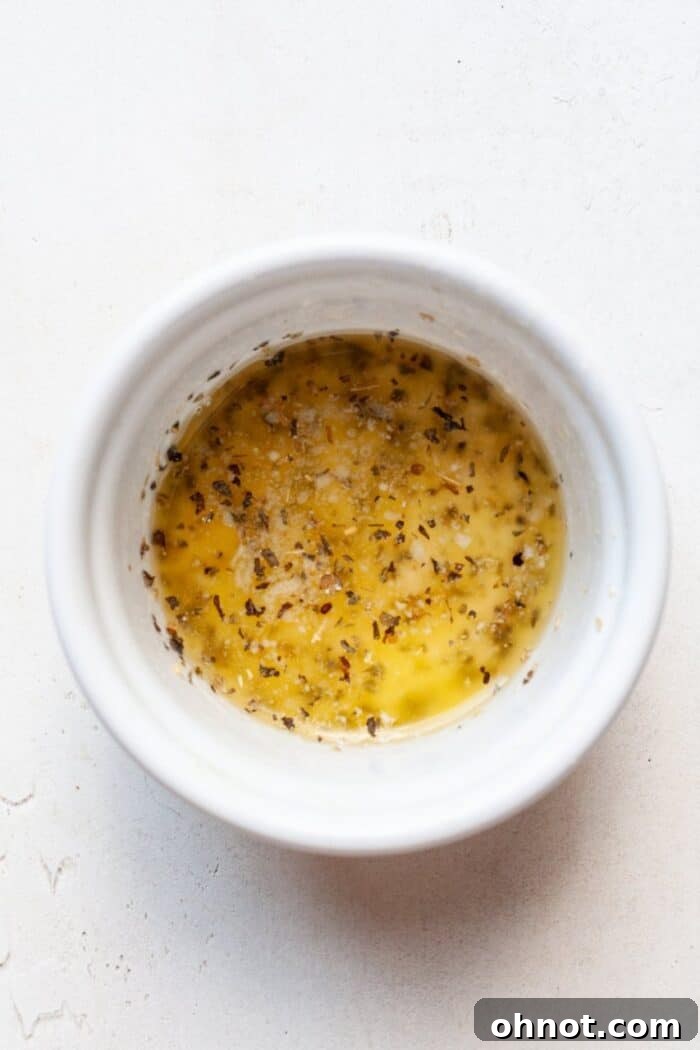
While the fish is searing, melt the remaining 2 tablespoons of butter in a microwave-safe dish (or a small saucepan). Stir in the minced garlic and dried oregano until well combined. This aromatic mixture will infuse the fish with incredible flavor during the second half of cooking.
Step 6: Flip and Finish
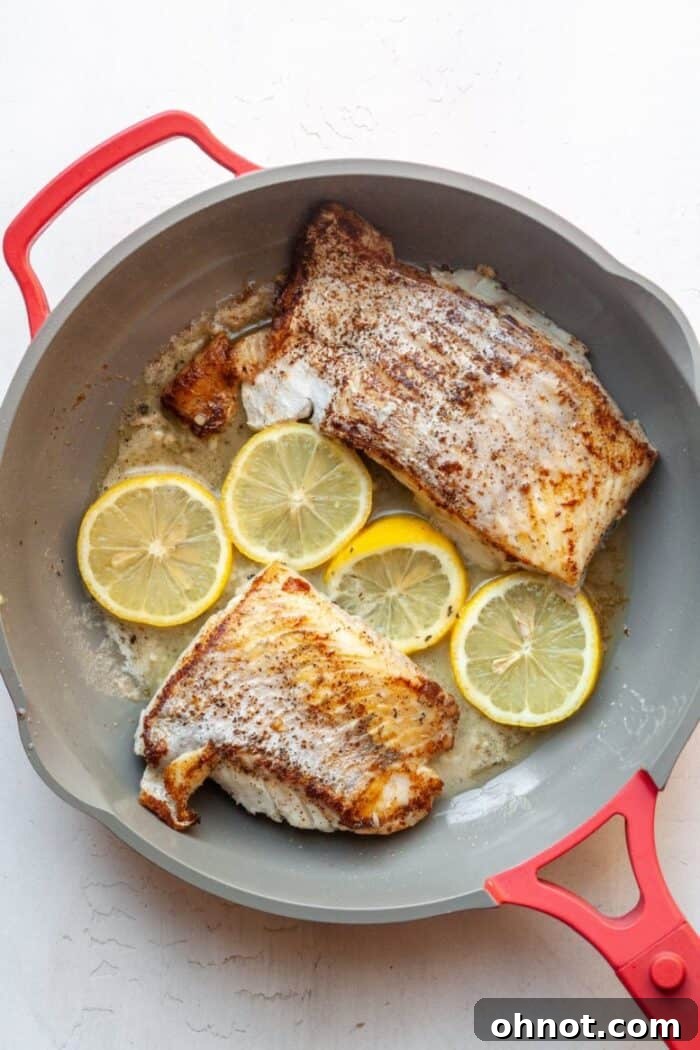
After 5 minutes, carefully flip the fish filets. Immediately pour the prepared lemon-herb butter sauce over the fish, ensuring it coats each filet generously. Arrange the sliced lemons directly into the skillet around the fish. The lemons will warm and release their juices, adding further depth to the sauce.
Step 7: Cook to Perfection
Continue cooking for another 5 minutes, or until the fish is opaque throughout and easily flakes with a fork. The exact cooking time may vary slightly depending on the thickness of your filets. Avoid overcooking, as this can lead to dry fish.
Step 8: Serve and Garnish
Once cooked, carefully remove the pan-seared Chilean sea bass from the skillet. Transfer it to serving plates. Spoon the fragrant lemon-herb butter sauce from the pan over each filet. For a final flourish, garnish with fresh parsley if desired, adding a touch of color and fresh aroma. Serve immediately and enjoy!
Alternate Cooking Method: Oven Baked Chilean Sea Bass
If you prefer a hands-off approach or are cooking for a larger group, baking Chilean Sea Bass in the oven is a fantastic option that yields equally delicious results. This method ensures even cooking and keeps the fish wonderfully moist.
To begin, preheat your oven to 425 degrees Fahrenheit (220 degrees Celsius). Lightly spray a baking dish or a rimmed baking sheet with nonstick spray or line it with parchment paper for easy cleanup.
Just like with pan-searing, pat both sides of your Chilean sea bass filets thoroughly dry with paper towels. Season them generously with sea salt and freshly ground black pepper.
In a small microwave-safe dish, melt the butter. Stir in the minced garlic and dried oregano until fragrant and well combined. This will form your flavorful coating.
Place the fish filets skin-side down in the prepared baking dish. Carefully pour the melted butter mixture over each white fish filet, ensuring an even coating. Top each filet with a few thin slices of fresh lemon.
Bake for 15 to 20 minutes, or until the fish is opaque throughout and flakes easily when tested with a fork. Thicker filets may require a few extra minutes. Again, the key is to avoid overcooking to maintain the delicate texture.
Once baked, remove from the oven and serve immediately, spooning the flavorful pan juices over the fish. A sprinkle of fresh parsley makes for a beautiful and aromatic garnish.
Alternate Cooking Method: Air Fryer Chilean Sea Bass
For a quick, crispy, and healthy preparation, the air fryer is an excellent tool for cooking Chilean Sea Bass. It delivers a beautiful exterior with a moist interior in record time.
Start by preheating your air fryer to 375 degrees Fahrenheit (190 degrees Celsius). This ensures the fish begins cooking immediately upon placement, promoting a good sear.
Pat the fish filets dry and season them generously with sea salt and black pepper, just as you would for pan-searing. For added flavor, you can brush them lightly with a small amount of olive oil before seasoning.
Lightly spray the air fryer basket with nonstick cooking spray to prevent sticking. Arrange the seasoned fish filets in a single layer in the air fryer basket, ensuring they are skin-side down. Avoid overcrowding the basket, as this can lead to uneven cooking and less crispy results. If necessary, cook in batches.
Air fry for 10 to 11 minutes, or until the fish is cooked through and easily flakes with a fork. The cooking time can vary based on the thickness of your filets and the specific model of your air fryer. Always check for doneness.
Once finished, carefully remove the Chilean sea bass from the air fryer. For an extra touch of richness and flavor, you can brush the cooked fish with a small amount of melted butter or the lemon-herb butter sauce from the pan-seared method. Serve immediately, adorned with fresh herbs like parsley or dill and a wedge of fresh lemon for squeezing.
Expert Tips & Tricks for Perfect Fish
To ensure your Chilean Sea Bass is nothing short of perfection, keep these expert tips in mind:
- Start with Quality Fish: The foundation of an exceptional dish is exceptional ingredients. Always opt for the highest quality Chilean sea bass filets you can find. Look for fish that is vibrant, firm, and has a mild, fresh aroma. While Chilean sea bass is preferred, high-quality haddock or cod also make fantastic substitutes if sea bass is unavailable.
- Sourcing Fresh vs. Frozen: For the absolute best results, cook fresh fish whenever possible. If using frozen fish, ensure it is thawed properly in the refrigerator overnight. Patting it extra dry after thawing is crucial for a good sear.
- Don’t Overcrowd the Pan: When pan-searing, cook in batches if necessary. Overcrowding the skillet lowers the pan temperature, which can lead to steaming instead of searing, preventing the formation of a crispy crust. Give each filet enough space to cook evenly.
- Pat Dry, Pat Dry, Pat Dry: We cannot stress this enough! Removing all surface moisture from the fish is the single most important step for achieving that beautiful, crispy skin and a superior sear.
- Monitor Pan Temperature: Medium heat is ideal for pan-searing. Too low, and the fish won’t brown; too high, and the exterior will burn before the interior cooks. The butter should shimmer but not smoke vigorously.
- Resist Moving the Fish: Once the fish is placed skin-side down in the hot pan, resist the urge to move it for the full 5 minutes. This allows the crust to develop undisturbed, preventing it from sticking and ensuring maximum crispiness.
- Avoid Overcooking: Fish cooks very quickly. Overcooked fish becomes dry, tough, and loses its delicate texture. The fish is perfectly done when it reaches an internal temperature of 145°F (63°C) and flakes easily with a fork. A meat thermometer is your best friend here.
- Rest Your Fish: Just like steak, resting your fish for a minute or two after cooking allows the juices to redistribute, resulting in a more tender and moist filet.
- Utilize Pan Juices: Don’t leave those flavorful pan juices behind! Spooning the butter-herb sauce over the cooked fish adds incredible moisture and intensifies the overall taste.
Serving & Storing Your Delicious Creation
Once your pan-seared Chilean Sea Bass is perfectly cooked, it’s ready to be savored. This versatile dish pairs beautifully with a variety of sides, making it suitable for any occasion, from a casual weeknight dinner to an elegant dinner party.
Serve your pan-seared Chilean sea bass hot, directly from the pan or oven. For an extra touch of creamy indulgence, consider topping it with a dollop of homemade Whole30 Garlic Aioli – its rich, tangy flavor complements the fish exquisitely.
This fish is wonderfully versatile and can be paired with an array of wholesome side dishes. Some excellent options include creamy mashed potatoes, a vibrant medley of roasted vegetables like asparagus and cauliflower, a crisp green side salad for a lighter meal, or fluffy quinoa or rice. For a healthier twist on a classic, serve it alongside these homemade Whole30 French Fries to create a gourmet fish and chips experience.
Storing Leftovers: Any leftover pan-seared Chilean sea bass should be stored in an airtight container in the refrigerator within two hours of cooking. It will remain fresh and delicious for up to 3 days. To maintain its moisture, it’s beneficial to store the fish with any remaining pan juices or sauce. When reheating, gently warm the fish in a skillet over low heat or in the oven at a low temperature to prevent it from drying out.
How to Buy the Best White Fish: A Comprehensive Guide
Selecting high-quality white fish is paramount to the success of any seafood dish, especially for a delicate fish like Chilean Sea Bass. Knowing what to look for can make all the difference in flavor, texture, and overall enjoyment. Here are some key indicators to help you choose the freshest and best fish available:
- The Smell Test is Key: The most crucial indicator of freshness is the smell. Fresh fish should never smell strongly “fishy.” Instead, it should have a clean, mild aroma, often described as smelling faintly like the ocean or even slightly sweet. A strong, pungent, or ammonia-like odor is a clear sign that the fish is past its prime and should be avoided.
- Examine the Flesh: For fillets, the flesh should be firm and resilient. When you gently press it with your finger, it should spring back immediately. Avoid fillets that appear mushy, discolored, or have gaps in the flesh. The color should be vibrant and consistent for its species (e.g., pearly white for Chilean Sea Bass), without any brown spots, yellowing, or dullness.
- Check for Moisture and Sheen: Fresh fish fillets should look moist and slightly translucent, not dry, dull, or opaque. A healthy sheen indicates good hydration. Avoid any fish that looks dry around the edges or has a sticky film.
- If Buying Whole Fish: If you have the option to buy a whole fish, look for clear, bright, and bulging eyes, not sunken or cloudy ones. The gills should be bright red or pink, not brown or slimy. The skin should be shiny and have vibrant, natural colors, with scales tightly adhering to the body.
- Sustainable Sourcing: For Chilean Sea Bass specifically, consider its environmental impact. Look for labels from reputable organizations such as the Marine Stewardship Council (MSC). These certifications indicate that the fish comes from sustainable fisheries that are committed to preserving marine ecosystems and fish populations. Ask your fishmonger about the source of their fish.
- Fresh vs. Frozen – Making the Right Choice: While fresh is often preferred, high-quality frozen fish can be an excellent option, especially when access to truly fresh seafood is limited. Modern flash-freezing techniques lock in freshness at the peak of quality. When buying frozen, look for vacuum-sealed packages with no signs of freezer burn (ice crystals or discoloration). Thaw frozen fish slowly in the refrigerator overnight for best results, then pat dry thoroughly before cooking.
- Shop at Reputable Sources: Purchase your fish from a trusted fishmonger or a grocery store with a high turnover of seafood. A knowledgeable fishmonger can tell you about the origin of the fish and offer advice on preparation.
Frequently Asked Questions About Chilean Sea Bass
Absolutely! To make this dish dairy-free, simply substitute the butter with an equal amount of good quality vegan butter or olive oil. Both options will still provide the necessary fat for searing and a delicious base for the herb sauce.
The fish is perfectly cooked when it becomes opaque throughout its thickness and easily flakes apart when tested with a fork. You can also use a meat thermometer; the internal temperature should reach 145°F (63°C) at its thickest part.
Yes, you certainly can! While Chilean Sea Bass is highly recommended for its unique flavor and texture, other firm, white fish with similar properties will work well. Excellent substitutes include cod, haddock, or even halibut. Adjust cooking times slightly based on the thickness of the fish.
Chilean Sea Bass is a specific commercial name for the Patagonian and Antarctic Toothfish, which are deep-water cod species. “Sea bass” is a much broader, more general term that refers to many different species of fish found in various oceans around the world. Chilean Sea Bass is distinct for its rich, buttery flavor and large, flaky texture.
To cook Chilean sea bass in an air fryer, preheat your air fryer to 375 degrees Fahrenheit (190°C). Season the fish, spray the basket with nonstick spray, and place the fish skin-side down. Air fry for approximately 10 to 11 minutes, or until the fish is opaque and flakes easily.
You May Also Enjoy These Delicious Recipes
- Easy Sugar Free Stir Fry Sauce (Paleo, Whole30, Gluten Free)
- Whole30 Steak with Garlic Cream Sauce
- Royal Red Shrimp Recipe
- Whole30 French Fries
- Whole30 White Chicken Chili
We hope you cherish this pan-seared Chilean Sea Bass recipe as much as we do! Your feedback means the world to us; please consider leaving a review if you try it. You can also connect with us on Instagram, Facebook, and Pinterest to stay updated on our latest healthy meal plans and delicious recipes. For more culinary inspiration, explore our collection of Lunch and Dinner Recipes.
Get the Recipe:
Pan Seared Chilean Sea Bass Recipe
Pin Recipe
Ingredients
- 2 filets Chilean sea bass, about 5 to 6 ounces each
- 1 tsp sea salt
- 1 tsp ground pepper
- 3 tbsp butter or ghee, divided
- 1 tsp minced garlic
- 1 tsp oregano
- 1 lemon
- parsley, to garnish
Instructions
-
First, pat sea bass dry with paper towels. Season on both sides with sea salt and pepper.
-
In a large skillet over medium heat, add 1 tablespoon butter. Once butter has melted, place fish skin side down in skillet.
-
Cook for 5 minutes.
-
Meanwhile, melt remaining 2 tablespoons butter in a microwave-safe dish. Stir in minced garlic and oregano.
-
After 5 minutes, flip fish. Pour butter herb sauce over fish.
-
Slice lemons into round discs. Place lemon slices in skillet.
-
Cook for 5 more minutes or until fish is flaky.
-
Finally, remove from pan. Pour sauce from pan on fish. Garnish with fresh parsley if desired.
Video
Notes
- Depending on the thickness of the sea bass filets, cooking time may vary slightly. Always cook until the fish flakes easily.
- If the skillet appears too dry during cooking, feel free to add a little more butter or a splash of olive oil to keep the fish moist and the sauce vibrant.
- The key to perfect fish is not to overcook it. Once it’s flaky, remove it from the heat immediately.
- Store any leftovers in an airtight container in the fridge for up to 3 days. Reheat gently to preserve texture.
Love this pan-seared Chilean Sea Bass recipe? You can sign up here to receive healthy meal plans and new recipes directly to your inbox!