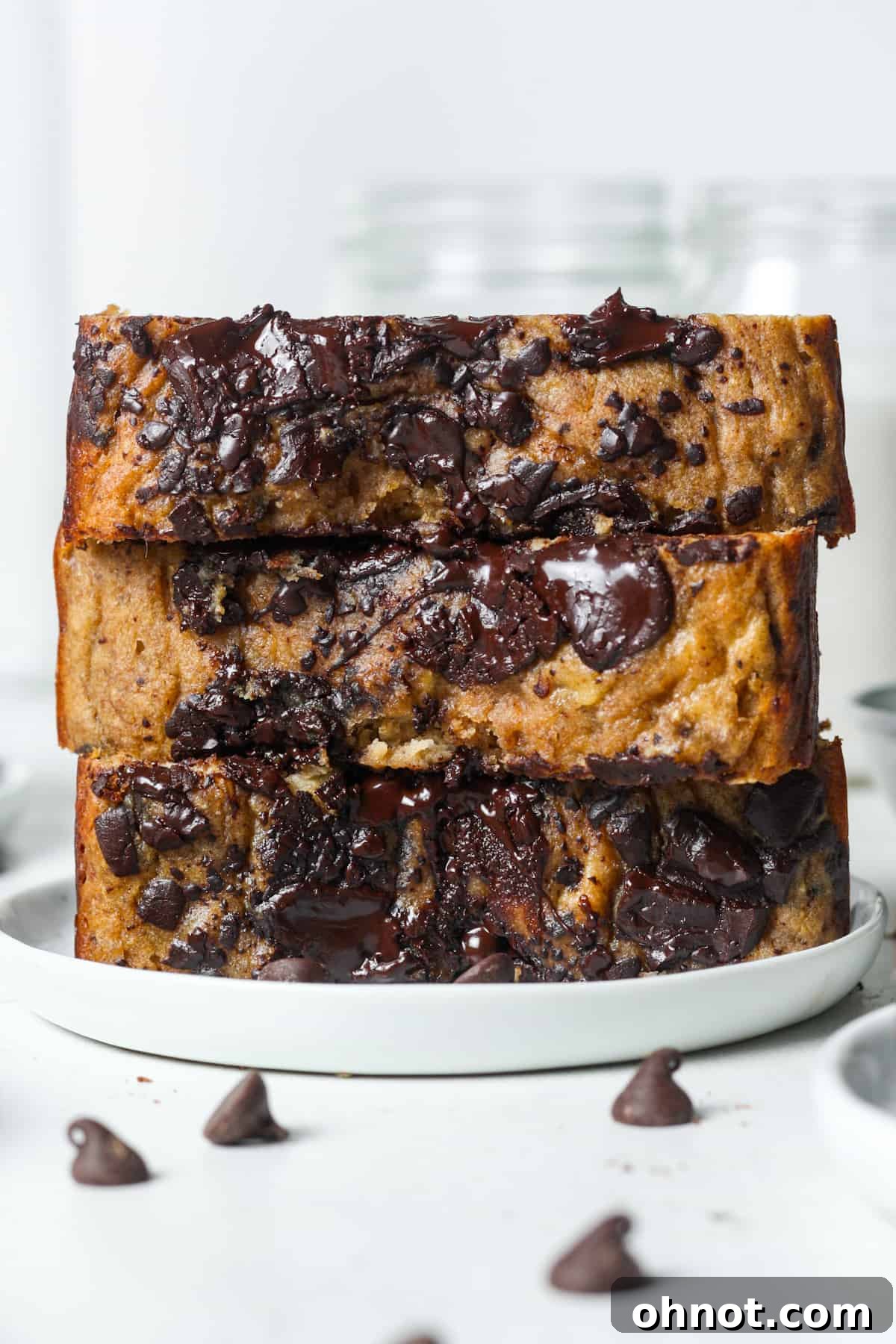
Welcome to the ultimate guide for creating the most delightful Coconut Flour Banana Bread you’ll ever taste! This recipe delivers a soft, incredibly fluffy, and perfectly moist loaf that is simply bursting with natural flavors. Forget overly sweet or heavy baked goods – this grain-free banana bread is thoughtfully crafted with no added sweeteners, making it a truly wholesome option. Whether you’re seeking a convenient grab-and-go breakfast, a satisfying afternoon snack, or a guilt-free healthy dessert, this recipe is your new go-to. It’s not just delicious; it’s a testament to how healthy eating can be both easy and incredibly satisfying.
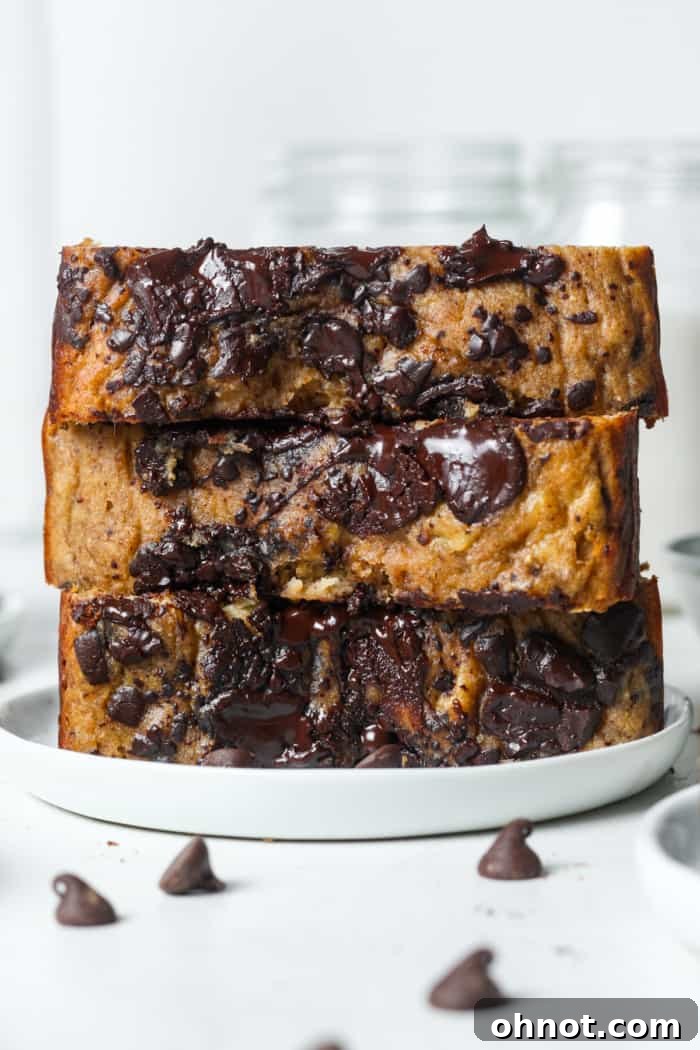
Why You’ll Adore This Coconut Flour Banana Bread
Discover a myriad of reasons why this coconut flour banana bread will quickly become a favorite in your kitchen:
- Effortlessly Simple: This recipe is designed for ease, making it perfect for both seasoned bakers and beginners alike. You’ll be amazed at how quickly you can whip up this delicious loaf with minimal fuss.
- Pantry-Friendly Ingredients: Beyond the unique coconut flour, all other ingredients are common pantry staples, ensuring you can bake this whenever a craving strikes without a special shopping trip.
- Naturally Sweetened: Enjoy pure, natural sweetness from ripe bananas, with absolutely no added sugars or artificial sweeteners. For chocolate lovers, simply opt for sugar-free chocolate chips to maintain its wholesome profile.
- Protein-Packed Goodness: Each generous slice offers an impressive 7 grams of protein, providing sustained energy and making it a more substantial and satisfying treat than traditional banana bread.
- Dietary-Friendly: Crafted entirely without gluten and dairy, this recipe caters to common dietary restrictions without compromising on taste or texture. It’s perfect for those with sensitivities or anyone looking for lighter alternatives.
- Versatile Treat: Its balanced flavor and wholesome ingredients make it suitable for any time of day. Enjoy it for a hearty breakfast, a delightful snack, or even a light, healthy dessert.
- Muffin-Ready Option: Looking for a different format? This versatile batter can easily be transformed into delicious Coconut Flour Banana Muffins, offering a convenient, portion-controlled option.
- Meets Specific Dietary Needs: This recipe proudly aligns with Paleo, grain-free, gluten-free, dairy-free, and added sugar-free lifestyles, making it an inclusive choice for diverse health preferences.
- Explore More Healthy Baking: If you love this recipe, don’t miss out on our other fantastic creations like Paleo Chocolate Chip Banana Bread or our classic Healthy Banana Bread for more delicious inspiration!
Essential Ingredients & Smart Substitutions
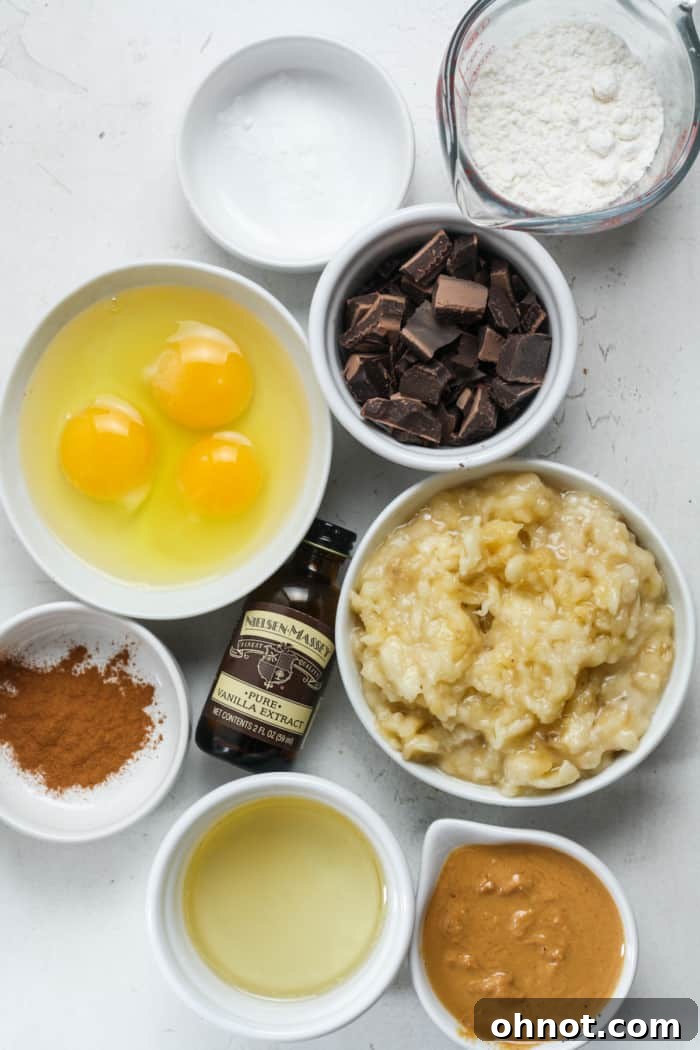
Crafting the perfect coconut flour banana bread begins with understanding each key ingredient and its role in achieving that desirable moist and fluffy texture. Here’s a detailed look at what you’ll need and how you can adapt the recipe to fit your preferences.
The Star: Ripe Bananas
For unparalleled natural sweetness and moisture, always reach for ripe bananas. Their skins should be speckled with brown, indicating maximum sugar content and a softer texture that’s easier to mash. Approximately two large bananas will yield the 1 ¼ cups of mashed banana required for this recipe. Since we’re skipping added sugars, the ripeness of your bananas is crucial for the bread’s overall flavor profile. Under-ripe bananas will result in a less sweet and potentially denser loaf.
Creamy Nut Butter
Any creamy nut butter will work wonderfully here, contributing rich flavor and essential moisture. It’s best to use a high-quality nut butter made solely from nuts and a touch of salt, avoiding those with added sugars, oils, or emulsifiers. Almond butter and cashew butter are excellent choices that complement the banana and coconut flavors beautifully. If you need a nut-free option, sunflower seed butter (sunbutter) is a fantastic alternative. Peanut butter can also be used if preferred, though it will lend a more distinct flavor to the bread.
Melted Coconut Oil
Melted coconut oil plays a vital role in counteracting the absorbent nature of coconut flour, ensuring your banana bread remains wonderfully moist. Its subtle coconut flavor also enhances the overall tropical profile of the bread. For those who prefer alternatives, avocado oil is a neutral-tasting option, or you can use melted unsalted butter if dairy is not a concern for your diet.
Eggs for Structure and Moisture
Three eggs are essential in this recipe, acting as both a binder and a primary source of moisture. Coconut flour is exceptionally absorbent, requiring more liquid than traditional flours. The eggs provide the necessary liquid and protein to give the bread its structure and prevent it from becoming crumbly or dry. Do not attempt to substitute with fewer eggs or egg replacers in this specific coconut flour recipe.
A Hint of Vanilla Extract
Vanilla extract is a classic baking staple that adds a warm, comforting depth of flavor to almost any sweet treat. In this banana bread, it beautifully complements the fruity notes of the banana and the subtle sweetness of the coconut flour, enhancing the overall aroma and taste.
Warm Spice: Cinnamon
A touch of cinnamon introduces a delightful warmth and aromatic spice that pairs perfectly with banana bread. It elevates the flavor profile, creating a comforting and inviting taste that will remind you of classic homemade baking.
Leavening Agents: Baking Soda and Baking Powder
Both baking soda and baking powder are crucial for giving this bread its lift and tender texture. While coconut flour-based baked goods typically don’t rise as much as those made with wheat flour, these leavening agents ensure the bread isn’t overly dense. They work together to create a light and airy crumb, despite the inherent characteristics of coconut flour.
The Unique Coconut Flour
Coconut flour is the cornerstone of this grain-free recipe. Its distinct properties mean it cannot be directly substituted with other flours like almond or all-purpose flour. We’ll delve deeper into the specifics of baking with coconut flour in the next section. For alternative grain-free baking ideas, explore our Oat Flour Banana Bread recipe!
Optional Chocolate Chips
For an extra layer of indulgence, chocolate chips are a fantastic addition. Any variety you prefer will work, but for a truly Paleo and dairy-free option, choose unsweetened dark chocolate chips or finely chopped dark chocolate. Mini chocolate chips or chocolate chunks can also be used, adding different textures and bursts of chocolatey goodness throughout the loaf.
Mastering the Art of Baking with Coconut Flour
Coconut flour is an extraordinary ingredient, celebrated for its unique properties and numerous health benefits. Derived from ground, dried coconut meat, this Paleo and grain-free flour offers a naturally sweet flavor and a dense nutritional profile, being particularly rich in fiber. However, its distinctive characteristics mean it requires a different approach compared to traditional flours.
The Absorbency Challenge
One of the most defining features of coconut flour is its incredible absorbency. Due to its high fiber content, it acts like a sponge, soaking up liquids far more effectively than other flours. This high absorbency is why recipes using coconut flour typically call for a much greater proportion of liquid ingredients – be it eggs, oils, or other wet components. If not properly balanced with sufficient moisture, baked goods made with coconut flour can quickly turn out dry, crumbly, and unappetizing. This is why our banana bread recipe utilizes three eggs, along with melted coconut oil and creamy nut butter, to achieve its remarkably moist texture.
No Direct Substitutes
Due to its unparalleled absorbency and unique binding properties, coconut flour cannot be directly substituted with other flours on a 1:1 basis. Attempting to swap it for almond flour, oat flour, or an all-purpose gluten-free blend will inevitably lead to a failed recipe. Each flour has its own distinct chemistry, and coconut flour stands in a league of its own. It’s crucial to follow recipes specifically developed for coconut flour to achieve successful results.
Preventing Burning and Sticking
Coconut flour also has a tendency to brown or burn more easily than other flours. This is particularly important to remember during baking. To prevent the top of your banana bread from over-browning or burning before the inside is fully cooked, it is absolutely essential to cover the loaf pan with aluminum foil for a significant portion of the baking time. This simple step ensures even cooking and a beautifully golden, not burnt, crust.
Furthermore, coconut flour can be prone to sticking to baking pans. To ensure easy removal and a pristine loaf, always line your bread pan with parchment paper. Greasing the pan alone might not be sufficient to prevent sticking, making parchment paper an indispensable tool when baking with this unique flour.
By understanding and respecting these characteristics, you can unlock the full potential of coconut flour, creating delicious, healthy, and wonderfully textured baked goods like this banana bread.
Unveiling the Taste & Texture Experience
Prepare your senses for a truly delightful experience with this coconut flour banana bread. Each bite offers a harmonious blend of flavors and a texture that defies the common misconceptions about gluten-free baking.
A Symphony of Flavors
The primary flavor notes are, of course, the sweet, comforting essence of ripe bananas, beautifully complemented by the subtle, inherent sweetness of coconut flour. When you add chocolate chips, you introduce delightful pockets of rich, melty chocolate that perfectly balance the fruitiness. Beyond these, you’ll detect the warm, aromatic embrace of cinnamon, which adds a cozy depth to the bread. The creamy nut butter contributes a nuanced, earthy undertone, enhancing the overall richness. We highly recommend using a nut butter whose flavor you genuinely enjoy on its own, as its taste is definitely recognizable in the finished product, contributing to the bread’s delightful complexity.
Moist, Fluffy, and Never Dense
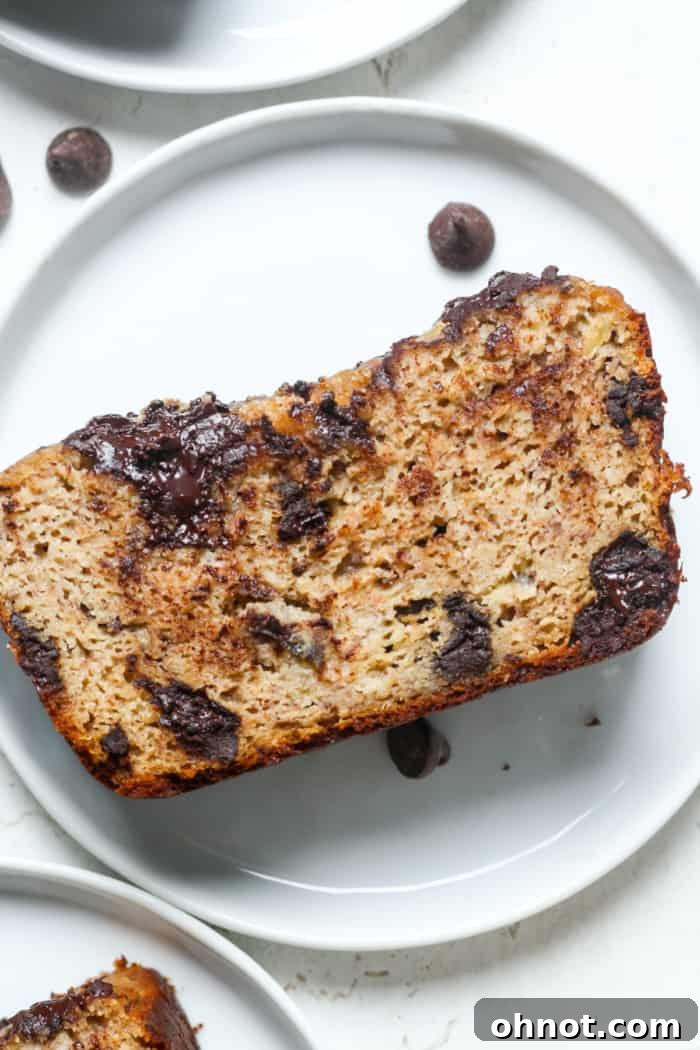
Despite coconut flour’s reputation for drying out baked goods, this recipe has been expertly formulated to yield a surprisingly moist and fluffy texture. You might notice that the bread doesn’t rise dramatically during baking, which is typical for coconut flour-based recipes. However, don’t mistake a modest rise for a dense crumb. This banana bread maintains a light, tender structure that is far from heavy or compacted. It’s incredibly tender and soft, a testament to the careful balance of ingredients working together to create an irresistible treat that will have you reaching for a second slice.
Step-by-Step Guide: How to Make This Irresistible Banana Bread
Follow these straightforward steps to create a perfect loaf of coconut flour banana bread:
Step 1: Prepare Your Oven and Pan
Begin by preheating your oven to 350 degrees Fahrenheit (175°C). This ensures the oven is at the correct temperature when your batter is ready. Crucially, line an 8-inch by 4-inch loaf pan with parchment paper. This step is vital to prevent the coconut flour batter from sticking to the pan, ensuring easy removal of your finished bread.
Step 2: Combine Wet Ingredients
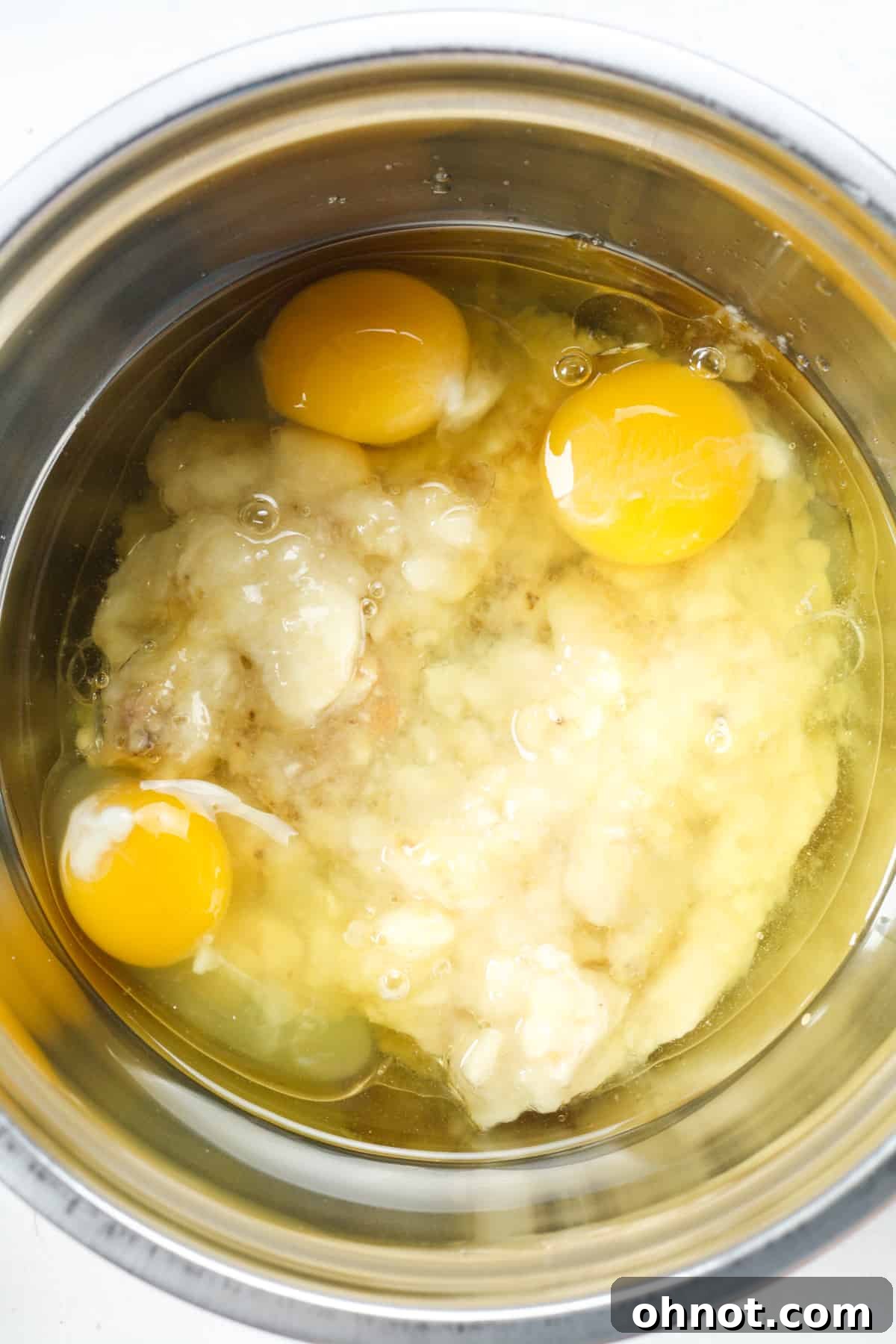
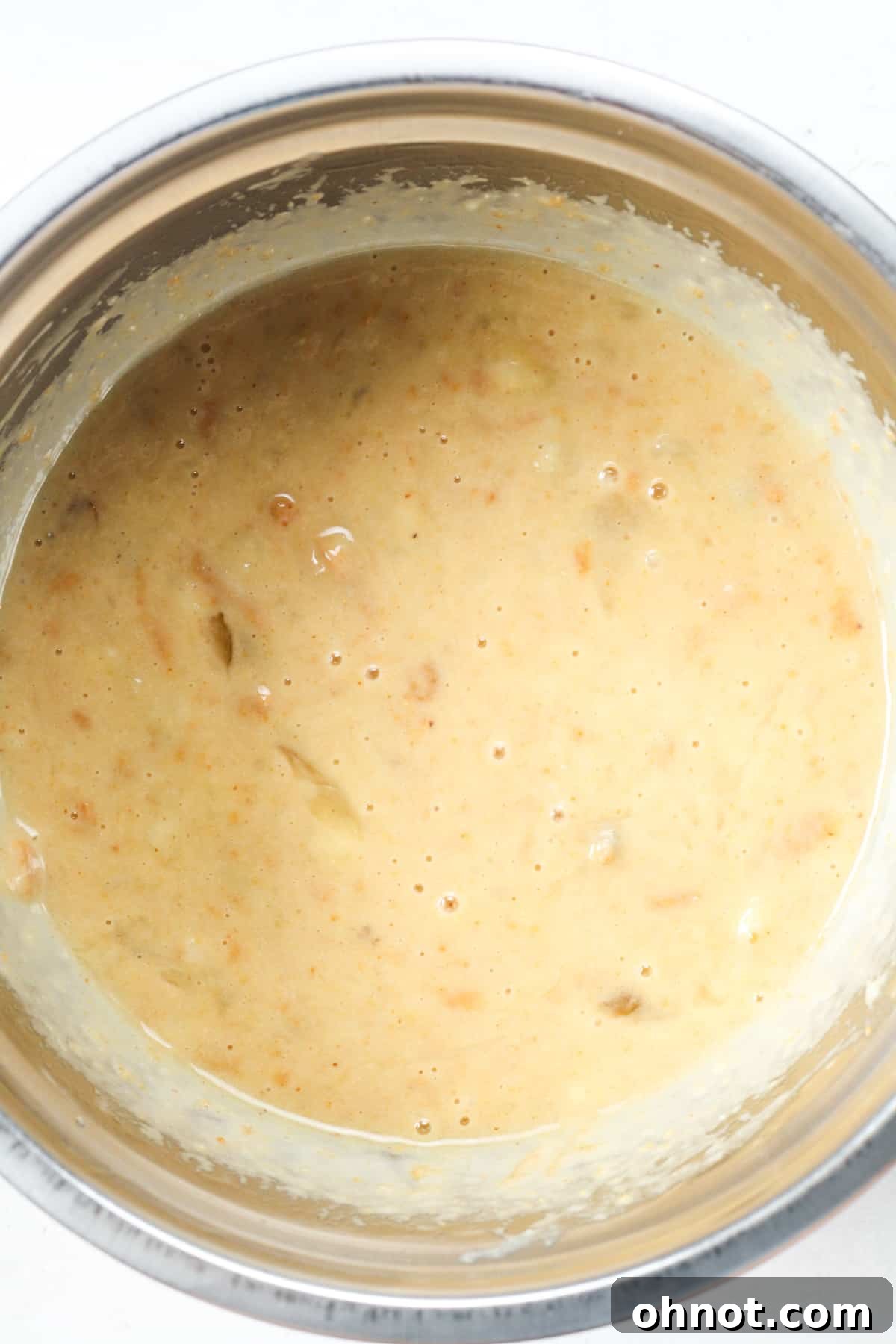
In a large mixing bowl, combine the mashed ripe bananas, creamy nut butter, melted coconut oil, eggs, and vanilla extract. Use a spoon or spatula to stir these wet ingredients thoroughly until they are well combined and form a smooth, uniform mixture. Ensure there are no large lumps of banana remaining.
Step 3: Integrate Dry Ingredients
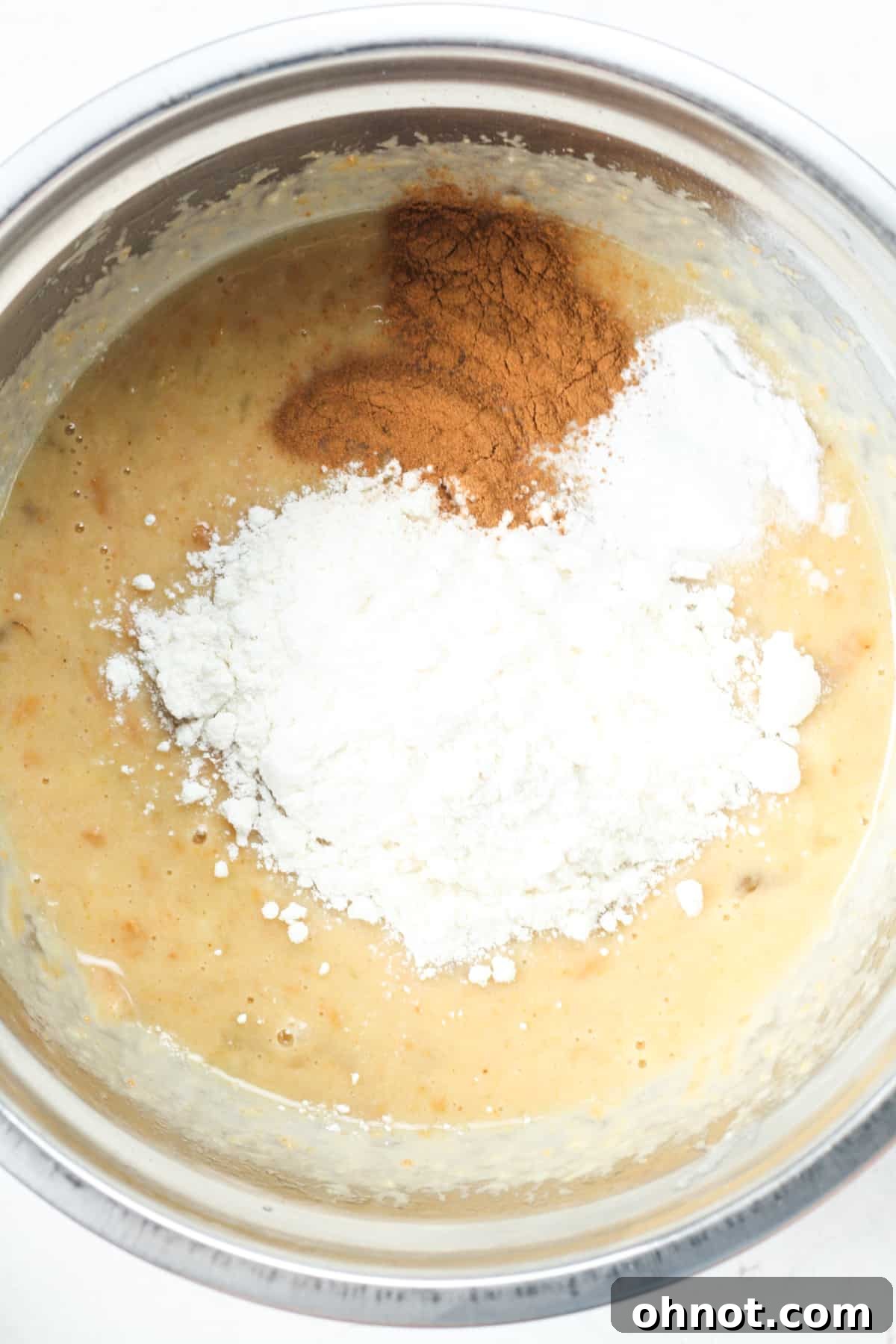
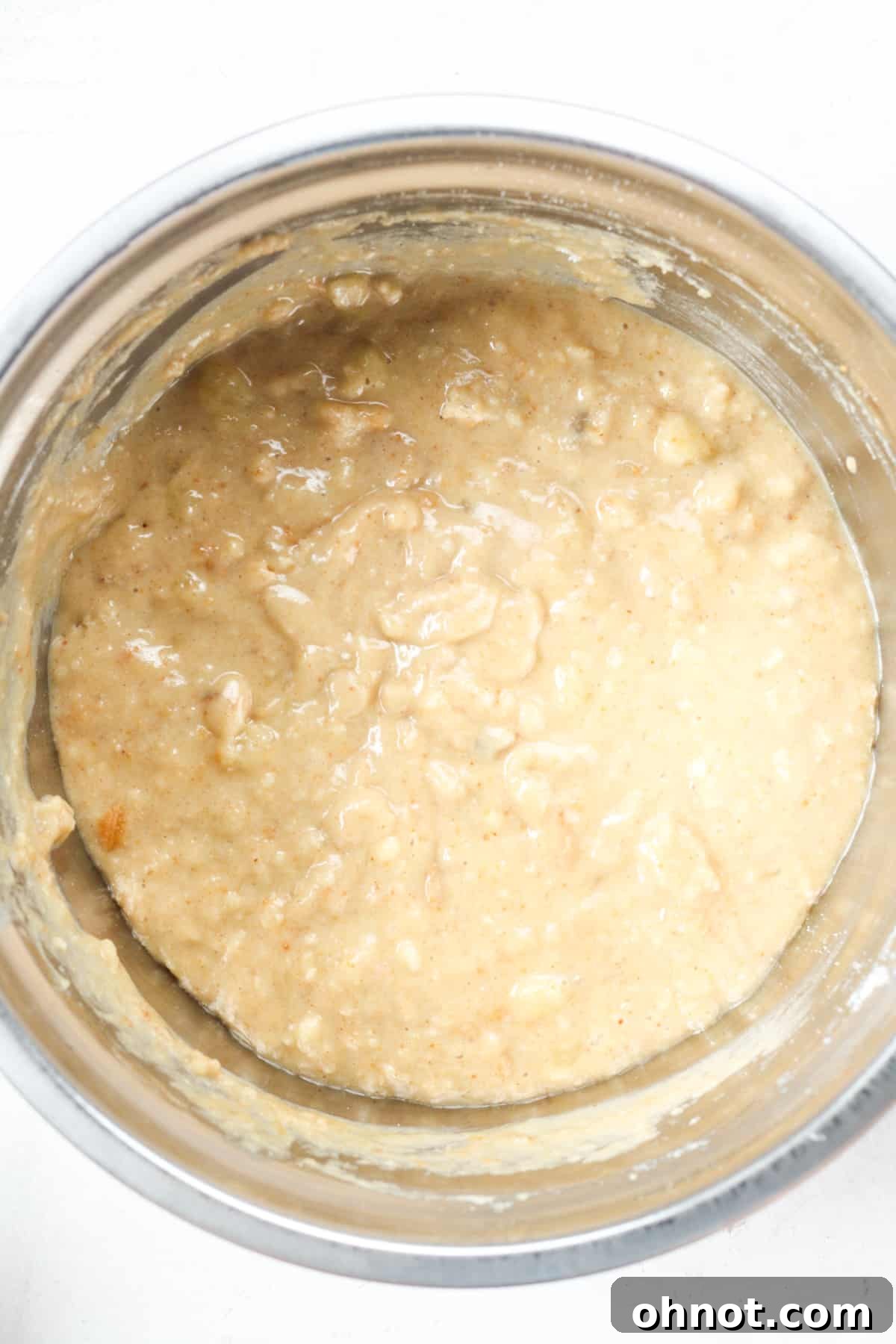
Next, add the cinnamon, baking soda, baking powder, and coconut flour to the wet mixture. Gently stir until all the dry ingredients are fully incorporated into the batter. Be careful not to overmix, as this can lead to a tougher bread. The batter will be quite thick due to the absorbent nature of coconut flour.
Step 4: Fold in Chocolate Chips
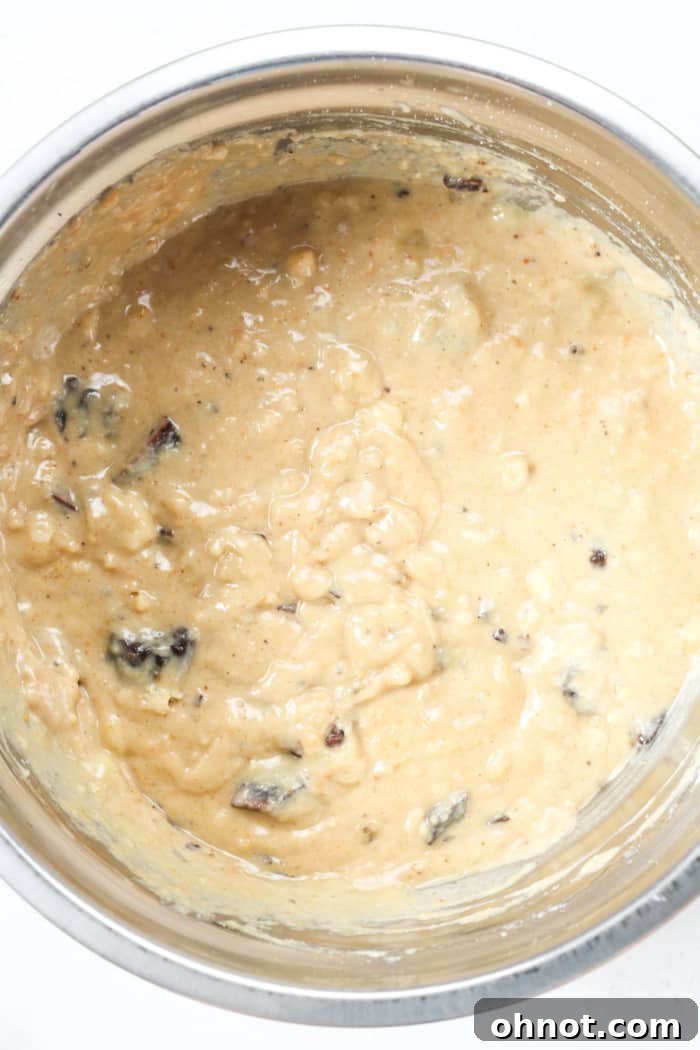
Carefully fold in your chosen chocolate chips. Distribute them evenly throughout the batter using a spatula. This ensures every slice gets a delightful burst of chocolate.
Step 5: Prepare for Baking
Transfer the banana bread batter into the prepared, parchment-lined loaf pan. Smooth the top with a spatula for even baking. Then, place a piece of aluminum foil loosely over the top of the bread. This step is extremely important as it prevents the surface of the coconut flour bread from burning or browning too quickly.
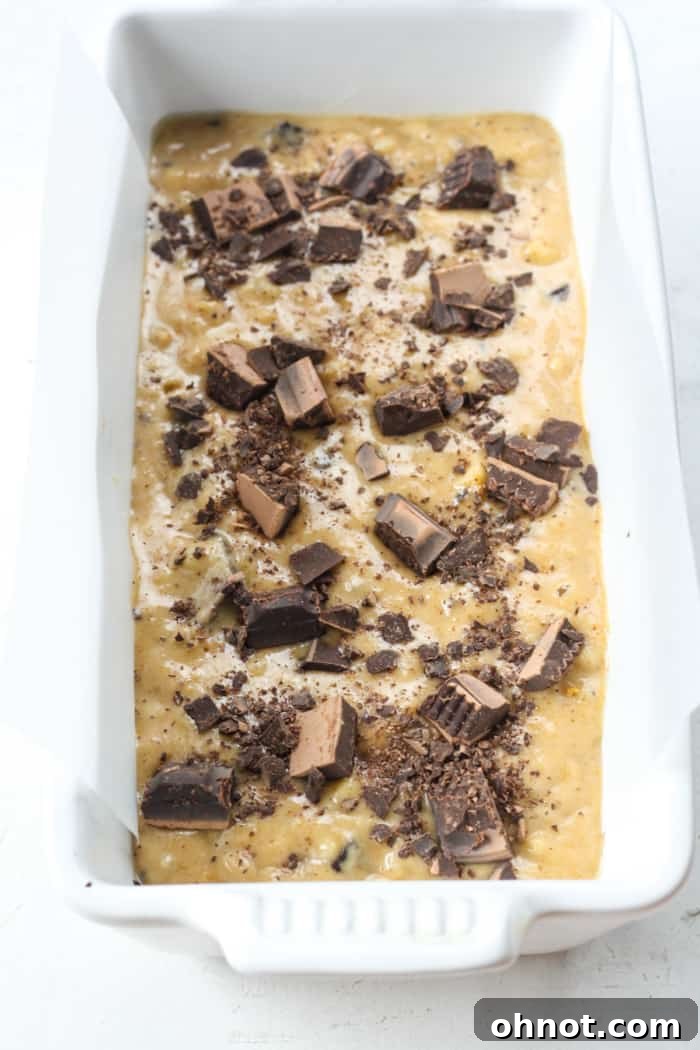
Step 6: Bake to Perfection
Bake the banana bread for 55 to 65 minutes. To check for doneness, insert a toothpick into the center of the loaf; it should come out clean. If the toothpick still has wet batter clinging to it, continue baking for a few more minutes and retest.
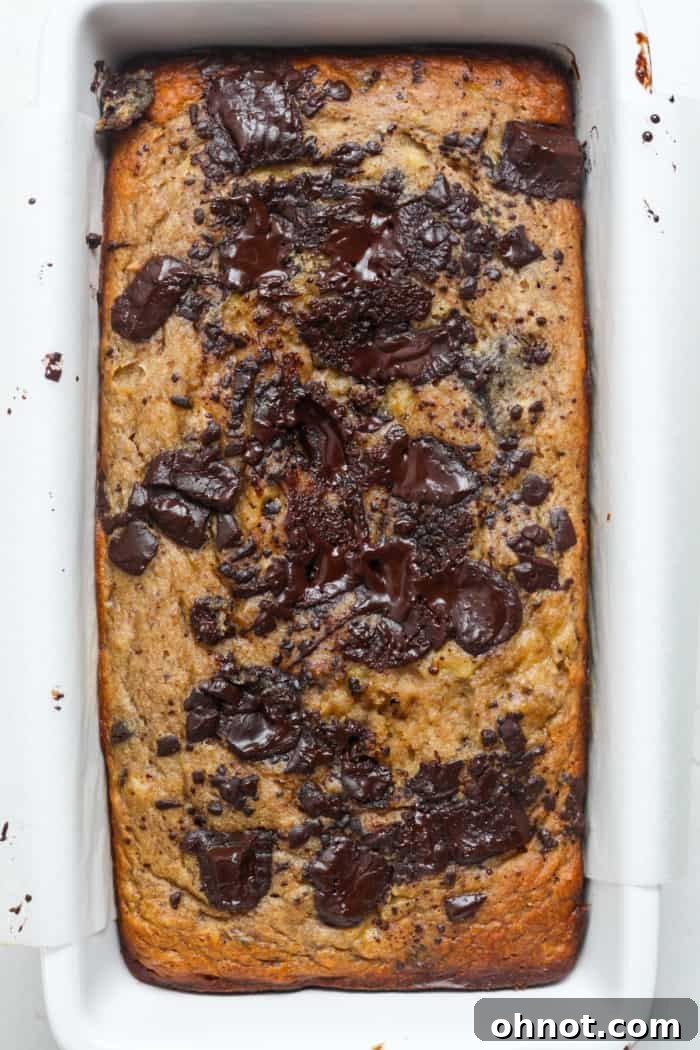
Step 7: Cool Completely
Once baked, remove the coconut flour banana bread from the oven. Allow it to cool completely in the pan on a wire rack before attempting to slice it. Cooling fully is crucial; slicing while warm can cause the bread to crumble and appear gummy. Patience will be rewarded with perfectly structured slices.
Expert Tips & Clever Tricks for Perfect Coconut Flour Banana Bread
Achieving a consistently perfect loaf of coconut flour banana bread is easy with these insider tips and tricks:
- Precision in Measuring: Coconut flour is incredibly sensitive to measurements. Always measure all ingredients carefully, but pay extra attention to the coconut flour, ensuring you use the exact amount specified. Too much can lead to a dry, crumbly bread, while too little might affect its structure.
- Choose the Right Loaf Pan: For the ideal bread shape and texture, use an 8-inch by 4-inch loaf pan. Using a larger pan will result in a flatter, potentially drier loaf, as the batter will spread out more thinly.
- Embrace Ripe Bananas: The riper the bananas, the better! Bananas with brown spots are naturally sweeter and softer, making them easier to mash and providing the primary source of sweetness for this no-added-sugar recipe. Their natural sugars also contribute to a more tender crumb.
- Quality Nut Butter Matters: Opt for a natural, creamy nut butter that contains only nuts and salt. Avoid brands with added sugars, hydrogenated oils, or excessive emulsifiers, as these can alter the texture and flavor of your bread. The purer the nut butter, the better the result.
- Oil Alternatives: While melted coconut oil is recommended for its unique properties and flavor, you can easily substitute it with avocado oil for a neutral taste, or melted unsalted butter if dairy is part of your diet. Ensure the oil is fully melted before mixing.
- Customize Your Mix-Ins: Chocolate chips are a delightful addition, but feel free to get creative! Replace them with chopped walnuts, pecans, or even shredded coconut for a different flavor profile. Just be sure to maintain the overall quantity of add-ins.
- Don’t Skip the Foil: Baking with aluminum foil on top is not optional; it’s a critical step. Coconut flour tends to brown very quickly, and baking uncovered will likely lead to a burnt top before the inside is cooked through. The foil creates a gentle baking environment, ensuring the bread cooks evenly and achieves a beautiful golden hue.
- Parchment Paper is a Must: Always line your loaf pan with parchment paper. Coconut flour batter is notorious for sticking to pans, even well-greased ones. Parchment paper creates a non-stick barrier, guaranteeing your bread lifts out effortlessly and intact.
- Avoid Overbaking: Bake until a toothpick inserted into the center comes out clean. Overbaking, even by a few minutes, can dry out coconut flour bread. Keep a close eye on it during the last 10-15 minutes of baking time.
- Cool Completely: Patience is a virtue, especially with this bread. Allow the loaf to cool fully on a wire rack before attempting to slice it. Slicing warm banana bread can lead to a crumbly texture and a less appealing presentation.
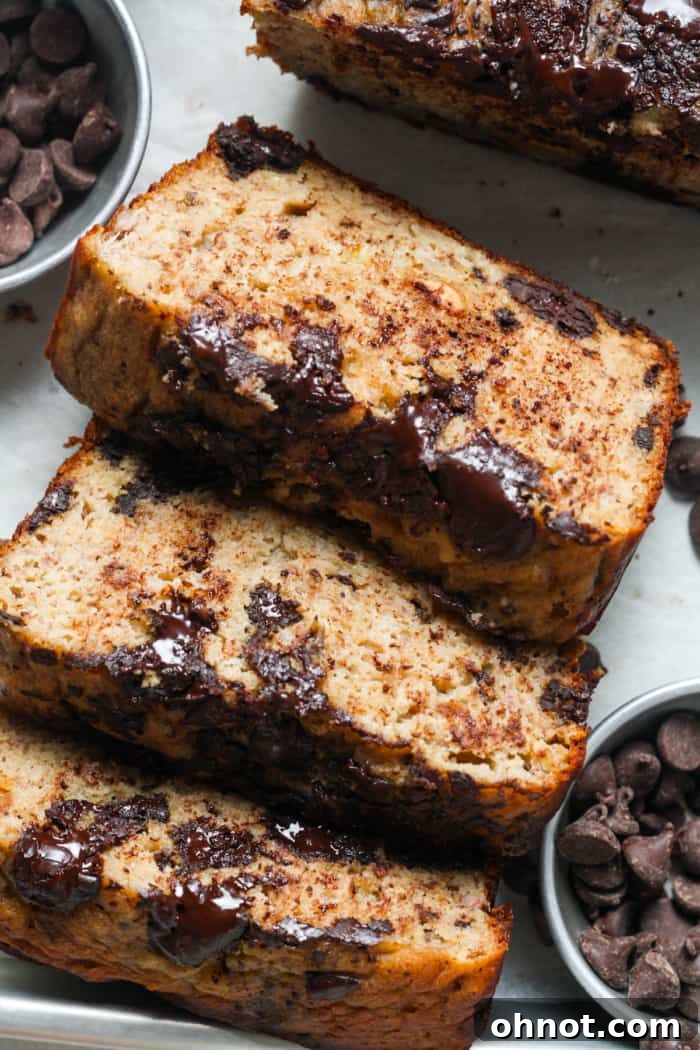
Serving Suggestions & Storage Solutions
Once your coconut flour banana bread has cooled, it’s ready to be enjoyed in a variety of delicious ways. Here’s how to serve it and keep it fresh:
Delightful Serving Ideas
- Simple Pleasure: Enjoy a slice as is, appreciating its natural sweetness and moist texture.
- Beverage Buddy: Pair it with a warm cup of coffee for a cozy morning treat, or a glass of your favorite milk (dairy or non-dairy) for a comforting snack.
- Nut Butter Boost: Enhance its protein and flavor by spreading a dollop of peanut butter or almond butter on top. The creamy nut butter complements the banana and coconut flavors perfectly.
- Fruit & Yogurt: Serve alongside a bowl of fresh berries or a spoonful of Greek yogurt for a more complete and satisfying meal.
- Toasted Treat: Lightly toast a slice and spread with a touch of butter or jam for a warm, comforting twist.
Keeping Your Loaf Fresh
Proper storage is key to maintaining the delicious taste and texture of your homemade banana bread:
- Room Temperature: Store any leftover banana bread in an airtight container at room temperature for up to 3 days. Ensure it’s completely cool before storing to prevent condensation, which can lead to sogginess.
- Refrigeration: For longer freshness, you can store the bread in an airtight container in the refrigerator for up to a week. The texture might become slightly firmer when chilled, but it will still be delicious.
- Freezing for Later: This banana bread freezes beautifully! Once completely cooled, wrap individual slices or the entire loaf tightly in plastic wrap, then in aluminum foil. Store in a freezer-safe bag for up to 3 months. Thaw individual slices at room temperature or gently reheat them in the microwave or toaster for a quick snack.
Frequently Asked Questions About Coconut Flour Banana Bread
Here are some common questions about baking with coconut flour and this delicious banana bread recipe:
What does coconut flour taste like?
Coconut flour has a naturally mild, somewhat sweet flavor with a very subtle hint of coconut. It’s not overpoweringly tropical, making it a versatile ingredient that blends well with other flavors, like the bananas and cinnamon in this bread.
Can I substitute coconut flour for all-purpose flour in other recipes?
No, coconut flour is vastly different from all-purpose flour in terms of texture, absorbency, and protein content. It acts like a sponge, soaking up much more liquid. A direct 1:1 substitution will not work in recipes designed for all-purpose flour; you’ll need recipes specifically formulated for coconut flour.
Is coconut flour difficult to bake with?
Coconut flour can be tricky to bake with if you’re not accustomed to its unique properties. It requires a specific ratio of liquid ingredients (especially eggs) to prevent dryness. However, once you understand its characteristics and follow a well-tested recipe like this one, it’s a fantastic flour to work with, yielding delicious and healthy baked goods.
Does coconut flour banana bread rise well?
Compared to traditional wheat flour or even some other gluten-free flours, baked goods made with coconut flour do not typically rise dramatically. This is due to its lack of gluten and high fiber content. This banana bread will have a modest rise, resulting in a slightly flatter but still wonderfully moist and tender loaf, not dense.
Is this coconut flour banana bread gluten-free and grain-free?
Yes, absolutely! Coconut flour itself is naturally gluten-free, grain-free, and Paleo-friendly. This recipe is specifically designed to be entirely gluten-free and grain-free, making it suitable for those with celiac disease, gluten sensitivities, or those following a Paleo diet.
What makes this banana bread moist without traditional flour?
The secret to its incredible moisture lies in the careful balance of ingredients. The high quantity of mashed ripe bananas, three eggs, melted coconut oil, and creamy nut butter all contribute significant moisture and fat, which effectively counterbalance the absorbent nature of the coconut flour, resulting in a perfectly moist crumb.
Can I make this recipe vegan?
This specific recipe relies heavily on eggs for structure and moisture due to coconut flour’s absorbency, making a direct vegan egg substitution challenging without significant alterations. We recommend seeking out a dedicated vegan coconut flour banana bread recipe for best results.
How do I know if my bananas are ripe enough?
For this recipe, your bananas should be very ripe, meaning their skins are heavily speckled with brown spots, or even almost entirely brown. They should be soft to the touch and easy to mash. Green or yellow bananas are not sweet enough and will result in a less flavorful bread.
You May Also Love These Healthy Baking Recipes
If you’re a fan of delicious, wholesome baked goods, be sure to explore these other fantastic recipes:
- Cream Cheese Banana Bread
- Dairy Free Banana Bread
- Vegan Chocolate Chip Banana Bread
- Sugar Free Banana Bread
- Coconut Flour Oatmeal Cookies
Coconut Flour Banana Bread: The Full Recipe
Here’s the complete recipe for your wholesome and delicious coconut flour banana bread, perfect for breakfast, snacks, or a healthy dessert.
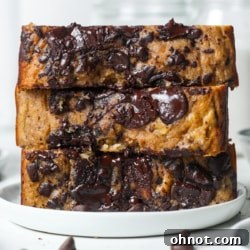
Coconut Flour Banana Bread
This coconut flour banana bread is soft, fluffy, and moist! Made without any added sweetener, it comes together easily and is perfect for breakfast, an afternoon snack, or a healthy dessert.
At a Glance:
- Prep Time: 10 mins
- Cook Time: 1 hour
- Total Time: 1 hour 10 mins
- Servings: 8 slices
- Author: Addison LaBonte
- Course: Breakfast
- Cuisine: American
Ingredients
- 1 ¼ cups mashed ripe bananas
- ½ cup creamy nut butter (almond, cashew, or sunflower butter)
- ⅓ cup melted coconut oil
- 3 large eggs
- 1 ½ tsp vanilla extract
- 1 tsp cinnamon
- ½ tsp baking soda
- ½ tsp baking powder
- ½ cup coconut flour
- ½ cup chocolate chips (sugar-free for Paleo/dairy-free)
Instructions
- First, preheat your oven to 350 degrees Fahrenheit (175°C). Line an 8-inch by 4-inch loaf pan with parchment paper. This is crucial for preventing sticking.
- In a large mixing bowl, combine the mashed bananas, creamy nut butter, melted coconut oil, eggs, and vanilla extract. Stir well until all ingredients are thoroughly combined and smooth.
- Next, add the cinnamon, baking soda, baking powder, and coconut flour to the wet mixture. Stir gently until all dry ingredients are just incorporated into the batter. Avoid overmixing.
- Carefully fold in the chocolate chips, ensuring they are evenly distributed throughout the batter.
- Pour the batter into the prepared, parchment-lined loaf pan. Smooth the top with a spatula. Place a piece of aluminum foil loosely over the top of the bread. This step is essential to prevent the top from burning.
- Bake for 55 to 65 minutes, or until a toothpick inserted into the center of the loaf comes out clean.
- Finally, remove the coconut flour banana bread from the oven. Allow it to cool completely in the pan on a wire rack before attempting to slice and serve.
Notes
- Coconut flour is unique and highly absorbent. Do not substitute it with any other type of flour in this specific recipe.
- Always use very ripe bananas (with brown spots) for the best natural sweetness, as this recipe contains no added sugars.
- Choose a natural, creamy nut butter made only from nuts and salt. Almond and cashew butters are excellent choices.
- Melted coconut oil can be substituted with avocado oil or melted unsalted butter if preferred.
- Any type of chocolate chips will work. For a sugar-free and dairy-free option, use unsweetened dark chocolate chips or chopped dark chocolate.
- It is critical to bake this bread with aluminum foil covering the top to prevent it from burning, as coconut flour browns quickly.
- Always line your loaf pan with parchment paper, as coconut flour batter can easily stick to the pan.
- Ensure the bread is fully cooled before slicing to maintain its structure and prevent crumbling.
Nutrition Information (per slice)
- Calories: 313 kcal
- Carbohydrates: 23g
- Protein: 7g
- Fat: 23g
- Saturated Fat: 13g
- Polyunsaturated Fat: 2g
- Monounsaturated Fat: 5g
- Trans Fat: 0.01g
- Cholesterol: 61mg
- Sodium: 204mg
- Potassium: 241mg
- Fiber: 5g
- Sugar: 7g
- Vitamin A: 112 IU
- Vitamin C: 3mg
- Calcium: 34mg
- Iron: 1mg
We truly hope you enjoy baking and savoring this incredible coconut flour banana bread! If you make this recipe, we would be delighted to hear your thoughts and see your creations. Please consider leaving a review! You can also connect with us and share your culinary adventures on Instagram, Facebook, and Pinterest. For even more healthy meal plans, exclusive new recipes, and updates, be sure to sign up for our newsletter here. Additionally, explore our extensive collection of Paleo Recipes for more inspiration on your healthy eating journey.